

What turns a Thailand incentive from a nice trip into a programme that actually changes behaviour — and how does an agent sell that to a corporate buyer? The answer the market has moved to is "return on experience": incentives judged not by the room list but by the money-can't-buy moments people talk about for years. A private-island buyout, a temple opened after hours, a chef's table no walk-in can book — these are the currency now, and they are exactly what a ground partner can arrange and a portal cannot. This guide from a Thailand DMC for travel agents lays out how to build and sell an experience-led incentive — price-free — so you can win the brief on impact, not inclusions.
Explera is a TAT-licensed ground handler trusted by 4,500+ agency partners, with in-house transport, licensed guides, 24/7 support and IATA TIDS registration (96215733) — access to the moments that can't be bought off a shelf is the core of what we build for incentive groups.
What does "return on experience" actually mean for an incentive?
Return on experience — the pivot Thailand's business-events sector has leaned into — reframes an incentive around what participants feel and remember rather than what appears on the invoice. A conference proves attendance; an experience-led incentive proves that the reward landed. For an agent, the shift is liberating: you stop competing on who can list the most inclusions and start competing on who can engineer the single moment the client's top performers will describe to colleagues back home. That is a brief a Thailand DMC is built to answer, because the moments live on the ground, not in a brochure.
Which "money-can't-buy" moments actually move people?
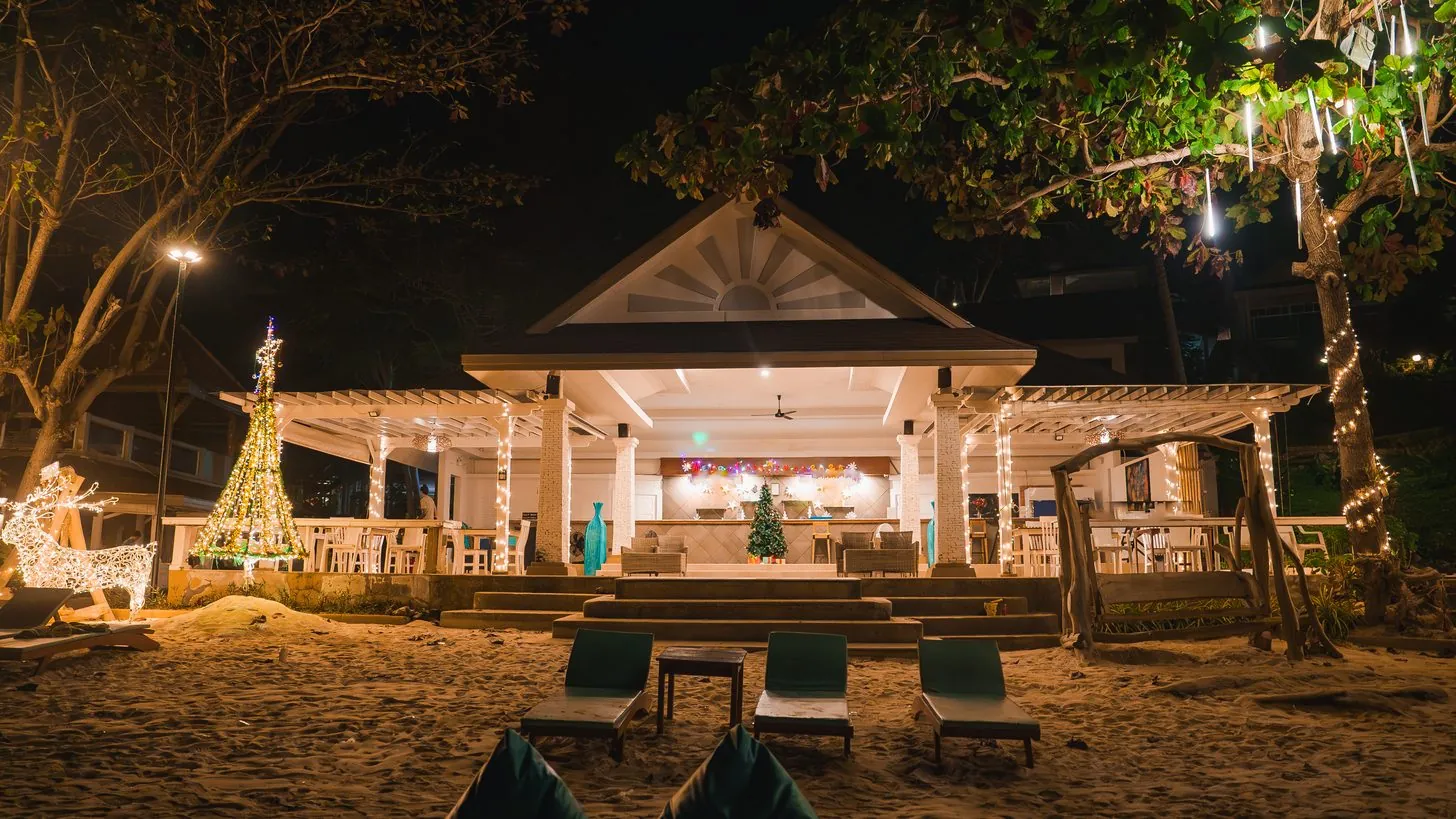
The moments that land share a quality: they cannot be self-booked. A private buyout of an island beach for one group's evening; a normally-public temple or heritage site opened exclusively after hours; a chef's table or a dinner staged somewhere a restaurant reservation will never reach. What makes these work is exclusivity plus access — and access is a relationship, not a transaction. Selling them, you are not selling a venue; you are selling the fact that your ground partner can open a door the client could never open alone.

How do you structure tiered rewards without it feeling ranked?
Most incentive programmes reward performance in tiers, and the craft is making a top tier feel special without making everyone else feel second-class. The lever is the experience, not the label: a shared spectacular gala everyone attends, with a discreet top-tier layer — an earlier private moment, a better vantage, a personal touch — that the highest achievers notice and the rest never see as a slight. A ground partner who has run tiered groups can design the layering so recognition feels like generosity rather than a leaderboard.
What makes a gala night the anchor of the programme?
The gala is where an incentive earns its story, and theming it to the destination is what separates a memorable night from a hotel ballroom anywhere. A beach or a pier, a heritage courtyard, a rooftop over the city — matched to a theme, a performance and a menu that could only be Thailand — is the frame the whole programme builds toward. The logistics behind it (staging, power, weather backup, transfers timed to the moment) are exactly the kind of moving parts a Thailand DMC banqueting team exists to hold, so the client experiences the night and never the wiring behind it.
How do Indian and Chinese incentive groups differ?
Two of the biggest incentive source markets for Thailand ask for different things, and knowing that up front sharpens your pitch. Indian incentive groups often run larger, expect strong catering and evening-heavy programming, and value spectacle and photography; Chinese groups may prioritise different pacing, shopping windows and specific service expectations. A ground partner who has operated both can flag the differences before you quote — so you propose a programme that fits the group's culture rather than one you have to rescue on site.
How do you measure return on experience?
The reason buyers now ask for experience-led programmes is that they are trying to justify the spend, so give them a way to. Return on experience is measured after the fact — participant sentiment, the stories that circulate, retention and performance among the rewarded cohort, the content the group generates themselves. Building the programme with those signals in mind, and helping the client capture them, turns a beautiful trip into a business case they can take to their board. That framing is often what wins you the next year's programme.
Experience-led incentives at a glance
| Element | What to build in | Why it drives return on experience |
|---|---|---|
| Money-can't-buy moment | Island buyout, after-hours access, private chef's table | Exclusivity the client could never self-book is the whole reward |
| Tiered recognition | A shared gala with a discreet top-tier layer | Rewards performance without making the rest feel ranked |
| Signature gala | Destination-themed venue, performance and menu | The anchor moment the whole programme builds toward |
| Market fit | Catering, pacing and service tuned to the source market | A programme that fits the group instead of one you rescue on site |
| Measurement | Sentiment, stories, retention, participant content | Turns the trip into a business case that wins next year |
How to work with us — your Thailand DMC for travel agents
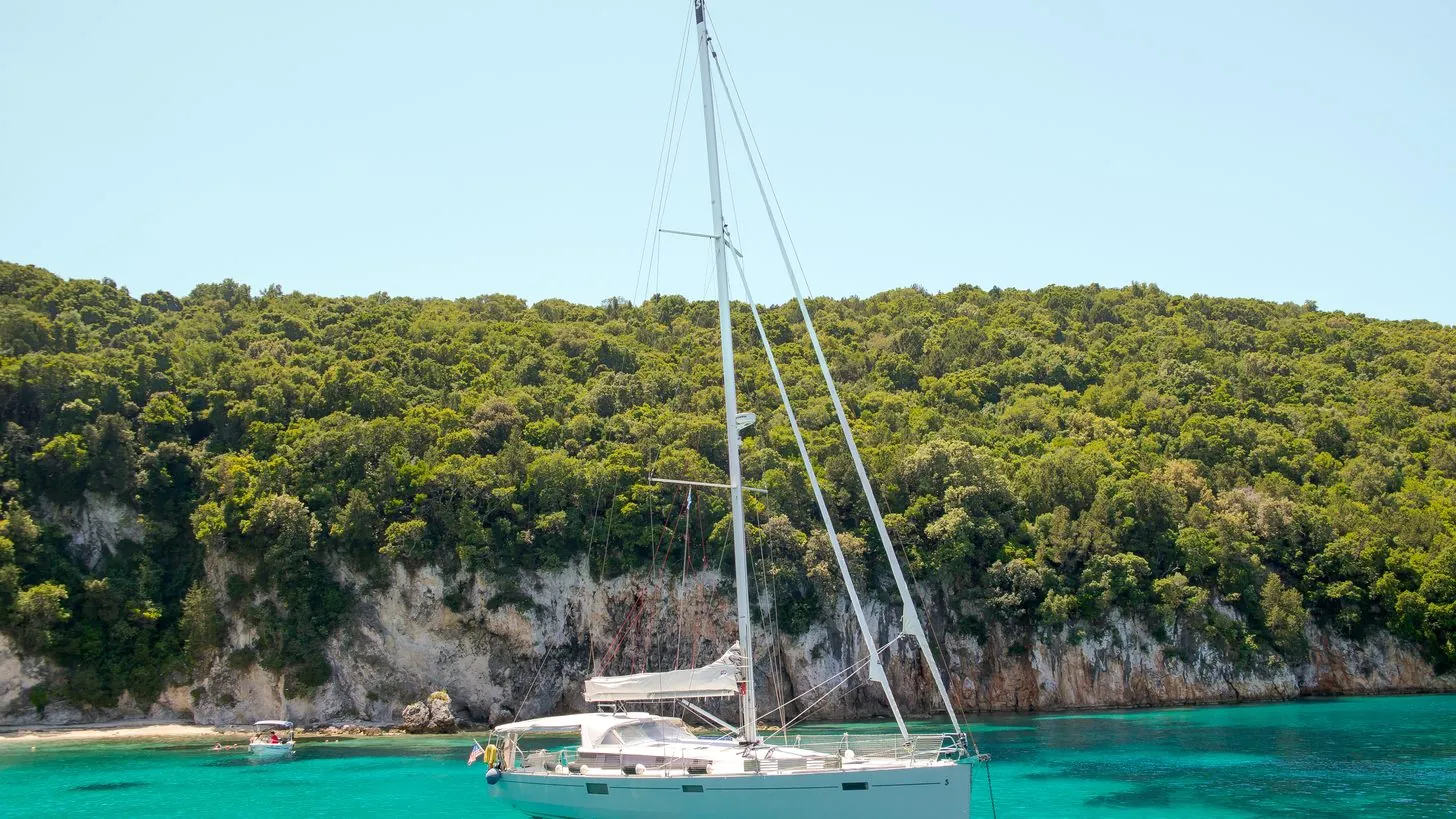
Experiences at this level are a capability, not a catalogue: our full Thailand DMC MICE and incentive services for travel agents open the access, design the tiering and stage the gala — with private yacht and catamaran charters and bespoke banqueting as the signature moments, matched to the destinations your programme runs in. Bring a live incentive brief to our trade desk and we'll build the return-on-experience case with you.
Selling notes for the trade
- Sell the moment, not the inclusions — a money-can't-buy experience is what wins an experience-led brief.
- Layer recognition, don't rank it — a discreet top-tier touch beats an obvious leaderboard.
- Make the gala unmistakably Thai — destination theming is what turns a dinner into a story.
- Tune to the source market — Indian and Chinese groups want different pacing, catering and spectacle.
- Give the client a measure — sentiment and stories turn the trip into next year's business case.
Frequently asked questions
What is "return on experience" in incentive travel?
It's the shift from judging an incentive by its inclusions to judging it by what participants feel, remember and repeat — the money-can't-buy moments and the behaviour they drive. Buyers increasingly ask for it because they need to justify the spend with something beyond a room list.
What counts as a "money-can't-buy" moment?
Anything the client couldn't self-book: a private island or beach buyout, a heritage site opened after hours, a chef's table or a dinner staged somewhere no reservation reaches. The value is exclusivity plus access, and access comes from a ground relationship rather than a booking portal.
How is this different from a standard MICE incentives package?
A standard package is built around venues and inclusions; an experience-led programme is built around a signature moment and the recognition it delivers. The two overlap, but the selling angle — and what the buyer measures — is different.
Do Indian and Chinese incentive groups need different programmes?
Often yes. Indian groups tend to run larger with strong catering and evening spectacle; Chinese groups may want different pacing, shopping windows and service expectations. A ground partner who runs both can tune the programme to the group's culture before you quote.
How do I prove the programme worked?
Measure it after the fact — participant sentiment, the stories that circulate, retention and performance among the rewarded cohort, and the content the group creates. Build those signals in from the start and you hand the client a business case, not just a beautiful trip. Our trade desk helps structure the programme to capture them.