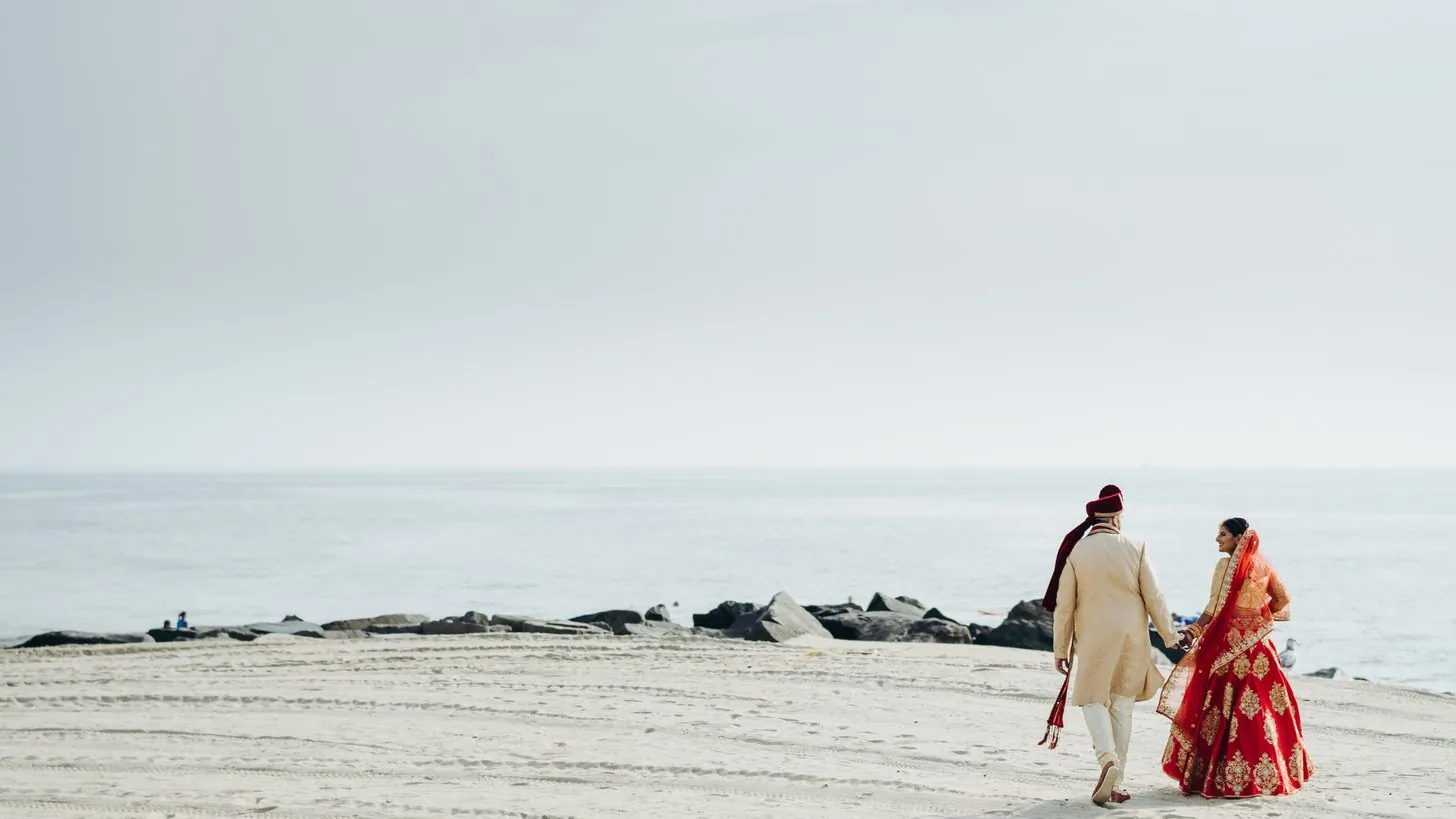

What does a travel agent actually need to manage to deliver an Indian destination wedding in Thailand — from the baraat to the vidaai? A multi-day programme of distinct functions, each with its own ritual, catering, décor and guest logistics; a licensed ground partner who can source a pandit, import the right flowers, feed hundreds to spec and move a 300-strong guest block between venues without a gap. Thailand has become a favoured stage for Indian weddings because it delivers the spectacle at a scale — and often a value — home-market venues struggle to match. This guide from a Thailand DMC for travel agents maps the whole celebration, price-free, so you can sell a shaadi abroad with confidence — it's the Indian-specific playbook that builds on our broader destination weddings in Thailand guide.
Explera is a TAT-licensed ground handler trusted by 4,500+ agency partners, with in-house transport, licensed guides, 24/7 support and IATA TIDS registration (96215733) — running Indian wedding series with their room blocks, rituals and catering is exactly the kind of complex ground operation we're built for.
Why is Thailand such a strong stage for Indian weddings?
Thailand pairs beaches, ballrooms and heritage backdrops with the airlift, hotel capacity and supplier depth a big Indian wedding needs — and it does so at a value that often lands well below an equivalent home-market venue. The Tourism Authority has actively courted Indian wedding planners, and the ground ecosystem has matured around them: venues that understand a multi-day programme, kitchens that cook to regional and dietary specifications, and a supply chain that can bring in what isn't local. For an agent, that combination means you can promise a client a wedding that looks like a film without promising a logistical miracle you'd have to deliver yourself.
How does the multi-day function map actually work?
An Indian wedding is not an event but a sequence, and pricing or planning it as a single day is the classic mistake. A typical programme runs across several days — a mehndi and a haldi, a sangeet, the pheras or main ceremony, and a reception — each with its own venue setup, timing, catering style and dress code. Some are intimate and daytime; others are large, late and high-production. The skill is mapping the functions against venues and days so nothing collides and each has the space and mood it needs. A Thailand DMC that has run the sequence before builds that map with you rather than discovering the clashes on site.
Who sources the pandit, the catering and the décor?
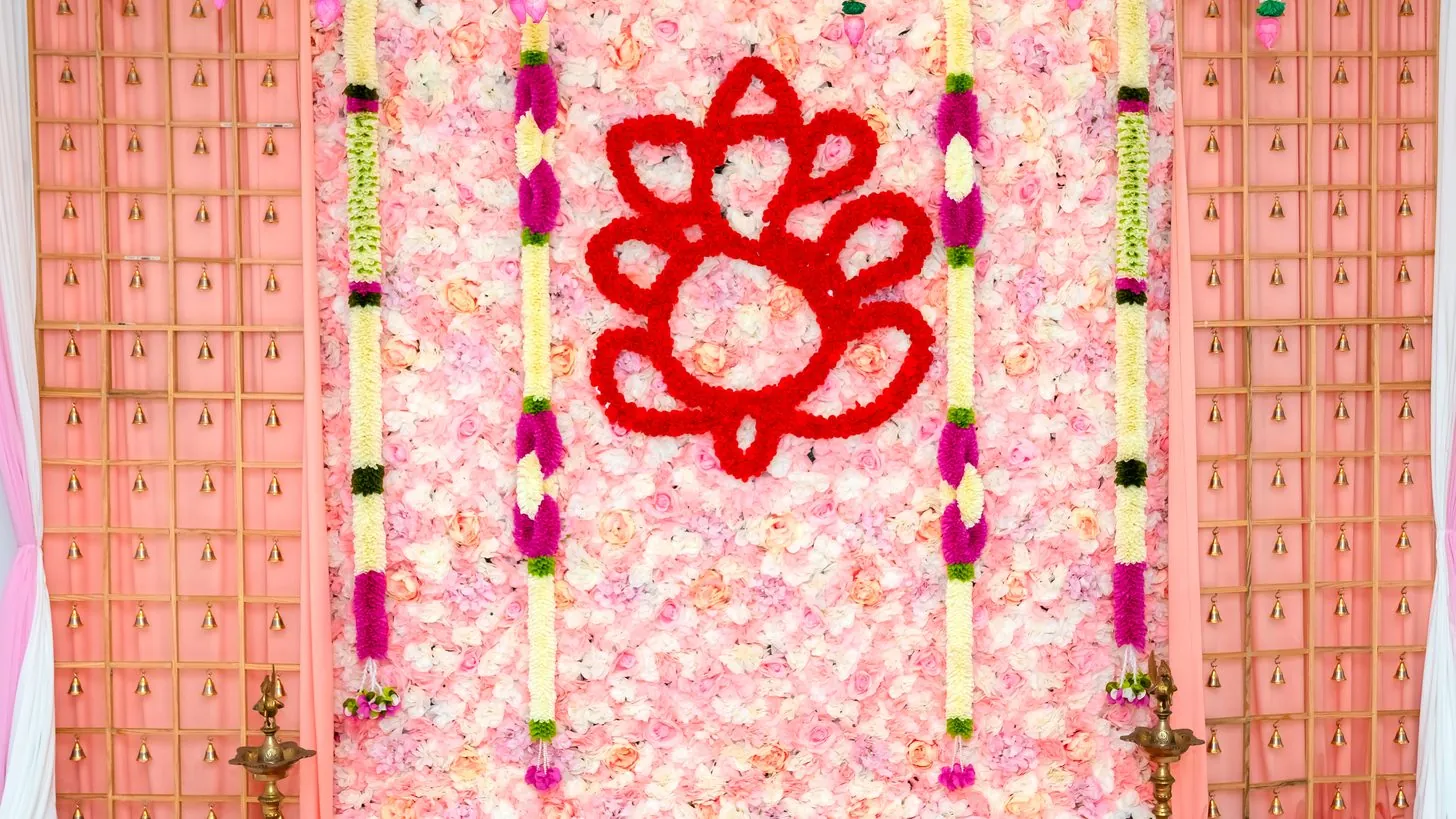
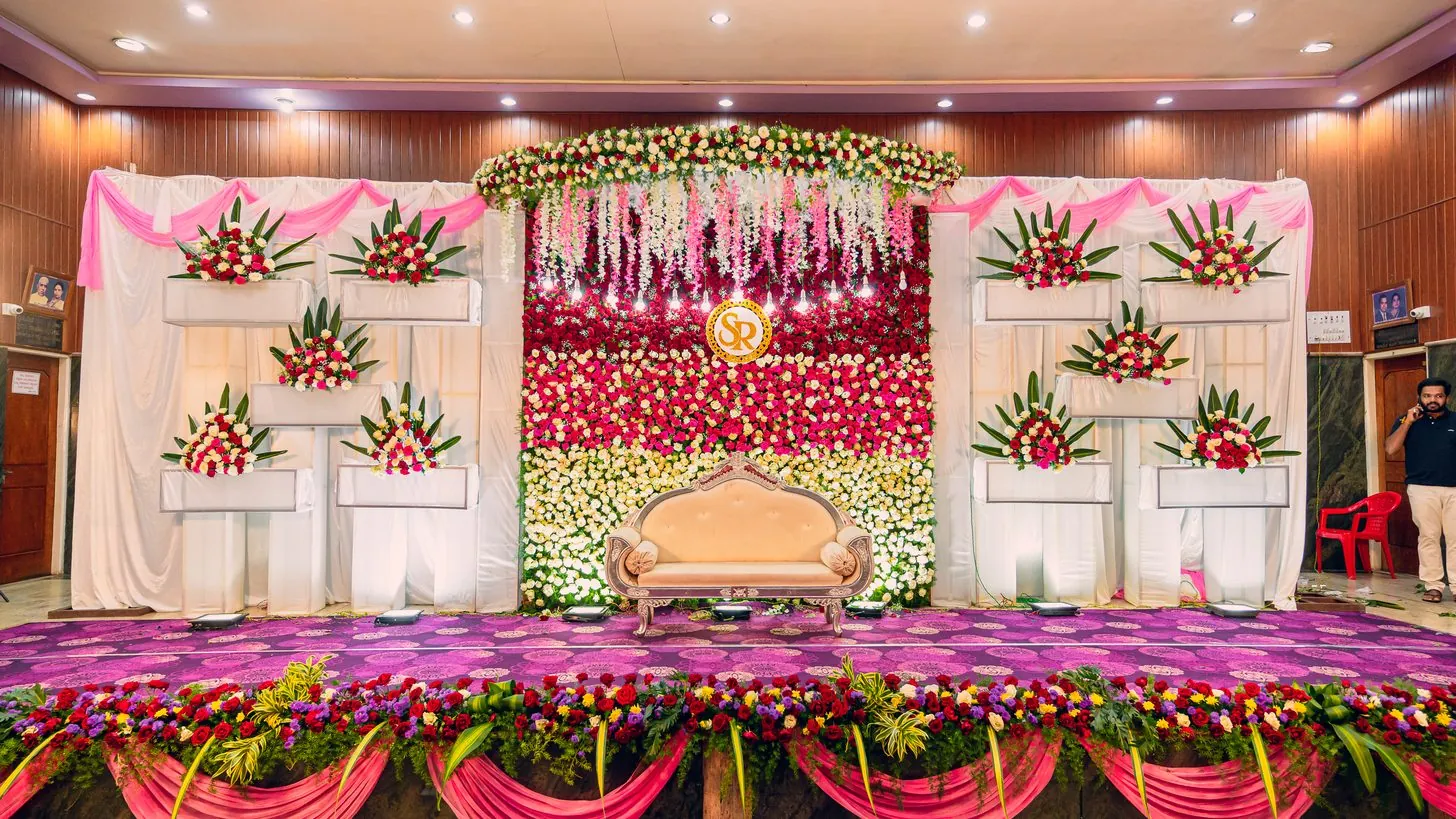
The authenticity of an Indian wedding lives in details that don't exist locally by default, and someone has to source them. A pandit for the ceremony, caterers who cook the right regional cuisine to Jain, vegetarian or other requirements at volume, and the marigolds, mandap and décor that may need to be imported or specially made — these are the difference between a wedding that feels right and one that feels approximated. This is squarely a ground-partner job: a Thailand DMC banqueting team assembles the caterers and the ritual and décor supply chain against the family's brief, so the client recognises their own wedding rather than a resort's version of it.
What are the legal and documentation realities?
Couples usually complete the legal marriage at home and celebrate in Thailand, but the paperwork still matters and should be clarified early. Whether the family wants a legally-recognised ceremony or a symbolic one changes the documentation, and any attestation or notarisation requirements are far better handled before travel than discovered at the venue. A ground partner who has run Indian weddings knows which path each family is on and what each requires, so the celebration is beautiful and the legal position is clean — not a question mark hanging over the day.

How do you handle a guest block of 100–400 people?
The scale is what separates a destination wedding from a honeymoon, and it is where the operation is won or lost. A block of 100 to 400 guests means coordinated room allocations across one or more hotels, airport-to-venue transfers timed to arrivals, welcome logistics, and movement between functions without leaving anyone stranded. It also means managing VIPs, elders and children within the same flow. A ground partner manages the room blocks, the transfers and the vendor coordination as one operation — matched to private-villa stays for the immediate family — so the agent sells the celebration and the ground partner runs the machine behind it.
Which venue archetypes suit which wedding?
Not every Indian wedding wants the same stage, and matching the archetype to the family is part of the sell. A beach resort suits a couple who want sun, spectacle and a barefoot sangeet; a five-star ballroom suits a grand, weather-proof, high-production reception; a heritage or garden estate suits a family who want character and exclusivity. The right choice depends on guest numbers, season and the family's taste — and a ground partner who knows the venues can steer the client to the one that fits their programme and budget rather than the one with the best brochure.
Indian destination weddings in Thailand at a glance
| Element | What it involves | Why a ground partner matters |
|---|---|---|
| Function map | Mehndi, haldi, sangeet, pheras, reception across several days | Sequencing venues and timing so nothing collides |
| Ritual & catering | Pandit, regional and dietary catering at volume | Sourcing what isn't local so the wedding feels authentic |
| Décor | Mandap, marigolds and imported or bespoke elements | A supply chain that can bring in or make what's needed |
| Legal position | Legal-at-home vs symbolic; attestation clarified early | A clean legal position handled before travel |
| Guest block (100–400) | Room blocks, transfers, VIP and family flow | Running the movement as one accountable operation |
How to work with us — your Thailand DMC for travel agents
An Indian wedding is a series, not a booking: the full Thailand DMC wedding services for travel agents map the functions, source the pandit, catering and décor, run the room blocks and transfers, and hold the whole multi-day programme together — with private villas for the family and banqueting tuned to the menu. Bring a live wedding enquiry to our trade desk and we'll build the programme with you.
Selling notes for the trade
- Sell the sequence, not a day — an Indian wedding is several functions across several days, each with its own needs.
- Promise authenticity through sourcing — pandit, regional catering and décor are what make it feel like the family's own wedding.
- Clarify the legal path early — legal-at-home vs symbolic changes the documentation; handle it before travel.
- Treat the guest block as an operation — 100–400 guests is room blocks, transfers and flow, not a room list.
- Match the venue archetype to the family — beach, ballroom or heritage estate, by numbers, season and taste.
Frequently asked questions
Why do Indian families choose Thailand for weddings?
It pairs beaches, ballrooms and heritage venues with strong airlift, hotel capacity and a mature supplier base — and it often delivers the spectacle at a value below an equivalent home-market venue. Thailand's tourism authority has actively courted Indian wedding planners, so the ground ecosystem understands the programme.
How many days does an Indian destination wedding usually run?
Several. A typical programme spans a mehndi and haldi, a sangeet, the main ceremony (pheras) and a reception, each on its own day with its own venue, timing and catering. Planning it as a single event is the classic mistake.
Can a Thai venue really cater authentic Indian food to dietary requirements?
With the right partner, yes — caterers who cook regional cuisine to Jain, vegetarian or other specifications at volume are a core part of the ground supply chain. A ground partner assembles them against the family's brief rather than relying on a resort's default kitchen.
Is the wedding legally binding?
Usually couples complete the legal marriage at home and hold a symbolic celebration in Thailand, but it depends on the family. Whether they want a legally-recognised or symbolic ceremony changes the documentation, so clarify it — and any attestation — well before travel.
How large a guest group can be handled?
Blocks of 100 to 400 guests are routine for a well-run operation — coordinated room allocations, airport-to-venue transfers, welcome logistics and movement between functions. Our trade desk runs the room blocks and transfers as one accountable operation.