
What should an agent actually verify at a Thai venue before confirming it for a conference, gala or incentive — beyond the photos and the floor plan? The things that sink events are rarely visible in a brochure: how gear loads in, whether the ceiling takes rigging, how many breakouts the space really yields, what the kitchen can plate at once, and where everyone goes when it rains. A disciplined site inspection checks those against your programme's spec, not the venue's marketing. This guide from a Thailand DMC for travel agents is the technical recce checklist — price-free — so you (or the partner inspecting on your behalf) confirm a venue on evidence, not atmosphere. It picks up where a general FAM-trip site visit leaves off.
Explera is a TAT-licensed ground handler trusted by 4,500+ agency partners, with in-house transport, licensed guides, 24/7 support and IATA TIDS registration (96215733) — inspecting venues against a client's spec before they're shortlisted is routine ground work for us.
Load-in, access and power — the things photos never show
The first thing a serious recce checks is whether the event can physically get into the room. Dock access and door dimensions decide whether staging, AV and décor arrive smoothly or get carried through a lobby; the available power, its distribution and phases decide whether the production plan is even possible. Ceiling height and rigging points determine what can fly — lighting, screens, a centrepiece — and a beautiful ballroom with no rigging capacity quietly kills an ambitious set. None of this appears in a floor plan, and all of it is confirmable in ten minutes on site by someone who knows to ask.
How many breakouts does the space really yield?
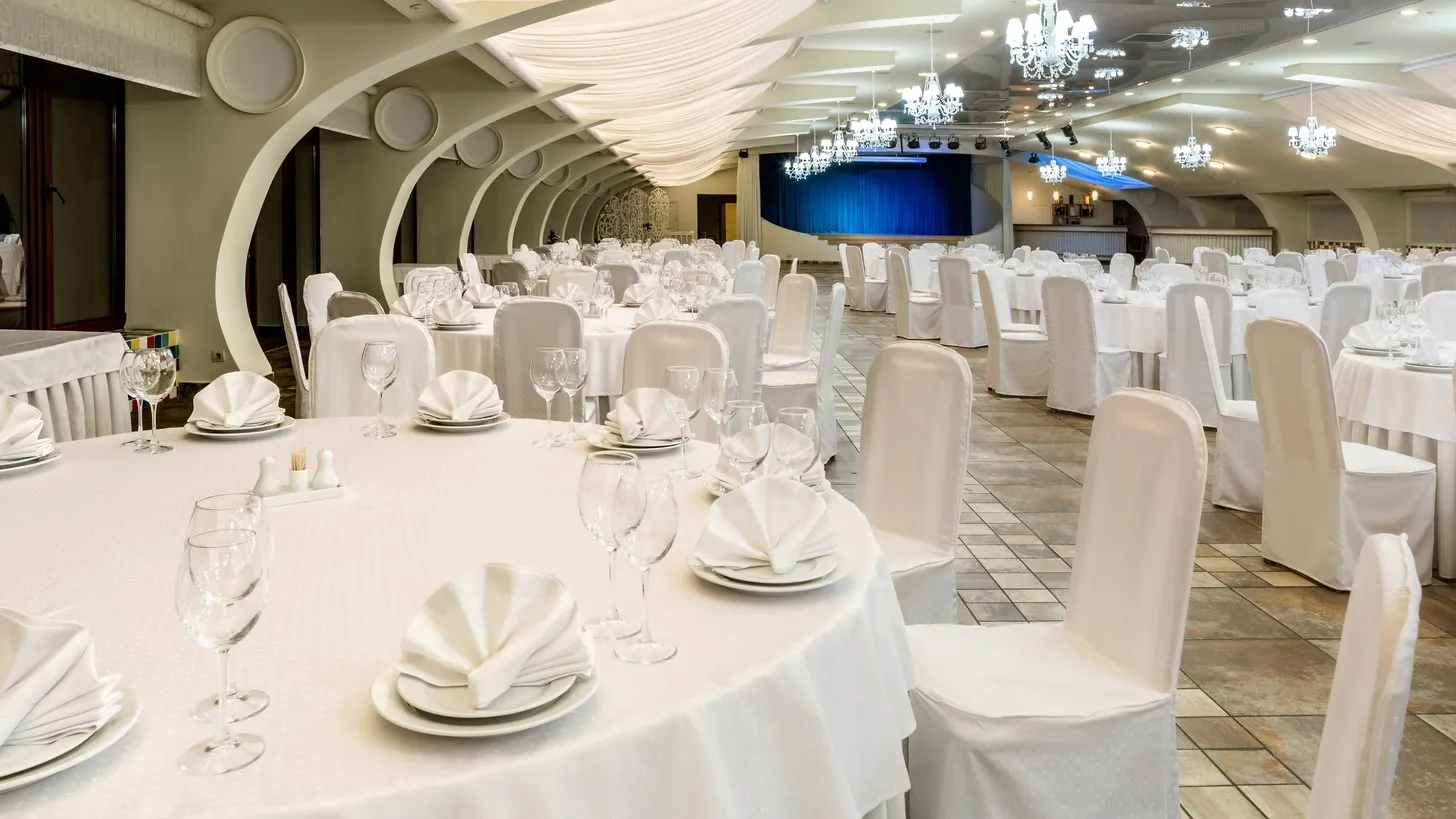
Venues quote a headline capacity; programmes need working rooms. The real question is how the space subdivides — how many breakouts of what size, with what soundproofing between them, and whether the air-walls and ceiling actually stop one session bleeding into the next. A room that seats the plenary beautifully can fail the moment you need four parallel sessions and a quiet space for a board huddle. Checking the breakout ratio against your agenda — not the venue's maximum — is what stops a capacity surprise on day one.
Can the kitchen deliver your F&B at scale and on time?
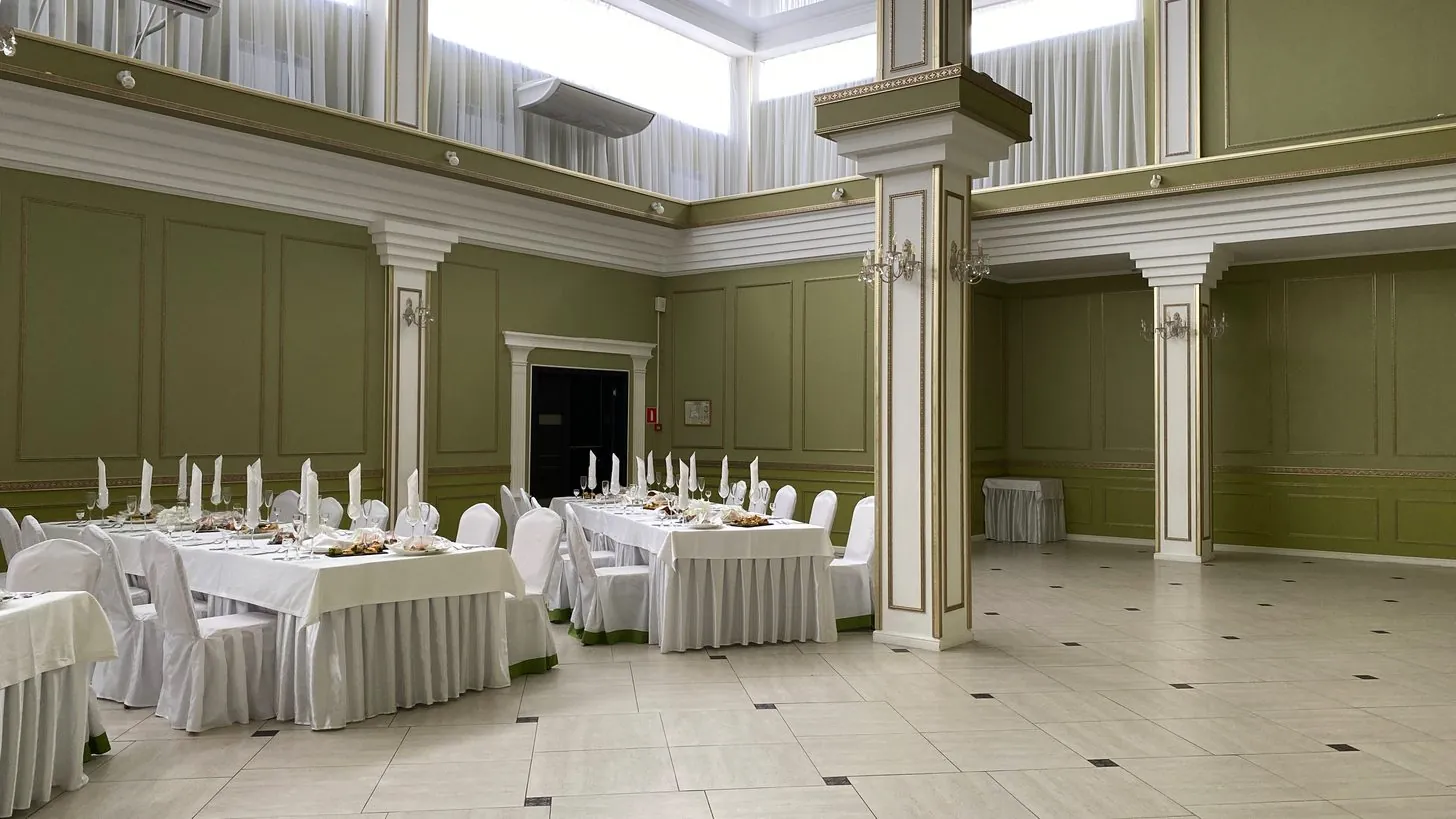
Catering is where a good venue and a great event part ways. The checklist isn't the menu; it's the capacity behind it — how many covers the kitchen can plate simultaneously, whether it can hold quality across a long service, and how it handles dietary and cultural requirements at volume rather than as a footnote. A room that looks the part but feeds a large group slowly turns a gala into a queue. Confirming kitchen throughput and dietary handling against your real headcount is a core recce line, not a detail to trust on faith.
What's the wet-weather and contingency plan?
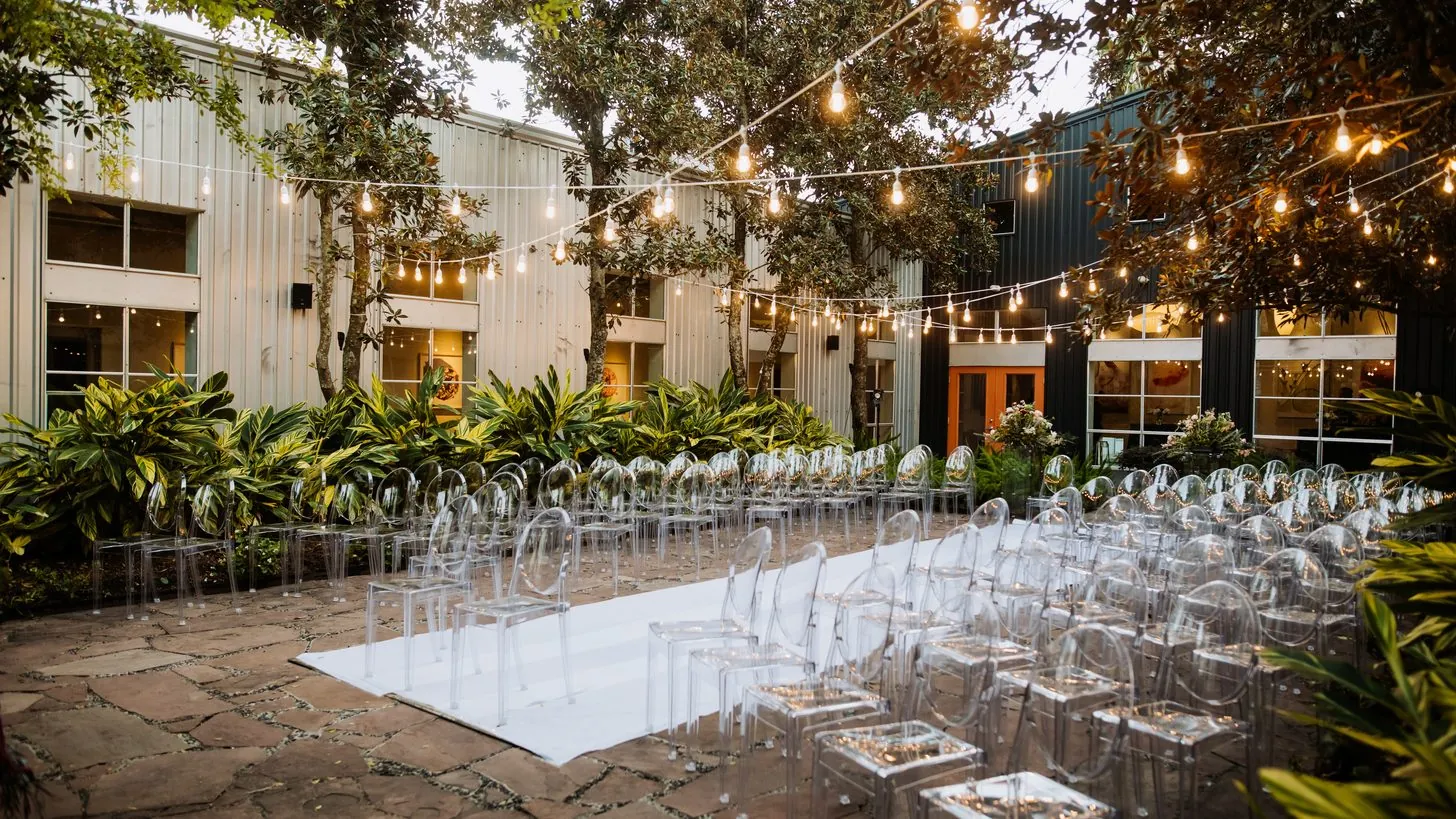
Thailand's outdoor venues are a signature asset and a real risk in the same breath, so the plan for rain is not optional. A credible inspection confirms the covered alternative, how fast the switch can be made, and whether the backup space actually holds the programme rather than cramming it. The same discipline applies indoors — power redundancy, an evacuation route that works for the real headcount, and a plan for the AV failing mid-session. A venue that can answer the "what if" questions crisply is one you can confirm; one that improvises is a risk you're carrying.
Transfer timing and the arrival experience
A venue never stands alone; it sits at the end of a transfer, and the recce should time that journey in real conditions. How far is it from the host hotels and the airport, what does the route look like in a compression window, and where do coaches actually set down and turn around? The arrival choreography — where a group forms up, how registration flows, whether a VIP can be handled separately — shapes the first impression of the whole event. Checking it on the ground is how you avoid a beautiful venue undermined by a chaotic arrival.
Why put a ground DMC on the recce?
Most agents can't fly to Bangkok or Phuket to inspect every venue on a shortlist, and this is exactly where a ground partner earns its place. Have your Thailand DMC pre-shortlist venues against your written spec, inspect them with the checklist above, and return not glossy photos but a straight answer on load-in, breakouts, kitchen, weather and transfers — with a sign-off document you can put in front of the client. That turns a leap of faith into a decision on evidence, and it is what a ground Thailand DMC is built to provide.
The MICE site-inspection checklist at a glance
| Check | What to verify on site | Why it matters |
|---|---|---|
| Load-in & power | Dock access, door sizes, power distribution and phases | Decides whether the production plan is physically possible |
| Rigging & ceiling | Height and rigging points for lighting, screens, décor | A room with no rigging kills an ambitious set |
| Breakout yield | Number, size and soundproofing of subdivided rooms | Working rooms matter more than headline capacity |
| Kitchen throughput | Simultaneous covers, quality over time, dietary at scale | Stops a gala becoming a queue |
| Weather & contingency | Covered fallback, switch time, power/AV redundancy | Turns an outdoor risk into a managed plan |
| Transfers & arrival | Journey time, coach set-down, registration flow | Protects the first impression of the whole event |
How to work with us — your Thailand DMC for travel agents
A recce is a service you can delegate with confidence: our full Thailand DMC MICE services for travel agents shortlist venues against your spec, inspect them on the checklist above, and hand back a sign-off document — coordinated with the transport team that times the transfers and matched to the destinations you're considering. Send a live brief to our trade desk and we'll inspect before you commit.
Selling notes for the trade
- Check load-in and power first — they decide whether the production plan is even possible.
- Count working breakouts, not headline capacity — the agenda needs rooms, not a maximum number.
- Verify kitchen throughput — a slow kitchen turns a gala into a queue.
- Demand a wet-weather plan — an outdoor venue without a credible fallback is a risk you carry.
- Delegate the recce with a spec — a ground partner returns a sign-off document, not glossy photos.
Frequently asked questions
What's the difference between a site inspection and a FAM trip?
A FAM trip familiarises you with a destination and its products broadly; a site inspection technically verifies a specific venue against a specific programme — load-in, rigging, breakouts, kitchen, weather and transfers. This checklist is the technical layer that a general familiarisation visit doesn't usually cover.
What do most agents forget to check at a venue?
The invisible things: dock and door access for load-in, rigging points and power capacity, real breakout yield with soundproofing, and kitchen throughput at your headcount. Photos and floor plans never show these, and they're exactly what determines whether the event runs.
How important is the wet-weather plan for Thai venues?
Critical. Outdoor spaces are a signature asset in Thailand and a genuine risk. A credible venue confirms a covered fallback, how fast the switch happens, and that the backup actually holds the programme — not just shelters the guests.
Can a DMC inspect a venue for me if I can't travel?
Yes — that's a core reason to use one. Give a written spec, and a ground partner shortlists, inspects against a technical checklist, and returns a straight assessment plus a sign-off document, so you decide on evidence rather than marketing.
What should the inspection produce?
A usable record: a straight answer on each checklist line, flagged risks, and a sign-off you can show the client — not a gallery of photos. Our trade desk returns inspections in that form.