

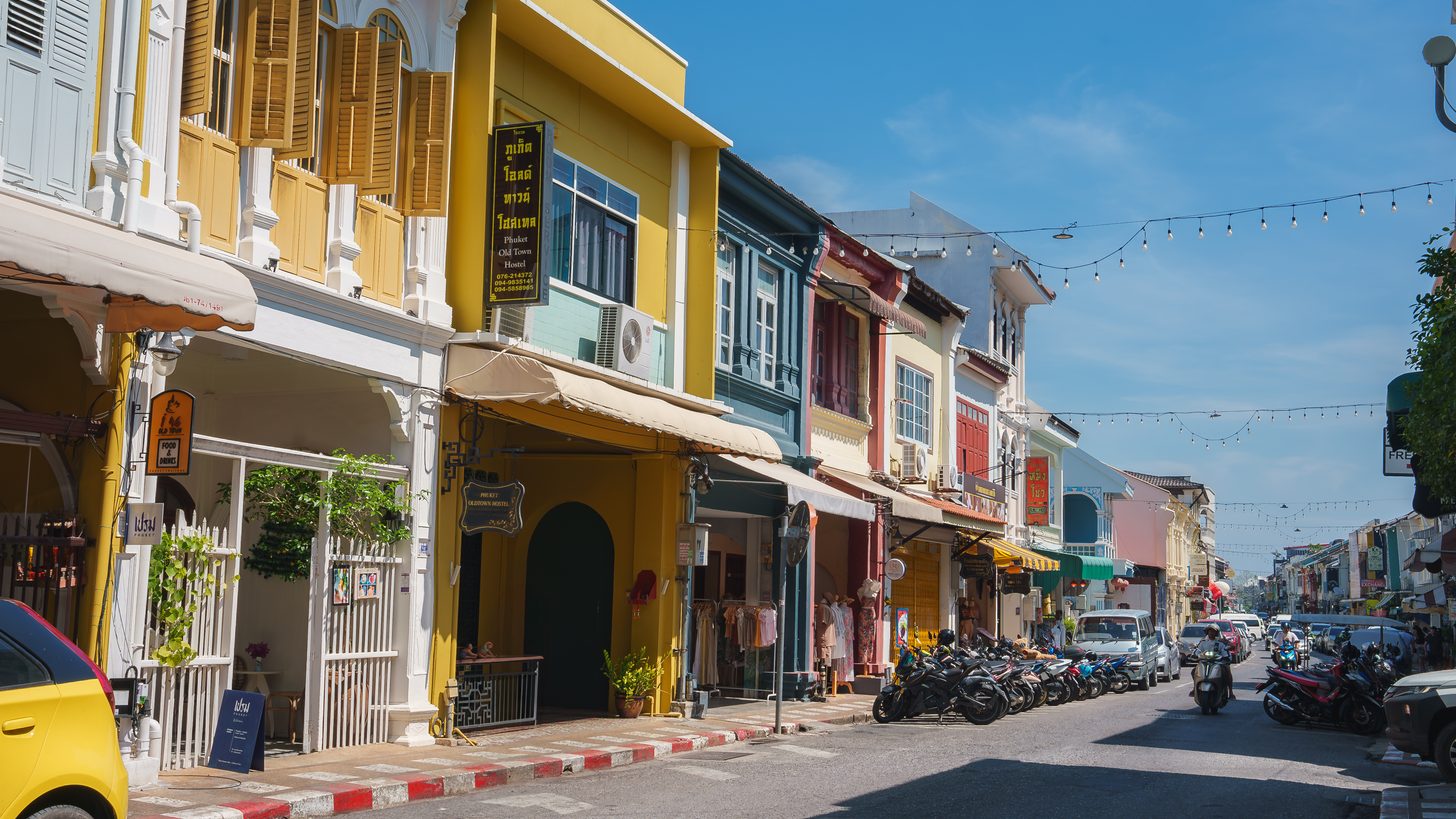
Answer first: Phuket Old Town is the island's culture card — a compact quarter of pastel Sino-Portuguese shophouses built in the 19th-century tin-mining boom, now full of cafés, boutiques, street art, Chinese shrines and Peranakan heritage along Thalang, Dibuk and the photogenic Soi Romanee. For agents whose clients have done the beaches and the boats, it's the half-day of substance that lifts a Phuket itinerary — a short transfer from the west-coast resorts, not a whole excursion day. As a Thailand DMC for travel agents, Explera runs it as a guided heritage-and-food walk with private transfers and a licensed guide, at net rates. Here's how to sell it.
The shophouse streets
Best for: culture-seekers, photographers, café lovers.
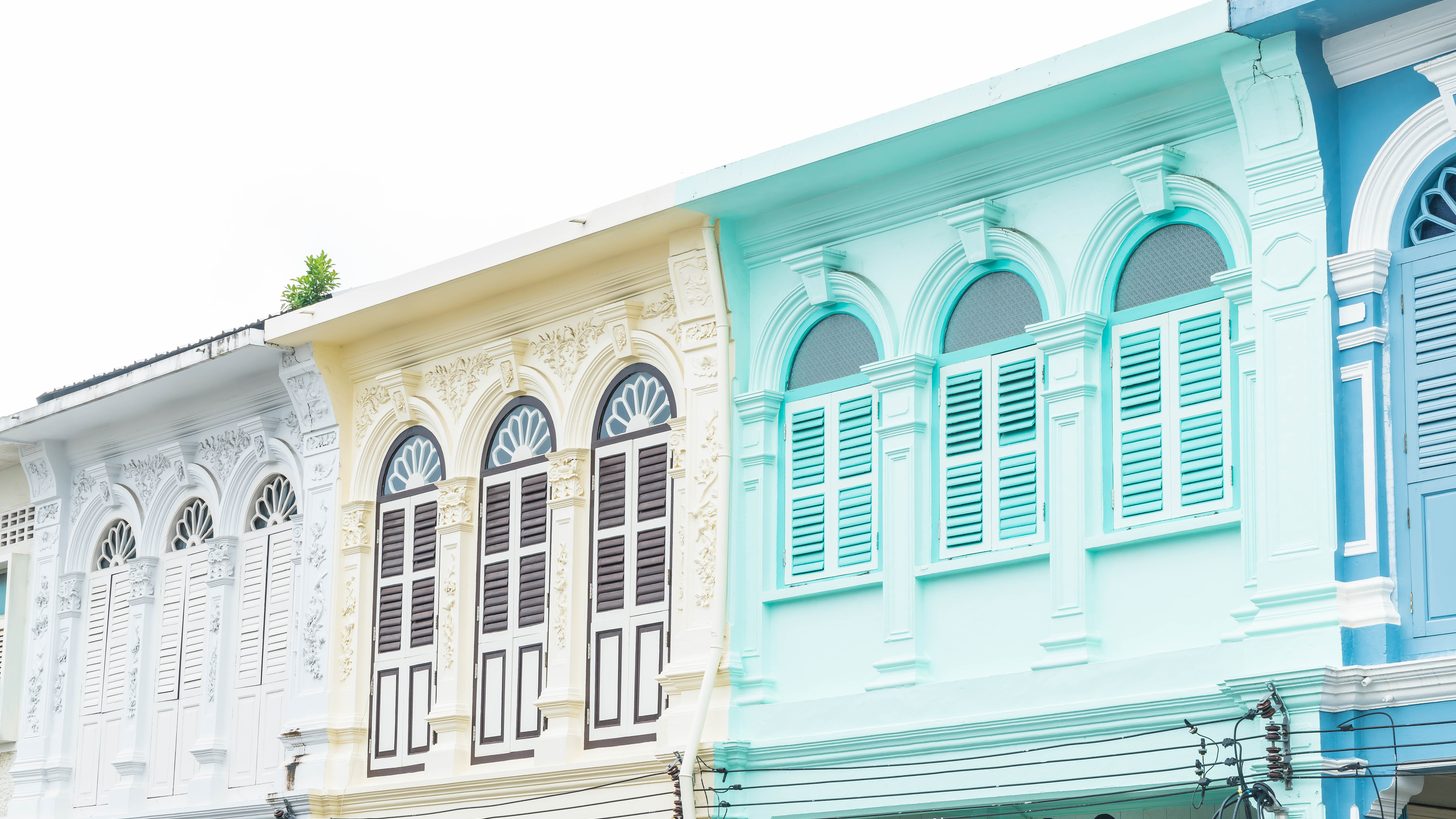
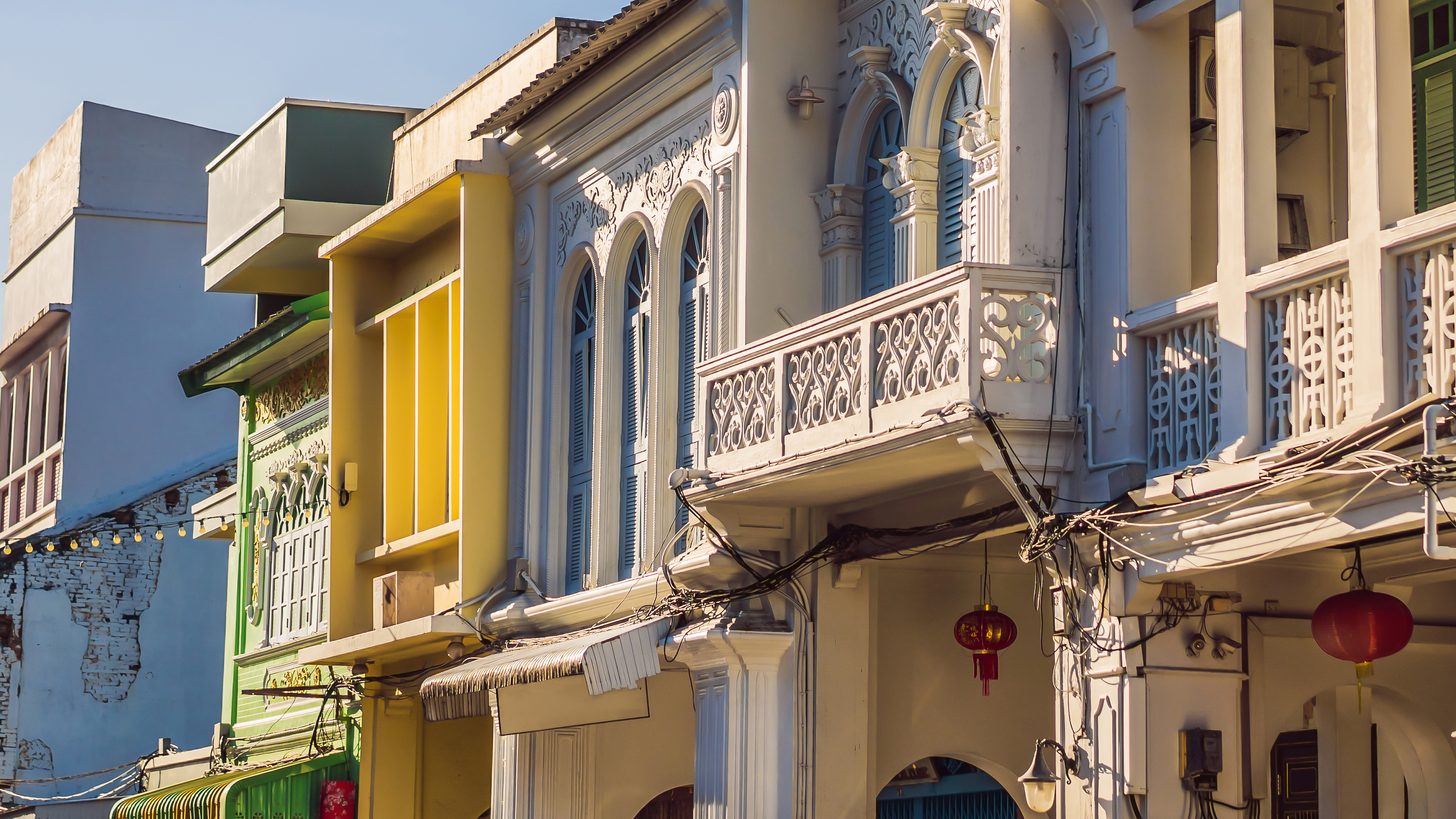
The heart of it is Thalang Road and its side lanes — two-storey shophouses in faded pastels, louvered shutters and arched five-foot walkways, a look Phuket shares with Penang and Malacca and nowhere else in Thailand. Soi Romanee, once the town's raffish quarter, is now its most-photographed lane; Dibuk and Krabi Roads hide the best cafés and boutiques. A licensed guide turns the facades into a story — the tin barons, the Hokkien-Chinese traders, the food culture — which is the difference between a photo stop and an experience.
Peranakan heritage & the shrines
Best for: first-time visitors wanting depth, older clients.
Phuket's soul is Peranakan — the Baba-Nyonya culture of Chinese-Thai families whose mansions, cuisine and the annual Vegetarian Festival still define the town. Heritage museums and preserved mansions explain it, and the working Chinese shrines and temples woven through the streets give the quarter its living, incense-scented atmosphere. It's the context that makes clients feel they've understood Phuket beyond the sand.
Sunday Walking Street & the evenings
Best for: event-led timing, families, foodies.
On Sunday evenings, Thalang Road becomes Lard Yai — the Walking Street — closing to traffic and filling with food carts, crafts and performers under the shophouse lanterns. It's the Old Town at its most alive, and worth timing an itinerary around. Any evening, the cafés-turned-bars and the lantern-lit lanes make a gentle, photogenic contrast to the west-coast beach clubs.
How agents package it
- Sell it as a half-day, not a full excursion — a guided morning or golden-hour walk with a private transfer from the resort.
- Time to Sunday where you can, for the Walking Street.
- Pair with contrast: a beach or island day plus an Old Town half-day is the balanced Phuket week — build the rest from our family or activities options.
- Add a food angle: a guided Peranakan-and-street-food walk is a strong standalone product.
- See all Thailand DMC services and let the trade desk quote the half-day at net rates.
Frequently asked questions
What is Phuket Old Town known for?
Its Sino-Portuguese shophouse architecture from the 19th-century tin boom, concentrated on Thalang, Dibuk and Soi Romanee — a walkable heritage quarter of cafés, street art, shrines and Peranakan culture.
How long do clients need?
A half-day — a guided morning or late-afternoon walk with café and shrine stops. Sundays add the Walking Street night market, worth timing around.
Is it a good contrast to the beaches?
Yes — clients who've had their beach and boat days want a culture half-day, and the Old Town delivers it a short transfer from the west-coast resorts.
When is the Sunday Walking Street?
Sunday evenings on Thalang Road (Lard Yai), when the street closes to traffic and fills with food, crafts and performers.
Can you arrange guided heritage and food walks?
Yes — licensed local guides for the Peranakan history and food culture, with private transfers, as a private half-day or part of a wider Phuket programme.