

What makes a school or university group trip to Thailand different from any other group file? The duty-of-care standard. A leisure group can absorb a scheduling hiccup; a school trip with minors or a university programme with dozens of students under a chaperone's care cannot — every vehicle, guide and itinerary decision has to be made with safeguarding as the first filter, not an afterthought. Thailand is a genuinely strong destination for educational travel — cultural depth, language and volunteering programmes, safe and well-regulated tourism infrastructure — but only when the ground side is built for the standard this segment requires. This guide from a Thailand DMC for travel agents covers what to check before confirming an educational group file. Start with our MICE and group services guide.
Explera is an IATA TIDS-registered ground handler trusted by 340+ agency partners, with in-house transport, licensed guides, 24/7 support and IATA TIDS registration (96215733) — our vehicles and guides for educational groups are briefed to the safeguarding standard the segment requires.
Chaperone ratios and safeguarding — the non-negotiables
Confirm the school or institution's required adult-to-student ratio before building the itinerary, and make sure every vehicle, activity and accommodation booking respects it — a beautiful itinerary that can't maintain supervision ratios isn't a workable one. Ground staff working with minors should be briefed on safeguarding expectations explicitly, not assumed to know them, and every activity involving water, height or physical exertion needs its own specific risk assessment rather than a generic group waiver.
Building an educational itinerary that actually teaches something
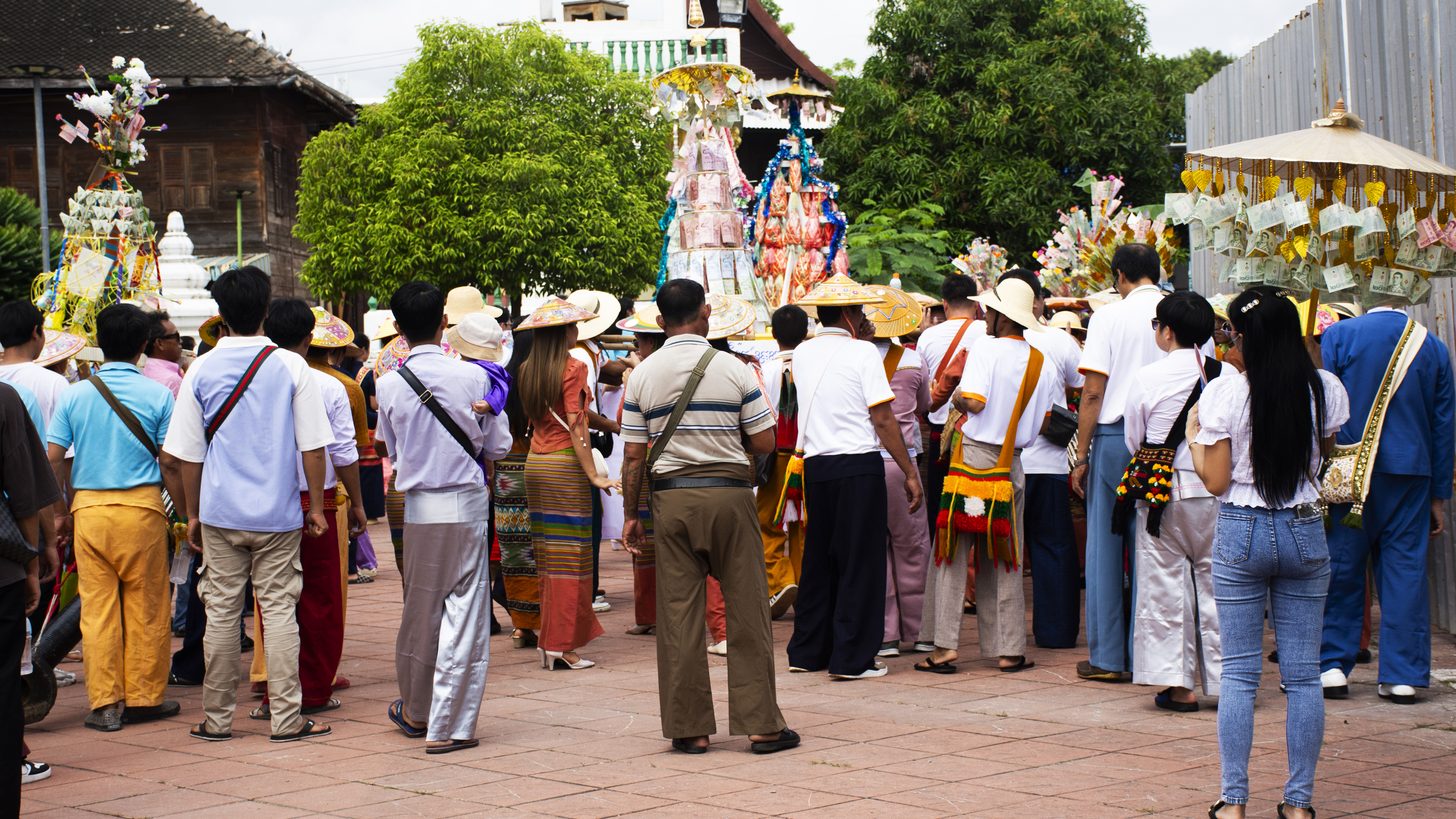
The strongest educational trips pair a genuine learning objective with the activity — a visit to a historical site paired with structured context beforehand, a community or conservation project with real local partnership behind it, a language immersion element that goes beyond a welcome greeting. Thailand's temple complexes, museums, and conservation and community-based tourism projects all support this kind of structured educational framing when the itinerary is built with a teacher or programme leader's learning goals in mind from the start, not bolted on afterward.
Health, safety and communication protocols
Every educational group file needs a clear medical protocol confirmed before departure — nearest appropriate hospital by location, how a medical situation is escalated, and who at the ground operator is the accountable contact around the clock. A shared, offline-accessible contact sheet for every chaperone, and a confirmed check-in rhythm between the group leader and the ground team, catches small issues before they become large ones. Group accommodation should be confirmed against the institution's own safeguarding policy, not just standard hotel safety, particularly for rooming arrangements involving minors.

How to package it — your Thailand DMC for travel agents
Educational groups need a ground partner that treats safeguarding as the starting brief, not a checkbox: the full Thailand DMC services for travel agents confirm chaperone ratios, medical protocols and risk assessments before any activity is booked, with our transport fleet and licensed guides briefed specifically for minors and student groups — tuned to the markets you sell in.
Selling notes for the trade
- Confirm chaperone ratios before building the itinerary, not after — it constrains every subsequent booking.
- Brief ground staff on safeguarding explicitly — don't assume it's understood.
- Pair every activity with a genuine learning objective — it's what separates an educational trip from a leisure one with students.
- Confirm the medical protocol and accountable contact before departure, in writing.
- Check accommodation against the institution's safeguarding policy, not just general hotel standards.
Frequently asked questions
What chaperone ratio is needed for a school trip to Thailand?
It's set by the school or institution's own policy rather than a fixed Thailand rule — confirm the required ratio first and build every vehicle and activity booking to respect it.
What makes a Thailand itinerary genuinely educational rather than just a school holiday?
Pairing each activity with a real learning objective — structured historical or cultural context, genuine community or conservation partnerships, language immersion elements — rather than a standard sightseeing itinerary relabelled for students.
What safety protocols should be confirmed before a student group travels to Thailand?
A clear medical escalation plan with the nearest appropriate hospital identified, an accountable 24/7 ground contact, a shared offline contact sheet for chaperones, and activity-specific risk assessments rather than a generic waiver.
Are Thailand's cultural and historical sites suitable for student groups?
Yes — temple complexes, museums and community-based programmes all support structured educational framing well, provided the itinerary is built around real learning goals from the start.
Give educational groups the ground standard they require — with a Thailand DMC for travel agents that starts from safeguarding. Send us the programme details and we'll return a file built to the right standard.