
Three faiths, three migrations and one riverside lane — Kudi Chin is the most sellable half-day in Bangkok that most agents have never quoted. In a bend of the Chao Phraya on the Thonburi bank, a Portuguese Catholic community settled in the late eighteenth century on land granted after the capital moved from Ayutthaya; Chinese and Muslim communities followed, and all three still live within a few walkable streets. A domed church, a Hokkien shrine, a Thai-styled mosque and a giant riverside Buddha sit within minutes of each other, and a bakery still makes a cake nobody else in Thailand makes. This guide from a Thailand DMC for travel agents sets out what the walk contains, who it suits and how to package it.
Explera is a TAT-licensed ground handler trusted by 4,500+ agency partners, with in-house transport, licensed guides, 24/7 support and IATA TIDS registration (96215733). Reach the trade desk at b2b@explera.co.th.
What Kudi Chin actually is
It is a neighbourhood, not an attraction — which is precisely why it works as a guided product and fails as a drop-off. The Portuguese arrived first, granted land in recognition of their support when Bangkok replaced Ayutthaya as the capital. Chinese migrants added their shrines and their trade; a Muslim community settled alongside. What survives is not a museum reconstruction but a living lane where the church bell, the joss house and the mosque are all within earshot. Conservation and revitalisation work from 2008 onwards turned that survival into something visitors can respectfully walk through, and it is now a recognised cultural-tourism destination rather than a secret.
The four stops that make the walk
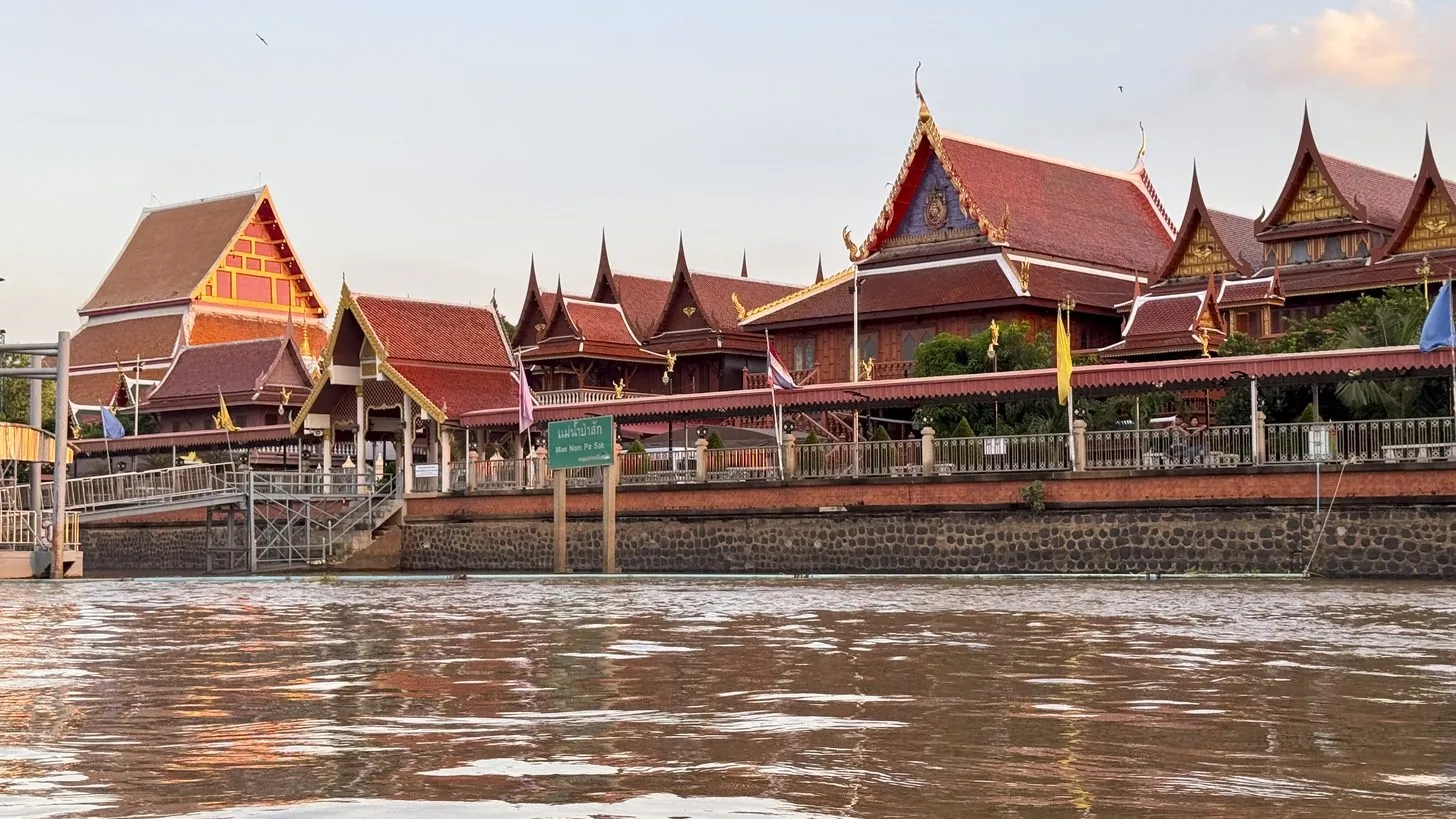
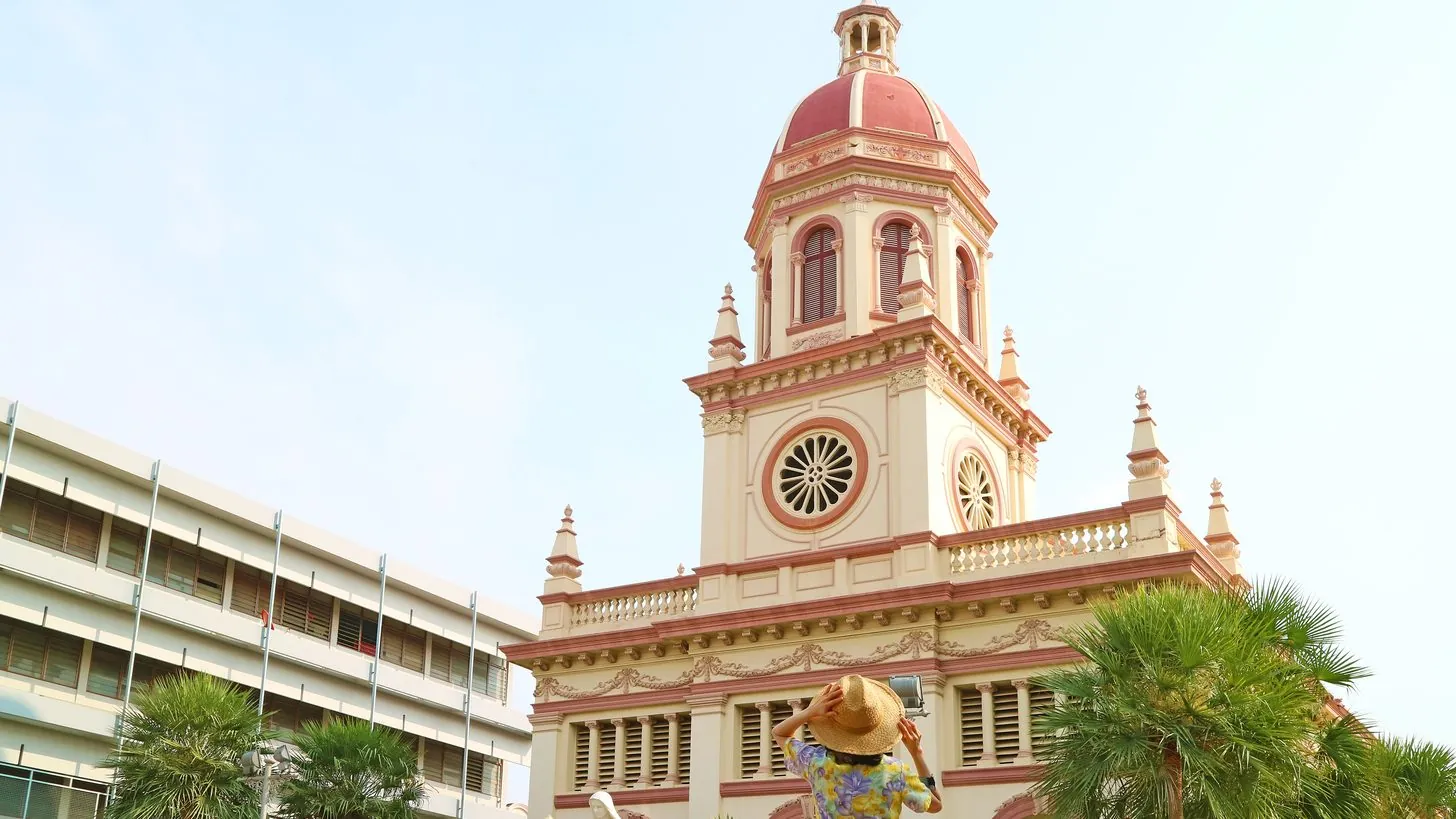
Santa Cruz Church anchors it. A church has stood on the site since around 1770; the present building dates from 1916, designed in Renaissance Revival style by the Italian architects Annibale Rigotti and Mario Tamagno, with a dome that deliberately recalls Florence — and, closer to home, the Ananta Samakhom Throne Hall. Kian Un Keng Shrine is a Hokkien joss house near the riverbank dedicated to Guanyin, among the oldest shrines in Thonburi. Bang Luang Mosque is the outlier that makes the neighbourhood famous among architecture-minded travellers: a mosque built in Thai architectural idiom with Chinese and European touches, unlike anything else. And Wat Kalayanamit, a second-class royal temple on the water, houses the enormous seated Luang Pho To — known in Hokkien as Sam Po Kong and revered by Thai and Chinese Buddhists alike. Bangkok has grander individual sights; it has nothing else with this density of difference.
The cake, and why it matters commercially
Kudi Chin's bakeries still make khanom farang kudi jeen — a cake of wheat, duck egg and sugar, topped with dried fruit, descended from what the Portuguese brought and made nowhere else in Thailand. Do not treat it as a snack stop. For a food-led or culture-led client it is the moment the history stops being a lecture and becomes something they taste, and it gives a guide the narrative hook the whole walk hangs on. The small Baan Kudi Chin Museum does the same job for the domestic detail — how these families actually lived between three cultures. Together they turn a temple circuit into a story.
Who to sell it to
This is not a first-timer's Bangkok. It suits the repeat visitor who has done the Grand Palace and wants something they cannot photograph from a boat; the culture and heritage buyer; food-led travellers; and small private groups where a guide can actually be heard in a narrow lane. It is a natural pairing with our Thonburi khlong tours — arrive by water, walk the lane, leave by boat — and it sits in the same "depth over checklist" register as Talad Noi across the river. It also sells the story TAT is currently telling: exactly the kind of high-value, low-volume product our quality-tourism briefing describes.
Why the lane needs a Thailand DMC, not a map
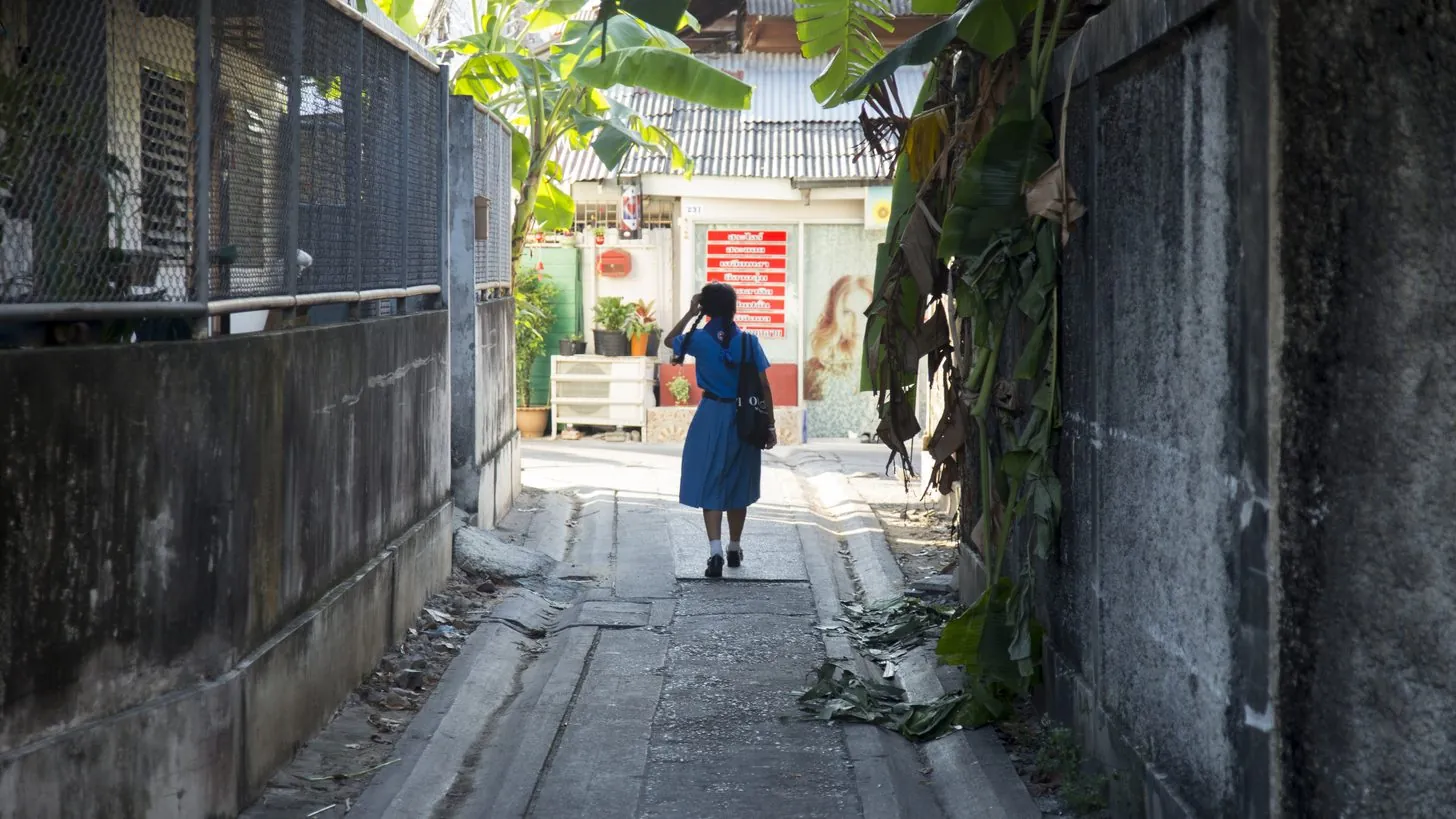
A neighbourhood where people live and worship is the easiest product in Bangkok to get wrong. Active churches, an active mosque and an active temple all have service times and dress expectations; the lanes are too narrow for coaches; the river approach is the good approach and needs a boat arranged rather than hoped for; and the bakeries are family businesses, not a scheduled attraction. That is ground work, and it is what Thailand DMC services for travel agents exist to carry: licensed guides who are welcome in the community and can brief clients before they walk in, in-house transport and pier logistics that put the group at the right landing, and excursion planning that respects a working neighbourhood's rhythm. Expectations differ by market — our source-markets guidance covers what each one needs briefed.
Packaging the half-day
| Element | Why it earns its place | What to arrange |
|---|---|---|
| Santa Cruz Church | The anchor and the Portuguese story | Respect service times; brief dress code |
| Kian Un Keng Shrine | The Chinese layer, riverside and old | Quiet-hours timing, guide-led interpretation |
| Bang Luang Mosque | Thai-idiom mosque found nowhere else | Confirm access and prayer times in advance |
| Wat Kalayanamit | Giant riverside Buddha, Thai and Chinese devotion | Pair with the pier arrival or departure |
| Bakery and community museum | Turns history into something tasted | Small groups only; family businesses |
Selling notes for the trade
- Arrive by river — the boat approach is half the experience and sets up the whole walk.
- Keep the group small — narrow lanes and family bakeries do not absorb a coach.
- Brief before you walk — three active places of worship means dress and quiet expectations, explained in advance.
- Lead with the cake — the Portuguese-descended sweet is the hook that makes the history stick.
- Position it as a second visit — this converts best with repeat clients who have already done the headline sights.
Frequently asked questions
How long does the Kudi Chin walk take?
Half a day is the natural shape, including the river crossing, the four main stops, the bakery and time in the community museum. It can be compressed, but the point of the neighbourhood is the pace — compress it too far and you have simply visited four buildings.
Is it suitable for coach groups?
Not really. The lanes are narrow and much of the appeal depends on being unobtrusive in a working residential community. Small private groups and FIT clients get far more out of it, and are far more welcome. Larger groups are better served by the river-and-temples product elsewhere on the Thonburi bank.
What do clients need to know before visiting?
That they are walking through a living neighbourhood with active places of worship. Shoulders and knees covered, shoes off where required, quiet inside, and photographs of people only with permission. A guide who briefs this in advance is the difference between a welcome group and an awkward one.
What is khanom farang kudi jeen?
A cake made from wheat, duck egg and sugar, topped with dried fruit — descended from what Portuguese settlers brought and still baked by Kudi Chin families. It is made nowhere else in Thailand, which is exactly why it belongs in the itinerary rather than as an afterthought.
Can this be combined with other Thonburi product?
Yes, and it should be. The khlong tours, Wat Prayoon and the wider riverside temple circuit all sit within easy reach, so a half-day at Kudi Chin slots neatly into a fuller Thonburi day. Send the client profile and the date to the Explera trade desk at b2b@explera.co.th and we will build the routing around the tides, the service times and the group size.
Want Kudi Chin in your Bangkok programme? Talk to our trade desk and we will come back with the routing and a tailored quote.