
There is a client who will not book a water festival, and will book two dinners with a water festival attached. Our Chiang Mai Songkran 2027 programme has that client in mind: a French set menu on the Ping river on the arrival night, and a five-course Thai-French tasting with a wine matched to every course on the last full evening. This guide from a Thailand DMC for travel agents is about selling a festival week to a food-led traveller — what the two dinners actually are, why their placement matters, and what to say about the drinks line before it becomes a complaint.
Explera is a TAT-licensed ground handler (TAT licence 14/05119, IATA 96215733) trusted by 4,500+ agency partners, with in-house transport, licensed guides and 24/7 support. Reach the trade desk at b2b@explera.co.th.
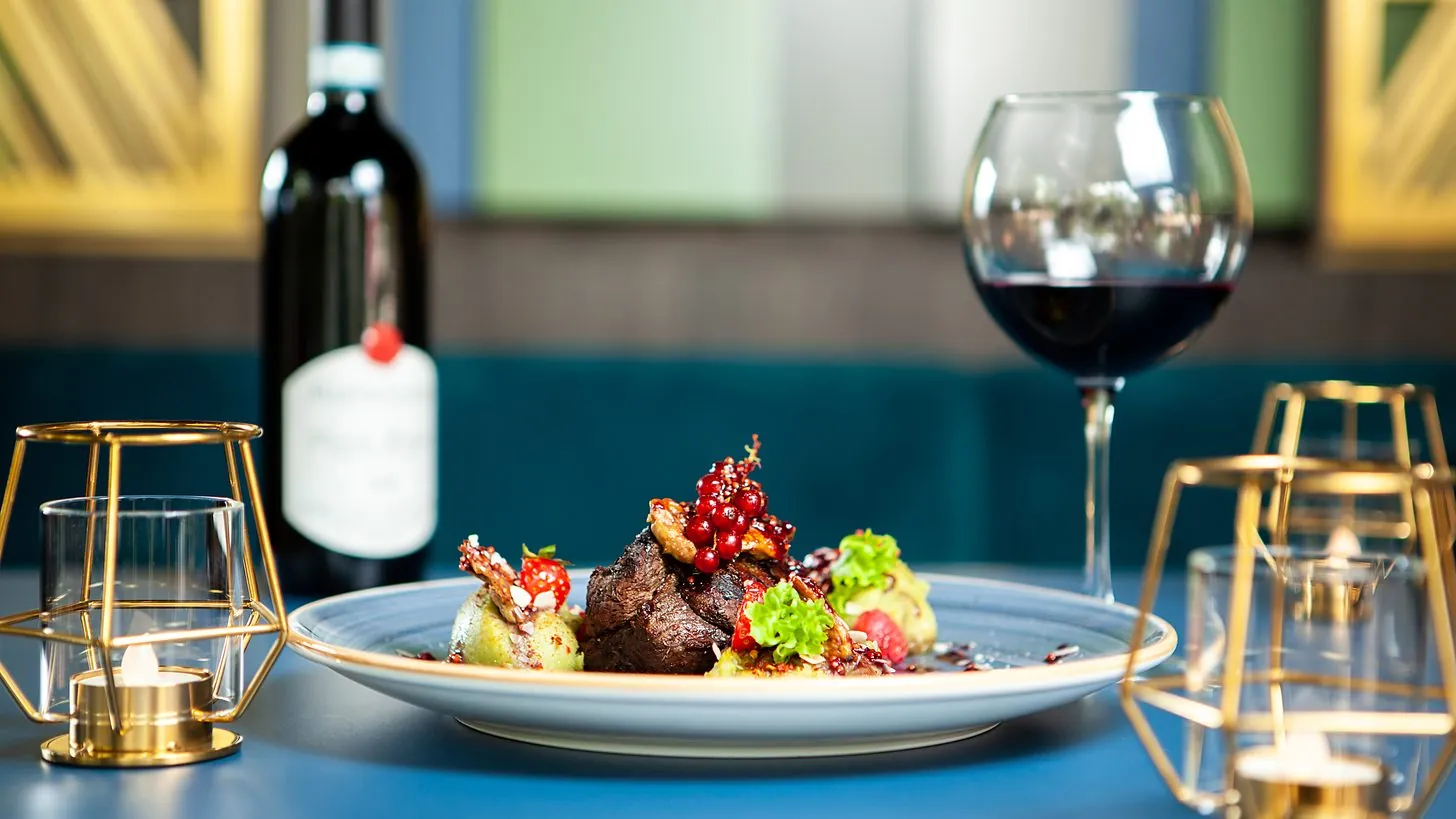
The two dinners, and what is on them
| Arrival night | Last full evening | |
|---|---|---|
| Where | Le Crystal Restaurant, on the Ping river | Oxygen Dining Room, at Cross Chiang Mai Riverside |
| Format | A French set menu, several courses | Five courses of Thai-French cooking |
| Signature | Foie gras with peach and balsamic, or crab, mango and avocado mille feuille | Chiang Mai sai oua, then char-grilled squid noodle, then braised short rib |
| Finish | Green apple parfait or chocolate concorde, petits fours with coffee | Coconut pudding with a late-harvest dessert wine |
| Wine | Not included | A wine matched to each of the five courses, included |
Two very different evenings, deliberately. The first is a classical French menu that steadies a client after a long flight; the second is northern Thai flavour treated with French technique, which is a much more interesting thing to eat and a much harder thing to explain in a brochure.
Why the placement does half the work
Dinner one lands on the arrival night, when a client has flown a long way and wants to be looked after rather than to make decisions. A set menu with a private return transfer is exactly the right amount of effort for that evening, and it starts the week on a high note before the festival takes over.
Dinner two lands at the end of the twelve-hour touring day — dawn balloon, the Mekong, Baan Dam — which is either the perfect ending or one course too many depending on the client. Say which you think it is when you sell it. A food-led client will want it exactly there; a client who is fading will thank you for the warning.
The wine line, said out loud
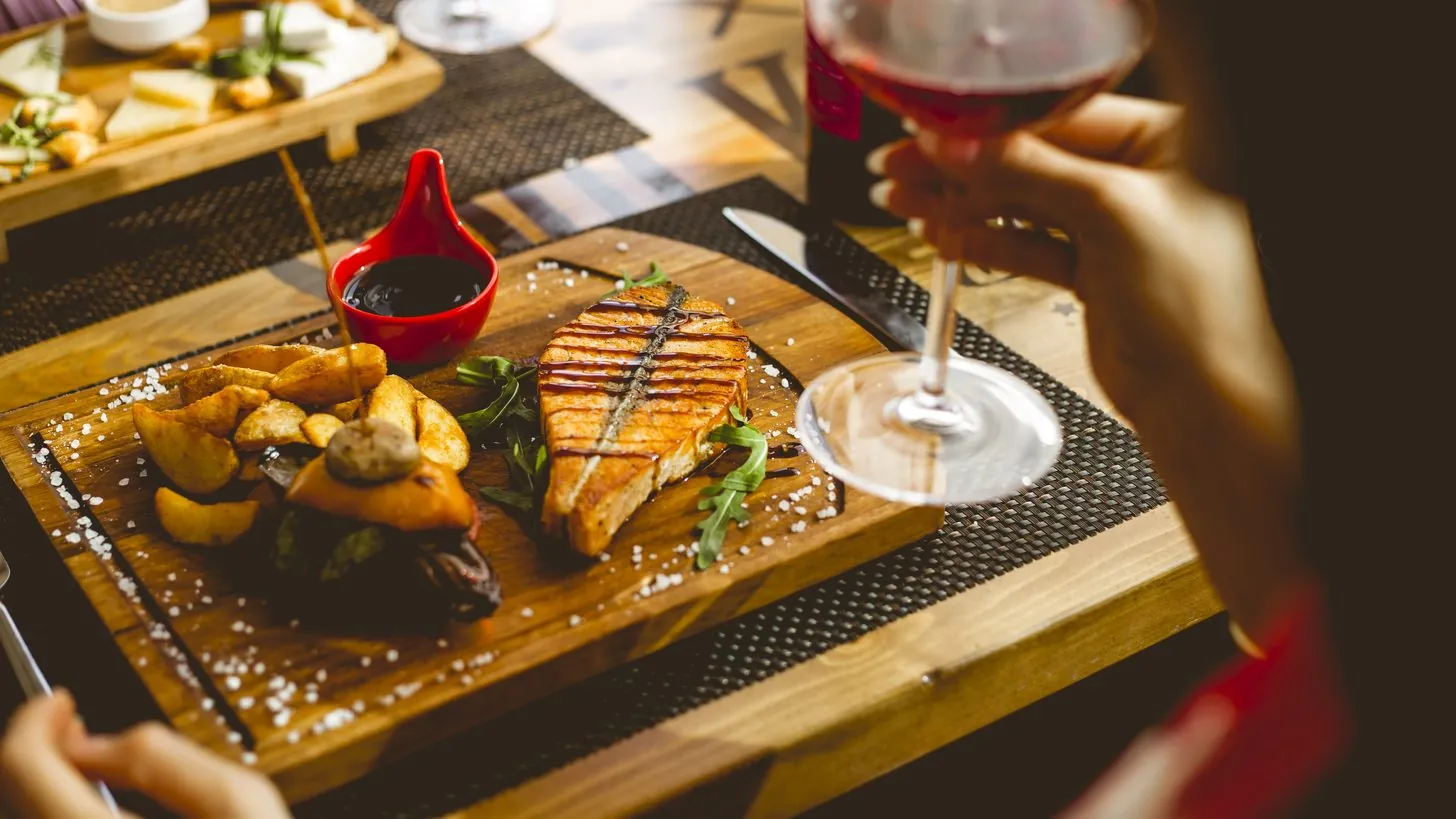
Here is the single most useful sentence in this guide: the wine pairing at the second dinner is included, and beverages with every other meal are not. That is a normal commercial position and it causes no difficulty at all — unless a client discovers it at a table.
Food-led clients drink with dinner. They will order wine on the arrival night, and they should know before they travel that it sits outside the programme. Put it in the proposal in one line next to the inclusions rather than burying it in terms, and the whole subject disappears. Skip it, and it becomes the thing they remember about an otherwise excellent week.
What else this client needs from the week
Two things, and neither is a restaurant. The first is the free days — a food-led traveller in Chiang Mai during Songkran will spend part of them eating their way around the old town, and an unscheduled day is a gift to that client rather than a gap. The second is a reachable ground team: the good places in Chiang Mai are not the ones that appear first in an English search, and a client who can ask for a recommendation on the day gets a better week than one working from a printed list.
Both are already in the programme — days two and three are open by design, and guides and vehicles stay on call through the 24/7 desk. Sell them together and the food angle stops being two dinners and becomes the shape of the trip. Our restaurants and banquets desk handles the bookings that sit outside the package.
Who this version of the week suits
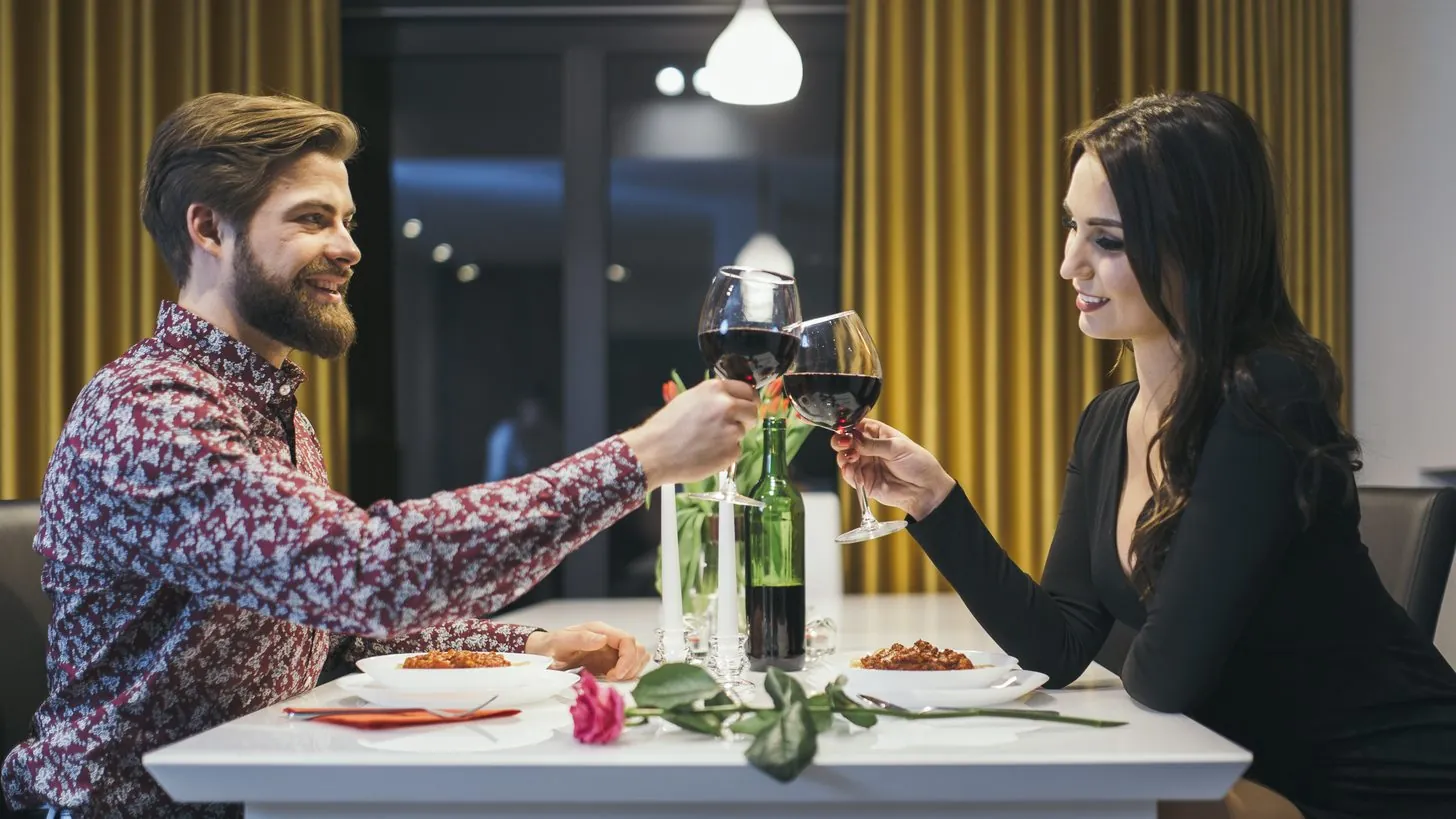
The client who plans holidays around where they will eat, and treats sightseeing as the thing that happens between meals. Couples celebrating something. Repeat Thailand visitors who have done the temples and want the north for its kitchens. Anyone who has an opinion about wine pairing is, by definition, the right client for the second dinner.
It suits less well a client who eats to keep going and would rather have the budget in the room. For them the dinners are a cost rather than a reason, and the file is better rebuilt around a different centre of gravity — which is a two-minute conversation now instead of a disappointed review later.
How to position it to the right client
- Lead with the food, not the festival — for this client Songkran is the setting; the meals are the reason to pick these dates.
- Name the dishes — "a tasting menu" sells nothing; sai oua, short rib and a matched wine sell an evening.
- Flag the wine line once, clearly — included at the second dinner, not elsewhere; one sentence prevents the whole problem.
- Warn about the long day — five courses after twelve hours of touring is either perfect or too much, and the client should choose.
- Sell the free days as eating days — for this client, an unscheduled day in the old town is the point.
- Offer the on-call desk — a recommendation on the day beats a list written three months earlier.
What the ground partner carries here
Tables in the tightest week of the Thai year, and transfers that get a client to them dry. Restaurant space over Songkran in Chiang Mai is not a formality, private return transfers on the arrival night are what make a set menu feel like an occasion rather than an errand, and knowing which kitchens are actually operating normally that week is not something a listing shows. That is the practical content of Thailand DMC services for travel agents: restaurant and banquet arrangements booked rather than hoped for, transfers on our own vehicles for evenings when a taxi is not a plan, and accommodation positioned so the walk home is short.
It is also where a Thailand DMC keeps a food week honest. If a kitchen changes its Songkran hours, the file changes with it and the client hears it from us before they hear it from a closed door. See Chiang Mai for the destination and the packages shelf for the programme in full.
Frequently asked questions
Which meals are included?
Daily breakfast at the hotel, the French set menu at Le Crystal on the arrival night, and the five-course Thai-French tasting menu at Oxygen Dining Room on the last full evening. Other lunches and dinners sit outside the programme, which is worth saying plainly to a client who will eat well every day.
Is wine included?
A wine is matched to each of the five courses at the Oxygen dinner and that pairing is included. Beverages with all other meals are not. Say it once in the proposal next to the inclusions and it never becomes a conversation at a table.
Is the second dinner too much after a twelve-hour day?
For some clients, yes. The touring day starts with a 05:30 balloon pickup and runs up to twelve hours before that dinner. A food-led client will want it exactly where it is; anyone else should hear the shape of the day before they book so the choice is theirs.
Can we add more restaurants?
Yes — the free festival days are open by design and additions can go into the file at any point before travel. For a food-led client that is the strongest part of the week, because Chiang Mai's best kitchens are not the ones that surface first in an English search.
Are dietary requirements handled?
Yes, but they need to be on the file rather than mentioned on the night. Both dinners are fixed menus, so a substitution is a kitchen conversation held in advance. Send requirements with the booking and they are arranged before travel.
How do we quote it for a food-led client?
Send dates, pax, dietary requirements and whether they want extra restaurant bookings on the free days to b2b@explera.co.th. The programme is quoted per brief, so the eating side can be built up without changing the rest of the week.
Selling Songkran 2027 to a client who travels for the food? Talk to our trade desk and we will come back with the routing and a tailored quote.