

Two questions come back on every Chiang Mai enquiry for April, and an agent who answers them well wins the booking from the one who deflects. They are: how hot is it, and what about the smoke? Both have honest answers, both are manageable, and neither is a reason to avoid the dates our Chiang Mai Songkran 2027 programme runs on, 12–16 April 2027. This guide from a Thailand DMC for travel agents sets out how to answer both without overclaiming, and what the programme's own shape already does about them.
Explera is a TAT-licensed ground handler (TAT licence 14/05119, IATA 96215733) trusted by 4,500+ agency partners, with in-house transport, licensed guides and 24/7 support. Reach the trade desk at b2b@explera.co.th.
The heat question, answered plainly
April is the hottest part of the Thai year, and northern Thailand is properly hot in it — this is the peak of the hot season, before the rains arrive. That is not a caveat to bury; it is the reason Songkran exists when it does. A new-year festival built around throwing water at each other is a response to the weather, and clients who understand that stop experiencing the heat as a problem with the trip.
What it means practically is the shape of a day rather than the choice of destination: things happen early or late, the middle of the day is for shade and water, and a hotel you can retreat to matters more than in December. The programme is built that way already — the balloon is at dawn, the festival days are unscheduled so nobody is marched anywhere at two in the afternoon, and the base is walkable.
The air question, answered honestly
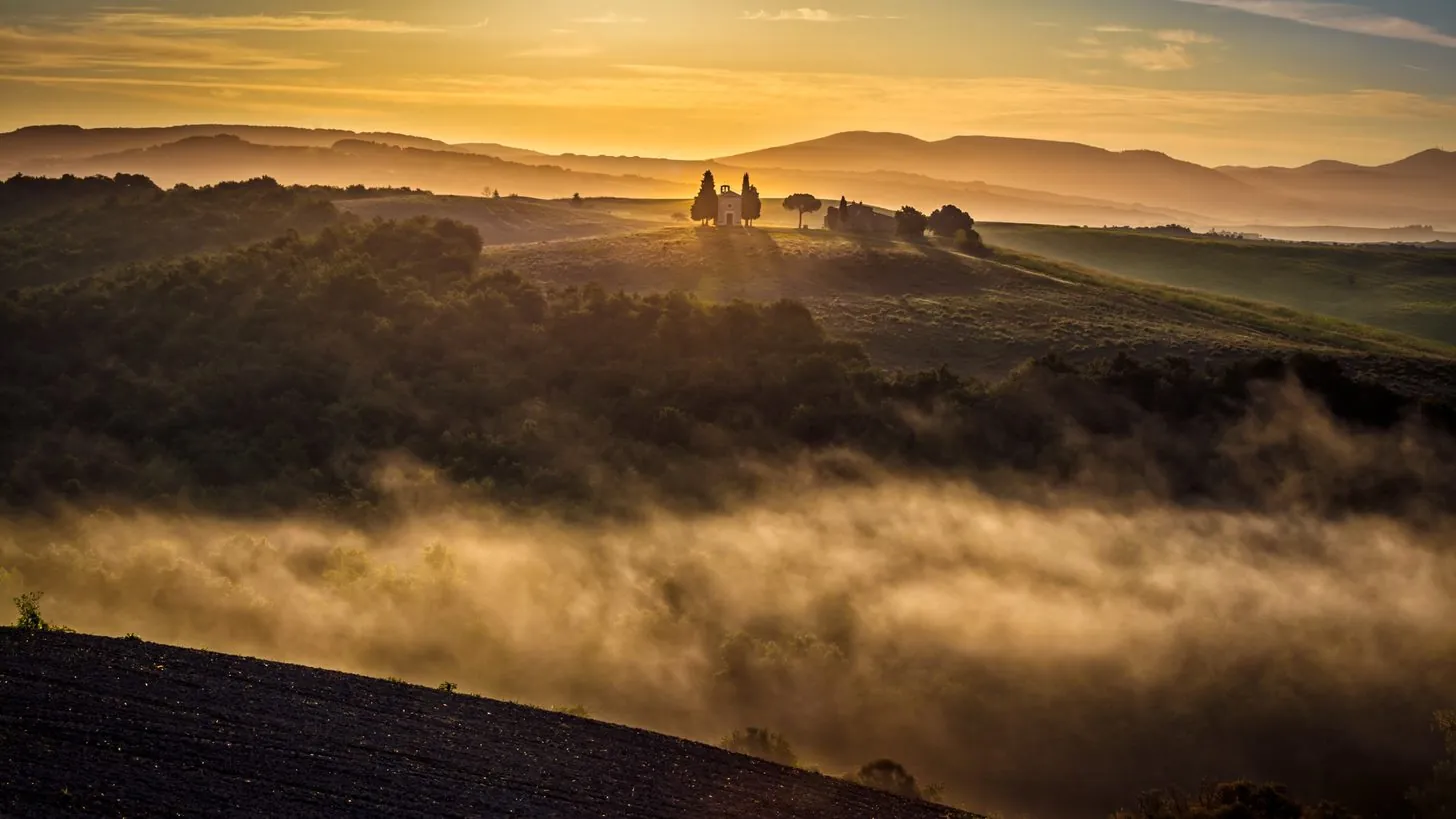
Northern Thailand has an agricultural burning season in the first months of the year, and air quality in Chiang Mai can be poor during it. That is a real thing, it is well documented, and pretending otherwise costs an agency its credibility the moment a client searches for it themselves.
The honest framing has three parts. It varies enormously year to year and week to week, so no one can tell you in August what a specific week in April will be like. Conditions typically improve as the season turns and the first rains arrive, which is why mid-April tends to be better than early March — but "tends to" is the strongest claim anyone can make. And it is checkable: public air-quality readings are published daily, so a client with a specific concern can look at live data before travel rather than relying on a promise.

How to answer without overclaiming
| Client asks | Weak answer | Better answer |
|---|---|---|
| "Is it very hot?" | "It's warm" | "It's the hottest month — which is why the festival is a water festival. Here's how the days are built around it" |
| "What about the smoke?" | Silence, or "it's fine" | "There is a burning season in the north. It varies a lot, mid-April is usually past the worst, and it is publicly checkable before you travel" |
| "Can you guarantee clear air?" | "Yes" | "No, and neither can anyone else. Here's what we can tell you and where to look" |
| "Should we go somewhere else?" | Defensive | "If clear mountain air is the point of the trip, yes — different month. If Songkran is the point, this is where it is" |
The pattern is the same in every row: name the thing, size it, and hand the client a way to check. Clients do not need a guarantee; they need to feel that the person selling them the trip is not managing them.
Which clients need a different answer
Anyone with asthma or a significant respiratory condition should have this conversation properly rather than in passing, and should be looking at live readings close to travel. So should families with very young children, for whom the calculus is different from two adults who will be outside for two days by choice.
For those clients the honest options are a different month for the north, or the same dates somewhere else — the festival is national, and the coasts have a different air profile entirely. Saying that costs you nothing and it is the reason they come back to you next time. Our Songkran selling guide covers the city choice in more depth.
What the programme's shape already does about it
More than it advertises. The dawn balloon is at the coolest, usually clearest hour of the day. The two festival days are unscheduled, so nobody is walking a client through a temple complex in the afternoon heat. The touring day is by air-conditioned van rather than on foot. The base is walkable, so retreating indoors is always available. And a midday check-out on the last day means no client is standing outside with luggage at the wrong hour.
None of that was designed as a weather mitigation and all of it functions as one, which is generally what a well-built festival week looks like. See Chiang Mai for the destination behind it.
What to put in writing
- Name April as the hot season — it is, and the festival is the response to it.
- Mention the burning season proactively — a client who finds it themselves trusts you less.
- Never guarantee air quality — nobody can, and the promise is what creates the complaint.
- Point at live data — publicly published readings let a client check for themselves close to travel.
- Ask about respiratory conditions — once, early, in the same breath as dietary requirements.
- Offer the alternative — different month for the north, or the same dates on a coast.
What the ground partner carries on conditions
Current information rather than seasonal generalities, and the willingness to give it straight. What a week actually looks like on the ground is something an operator in Chiang Mai knows and a brochure does not, and the useful version of that is a specific answer close to travel rather than a reassuring one in August. That is part of what Thailand DMC services for travel agents are for, alongside air-conditioned transport on our own fleet, accommodation chosen so a retreat is always a short walk, and 24/7 support if a client's circumstances change during the trip.
It is also where a Thailand DMC should be willing to talk an agent out of a booking. If the client's requirement is clear air, April in the north is the wrong answer and there is no proposal that fixes it — and the operator who says so is the one worth calling next time. The programme sits on the packages shelf.
Frequently asked questions
How hot is Chiang Mai in April?
April is the hottest part of the Thai year and the north is properly hot in it — this is the peak of the hot season before the rains. It is also exactly why Songkran happens when it does. Build the day around it: early starts, shaded middles, and a base a client can retreat into.
What about the burning season and air quality?
Northern Thailand has an agricultural burning season in the first months of the year and Chiang Mai's air can be poor during it. It varies enormously year to year, conditions typically improve as the season turns and the rains approach, and readings are published publicly so a client can check live data before travel. What nobody can do is guarantee a given week in advance.
Should clients with asthma avoid these dates?
They should have the conversation properly rather than in passing, and check live readings close to travel. For a client whose requirement is genuinely clear air, the honest answer is a different month in the north or the same dates on a coast — the festival is national, and the coasts have a different profile.
Does the programme do anything about the conditions?
Its shape does, whether or not it was designed to. The balloon is at dawn, the festival days are unscheduled so nobody is marched through the afternoon heat, the touring day is by air-conditioned van, the base is walkable, and check-out is midday rather than dawn.
Is mid-April better than March?
It tends to be, because it sits later in the season and closer to the first rains. "Tends to" is the strongest claim available — the variation between years is large enough that a specific promise about a specific week is not something anyone can honestly make.
How do we get a current read before we quote?
Ask the trade desk at b2b@explera.co.th close to travel rather than at the point of enquiry. A specific answer about the week in question is worth more to your client than a seasonal generality written months earlier.
Answering April questions on a Songkran enquiry? Talk to our trade desk and we will come back with the routing and a tailored quote.