
Songkran is the hardest major festival in Asia to photograph well, because the thing that makes it famous is also the thing that destroys cameras. Water is thrown at everyone, indiscriminately, for three days. Clients who travel to make images — photographers, content creators, anyone whose trip has a deliverable attached — need a different itinerary from clients who travel to join in. This guide from a Thailand DMC for travel agents covers what those clients actually need, and how to build the Chiang Mai Songkran 2027 programme around them.
Explera is a TAT-licensed ground handler (TAT licence 14/05119, IATA 96215733) trusted by 4,500+ agency partners, with in-house transport, licensed guides and 24/7 support. Reach the trade desk at b2b@explera.co.th.
The short answer
Sell them the mornings. The photographable Songkran — the ceremony, the temple, the light, the faces — happens early, before the street throwing builds. By mid-afternoon the city is a water fight and there is nothing to shoot that a phone in a dry bag cannot capture. A content-led client who sleeps late will conclude the festival was unphotographable, and they will be right about their own trip.
What these clients are really buying
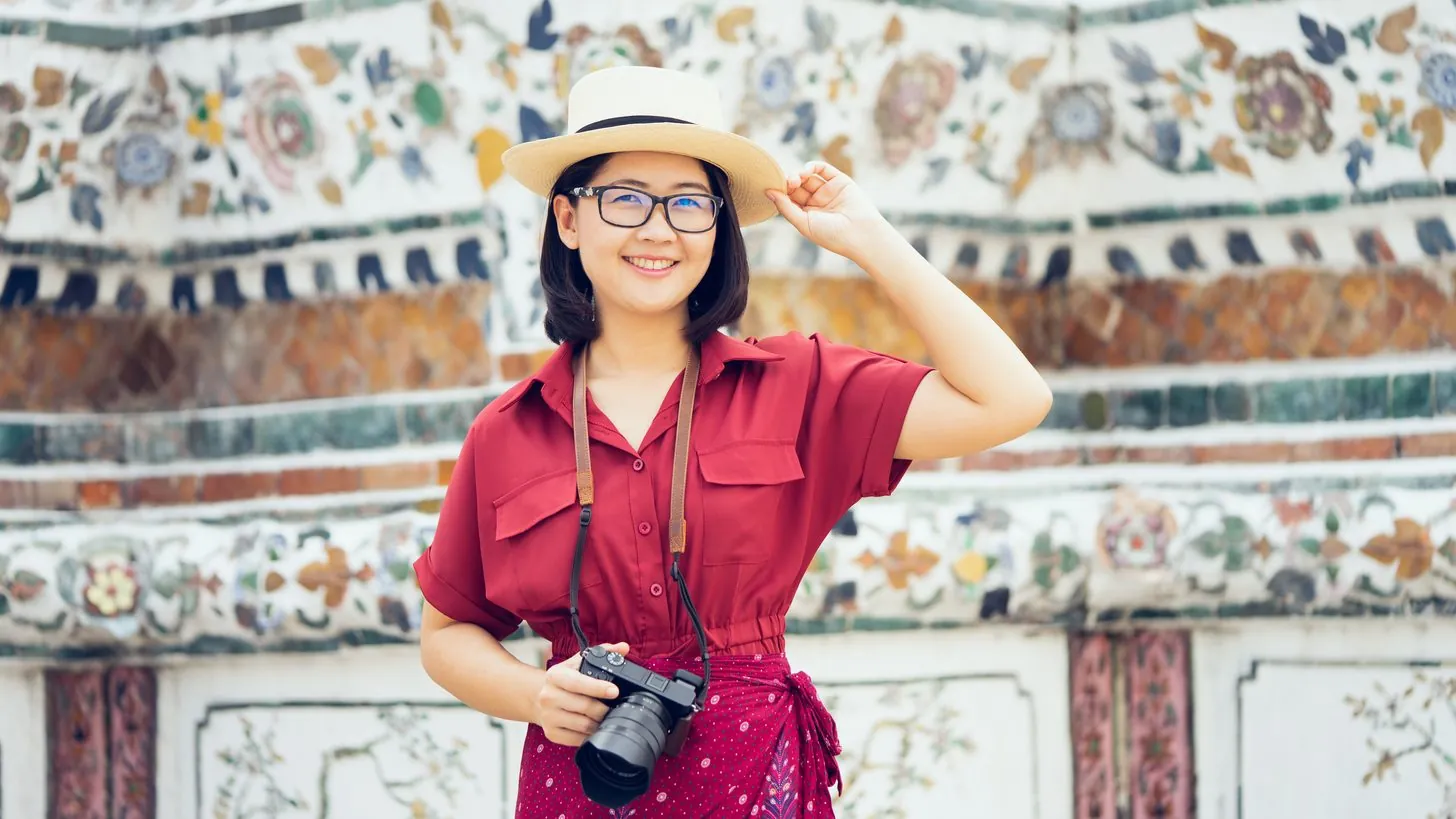
A content-led traveller is not buying access to a party. They are buying three things, and it is worth naming them on the quote:
- Time of day. Early starts, repeatedly. The 6am temple is the trip.
- Proximity without intrusion. Being close enough to make an image, with someone present who can tell them when not to.
- Somewhere dry to work. A base to back up cards, charge batteries and dry equipment between sessions.
None of those are exotic requests, but all three fail by default on a standard festival itinerary built around afternoon participation.
The water problem, stated honestly
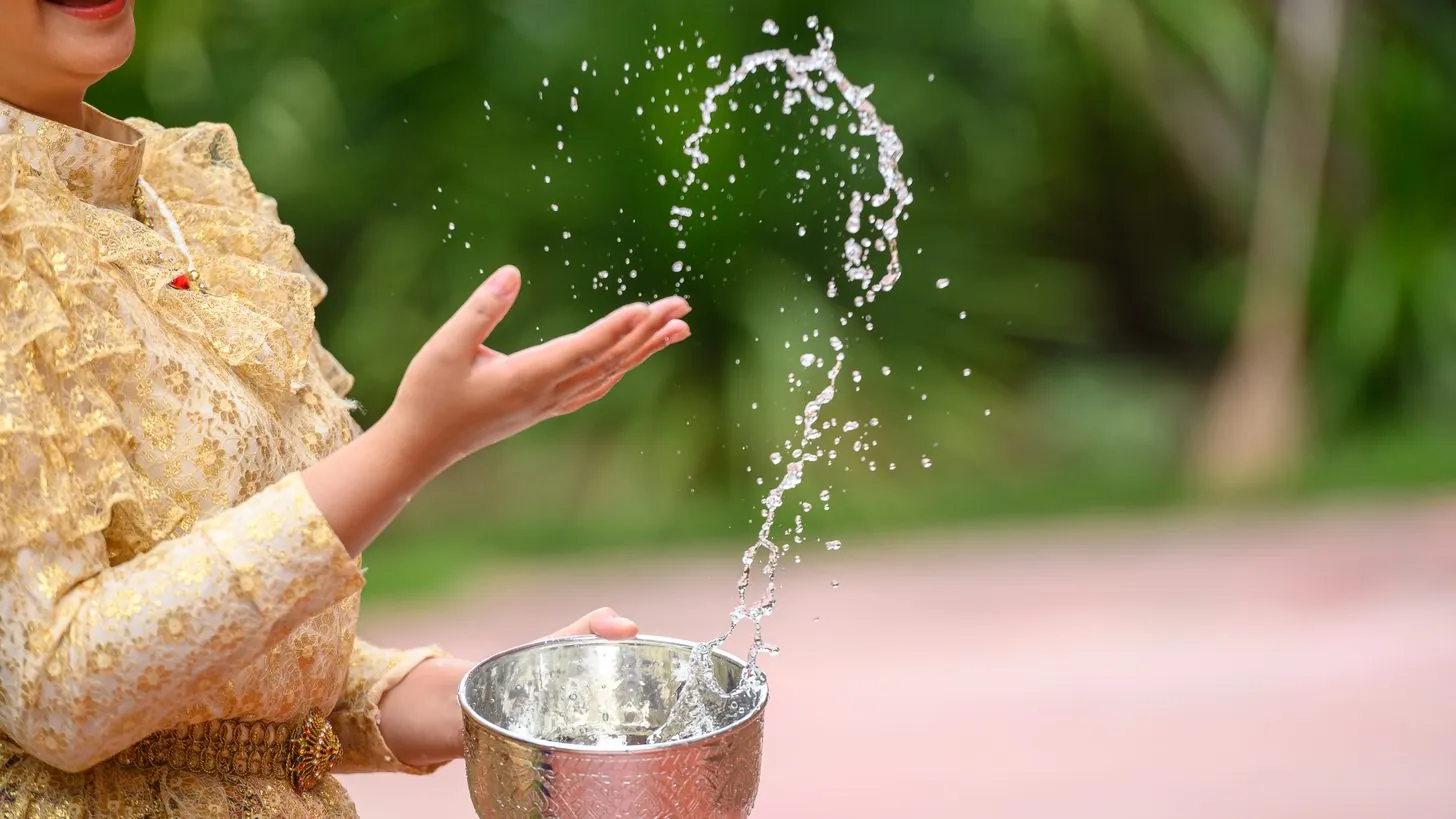
Set expectations before the client packs. During the statutory days of 13–15 April, anyone on a public street in central Chiang Mai will be soaked, and that includes anyone visibly carrying a camera. Being a professional confers no exemption and asking for one reads badly. The workable positions are:
- Shoot early, from inside temple grounds, where the throwing is restrained and the ceremony is the subject.
- Shoot the street with equipment you are willing to lose, properly housed, accepting that the day ends when the housing fails.
- Shoot from a fixed elevated position — a balcony, an upper floor — where the crowd is the subject and the lens stays dry.
Where the client sleeps determines whether that third option exists at all, which is why accommodation position matters more for this client type than for almost any other.
The permission question, which most itineraries skip
Songkran's core is religious. The water is a blessing before it is a game. A client pointing a long lens at someone's grandmother receiving a blessing is not doing something illegal, but they may be doing something unwelcome — and they will usually have no idea. A licensed guide who can read the room and say "not this one" is the difference between a respectful set of images and a client who is quietly resented all morning.
This is a real service, not a nicety. Our licensed guides brief content-led clients on the ceremony before the first temple visit: which moments are public, which are family, when to ask, and how. It costs twenty minutes and changes the entire character of what the client comes home with.
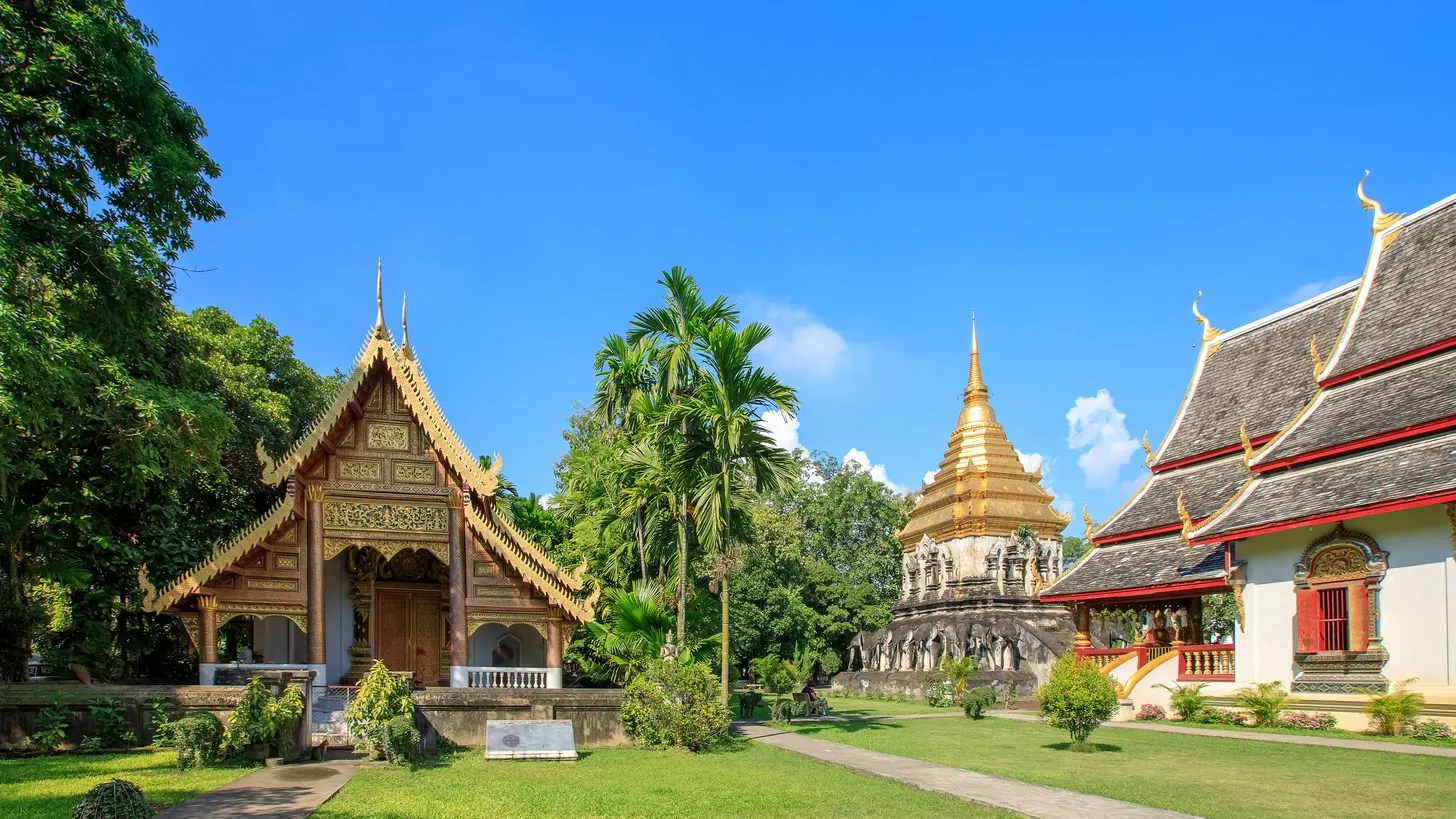
Building the day around the light
A working shape for the statutory days, which a Thailand DMC for travel agents can hold against the client's own rhythm:
- Early morning — temple, ceremony, alms. Low sun, few crowds, the images that justify the trip.
- Late morning — the street as it builds, while it is still good-humoured and sparse enough to compose in.
- Afternoon — back to base. Back up, dry out, sleep. Nothing is lost; there is nothing to shoot.
- Golden hour — back out, to the moat or an elevated position, for the day's second usable window.
Private transport matters here in a way it does not on other files: a content-led client moves with heavy, delicate bags on roads that are closed, wet and crowded. Our Thailand DMC transport team works the closures rather than fighting them, and the vehicle doubles as the dry room between sessions.
The quieter days either side
The most useful advice for this client is often to extend. The days before 13 April and after 15 April in Chiang Mai are dry, calm and full of the material a festival week cannot give: markets, crafts, portraits, the mountains behind the city. Content-led clients rarely have enough non-festival frames to build a coherent set, and the fix is one or two nights on either end rather than a longer festival.
How to position it when you sell
Say the hard part first. A client told plainly that afternoons are unshootable and mornings are extraordinary will trust the rest of the itinerary. A client sold "capture the world's biggest water fight" will arrive with the wrong equipment and the wrong schedule, and no amount of ground service recovers that. Explera DMC Thailand builds these files around the client's working day rather than the festival's headline, and the trade desk will shape one against your client's brief and dates.
Frequently asked questions
Can a client bring professional camera equipment to Songkran?
Yes, with planning. Temple mornings are straightforward. Street shooting during the statutory days needs proper housing and an acceptance that water will find a way in. Advise a client to bring one body they are prepared to risk and to keep the rest dry at base.
When during the day is Songkran actually photographable?
Early morning is the best window by a wide margin — the ceremony, the light and the calm all coincide. Golden hour gives a second, busier window. The middle of the afternoon is a water fight, and worth planning as rest rather than shooting time.
Is it acceptable to photograph the religious parts of Songkran?
Generally yes in public temple areas, but it depends on the moment, and the boundary is not obvious to a visitor. This is exactly what a licensed guide is for — a short briefing before the first temple visit, and someone present to signal when a moment is family rather than public.
Can clients fly a drone over the festival?
Assume not. Thailand regulates drone use and registration, urban festival crowds are the least permissive environment in the country, and an unregistered flight over a packed moat is a serious problem rather than a fine. If a client's brief depends on aerials, raise it with the trade desk at the enquiry stage rather than on arrival.
How many extra nights should a content-led client add?
One or two on at least one side, and ideally both. The festival gives three intense days of similar material; the quiet days either side give the range that makes a publishable set. It is the single change that most improves what this client type takes home.