

Two hours at each end of a Thailand trip do more damage to a client's impression than anything in the middle of it. Long-haul flights land in Bangkok at six in the morning and leave at midnight, while hotels check in at two and out at eleven — so a well-built itinerary still contains a dead morning at the start and a dead afternoon at the end unless somebody has deliberately dealt with them. This guide from a Thailand DMC for travel agents covers what those gaps actually cost, the four ways to close them, and which one to sell to which client.
Explera is an IATA TIDS-registered ground handler (96215733) trusted by 340+ agency partners, with in-house transport, licensed guides and 24/7 support. Reach the trade desk at b2b@explera.co.th.
The short answer
Price the first night from the night before arrival, not from the arrival date, whenever the flight lands before about nine in the morning. It is the simplest fix, the client understands it immediately, and it removes the single most common first-day complaint — arriving exhausted and being told the room is not ready. At the other end, decide the departure day deliberately rather than letting checkout decide it.
What the gap actually costs
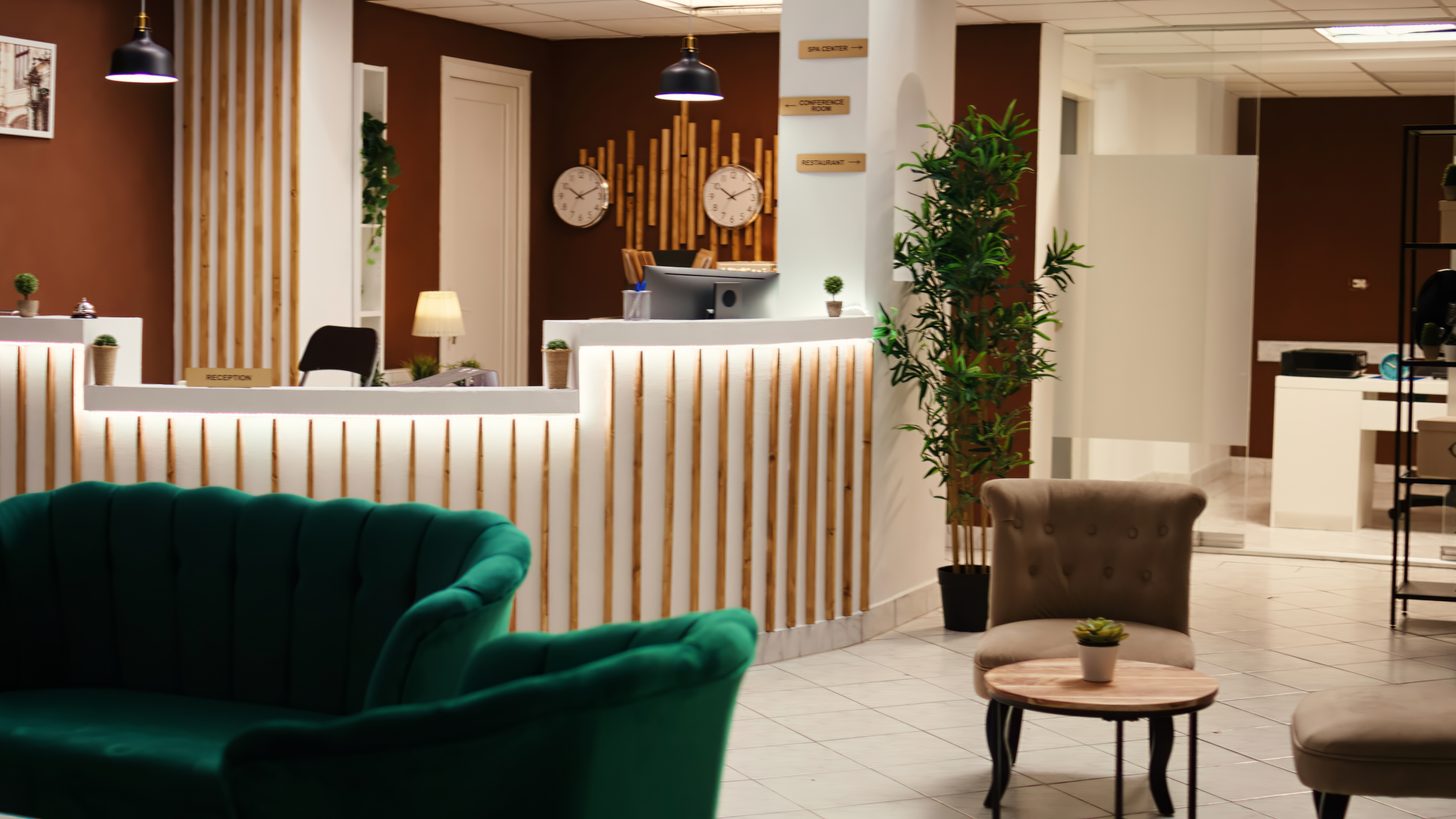
A European or Gulf arrival typically lands between 05:30 and 08:00. Standard check-in is 14:00. That is six to eight hours after a night without sleep, with luggage, in the heat. What clients do with that time when nobody has planned it: sit in a lobby, pay for a day room at the rack rate on the spot, or start the holiday tired and unhappy. All three are avoidable and only one of them is expensive.
The departure end is less painful but more wasteful. An 11:00 checkout against a 23:55 flight leaves twelve hours, and a client who spends them in a hotel lobby has effectively lost a day of the trip they paid for.

The four ways to close it
- Book the night before. The room is yours from the moment the client lands. Cleanest, and the only one that guarantees a bed at 7am.
- Guaranteed early check-in. Available at many properties as a confirmed arrangement rather than a request — but it has to be contracted in advance, not asked for at the desk.
- A day room or a hospitality suite. Sensible for groups, where somewhere to shower and regroup matters more than individual beds.
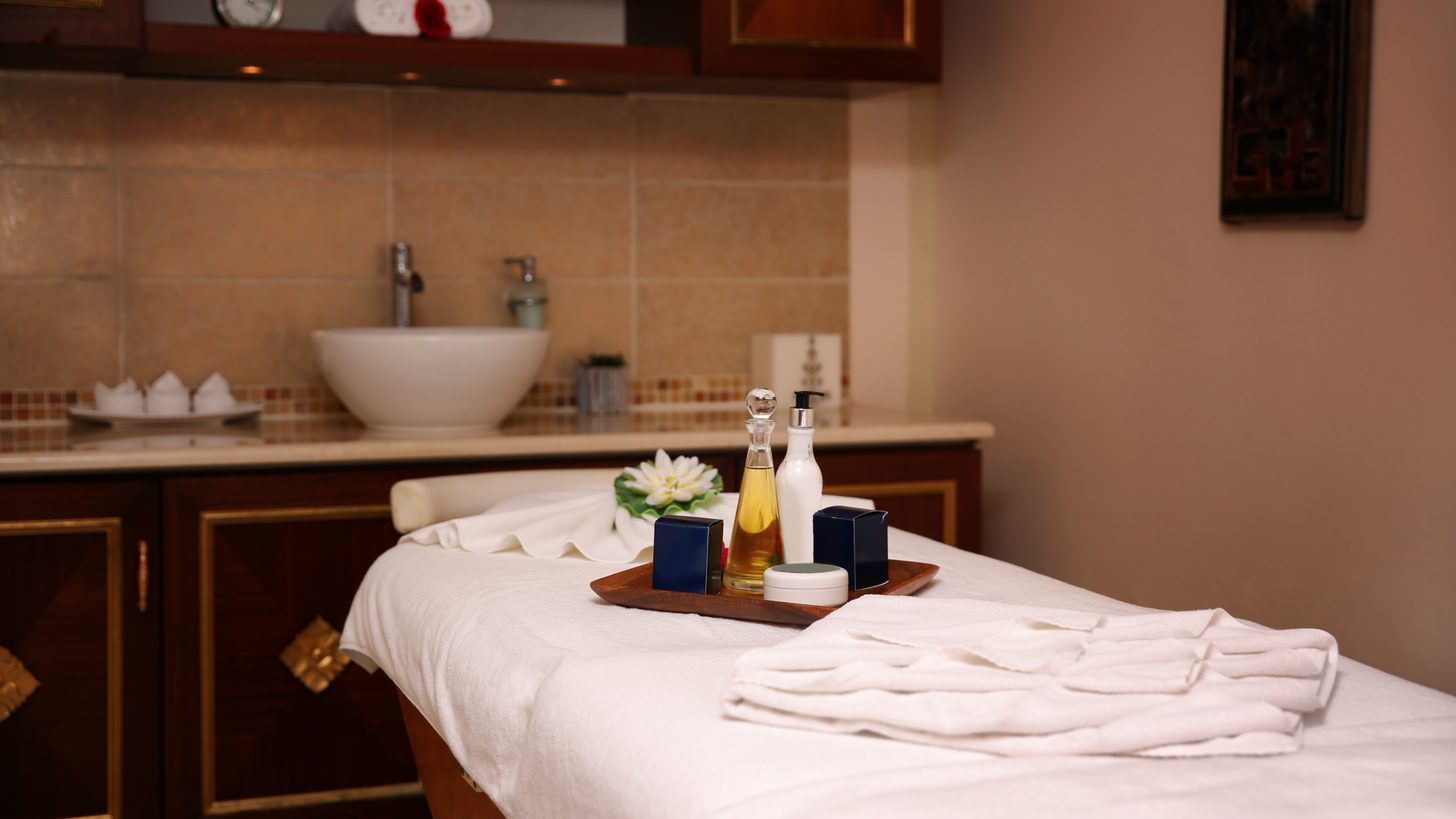
- Fill the gap deliberately. A breakfast, an early temple round before the heat, or a spa hour beats a lobby — and for the departure end it turns a dead afternoon into the last good memory of the trip.
Which to choose is a client question rather than a cost question. Families with young children need the room. Couples on a short trip usually prefer the programme. Groups almost always want the suite.
The departure day nobody plans
The late-checkout gap is the better commercial opportunity of the two, because it is the one clients have not braced for. Options that work: a late checkout contracted in advance rather than requested on the day; luggage held while the group does a final half-day; a spa or lunch programme ending with a direct airport transfer. Our tours and activities team builds these as half-days that end at the terminal rather than back at the hotel, which is the detail that makes them work.
The transport piece matters more than it looks. A group checked out of its rooms with bags in the vehicle needs the vehicle to stay with them, which is a different arrangement from two point-to-point transfers. Our Thailand DMC transport team quotes it as a held vehicle for exactly that reason.
What to ask before you quote
- What time does the inbound actually land, and the outbound leave? Not the dates — the times. The whole question lives there.
- Is anyone in the party a child, elderly, or mobility-limited? If so, the night before is not an upsell, it is the itinerary.
- Is the last day already sold as free time? If it is, the client has been sold a lobby.
For how this interacts with hotel contracting across Bangkok and the beach destinations, our hotel booking desk holds the early-check-in arrangements alongside the room block. Explera DMC Thailand prices both ends of the trip as part of the programme, and the trade desk will shape it around the actual flight times. The full picture sits with our Thailand DMC services for travel agents.
Frequently asked questions
Is early check-in ever actually guaranteed?
Yes, when it is contracted in advance as an arrangement rather than noted as a request. A request on the booking is a hope; a confirmed early check-in is a commitment the property has agreed to hold. They are different things and clients rarely know it.
Is booking the night before really worth it?
For an early-morning arrival, almost always. It is the only option that puts the client in a bed on landing, and against a day room at walk-up rates it frequently compares well. For a family after a night flight it is not really optional.
When is a day room the better answer?
For groups, and for parties who want to shower and change rather than sleep. One suite for a group of twelve solves the problem that twelve early check-ins would, and it is far easier to secure at short notice.
What is the best use of a long departure day?
A half-day that finishes at the airport rather than back at the hotel — a spa, a final market, a lunch. The point is that the client never returns to a lobby they have already checked out of.
How far ahead do these need arranging?
Early check-in and held vehicles are contracting decisions, so they belong in the original quote rather than in a message the week before travel. Asking on the day is how clients end up paying rack rate for a day room.