


The most common thing that goes wrong on a Thailand itinerary is not a flight or a hotel — it is a client losing a day to their own stomach. It is rarely serious and almost always fixable in an hour, but only if somebody on the ground knows whether this is a pharmacy problem or a hospital one. This guide from a Thailand DMC for travel agents covers what a Thai pharmacy can actually do, where the line is, and what to put in your pre-departure brief so a lost morning does not become a complaint.
Explera is a TAT-licensed ground handler (TAT licence 14/05119, IATA 96215733) trusted by 4,500+ agency partners, with in-house transport, licensed guides and 24/7 support. Reach the trade desk at b2b@explera.co.th.
The short answer
Thai pharmacies are good, everywhere, and staffed by qualified pharmacists who will assess a traveller across the counter without an appointment. For ordinary traveller's diarrhoea, indigestion or cramps, that is the right first stop and it usually costs a client an hour. What it is not, is triage for anything with a fever, blood, or more than about two days behind it — that is a hospital, and Thailand's private hospitals are excellent. The job of the brief is to tell your client which is which before they need to know.
Why it is usually not the spice
Clients blame the som tum. Occasionally they are right, but a first-time visitor's stomach is far more often reacting to the combination of an unfamiliar bacterial load, dehydration in April heat, ice in every drink, and a sleep schedule wrecked by a long-haul arrival. This matters commercially because it changes the advice: telling a client to avoid spice does nothing, while telling them to drink more water than feels necessary on day one, and to go easy on the first night, prevents a good share of it.
What a Thai pharmacy can and cannot do
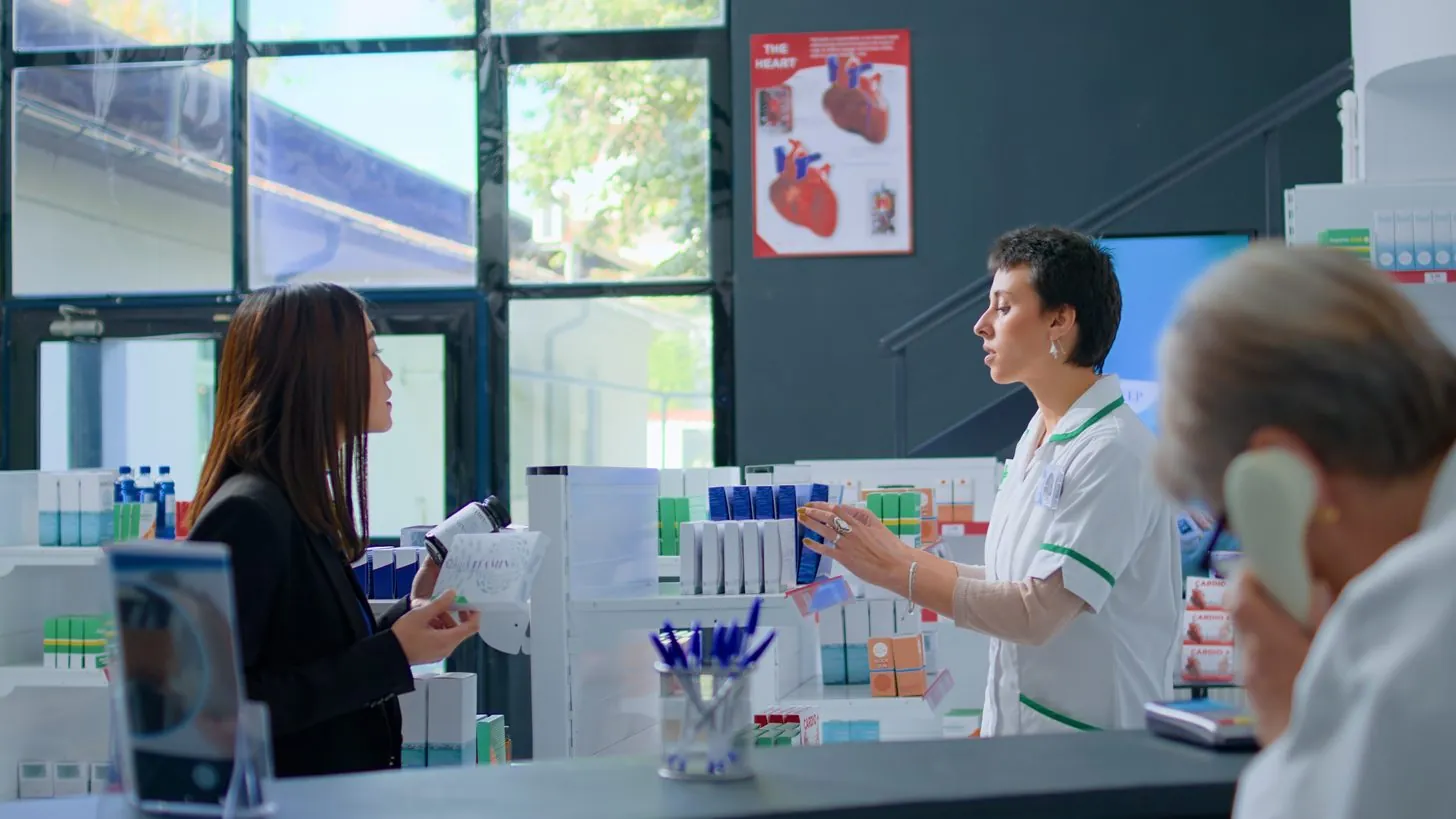
Green-cross pharmacies are on almost every commercial street, in every mall, and inside every hospital. The counter pharmacist speaks enough English in tourist areas, will ask about symptoms, and will hand over what fits. Broadly:
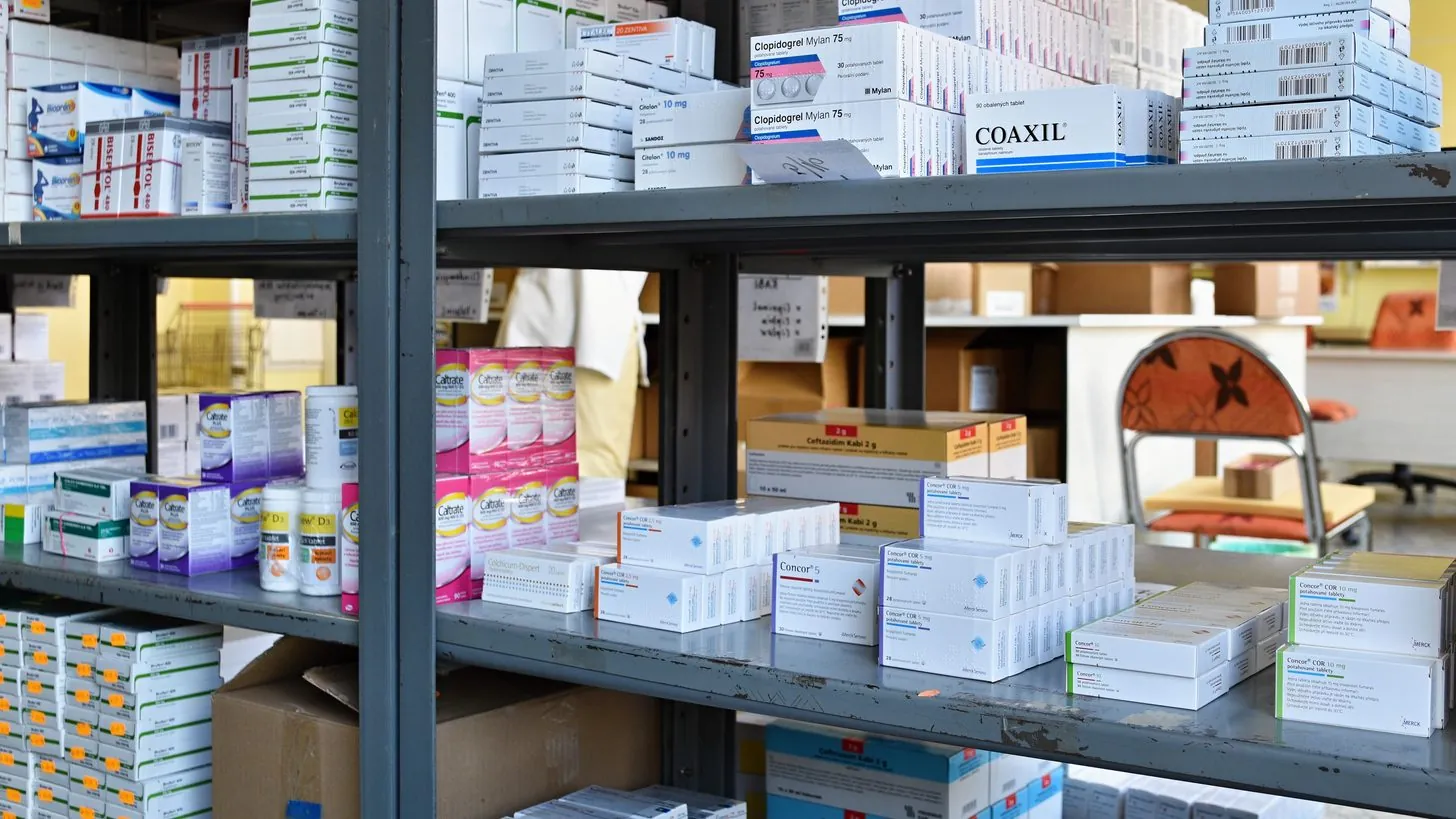
- Straightforward across the counter — rehydration salts, antacids, anti-gas preparations, simple antidiarrhoeals, activated charcoal, antihistamines, painkillers and motion-sickness tablets.
- Pharmacist's judgement — some medicines that are prescription-only in Europe or North America are dispensed here after a conversation. That is normal practice and legal, but it puts the assessment on the pharmacist rather than a doctor.
- Not a pharmacy job — high fever, blood, severe or localised pain, symptoms past 48 hours, anything in a very young child, or a traveller with a chronic condition. That is a hospital visit and should not be negotiated.
Advise clients to buy at a pharmacy rather than a convenience store, and to keep the receipt and packaging — an insurer will ask, and so will a doctor if it escalates.
The briefing that prevents the complaint
Four lines in your pre-departure documents do most of the work:
- Pharmacies are everywhere, qualified, and do not need an appointment.
- Fever, blood, or more than two days means hospital, not pharmacy.
- Call the ground number before going anywhere — it is faster than a hotel concierge.
- Keep receipts for the insurer.
Clients who have been told this in advance make one phone call. Clients who have not either tough it out and lose two days of a paid itinerary, or take themselves to the most expensive hospital within reach and discover the excess on their policy afterwards.
Where the ground partner comes in
A sick client at 6am is a logistics problem before it is a medical one: someone has to decide whether today's touring still happens, whether the guide waits, whether the transfer shifts, and whether the rest of the party carries on without them. That is the work our 24/7 support desk exists for, and it is why the on-call number belongs in the client's hand rather than only in your file. Our licensed guides know which pharmacy and which hospital is nearest to wherever the group actually is that morning, which is not the same as the one nearest the hotel. In a spread-out destination like Krabi that difference can be half an hour, which is why a Thailand DMC with its own fleet answers this faster than a hotel desk can.
Reshaping the day is the part agents underestimate. A morning lost to a pharmacy run does not have to cost the excursion if the ground team can move it to the afternoon — but only if they hear about it at 7am rather than at checkout.
What to check on the policy before departure
Two things are worth confirming with the client rather than assuming, and both sit outside what a Thailand DMC for travel agents can see on your behalf: whether their cover is direct-billing at Thai private hospitals or reimburse-later, and whether over-the-counter purchases are claimable at all. Our travel insurance guidance covers the shape of this, and the trade desk will tell you which hospitals near a given itinerary direct-bill.
Frequently asked questions
Should a client go to a pharmacy or a hospital first?
Pharmacy, for ordinary stomach upset, indigestion or cramps with no fever and no blood, in an otherwise healthy adult. Hospital for anything with fever, blood, severe pain, symptoms beyond about two days, a young child, or a traveller managing a chronic condition. When in doubt the ground desk will make the call.
Will the pharmacist speak English?
In Bangkok, Phuket, Chiang Mai, Krabi, Samui and Pattaya, generally yes, and pharmacies inside malls and hospitals are the most reliable. Away from tourist areas it varies, which is another reason for the client to call the ground number rather than improvise.
What should clients pack, and what should they buy there?
Pack anything they take regularly, in original packaging, with a copy of the prescription. Everything else is cheaper and easier to buy on arrival — there is no need to bring a travel pharmacy to a country that sells all of it on the corner.
Does a lost morning have to cost the day's touring?
Usually not. Most day programmes can shift to the afternoon or swap with a later day if the ground team is told early. What cannot be recovered is a client who says nothing until the evening.
Clients ask whether Thai street food is safe. What is the honest answer?
Yes, with the ordinary caveats that apply anywhere: busy stalls with high turnover, food cooked in front of you, and caution with anything that has been sitting warm. Blanket warnings against street food are both wrong and a poor sell — it is one of the reasons your client chose Thailand.