


Thailand's Tourism and Sports Minister said on 25 August 2026 that the visas of tourists who cause trouble can be revoked, and that the government is ready to coordinate with the relevant agencies for immediate action. That was not, on the day, a new law — it was a stated willingness to use an existing power quickly, and it had already been used. A written deportation regulation followed two days later, and the update below covers it. This guide from a Thailand DMC for travel agents covers exactly what was said, what the power actually is, what an agent should brief a client on, and what happens to a booking when a client is told to leave.
Update, 9 September 2026. The regulation has been used, and the government has said how it reads it. On 5 September 2026 the Prime Minister, acting as Interior Minister, signed a deportation order against an Israeli national convicted of intimidation through threatening messages, citing Section 5 of the Deportation Act together with Clause 4 of the new Prime Minister's Office Regulation on Deportation; a second order, against a French national on public-order grounds, followed. The Tourism and Sports Ministry has described the approach as zero tolerance: a foreigner who breaks the law, intimidates Thai citizens or behaves in a way contrary to public order, public morals or public well-being can be detained, have their visa revoked, be deported and be blacklisted from re-entry, and the ministry says it will work with the Interior Ministry, the Tourist Police and Immigration to act quickly. The orders so far concern convictions and documented incidents, not ordinary tourist misbehaviour, but the reported catalyst — complaints about the conduct of some tour groups in Phuket and Koh Samui — is a group-travel story. The briefing advice in this guide stands, and is now worth putting in writing to group leaders: the rule is in force, it has been applied, and it applies to the visa the group entered on.
Update, 31 August 2026. There is now a written rule behind the minister’s statement. The Prime Minister’s Office Regulation on Deportation B.E. 2569 was published in the Royal Gazette on 27 August 2026 and took effect on 28 August 2026, signed by Prime Minister Anutin Charnvirakul after Cabinet approved the draft on 14 July 2026. It is reported as Thailand’s first deportation regulation of its kind, and its stated purpose is speed — a defined removal procedure rather than a case-by-case improvisation. The draft Cabinet approved set out six categories of offence: entering or staying in the kingdom unlawfully; working unlawfully under the foreign-worker law; operating a business unlawfully under the foreign-business law; forging or using forged official documents; committing an offence carrying a prison term above a set threshold; and acting as principal, instigator or supporter in any of the first five. One figure is genuinely in dispute across the reporting: that prison threshold is given as three years in one account and five in another. Do not quote it to a client — cite the Royal Gazette text, or have the client’s embassy confirm it.
What changes for an agent is less than the headlines suggest, and the change that matters is one of tempo. The regulation enumerates offences, not tourist behaviours: there is still no published list of conduct that gets a visitor removed, and the “unruly tourists” framing in the tourism ministry’s messaging attaches to the regulation’s public-order purpose rather than to a listed offence of its own. What is new is that visa revocation, removal and a re-entry blacklist now sit on a written procedure built to run quickly. The brief below does not change. The margin for arguing about it does.
Explera is an IATA TIDS-registered ground handler (96215733) trusted by 340+ agency partners, with in-house transport, licensed guides and 24/7 support. Reach the trade desk at b2b@explera.co.th.
What was said
Minister Surasak Phancharoenworakul, speaking before a Cabinet meeting, addressed reports of disruptive behaviour by tourist groups in Phuket and Koh Samui and said the government was prepared to move quickly to revoke the visas of those responsible.
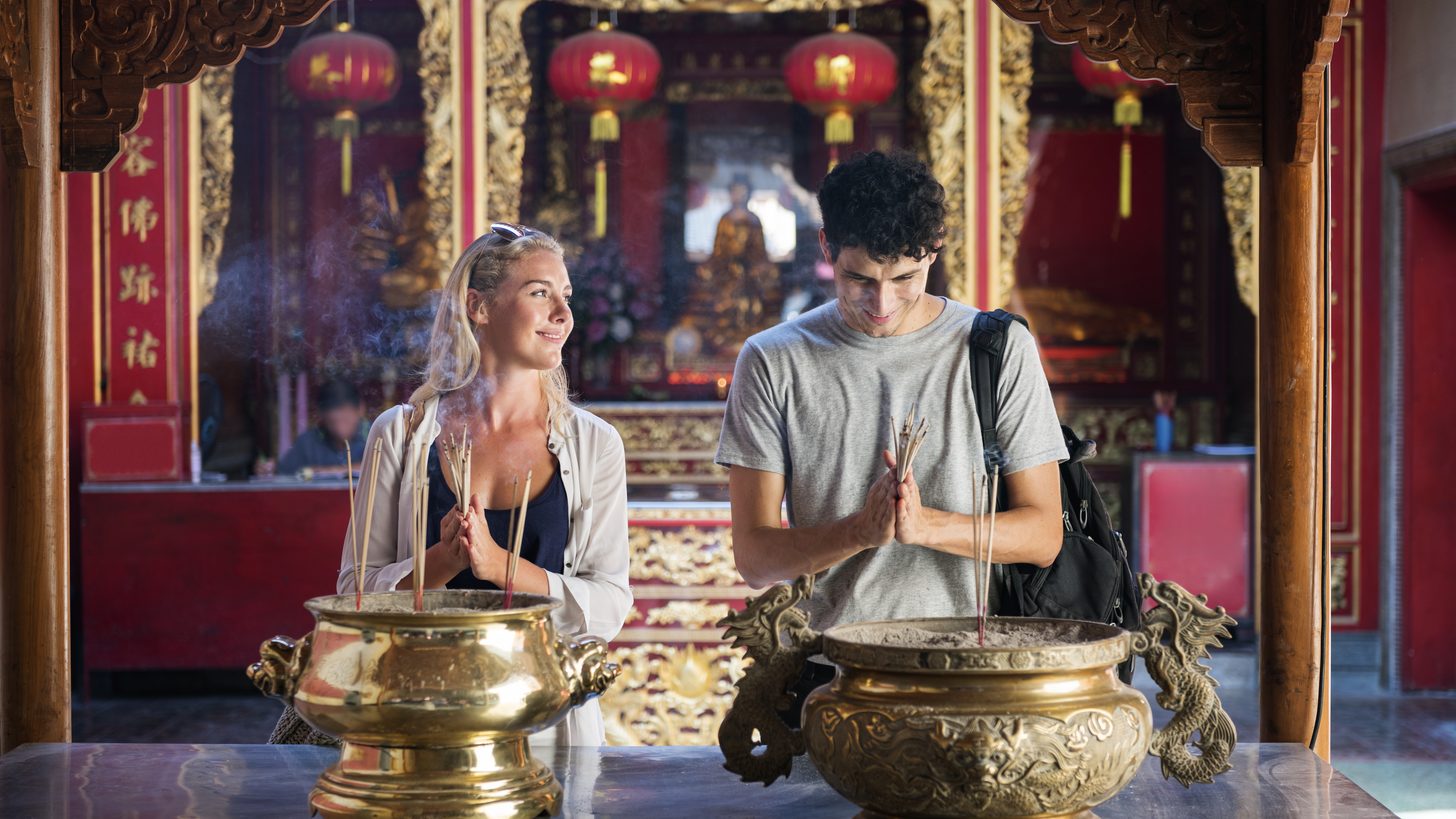
Two principles in the statement matter more than the incident that prompted it, and both are worth quoting to a client:
- The decision is based on conduct, not nationality. The minister was explicit that Thailand welcomes tourists from every country, and that action follows the individual's behaviour.
- Respect for Thai law and culture is the standard, and the government said it would not allow any area of Thailand to be used for symbolic expressions connected with any conflict.
Enforcement is already visible rather than hypothetical: a visa has been revoked in a separate Koh Samui case, and a provincial panel on Koh Phangan previously moved to revoke the visas of three visitors over inappropriate behaviour. The individual in the case the minister was asked about was, in his words, no longer permitted to remain in Thailand.
What the power actually is
The point most clients get wrong is that entry permission is a grant, not a right. A visa or a visa exemption authorises a stay; it does not guarantee one. Immigration authorities have long been able to cancel that permission, and a cancelled permission means departure — usually promptly, and with consequences for future entry.
What is not published, and should not be guessed at. There is no public tariff of behaviours and outcomes. Decisions are described as case by case, taken with provincial authorities and police involvement, and the timeframe in any individual matter is not something an agent can predict. Where a client asks "what exactly would get me deported", the honest answer is that no such list exists — which is itself the argument for a wide margin of caution.
What to brief, and how
Most agents brief on visas and skip conduct entirely. Conduct is now the part with the sharper consequence:
- Say it once, plainly, in the pre-departure note. Thai law applies to visitors in full, and permission to stay can be withdrawn.
- Cover the specifics that actually catch people out — behaviour at religious sites, anything involving the monarchy, drugs, public disorder and filming or photographing people without consent.
- Warn groups, not just individuals. Group dynamics are what generate the incidents that reach a minister, and a group's behaviour is attributed to the group.
- Do not use fear. A calm paragraph in a pre-departure document lands; a warning that sounds like a threat gets ignored and sours the sale.
- Note the political dimension. The government stated it will not allow Thai locations to be used for symbolic expressions tied to any conflict. Clients travelling with that intent should understand it before they book.
- Keep your own record. If you briefed it in writing, your position is very different from an agency that did not.

Our alcohol rules guide and temples guide cover the two settings where visitors most often get it wrong without meaning to.
If it happens to your client
- It is a legal matter first and a travel matter second. Consular contact and, where warranted, local legal representation come before rebooking.
- Do not improvise with authorities. An agency arguing a case it does not understand, in a language it does not speak, makes things worse.
- Expect the rest of the file to unravel. Onward flights, hotel nights and prepaid excursions all need handling at speed, and most of it will not be recoverable.
- Assume future entry is affected. Never tell a client the matter ends when the flight does.
- Use the ground partner as the channel. A local operator who knows the provincial process is worth more in that hour than any amount of head-office escalation.
That is what 24/7 support is actually for, alongside transport and licensed guides who can interpret in the moment.
What the ground partner carries here
What the current enforcement posture looks like province by province, which local sensitivities are live this month, how the provincial panels actually work when a case is raised, who to call in the first hour, and how much of a broken file can realistically be salvaged. That is ordinary Thailand DMC services for travel agents, and it is the part of the relationship that only matters on the worst day of a trip.
A conduct briefing costs a paragraph and prevents the one outcome no rebooking fixes. A Thailand DMC that keeps you current on where enforcement is pointed is how that paragraph stays accurate. Send dates to b2b@explera.co.th or use the trade desk, and see our destination coverage for the places this comes up most.
Frequently asked questions
What did the minister actually say?
That the visas of tourists who cause trouble can be revoked and that the government is ready to coordinate with the relevant agencies for immediate action, following reports of disruptive behaviour by tourist groups in Phuket and Koh Samui. He stated the decision is based on the individual's conduct rather than their nationality.
Is this a new law?
No. Immigration authorities have long been able to cancel permission to stay. What has changed is the stated willingness to use that power quickly, and the visibility of recent cases.
What behaviour puts a client at risk?
No public list exists, and decisions are described as case by case. The recurring areas are conduct at religious sites, anything touching the monarchy, drugs, public disorder, filming people without consent, and — per the government's own statement — using Thai locations for symbolic expressions tied to any conflict.
How should I brief clients without alarming them?
One calm paragraph in the pre-departure note: Thai law applies in full to visitors and permission to stay can be withdrawn, followed by the specifics. Fear-based warnings get ignored; a matter-of-fact note is read and remembered.
What happens to the booking if a client is removed?
Treat it as a legal matter first. Consular contact and local representation come before rebooking, most prepaid arrangements will not be recoverable, and future entry to Thailand may be affected. Work through the ground partner rather than improvising with authorities.
Does this signal a problem with Thailand as a destination?
No. It signals a government prepared to act on a small number of incidents rather than tolerate them, alongside its stated welcome to visitors of every nationality. Brief it as a standard of behaviour, not as a risk to the trip.