


TAT has spent 28 to 30 August staging the Amazing Chiang Mai Green Guide Fest at the city's Railway Park — and behind the festival sits the real story: the "Chiang Mai Prototype", a deliberate programme to certify the city's tourism supply chain and position Chiang Mai as a global green destination. Destination positioning usually stays in press releases. This one is being built into the operators, hotels and community businesses an agent actually contracts, which is why it belongs in a trade briefing. This guide from a Thailand DMC for travel agents covers what the programme is, what "green destination" will mean in practice, and how to sell it before it becomes the default.
Explera is a TAT-licensed ground handler (TAT licence 14/05119, IATA 96215733) trusted by 4,500+ agency partners, with in-house transport, licensed guides and 24/7 support. Reach the trade desk at b2b@explera.co.th.
What is actually happening
The Green Guide Fest itself ran three days at Railway Park — local products, gastronomy, business exchange, cultural performances and community activities across themed zones. Festivals end; the mechanism underneath does not:
- The Chiang Mai Prototype is TAT's pilot for building a certifiably sustainable tourism supply chain in one province — the businesses a visitor actually touches, not a slogan over them.
- The direction of travel is certification. Sustainable-tourism standards move from nice-to-have toward the thing buyers filter on, and the operators inside the programme will be the ones who can evidence it.
- Chiang Mai is the test bed, chosen to be repeatable: what works there is the template for other provinces.

It sits inside the same "Value over Volume" strategy that has shaped this year's TAT programmes — quality of visitor over count of visitors — and alongside the sustainability standards our TSEMS guide covers on the MICE side.
Why this matters to your client
- European buyers are already filtering on it. Sustainability evidence has moved from brochure copy to procurement requirement in several long-haul markets; a certified Chiang Mai supply chain answers a question agents are already being asked.
- It differentiates Chiang Mai from the beach product. The city's green-season and nature product — see the green season guide — gets an official frame that beach destinations cannot copy quickly.
- Community product gets easier to buy. The hardest part of selling community-based tourism has always been vetting it; a certification programme does the vetting for you.
- Early sellers get the story first. "The province Thailand chose as its green prototype" is a fresh sentence in a proposal today and a commonplace one in two seasons.
How to sell it
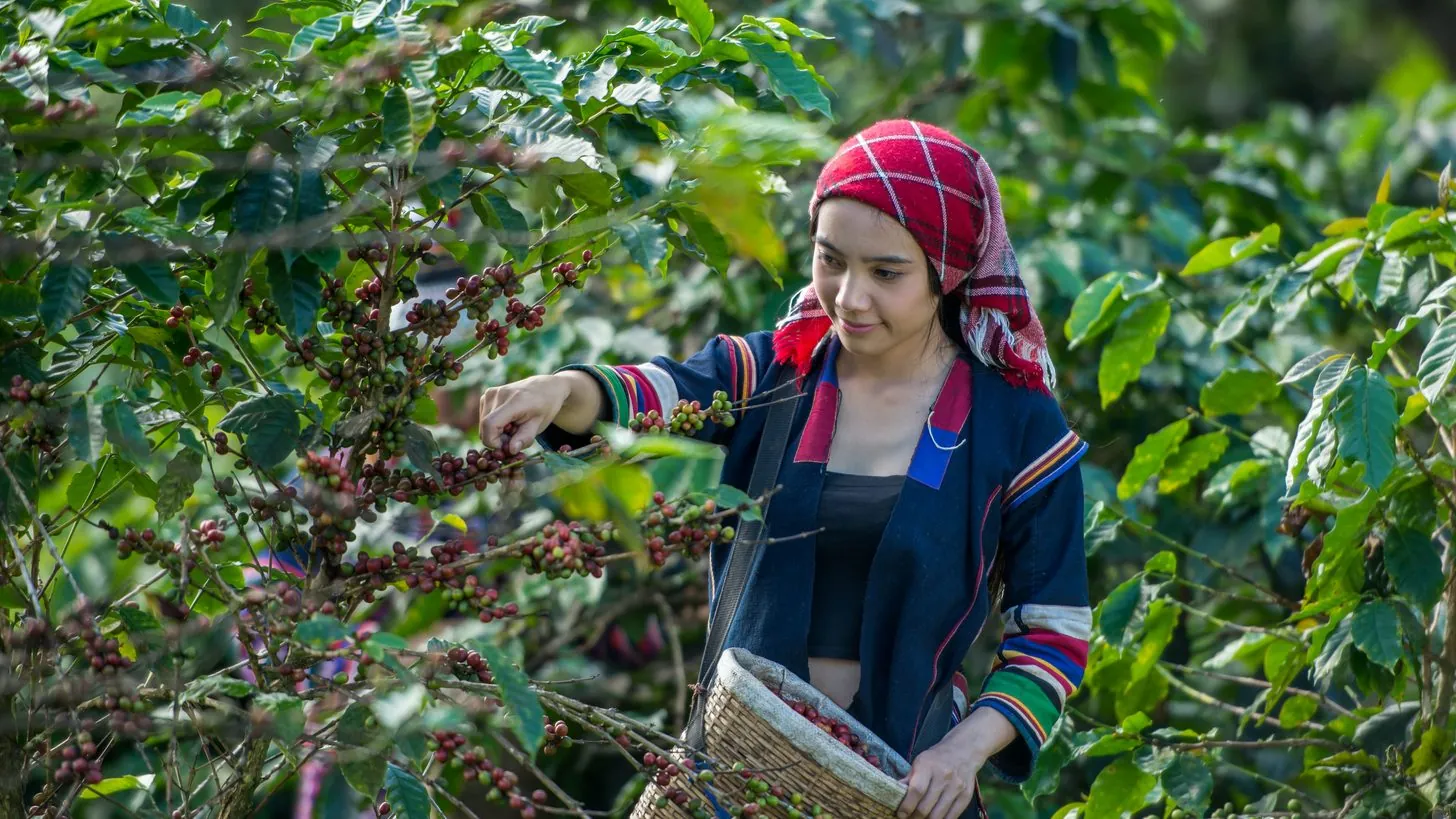
- Pair the frame with the product that already exists. Artisan quarters, khlong-side food, national parks and hill communities — the artisan guide covers the texture this positioning is built from.
- Aim it at the clients who ask. School and university groups, corporate programmes with reporting duties, and the growing slice of leisure clients who choose on footprint.
- Ask suppliers the certification question now. Which programmes they are inside, what they can evidence — the answers will start differing, and the difference is sellable.
- Do not greenwash it. Sell what is certified and name what is not. A vague "eco" label on an ordinary tour is exactly what this programme exists to displace, and clients who care can tell.
- Watch the calendar. A province positioning itself green will hang events on it; the Green Guide Fest is the first of a series, not the last.
What the ground partner carries here
Which Chiang Mai operators and properties are actually inside the programme rather than adjacent to its vocabulary, what their certification lets you evidence to a client with reporting duties, which community experiences hold up for an international group, and how the green frame combines with the festival calendar and the national parks. That is ordinary Thailand DMC services for travel agents, with tours and activities, licensed guides and our own transport under it.
Positioning becomes real when the supply chain can prove it. A Thailand DMC on the ground in Chiang Mai can tell you which parts already can. Send dates to b2b@explera.co.th or use the trade desk, and see our Chiang Mai coverage for the destination itself.
Frequently asked questions
What is the Chiang Mai Prototype?
TAT's pilot programme for building a certifiably sustainable tourism supply chain in one province, with Chiang Mai as the test bed and global green-destination status as the stated goal. The Amazing Chiang Mai Green Guide Fest, 28 to 30 August 2026 at Railway Park, is its public face.
Is this marketing or substance?
Both, deliberately. The festival is marketing; the certification of operators, hotels and community businesses underneath it is the substance, and it is the part an agent can contract against.
Which clients does this serve first?
Buyers who must evidence sustainability — corporate and education groups with reporting duties — and leisure clients who filter on footprint. For them a certified supply chain converts a value into a bookable fact.
How is this different from ordinary eco-labelling?
Scope and ownership. It is a province-wide programme run through the national tourism authority rather than a per-property badge, and it aims at the whole chain a visitor touches, from hotel to guide to community visit.
What should I ask my Chiang Mai suppliers now?
Whether they are inside the programme, what standard they certify against, and what they can evidence in writing. The answers will separate suppliers quickly, and the difference is exactly what a filtering client wants to see.
Does the festival itself matter to international clients?
Mostly as a signal. It is domestic-facing, but the series it opens — and the products it surfaces — are the parts that will reach international programmes over the coming seasons.