
The Tourism Authority of Thailand is putting textiles on the itinerary. "Fashion to the World – Thai T'Reasures by Amazing Thailand" runs 18–20 September 2026 at River Park, ICONSIAM, on the Bangkok riverfront, open daily from 15.00 to 22.00; at its centre is an exhibition called "10 Textile Journeys Across Thailand" that traces fabrics back to the provinces, villages and weavers they come from, with contemporary pieces made from each route to send visitors out to the communities behind them. For an agent the event is three days in Bangkok; the ten routes behind it are a product line, and one that fits the direction TAT has just set for 2027 — experiences over products, and forty per cent of visitors steered toward secondary destinations.
Explera DMC Thailand builds craft and community itineraries for agencies and incentive houses — IATA TIDS 96215733, 340+ agency partners, a trade desk on b2b@explera.co.th — and this guide covers what the event is, what TAT has and has not published about the ten routes, and how a Thailand DMC turns a textile journey into something a client can book.
What is on at ICONSIAM, 18–20 September
TAT announced the event in the first week of September with public and private partners: the SUPPORT Foundation, which has developed rural craft under royal patronage since the 1970s; the Gem and Jewelry Institute of Thailand; established and emerging designer brands; fashion students; textile entrepreneurs and artists. The programme as published has four parts:
- The "10 Textile Journeys Across Thailand" exhibition, tracing textiles to their places of origin, artisans, communities and destinations, with contemporary fashion pieces inspired by each of the ten routes.
- A TAT × Thai designer collaboration — three special-edition prototypes that TAT describes as uniting culture, creativity, sustainability and tourism.
- Design and travel-led showcases that pair the fashion with the destinations it comes from.
- Public opening hours of 15.00–22.00 across all three days, at River Park, the riverside plaza of ICONSIAM in Khlong San.
It is a public event, free to walk into, in one of the most visited retail sites in the city, timed for a weekend. A client in Bangkok on 18, 19 or 20 September can be sent to it with a river-boat transfer and nothing else arranged.
What the ten routes are, and what TAT has not said
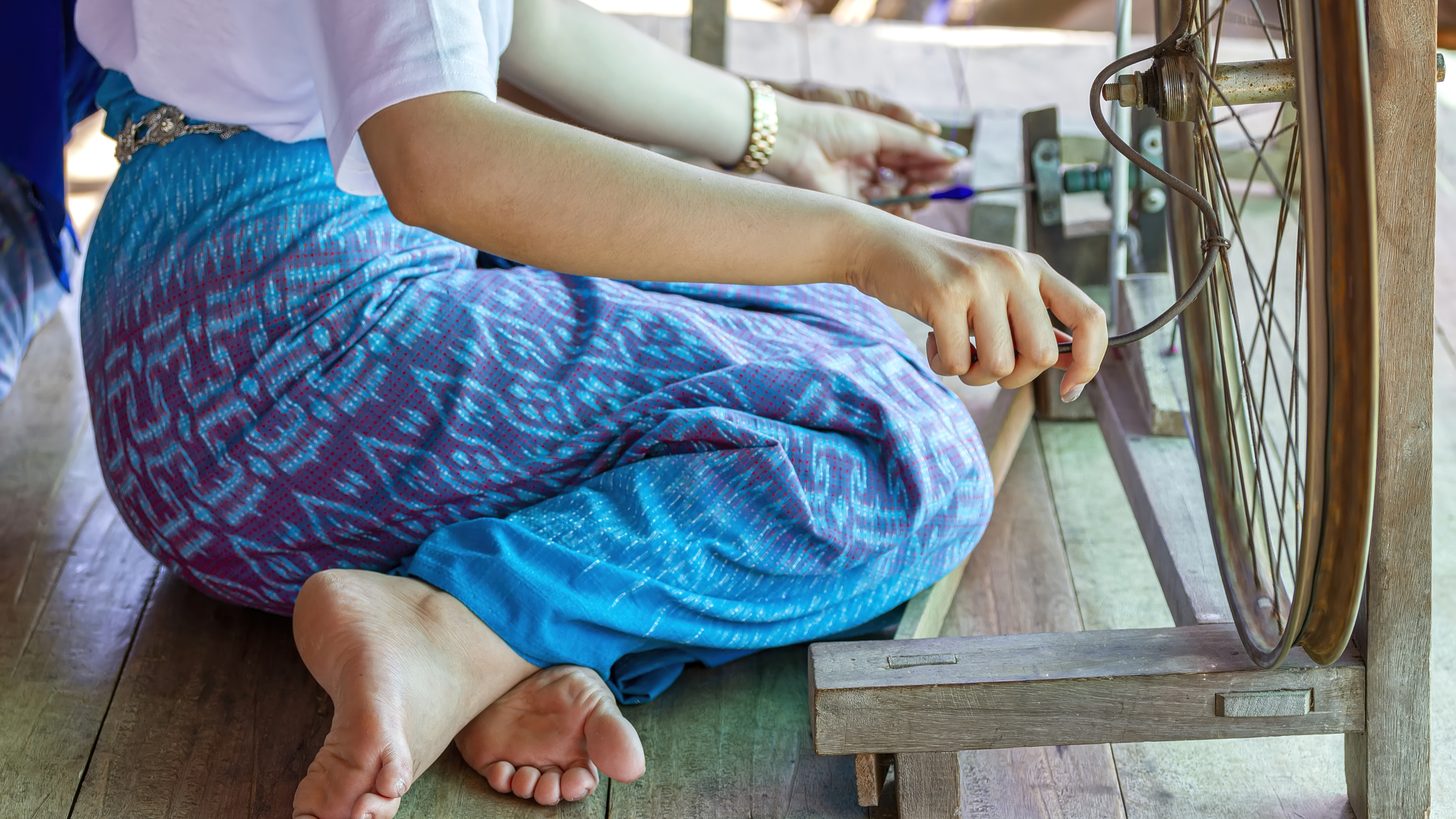
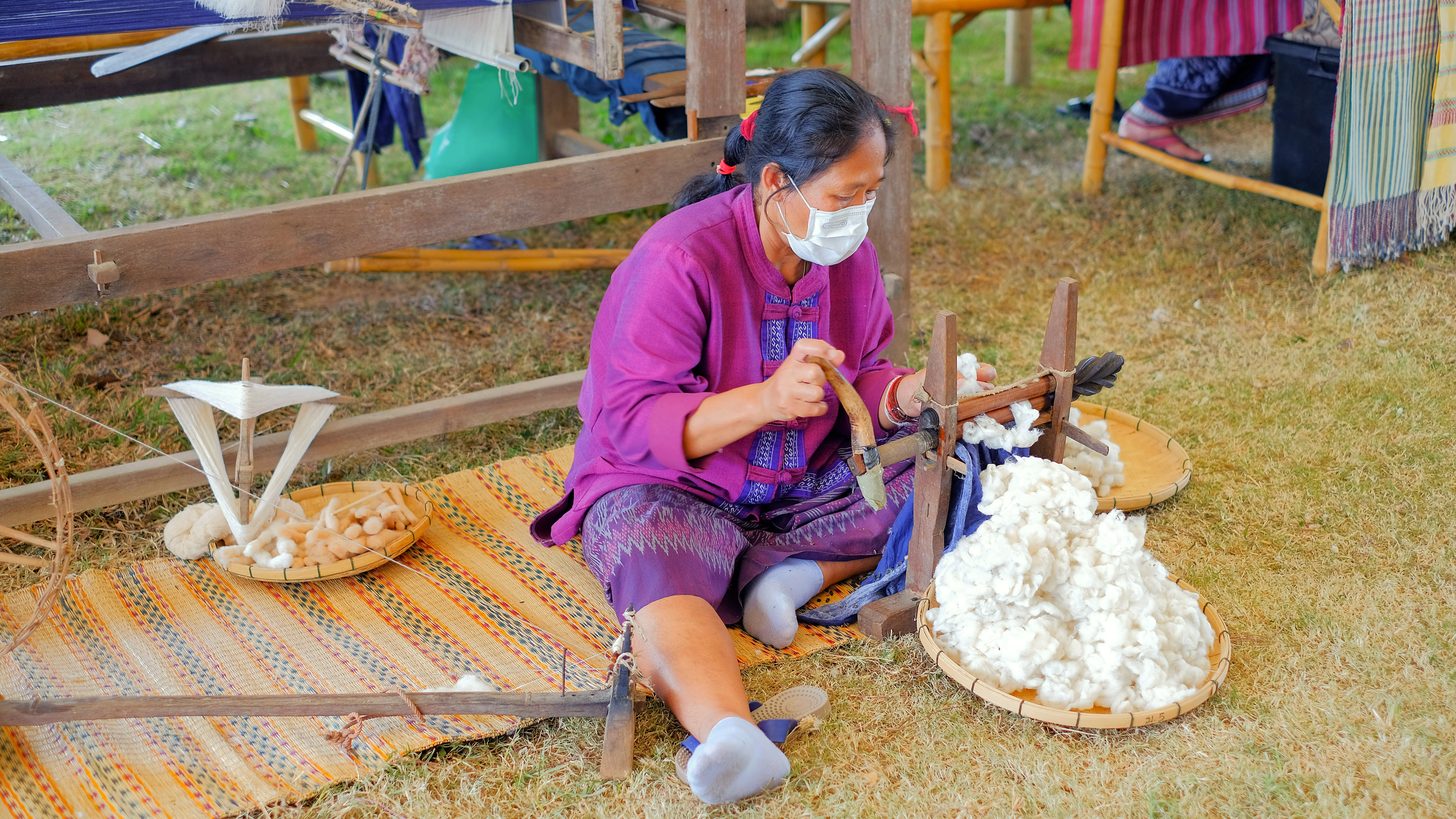
TAT's announcement names the exhibition and its purpose. It does not list the ten routes by province, and this post does not guess them. What can be said with confidence is where Thailand's textile traditions are, because they have not moved: mudmee ikat silk in the lower northeast around Khon Kaen, Surin and Buriram; the Tai Lue and Lanna cotton weaving of Nan, Phrae and Chiang Mai; the indigo cotton of Sakon Nakhon; the hand-woven cotton of Lamphun and the Yok Dok brocade associated with it; the Muslim batik of the far south around Pattani and Narathiwat; and the silk of Nakhon Ratchasima's Pak Thong Chai. Any set of ten routes across Thailand will draw on most of that map, and the communities involved already receive visitors through OTOP villages, SUPPORT Foundation centres and provincial craft trails.
The practical answer for an agent is to treat the exhibition as the brochure and the map above as the product. When TAT publishes the ten routes — and the exhibition itself is where they will be shown first — the itineraries below will match them or be adjusted.
Why TAT is doing this now
Fashion tourism is a new beat for TAT, but the logic is the one behind its 2027 marketing plan, announced on 24 August: move the brand from "value for money" to a "meaningful destination", sell experiences rather than products, and put sixty per cent of visitors into the hubs and forty per cent into emerging destinations. A textile route is a secondary-destination product by definition, because the looms are in Surin and Nan, not Sukhumvit. It also fits the "Life Economy" pillar, which funds product built on Thai craft and culture, and TAT's 2027 direction is that co-marketing money follows programmes that pair a hub with a province. Our guide to TAT's 2027 plan sets out the split; this is what it looks like as a product.
How to build a textile journey that sells
- Pair one hub with one weaving province. Bangkok with Khon Kaen or Surin for mudmee silk; Chiang Mai with Nan or Lamphun for Lanna cotton and brocade; either with Sakon Nakhon for indigo. Two nights in the province is enough for a workshop visit, a dyeing or weaving session and a market morning. This is the hub-plus-one shape TAT's 2027 plan rewards.
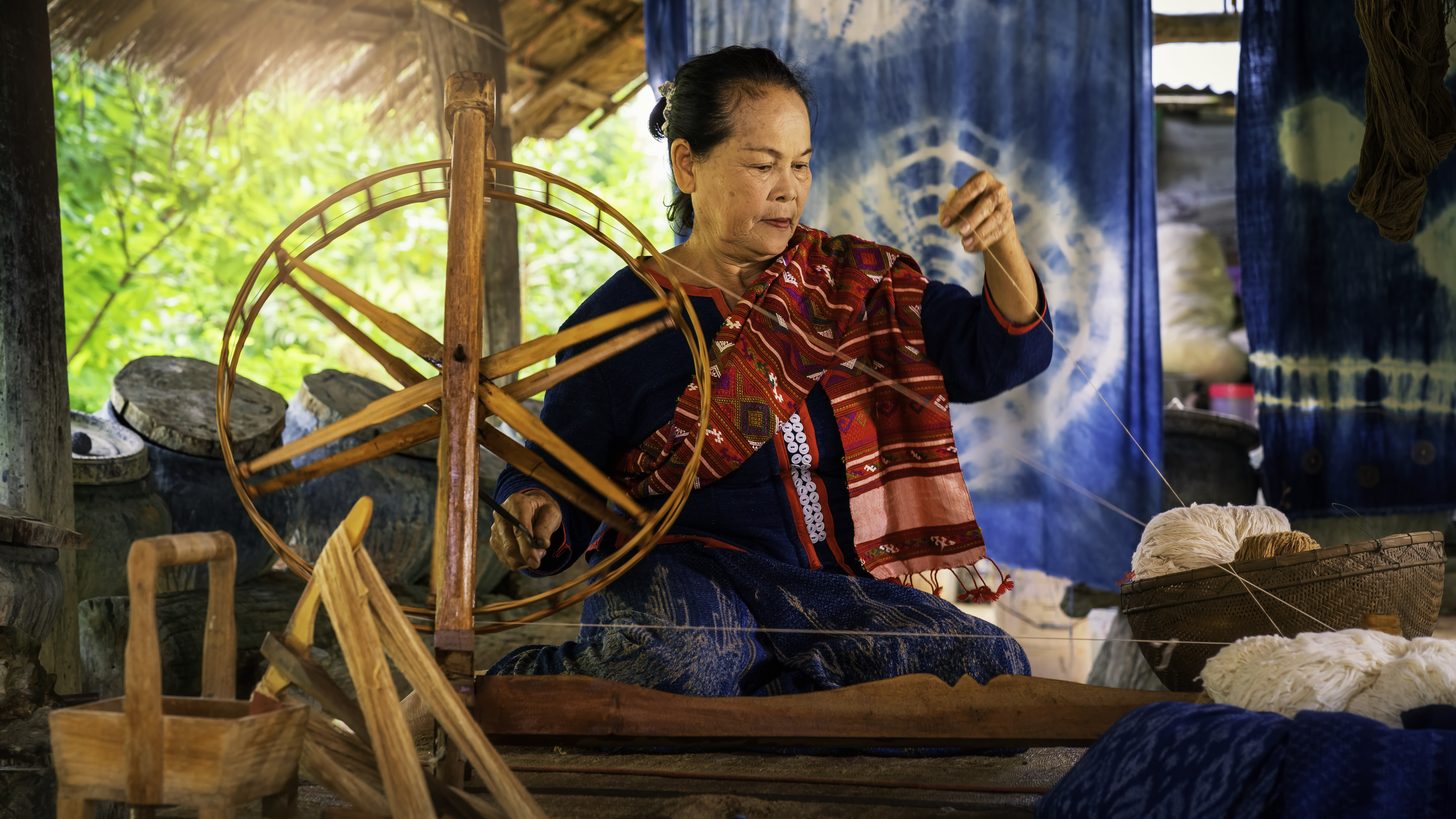
- Book the workshop, not the shop. The sellable moment is a client at a loom with a weaver, not a client at a counter. Community enterprises and SUPPORT Foundation centres offer half-day sessions; a Thailand DMC contracts them directly and pays the community's own price, which is the point of the model.
- Time it to the calendar. The northeast is at its best from November to February; the far south's batik communities are a monsoon-season product from the Gulf side. A textile journey in September is a Bangkok-plus-north product; in January it can go anywhere.
- Sell it to the client who already buys craft. Northern and Western European travellers who ask for community product, Japanese and Korean clients for whom textile heritage is a familiar category, and incentive groups wanting a team activity with a story. It is not a mass-market day trip and should not be priced as one.
- Use ICONSIAM as the bookend. For a client in Bangkok on the event dates, start at River Park and travel out; for anyone else, the riverfront's permanent Thai-craft floors serve the same purpose on any day of the year.
How a Thailand DMC builds it
We contract the weaving communities, the provincial guides who can explain a mudmee pattern, and the transfers that make a two-night province stay comfortable rather than an expedition. The wider Thailand DMC services for travel agents — tours and activities, hotel allotments in the hubs and the provinces, MICE for the incentive version — are contracted on one net basis, so a craft itinerary quotes as cleanly as a beach one. Our Chiang Mai and Khon Kaen desks already run the northern and northeastern legs. Send the trade desk a market, a season and the client's interest, and a textile journey comes back with the communities named and the ICONSIAM dates noted if they fit.
Frequently asked questions
When and where is Fashion to the World – Thai T'Reasures?
18–20 September 2026 at River Park, ICONSIAM, on the Chao Phraya riverfront in Bangkok, open to the public from 15.00 to 22.00 each day. It is free to enter and reachable by river boat from the Sathorn pier.
Has TAT published the ten textile routes?
Not by province, as of this post. The exhibition traces textiles to their origins and communities, and the routes will be shown there first. Thailand's weaving traditions are well mapped — mudmee silk in the northeast, Lanna cotton in the north, indigo in Sakon Nakhon, batik in the far south — and itineraries can be built on them now and matched to TAT's list when it appears.
Is a textile journey a day trip?
Not a good one. The weaving communities are in provinces two to eight hours from the hubs. Two nights in the province, paired with Bangkok or Chiang Mai, is the shape that works and the one TAT's 2027 plan is designed to promote.
Which clients should I offer this to?
Travellers who already buy craft and community product — Northern and Western Europeans, Japanese and Korean clients, and incentive groups wanting an activity with a story. It suits couples and small groups better than coaches.
How does this connect to TAT's 2027 plan?
Directly. The 2027 "Year of Transformation" plan sells experiences over products, funds craft-based product under its Life Economy pillar and steers forty per cent of visitors to emerging destinations. A textile route pairing a hub with a weaving province is that policy as a bookable product.