

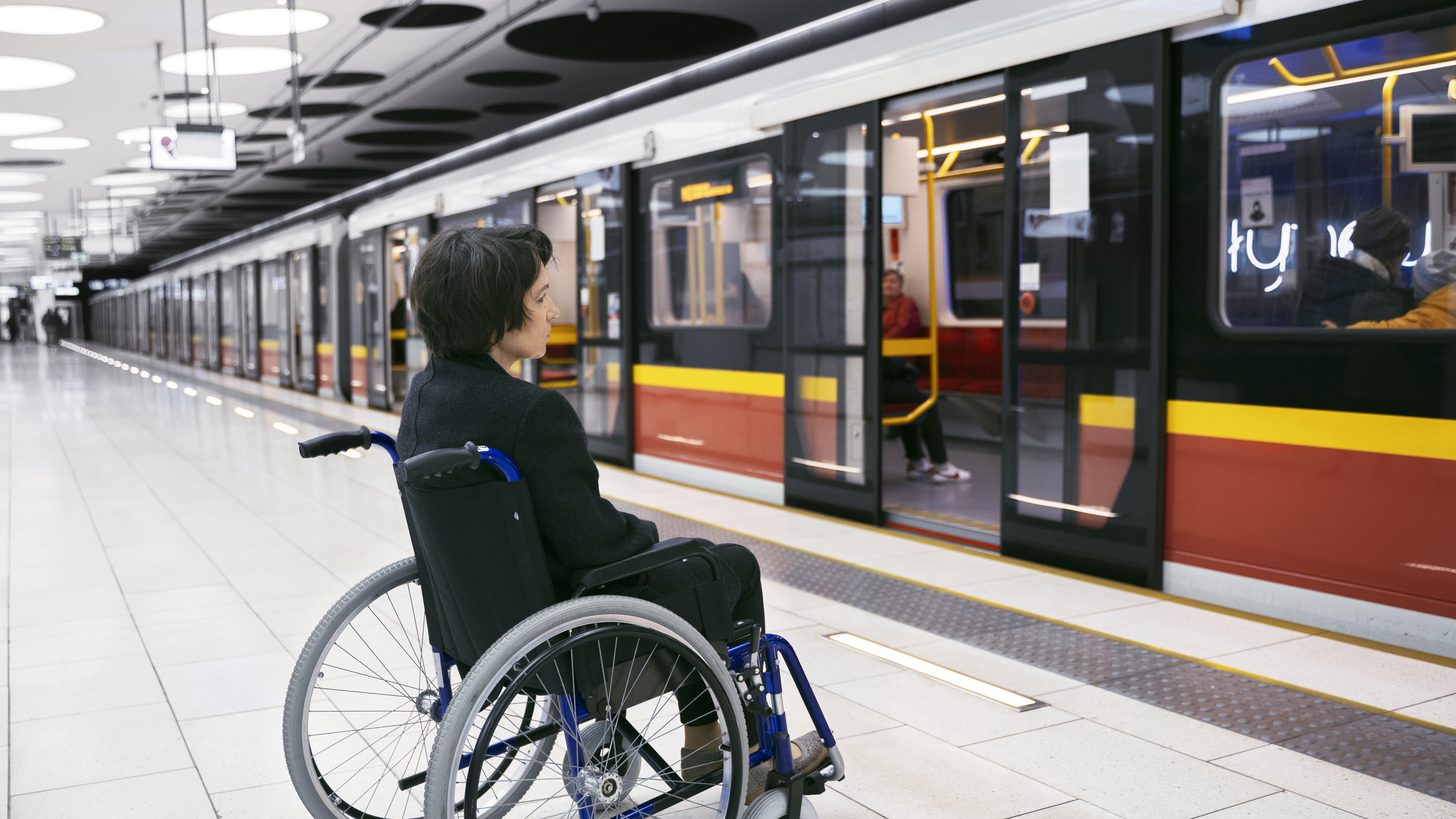
Can a client with limited mobility genuinely enjoy Thailand? Yes — with the right ground planning, not a generic itinerary. Bangkok's BTS and MRT stations mostly have lifts, the newest malls and five-star hotels build to international accessibility standards, and Suvarnabhumi and Phuket airports offer wheelchair assistance from kerb to gate when requested in advance. What still trips up a DIY trip — uneven temple courtyards, steep khlong-side steps, taxis that won't take a folded wheelchair, a hotel's "accessible room" that turns out to have a step into the shower — is exactly what a ground handler exists to pre-check. This guide from a Thailand DMC for travel agents covers what to brief, what to book, and how to package accessible Thailand with confidence. Start with our Thailand destinations hub.
Explera is an IATA TIDS-registered ground handler trusted by 340+ agency partners, with an in-house adapted-vehicle fleet, licensed guides, 24/7 support and IATA TIDS registration (96215733) — every accessible itinerary is site-inspected before it is sold, not assumed from a hotel's website.
Transport — the part that makes or breaks the trip
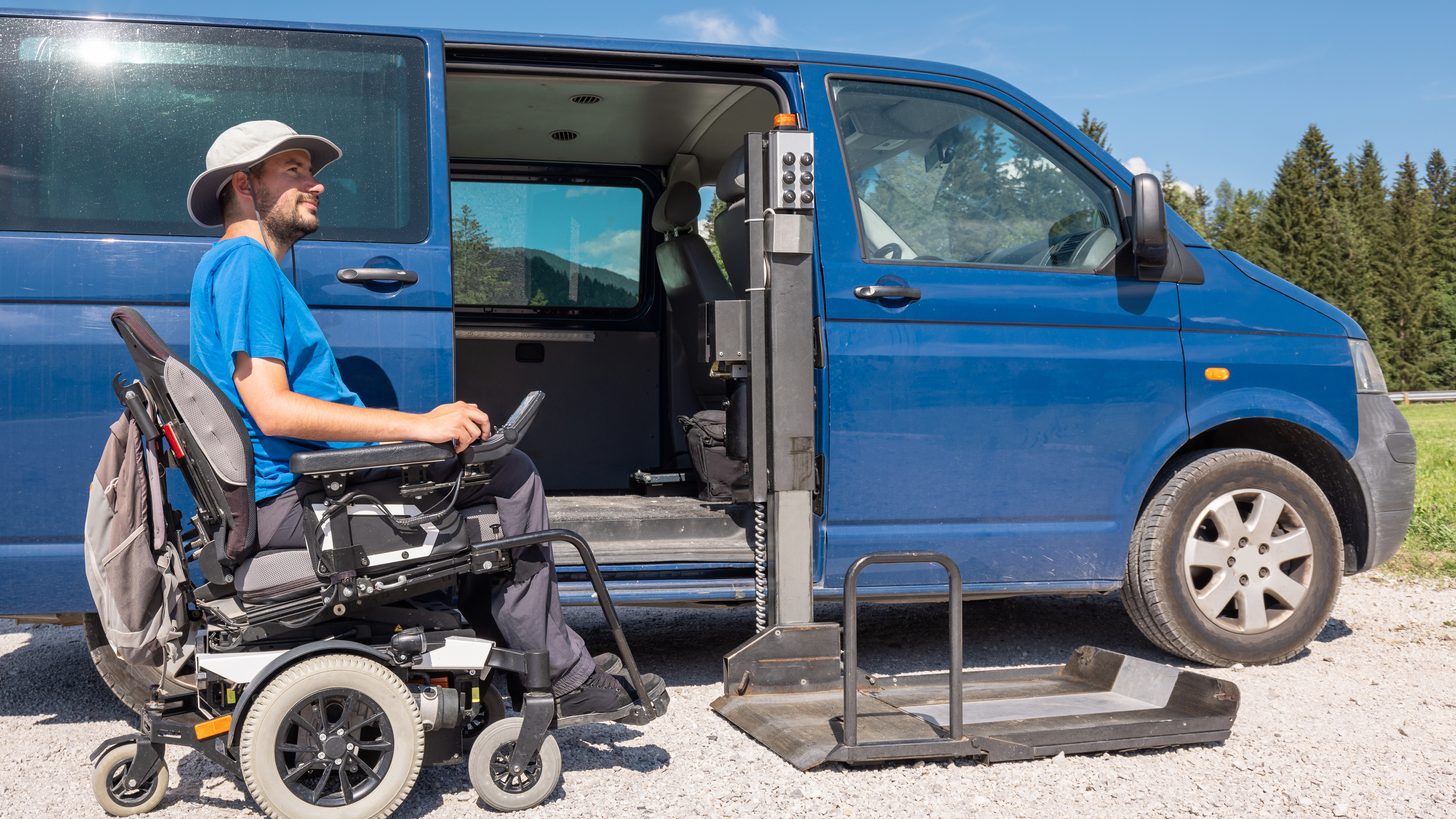
Standard Bangkok taxis rarely take a folded wheelchair comfortably, and ride-hailing apps can't guarantee an adapted vehicle on demand. The fix is a private transfer booked as accessible from the start: a van or minibus with a fold-out ramp or lift, tie-down points, and a driver briefed on transfer technique, not just directions. The same vehicle should carry the client for the whole stay — airport to hotel, hotel to sights, sight to sight — so nothing depends on flagging down transport that may or may not be able to help. Bangkok's BTS Skytrain and MRT have lifts at most — not all — stations, useful for confident independent travellers but not the backbone of a client's whole itinerary.
Hotels — verify the room, not the marketing page
"Accessible room" on a hotel website can mean anything from a genuine roll-in shower with grab bars to a standard room with a slightly wider door. International five-star chains in Bangkok, Phuket and Pattaya generally deliver on the description; independent boutique properties are the ones worth a call before booking. The checklist that matters: roll-in or low-threshold shower, bed height, door and bathroom clearances, and whether the "accessible" room is actually near the lift rather than at the end of a stepped corridor. A ground partner that has walked the room in person removes the guesswork — see our high-season lead-times guide for booking accessible-room inventory early, since hotels typically hold very few of these rooms per property.
Sights, temples and activities — plan around the terrain
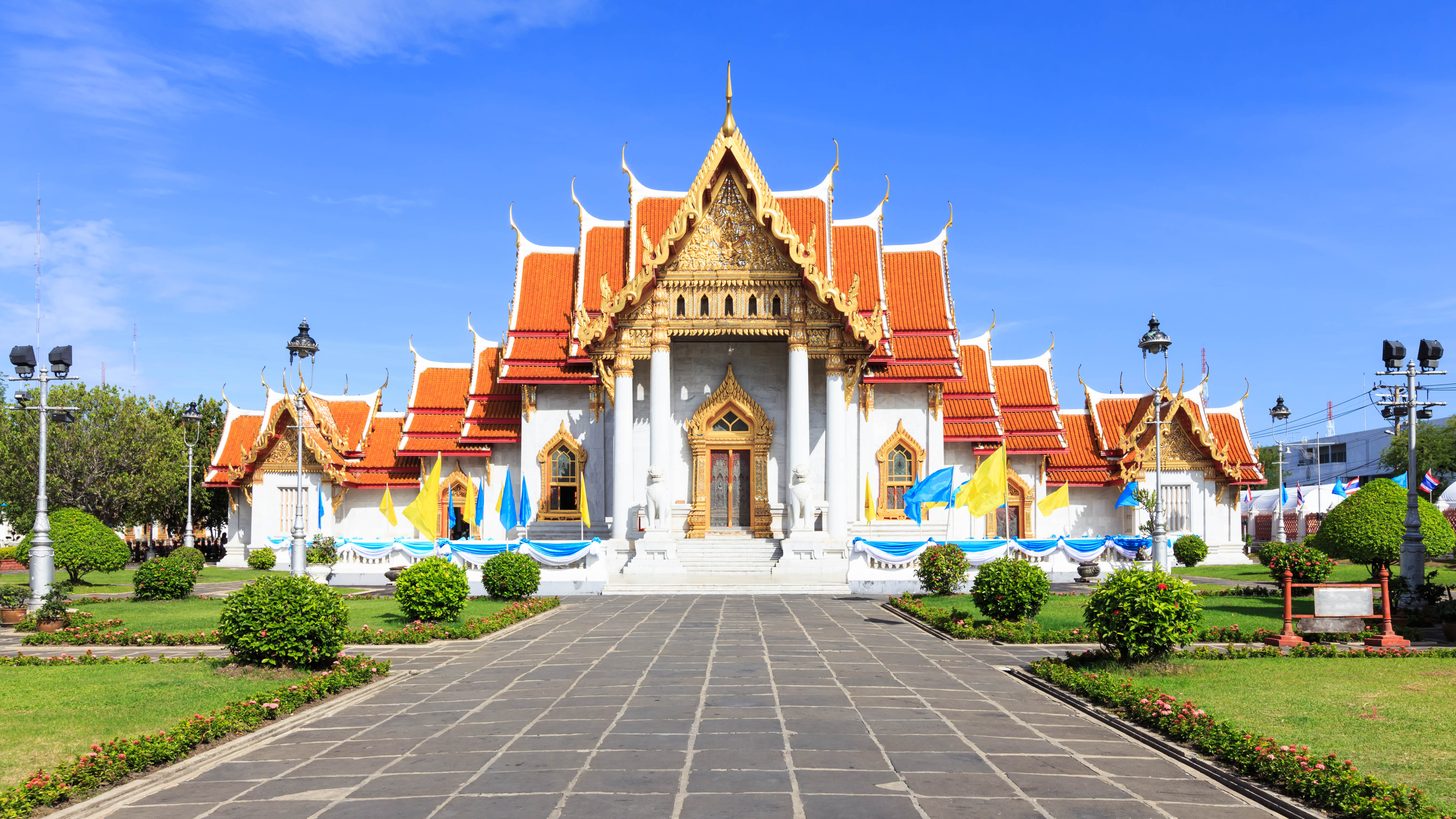
Thailand's icons vary widely underfoot. The Grand Palace and Wat Pho have mostly flat, paved courtyards manageable with assistance, while Wat Arun's central prang is a steep climb best admired from the base or the river. Bangkok's river cruises are one of the most accessible ways to see multiple riverside temples without walking between them, and many mall, museum and aquarium attractions now build to modern accessibility codes. National parks and hillside temples (Doi Suthep's stairs, jungle trekking) are the honest no-go zones — brief clients on these upfront rather than let a guide discover the limitation on the day. A private, licensed guide who has scouted the route in advance is the difference between a smooth day and an on-site improvisation.
Airports, medical needs and the pre-departure briefing
Wheelchair assistance at Suvarnabhumi, Don Mueang and Phuket airports is requested through the airline at booking and is normally reliable, taking clients from kerb or gate through immigration to the car — pair it with our VIP airport arrival guide for a fully escorted arrival. Clients travelling with medical equipment, mobility aids or specific care needs should carry documentation and any medication in original packaging, and Bangkok and Phuket's private hospitals (covered in our medical tourism guide) offer international-standard care as a safety net. None of this needs to appear in client-facing marketing — it belongs in the agent's pre-departure briefing alongside the etiquette notes in our do's, don'ts and laws guide.
How to package it — your Thailand DMC for travel agents
Accessible travel is a coordination product before it is anything else: the right vehicle, pre-verified rooms, a guide who has walked the route, and a plan B for the sights that don't work. The full Thailand DMC services for travel agents bundle our adapted transport fleet, licensed guides briefed on mobility needs, and hotel inventory we have personally inspected — tuned to the markets you sell in. Send us the client's specific requirements and mobility level, and we return an itinerary that has already been checked, not one that hopes for the best.
Selling notes for the trade
- Ask the mobility question at the enquiry stage — wheelchair, walker, limited stamina, or a companion doing the lifting all call for different plans.
- Never sell a hotel's "accessible room" on the photo alone — verify the shower, bed height and route to the lift before confirming.
- One dedicated adapted vehicle beats mixed transport — it is the single biggest reliability upgrade in the file.
- Be honest about the no-go sights — a clear alternative beats a disappointing surprise mid-tour.
- Book accessible rooms and vehicles early — inventory is thin and compresses fastest in high season.
Frequently asked questions
Is Thailand accessible for wheelchair users?
Increasingly, yes — Bangkok's BTS/MRT, modern malls and international hotel chains build to accessibility standards, and a private adapted vehicle plus a pre-checked itinerary covers the gaps. Some older temples and natural sites remain genuinely difficult and are better substituted than attempted.
How do you book an accessible hotel room in Thailand?
Request the room type in writing and, where possible, have a ground partner verify it in person — "accessible" on a hotel's site ranges from a true roll-in shower to a slightly wider door, and inventory of genuine accessible rooms per property is small.
Can wheelchair users visit Bangkok's temples?
Most of the Grand Palace and Wat Pho are flat, paved and manageable with assistance; Wat Arun's central climb is not, and is best enjoyed from ground level or by river. A guide who has scouted the route in advance sets expectations correctly.
Is airport wheelchair assistance available in Thailand?
Yes — Suvarnabhumi, Don Mueang and Phuket all offer it when requested through the airline at booking, and it pairs well with a VIP meet-and-greet for a fully escorted arrival door to car.
Sell Thailand with confidence for every client — with a Thailand DMC for travel agents that pre-checks the route before you quote it. Tell us the client's mobility needs and we'll return an itinerary that's already been verified.