

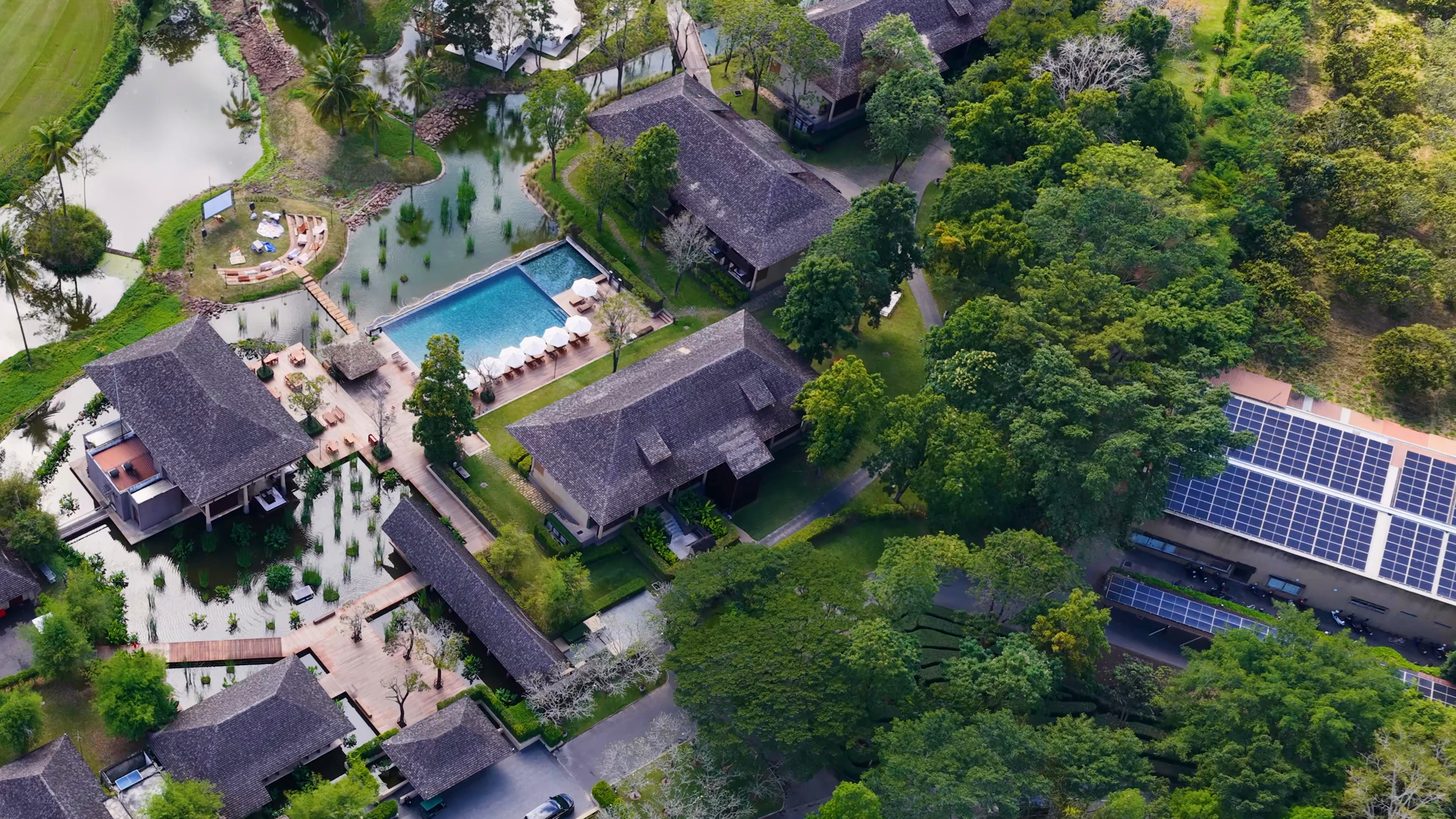
Do clients actually ask for sustainable hotels in Thailand — and can agents deliver? Increasingly yes, and the answer is more nuanced than a single "eco-friendly" label. Thailand's hospitality sector now spans genuinely certified sustainable properties — solar power, water recycling, single-use-plastic elimination, verified community and conservation partnerships — alongside hotels that use green language loosely without the certification to back it. Knowing the difference, and being able to point to it, is what turns a vague client request into a confident recommendation. This guide from a Thailand DMC for travel agents covers what genuine sustainability credentials look like and how to position them. Start with our Thailand destinations hub.
Explera is an IATA TIDS-registered ground handler trusted by 340+ agency partners, with in-house transport, licensed guides, 24/7 support and IATA TIDS registration (96215733) — our desk maintains relationships with genuinely certified properties across the destinations we operate in.
What genuine sustainability credentials actually look like
Recognised certification — third-party audited energy, water and waste standards — is the meaningful signal, not a hotel's own marketing copy. Look for verifiable specifics: solar or renewable energy use, water treatment and reuse systems, measurable single-use-plastic reduction, and documented, ongoing partnerships with local conservation or community projects rather than a one-off donation mentioned in a brochure. A property that can produce specifics when asked is a very different proposition from one that simply uses the word "eco" in its name.
Where Thailand's sustainable hospitality is strongest
Certified sustainable properties cluster particularly around Thailand's marine and forest destinations — parts of Khao Sok, the Trang and Similan-area islands, and select Phuket and Koh Samui resorts — where the operating case for sustainability is most direct: the reef, the forest or the water quality is the product being sold. Our Khao Sok guide and Trang islands guide cover destinations where this sustainability positioning is strongest.
Selling sustainability without overselling it
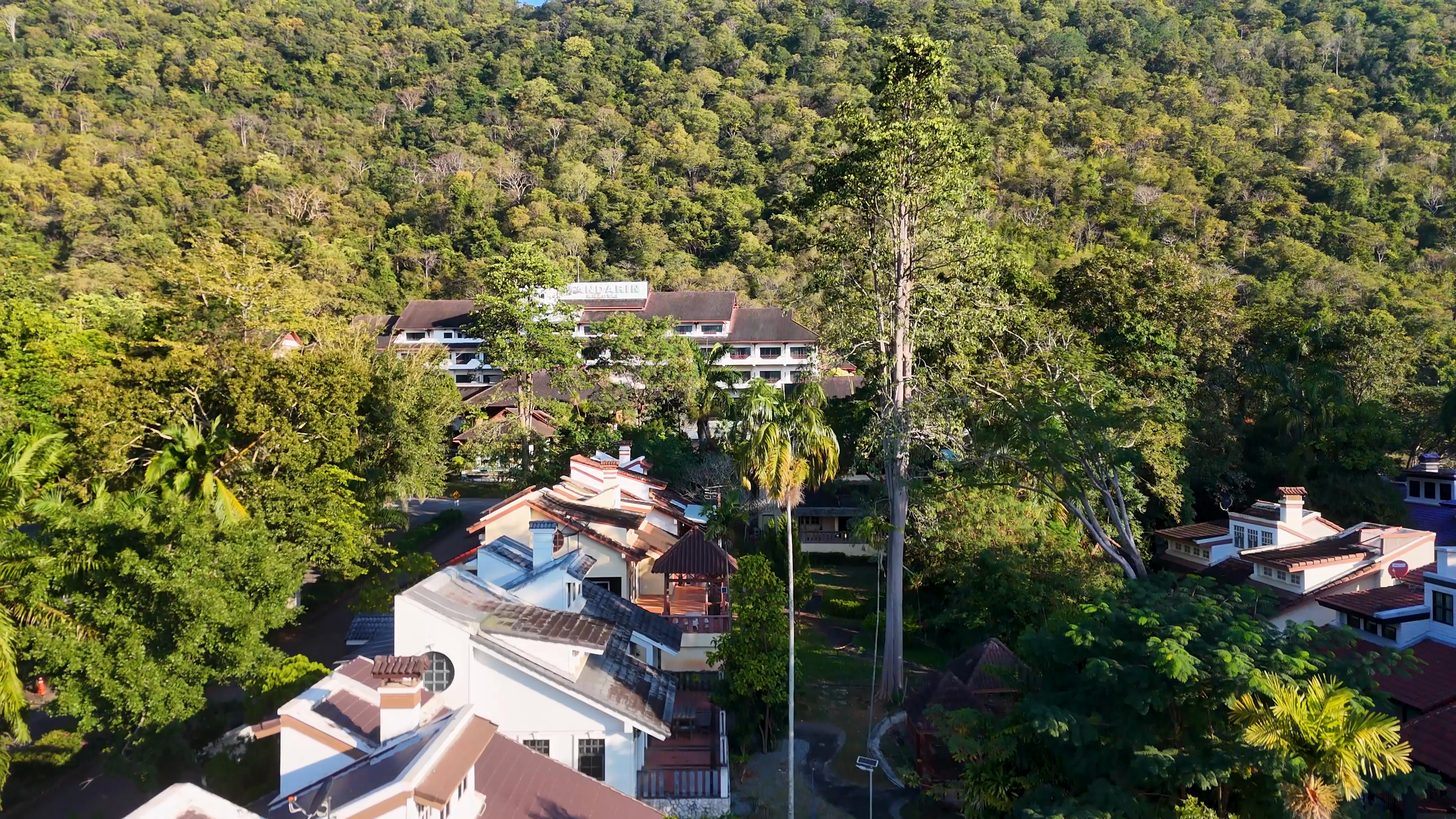
The honest brief for agents: sustainability is a genuine differentiator for the clients who care about it, but it shouldn't be the only reason offered for a booking, since the property still needs to deliver on comfort, service and location independently. Frame it as one strong credential among several, and be ready to answer a client's specific question — which certification, what the property actually does — rather than a general "they're eco-friendly" claim that won't survive a follow-up question.

How to package it — your Thailand DMC for travel agents
Verifying sustainability credentials is exactly the kind of ground-level check a partner should handle: our team maintains current relationships with genuinely certified properties, and the full Thailand DMC services for travel agents mean a "sustainable" recommendation is one we can back with specifics, not just repeat from a brochure — tuned to the markets you sell in. Pair it with our tours and activities team for conservation-linked excursions that match the same standard.
Selling notes for the trade
- Ask for the certification, not just the claim — a genuinely sustainable property can produce specifics.
- Lead with verifiable practices — renewable energy, water systems, documented partnerships — over general "eco-friendly" language.
- Position sustainability as one strong credential, not the sole reason for a booking — comfort and service still have to deliver.
- Match the destination to the story — marine and forest destinations carry the strongest, most credible sustainability narrative.
- Be ready for a follow-up question — a client who cares about this will often ask for specifics.
Frequently asked questions
How can travel agents tell if a Thailand hotel is genuinely sustainable?
Look for third-party certification and verifiable specifics — renewable energy use, water treatment systems, measurable plastic reduction and documented, ongoing conservation or community partnerships — rather than general "eco-friendly" marketing language alone.
Which parts of Thailand have the strongest sustainable hotel options?
Marine and forest destinations tend to lead — parts of Khao Sok, the Trang and Similan-area islands, and select Phuket and Koh Samui resorts — where the natural environment is directly tied to the guest experience being sold.
Should sustainability be the main selling point for a hotel recommendation?
It's best framed as one strong credential among several — the property still needs to deliver on comfort, service and location, and sustainability works best as a genuine differentiator, not the sole pitch.
Do clients actually ask about hotel sustainability credentials?
Increasingly, yes — and being able to answer with specifics rather than a general claim is what turns the question into a confident recommendation rather than an awkward pause.
Recommend sustainability you can actually back up — with a Thailand DMC for travel agents that knows which properties earn the label. Ask our trade desk for verified sustainable options in your client's destination.