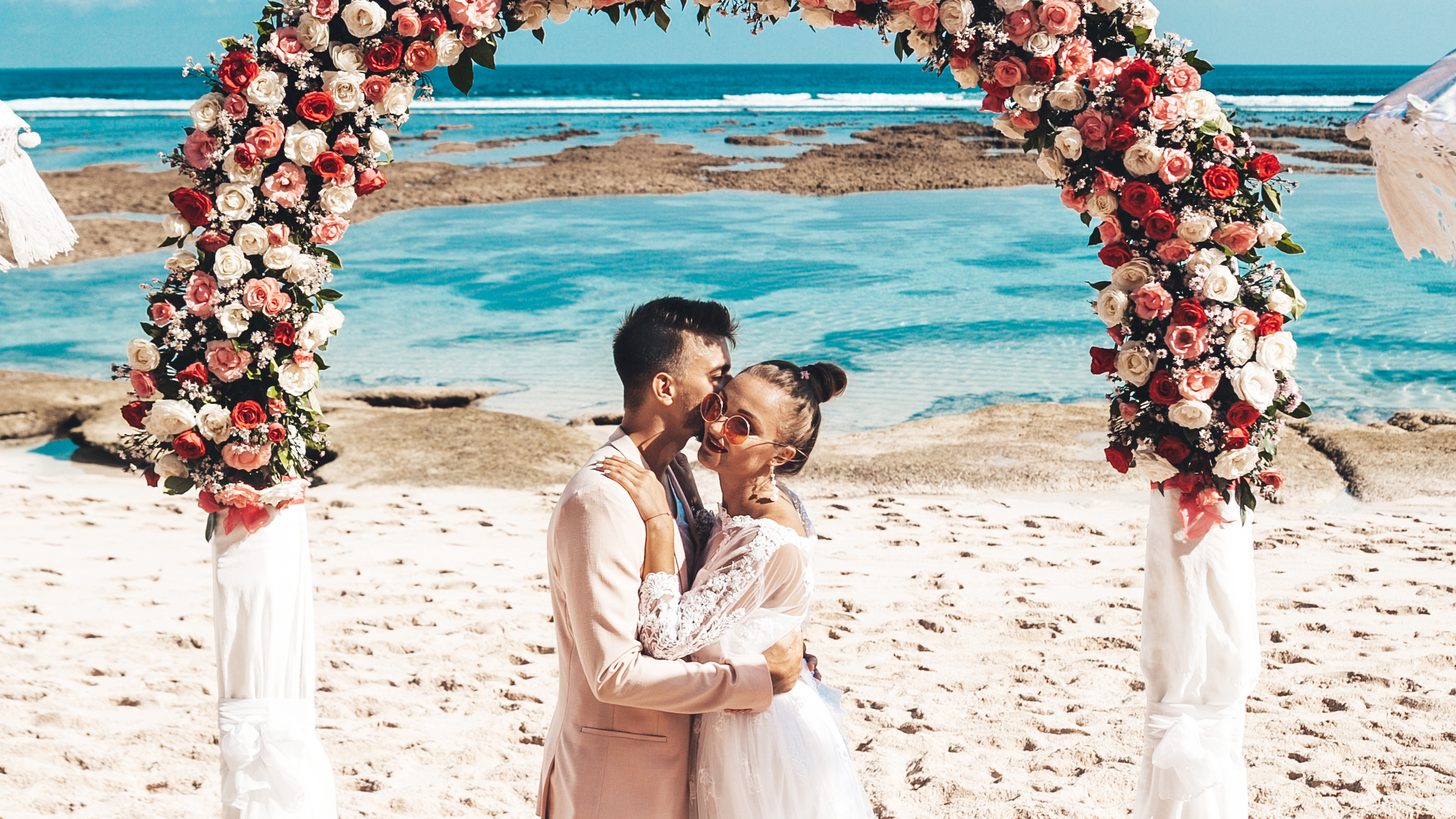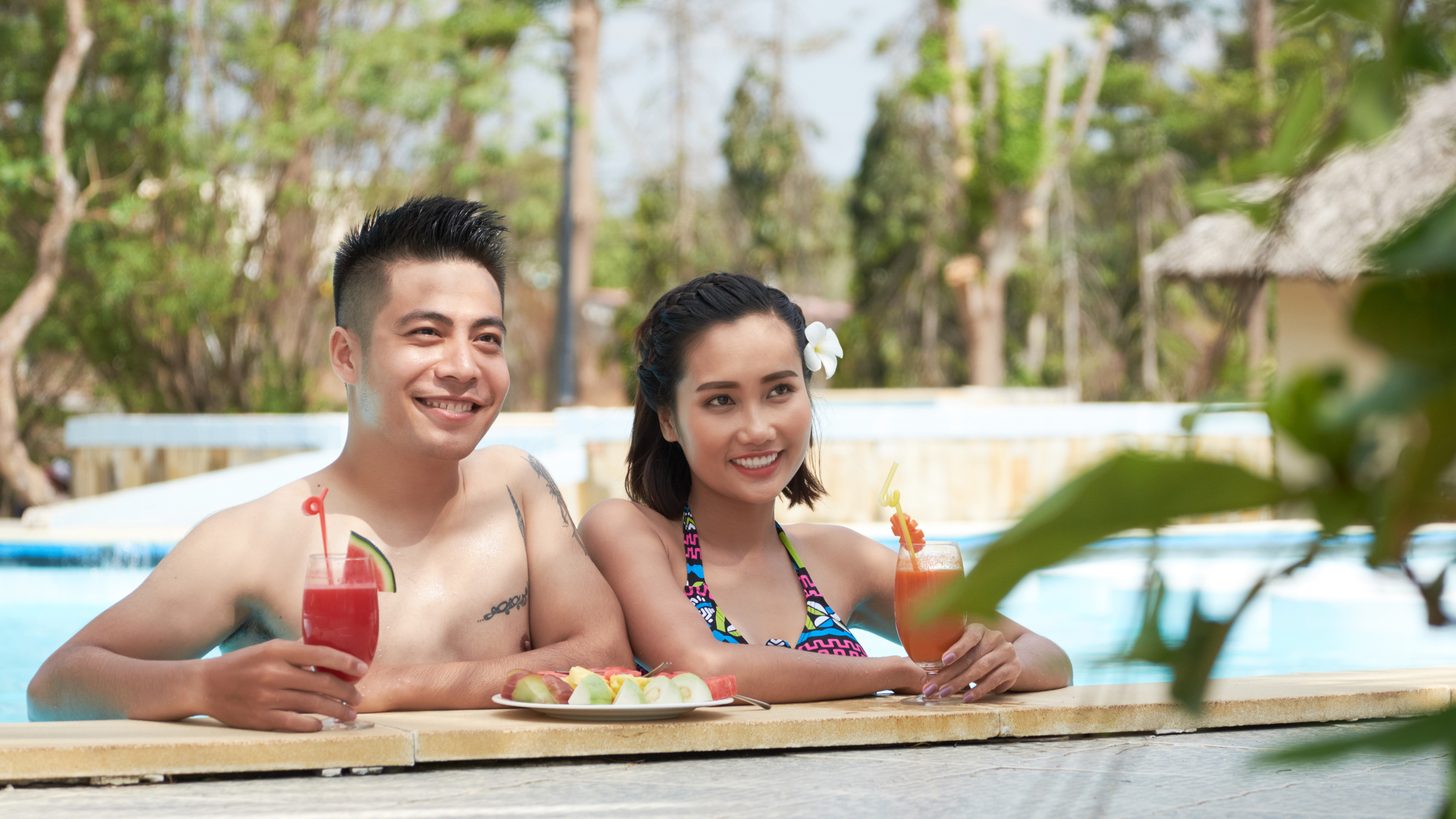

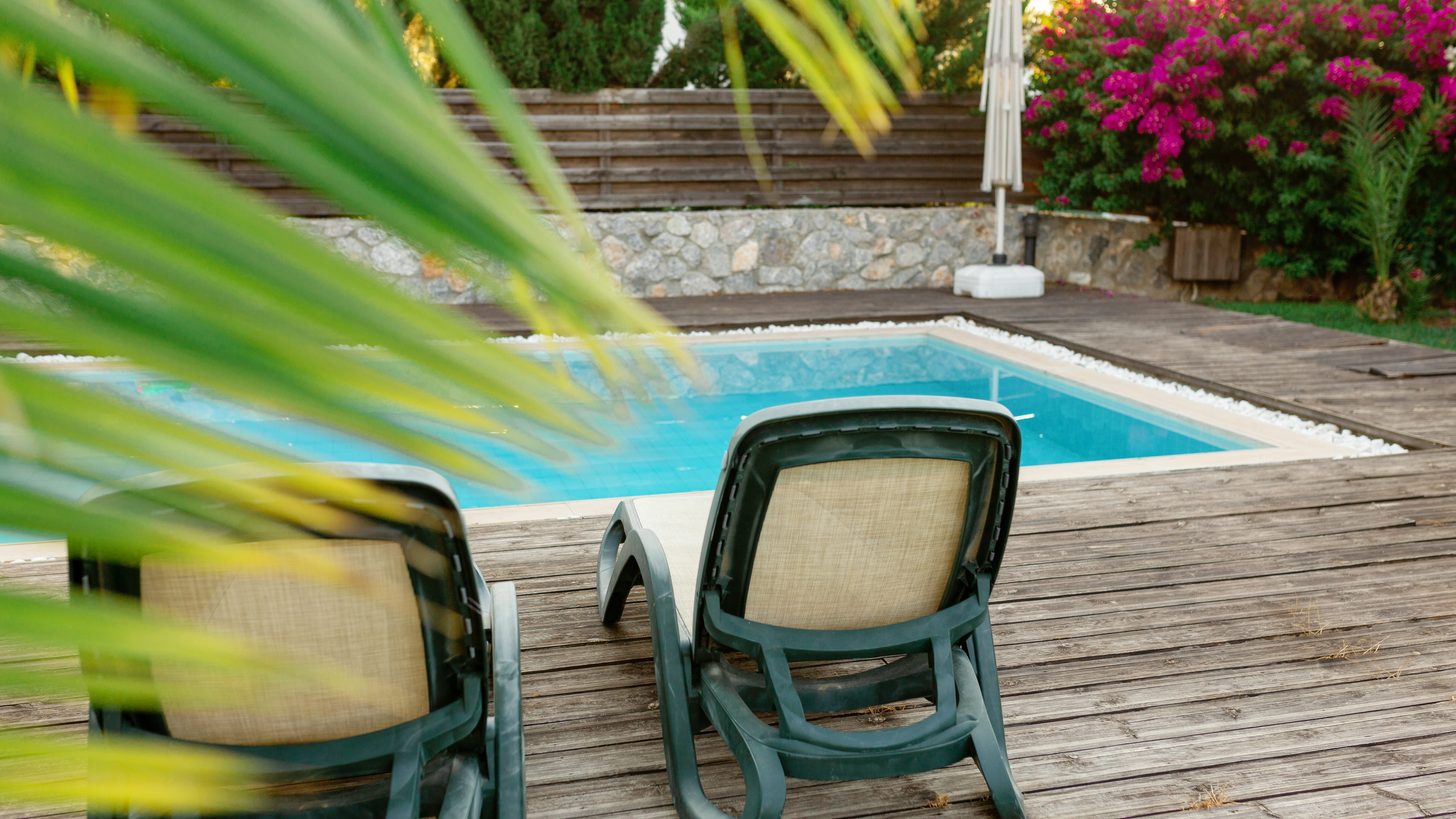
Why should agents sell Thailand to GCC families for June–August? Because the Gulf's school-holiday peak lands exactly in Thailand's green season — and it is the highest-yield demand Thailand receives: Saudi visitors stay around two weeks and spend about 110,000 baht per person per trip, the highest of any foreign market, according to Tourism and Sports Minister Atthakorn Sirilatthayakorn, with 228,032 Saudi arrivals in 2024, up 28% year on year. This guide from a Thailand DMC for travel agents covers the counter-seasonal logic, the honest halal picture, the family logistics that decide the booking and the settlement expectations — the operational depth behind our GCC market overview.
Explera is an IATA TIDS-registered ground handler trusted by 340+ agency partners, with in-house transport, licensed guides, 24/7 support and IATA TIDS registration (96215733) — Gulf-market families and long-stay villa programmes are a core of our summer season.
Why does Gulf demand peak in Thailand's green season?
The Gulf's long school break runs June to August — the very months many agents treat as Thailand's off-season. For GCC families escaping 45-degree summers, Thailand's green season is not a compromise: it is mild by comparison, lush, and priced at its most generous. The result is an inverted playbook: the weeks when European demand is thinnest are when Gulf demand is strongest, which means better availability at the connecting-suite and villa level, more negotiating room on the ground, and a client base whose spend more than carries the season. Pair this with the counter-seasonal coast logic in our gulf-coast routing guide and the season objection disappears.
What does the GCC spend-and-stay profile look like?
The numbers set this market apart. Saudi visitors average roughly two weeks per trip and around 110,000 baht per person in spend — the highest of any source market, per the Tourism and Sports Minister — and Saudi arrivals reached 228,032 in 2024, growing 28% on the prior year (figures as of mid-2026). The shape of the spend matters as much as the size: multi-bedroom villas and connecting suites over standard rooms, private transport over shared, long stays split across two or three properties, and daily activity spend that rewards agents who programme generously rather than thinly.
Where is halal genuinely easy — and where should you brief clients?
Honesty sells better than hype here: TAT's own readiness self-assessment rates Thailand five-out-of-five on beaches and family experiences but only three-out-of-five on halal food — accurate, and useful. Bangkok is genuinely easy, with a deep halal dining scene and hotels accustomed to Gulf guests; Phuket is good and improving, especially around Bang Tao and Patong; Krabi's Muslim-majority communities make it quietly excellent. Where to brief carefully: smaller islands and rural north, where halal kitchens must be pre-arranged rather than assumed. The fix is operational — pre-verified restaurant chains, in-villa halal chefs and briefed hotel kitchens — not a reason to avoid the destination.
What family logistics decide the booking?
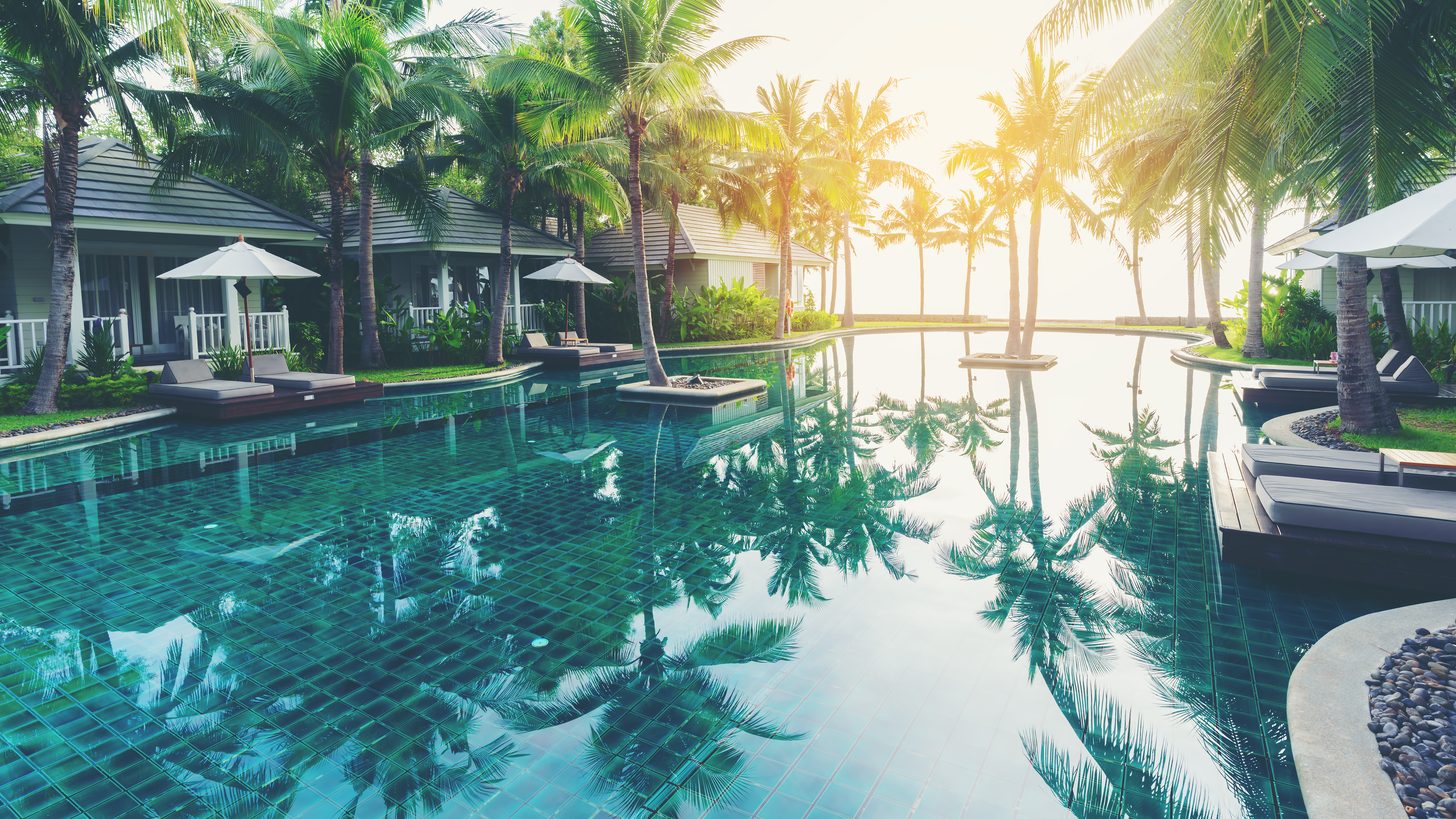
Gulf families book on configuration, not just star rating: connecting suites confirmed by room number, private-pool villas with genuine privacy screening, babysitting and kids' clubs verified in advance, prayer-direction and privacy details handled without being asked, and female-therapist spa options where requested. A ground Thailand DMC can pre-verify connecting suites, private-pool villas and in-villa halal catering before you confirm — which is exactly the reassurance that closes a high-value family file.
How do you plan around Eid and the 2026–27 school calendar?
| Window | What drives it | Planning note |
|---|---|---|
| June – August | Gulf school summer break — the main family peak | Book villas and connecting suites earliest; longest stays of the year |
| Eid al-Fitr & Eid al-Adha weeks | Short high-intent family escapes around the holidays | Islamic dates shift ~11 days earlier each year — confirm the season's dates before quoting |
| Winter term breaks | Shorter secondary window | Competes with global high season — lead times matter |
| Ramadan | Travel slows; post-Ramadan rebound is sharp | Position quotes to convert immediately after Eid al-Fitr |
Which routes and gateways work from the Gulf?
The big-three Gulf hubs — Dubai, Abu Dhabi and Doha — give one-stop reach from every GCC city, and the 2026 capacity picture keeps improving: Emirates has expanded Dubai–Phuket to a third daily service, and Etihad has added direct links into secondary gateways including Krabi and Chiang Mai (as of July 2026). Routing a family straight into Phuket or Krabi — skipping the Bangkok connection entirely — shortens the travel day with children and is exactly the kind of detail that differentiates a quote.

What settlement and service expectations should you set?
The Gulf trade expects account management, not ticketing: a named contact, response inside hours, and settlement that fits the agency's books — AED or SAR invoicing rather than forced third-currency conversion. On the ground, the full Thailand DMC services for travel agents run the airport-to-villa chain with our private transport fleet, keep a 24/7 line open through the stay, and hold the long-stay villa inventory this market consumes — aligned to the source markets you sell in.
Selling notes for the trade
- Sell June–August as the Gulf's high season — the school break inverts Thailand's seasonality and green-season value widens your margin.
- Quote configurations, not room counts — connecting suites by room number, villa privacy, babysitting confirmed in advance.
- Be honest about halal — easy in Bangkok, good in Phuket and Krabi, pre-arranged elsewhere; honesty plus a fix beats overpromising.
- Route direct into Phuket or Krabi where possible — one-stop Gulf-hub connections into secondary gateways shorten the family travel day.
- Track Eid dates annually — they move ~11 days earlier each year and drive short, high-intent booking windows.
Frequently asked questions
How much do GCC travellers actually spend in Thailand?
Saudi visitors are Thailand's highest-spending market at roughly 110,000 baht per person per trip across an average two-week stay, according to the Tourism and Sports Minister — with 228,032 Saudi arrivals in 2024, up 28% year on year.
Is Thailand genuinely halal-friendly?
Partly — and honesty wins here. TAT self-rates halal food readiness three out of five (versus five for beaches and family experiences). Bangkok, Phuket and Krabi are straightforward; smaller islands and the rural north need pre-arranged halal catering, which a ground handler can lock in before you confirm.
When do Gulf families travel to Thailand?
The main peak is the June–August school break, with secondary spikes around Eid al-Fitr and Eid al-Adha (dates shift about 11 days earlier each year) and the winter term breaks.
Doesn't the rainy season ruin a June–August Thailand trip?
No — green-season rain typically comes in short bursts, the gulf coast (Koh Samui side) runs drier than the Andaman in these months, and coming from a 45-degree Gulf summer, clients experience the season as lush relief rather than bad weather.
What should a GCC-focused agent ask a Thai ground partner for?
Pre-verified connecting suites and private-pool villas, written halal-catering arrangements, private transport with child seats, AED/SAR settlement and a named 24/7 contact — our trade desk sets all five up as standard.