

What actually drives the cost of ground transport in Thailand, and where does an agent's margin quietly leak? Four things decide it: the vehicle class you put people in, the distance and dead-running behind each leg, the wait time you're paying for, and the traffic buffer nobody quotes but everybody pays. Get those right and transfers are a clean, predictable line in your programme; get them wrong and an under-sized coach or an unbudgeted toll eats the margin you thought you'd protected. This guide from a Thailand DMC for travel agents opens up how ground transport is really costed — deliberately without any figures — so you can read a transport line and know exactly what you're buying.
Explera is an IATA TIDS-registered ground handler trusted by 340+ agency partners, with an in-house transport fleet, licensed guides, 24/7 support and IATA TIDS registration (96215733) — controlling the vehicles ourselves is how we keep your transfers on time and on budget.
How are transfers actually priced?
A transfer price is never just "A to B." It is built from the vehicle class the party needs, the real distance driven — including the empty run to reach the pickup and return to base — and the time the vehicle and driver are committed to you, waiting included. A late flight that holds a driver on the kerb for an hour is a cost whether or not anyone names it; a sedan quoted for a family that actually travels with three large cases becomes a re-book on arrival. The discipline that protects you is to specify the party honestly at quoting — heads, bags, mobility, meet-and-greet or kerbside — so the vehicle is right the first time and there is no on-the-day upgrade to absorb.
Why does coach sizing make or break your margin?
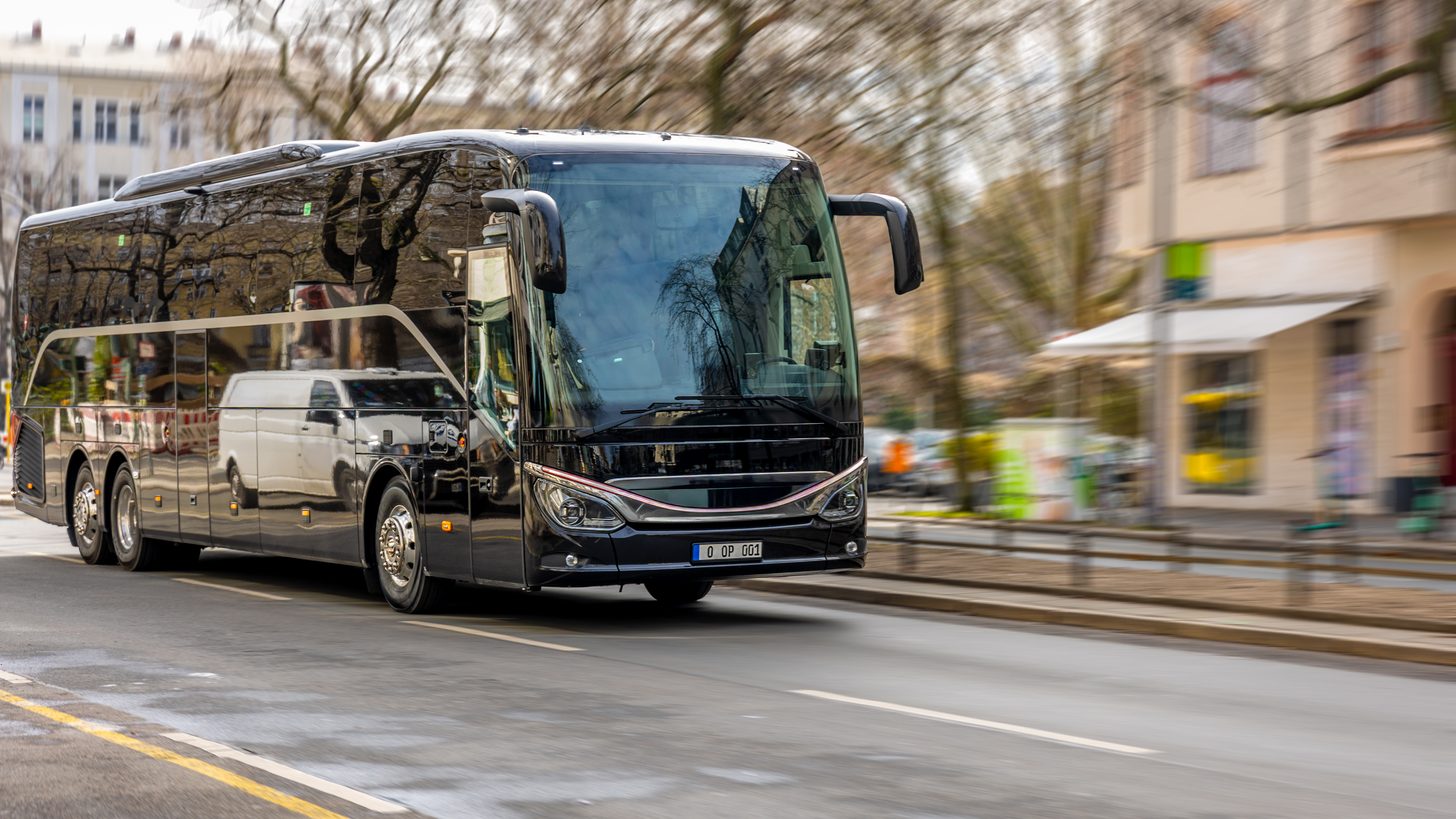
Coaches are where transport economics turn sharply. Price a group into a vehicle that is too big and you carry empty seats you can't sell; size it too tight and you're paying for a second vehicle, a guide's split attention and a slower day the moment the group grows or the luggage does. The trap is that the cost per head does not fall smoothly — it steps at each vehicle band, so the same group can be efficient at one size and wasteful one head over. A ground operator that sizes against your real manifest, luggage profile and day-plan — not a round number — is protecting your per-pax cost, not just booking a bus.
What is the Bangkok traffic buffer — and who absorbs it?
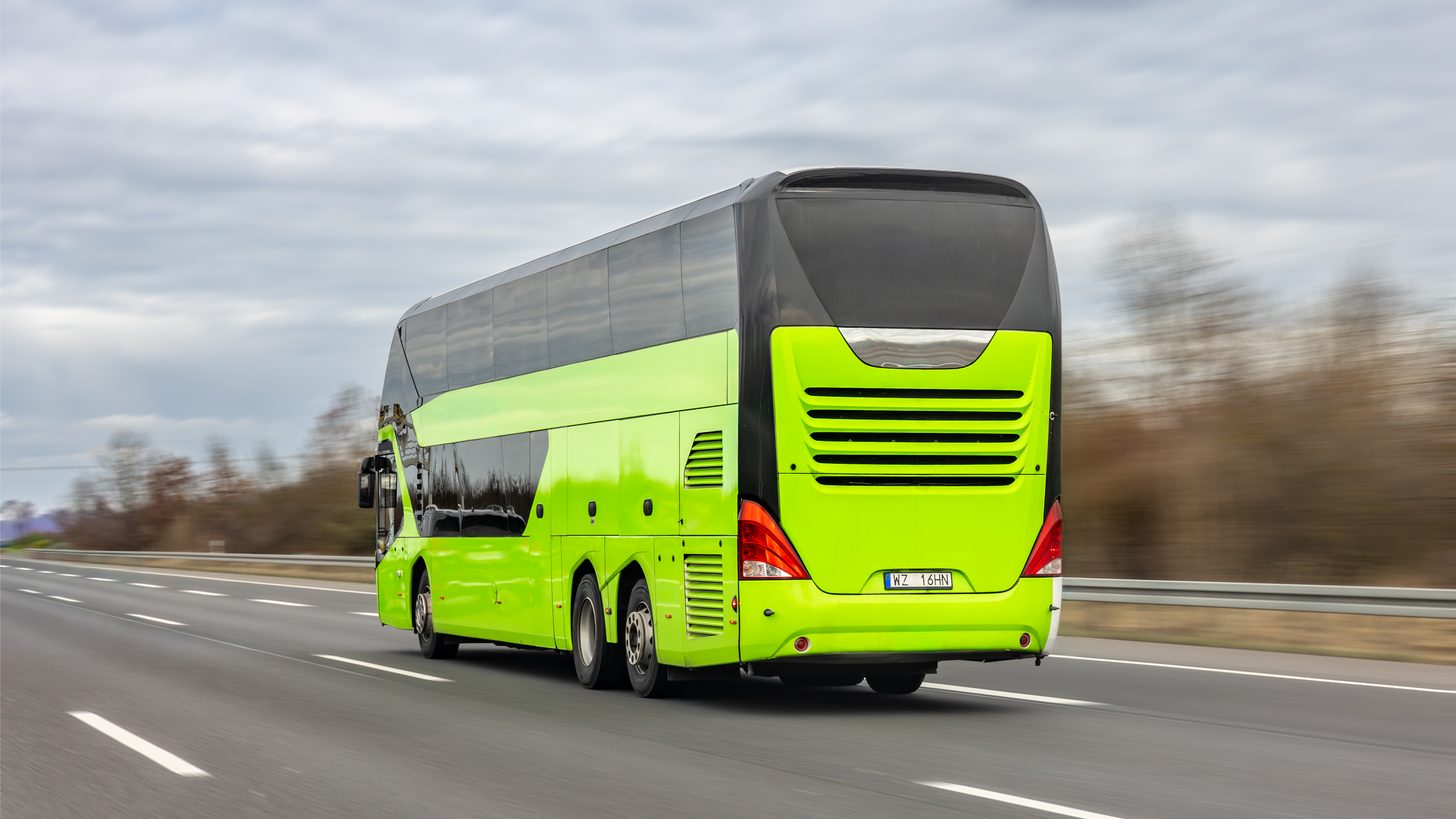
Every Bangkok programme is priced against time the map doesn't show. A cross-city transfer that looks like a short hop can double in a compression window, and that buffer has to sit somewhere: in a longer vehicle commitment, in an earlier pickup, or in a missed slot if nobody planned for it. A Thailand DMC that runs the city daily builds the buffer into the timing rather than the invoice — staging pickups earlier for airport runs, sequencing sights to travel against the flow, and holding the vehicle so a stuck leg doesn't collapse the next one. The buffer is real either way; the only question is whether it's planned or discovered.
The hidden costs agents miss
The quoted vehicle is rarely the whole cost of moving a group. Parking at temples and piers, expressway tolls, driver day-allowances and overnight stays on multi-day routes, and national-park or attraction vehicle fees all attach to real itineraries and all belong in the quote before the client sees it — not as a surprise reconciliation after travel. The value of an itemised transport line is that these appear where you can see and price them; the danger of a single opaque "transport" figure is that one of them is missing, and it surfaces as a margin hole once the programme has run.
Ferry and island sequencing
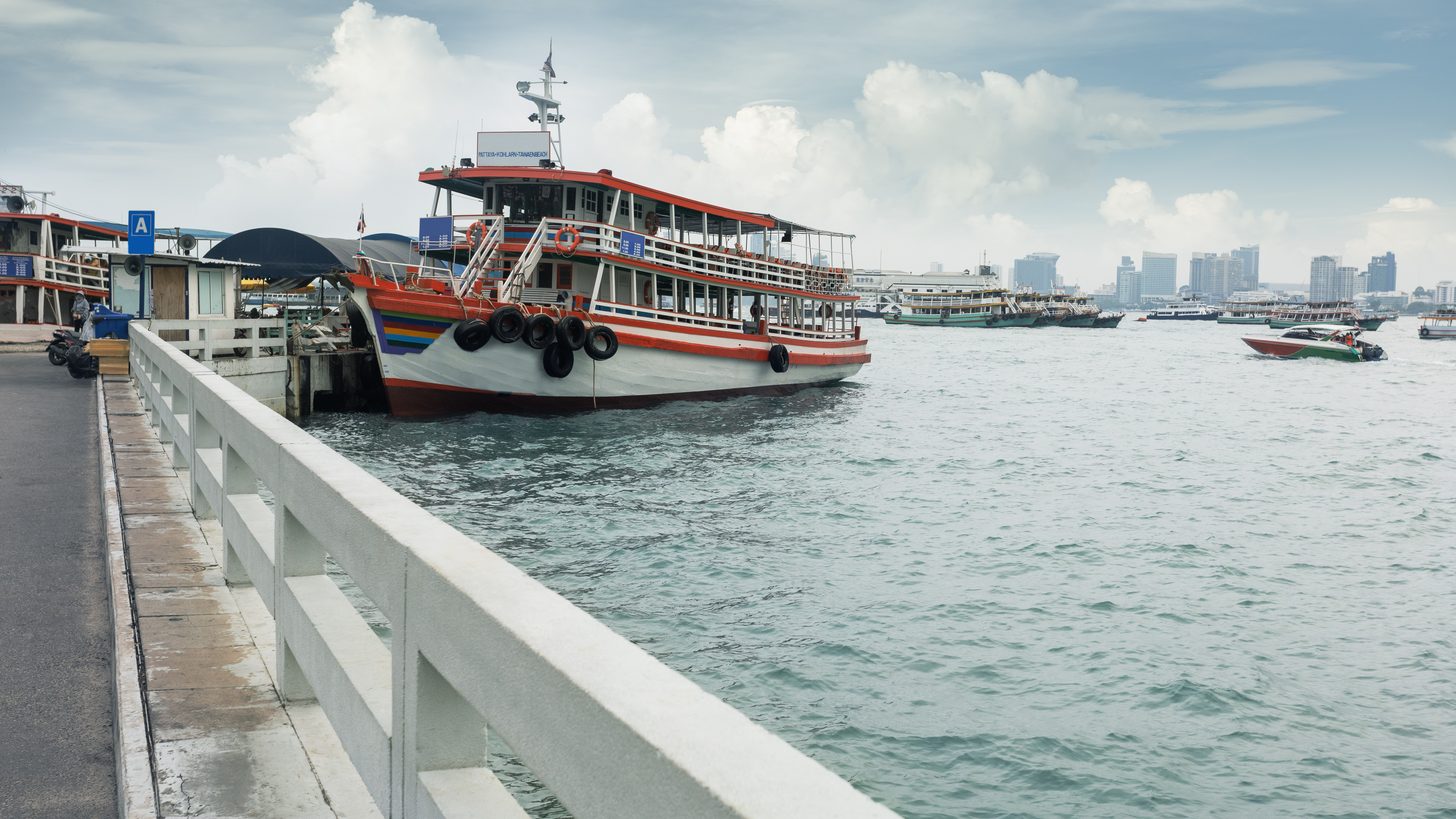
Island routing adds a layer road-only costing never sees: ferry and speedboat schedules, tide and weather windows, and the pier transfers that bracket every crossing. Sequence a Gulf or Andaman itinerary against the boats rather than the map and the vehicle days line up cleanly; sequence it against the map alone and you pay for a coach idling at a pier for a crossing that left an hour ago. The same logic applies to the last-mile handoff — who meets the boat, and whether the onward vehicle is waiting or being summoned.
In-house fleet vs brokered — why it matters
The last cost lever is who actually controls the vehicle. A Thailand DMC with an in-house fleet owns the pickup timing, the vehicle standard and the driver relationship, so it can absorb a delayed flight or a stuck road without renegotiating with a third party mid-day. A purely brokered chain adds a margin layer and a coordination seam exactly where things go wrong — at the kerb, in the rain, when the plan changes. Neither model is wrong for every job, but for groups, multi-day routings and anything with tight connections, control on the ground is what turns a transport risk into a transport line you can trust.
Ground transport economics at a glance
| Cost driver | What to confirm at quoting | Why it protects your margin |
|---|---|---|
| Vehicle class & sizing | Real heads, bags and mobility — not a round number | Avoids on-arrival upgrades and empty-seat waste |
| Wait & dead-running | Meet-and-greet, flight-hold and return-to-base time | Prices the driver's committed hours before they surprise you |
| Traffic buffer | Staging and sequencing for compression windows | Keeps missed slots off your programme and your invoice |
| Hidden extras | Tolls, parking, driver allowances, park/pier fees | Itemised up front instead of a post-travel margin hole |
| Fleet control | In-house vehicles vs brokered chain | Absorbs delays without a mid-day third-party renegotiation |
How to work with us — your Thailand DMC for travel agents
Clean transport costing is a service, not a guess: our full Thailand DMC services for travel agents put the in-house transport team to work sizing vehicles to your real manifest, building the traffic buffer into the timing, and itemising tolls, parking and allowances so nothing surfaces after travel — matched to the excursions and day trips the vehicles actually serve and the destinations you're routing. Take any specific routing to our trade desk and we'll cost it line by line.
Selling notes for the trade
- Specify the party honestly at quoting — heads, bags and mobility decide the vehicle, and getting it right avoids the on-arrival upgrade.
- Size coaches to the manifest, not a round number — cost per head steps at each vehicle band, so one head over can be wasteful.
- Plan the Bangkok buffer, don't discover it — a ground team stages timing so a stuck leg doesn't collapse the day.
- Insist on an itemised transport line — tolls, parking, allowances and park fees belong in the quote, not a post-travel surprise.
- For groups and island routings, value fleet control — an in-house fleet absorbs delays a brokered chain has to renegotiate.
Frequently asked questions
What makes one transfer cost more than another over the same route?
Vehicle class, the real distance driven including the empty run to and from base, and the committed time — waiting and flight-holds included. Two "airport to hotel" transfers can cost very differently once bags, mobility and meet-and-greet are specified honestly.
How do I avoid paying for the wrong coach size?
Give your ground operator the real manifest — heads, luggage profile and the day-plan — rather than a round number. Cost per head steps at each vehicle band, so sizing against actual numbers is what stops empty-seat waste or an unplanned second vehicle.
Who absorbs Bangkok traffic delays?
Whoever planned for them. A ground team that runs the city daily builds the buffer into pickup timing and route sequencing, so a compressed leg doesn't cost you a missed slot. Unplanned, that same delay surfaces as a broken itinerary.
What hidden costs should be in a transport quote?
Tolls, parking at temples and piers, driver day-allowances and overnight stays, and national-park or attraction vehicle fees. An itemised transport line shows these up front; a single opaque figure risks one of them missing and becoming a margin hole after travel.
Does it matter whether the DMC owns its vehicles?
For groups, multi-day routings and tight connections, yes. An in-house fleet controls pickup timing, vehicle standard and drivers, so it can absorb a delay without renegotiating with a third party mid-day — which is exactly when a brokered chain tends to fail. Our trade desk can confirm which vehicles run in-house.