

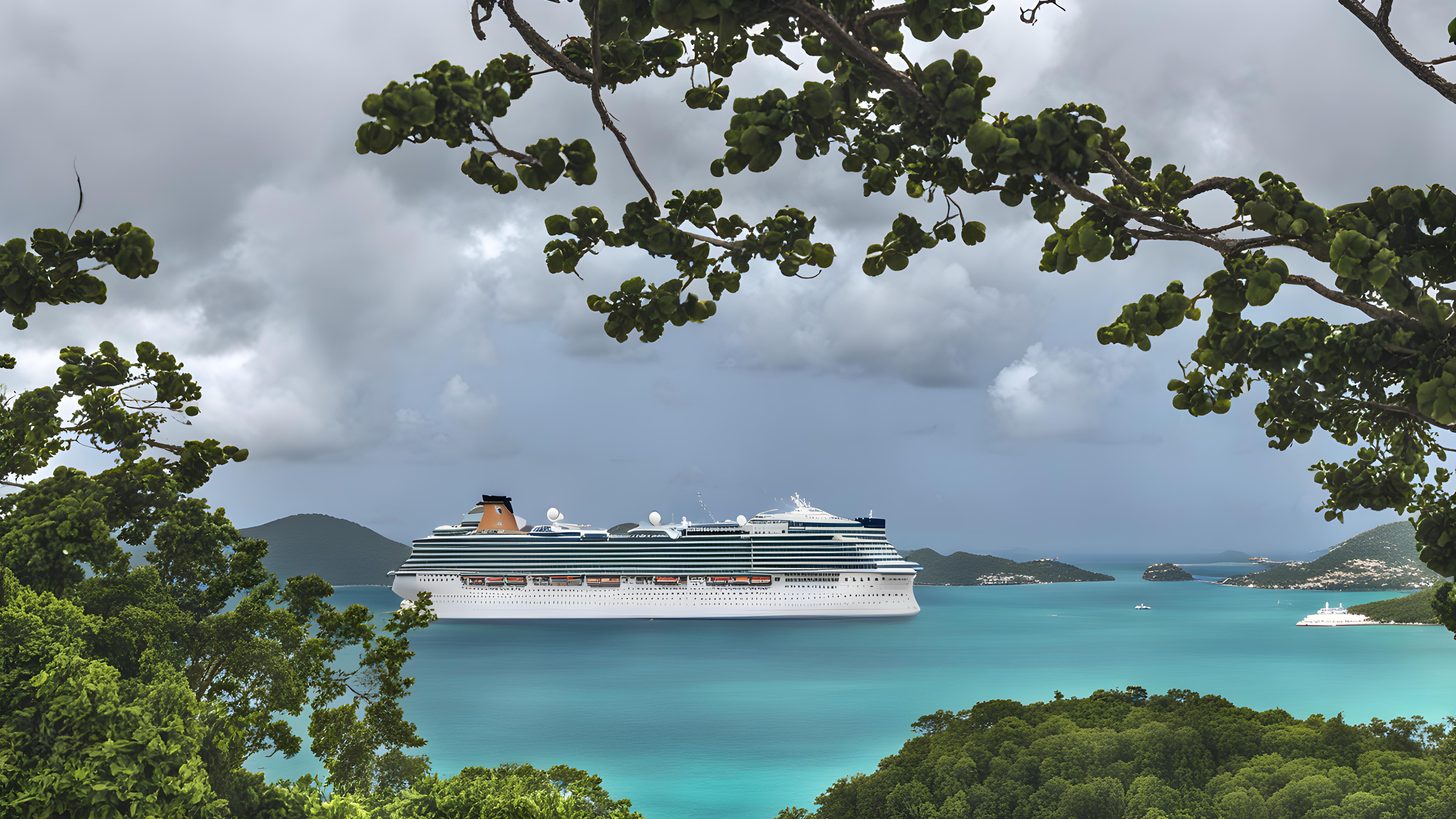
The real margin in a Thailand cruise file sits in the nights before and after the ship sails, not in the shore excursion sold at the pier. A call at Laem Chabang or Phuket puts a client in the country for a matter of hours under the cruise line's own tour desk; a pre-cruise or post-cruise stay can run to a week of hotel nights, transfers, guiding and extra touring — all of it land business the agent books, owns and earns on, rather than a single onboard shore-excursion credit. This guide from a Thailand DMC for travel agents sets out the main gateways, realistic programme shapes, and the logistics that decide whether a pre/post file runs smoothly or costs a client their cabin.
Explera is an IATA TIDS-registered ground handler trusted by 340+ agency partners, with in-house transport, licensed guides, 24/7 support and IATA TIDS registration (96215733). Reach the trade desk at b2b@explera.co.th.
Why the land programme outsells the shore excursion
A shore excursion booked through the ship's tour desk is capped by design: one call, a few hours ashore, a fixed onboard commission, and zero control over pacing, group size or inclusions. A pre- or post-cruise land programme is a different commercial animal. The agent owns the hotel nights, the airport and pier transfers, the guiding, any extra day tours, and the sequencing of the whole segment — which is where the quote has room to move and the file has room to earn. It also solves a problem the cruise line does not: clients flying long-haul into Southeast Asia to join a ship rarely benefit from arriving on embarkation morning, and disembarking straight to a same-day flight home wastes a hard-won holiday and a full day of paid-for luggage allowance.
Shore excursions themselves are a separate specialism with their own booking windows and tender logistics — see our companion guide to Thailand cruise ports and shore excursions for that side of the file. This guide covers the land programme either side of the sailing, built by a Thailand DMC that runs its own transport fleet, hotel contracts and guiding roster rather than a single-city tour affiliate.
The three gateways: Laem Chabang, Phuket and the Koh Samui tender
Laem Chabang is the working port for Bangkok and Pattaya calls. It is an industrial container port rather than a passenger hub, so every pier transfer runs through cargo-yard roads before reaching the expressway — build that into the timing, not just the road distance. Bangkok is a genuine, if traffic-dependent, run from the pier; Pattaya sits much closer and suits clients who want a shorter transfer either side of the cruise.
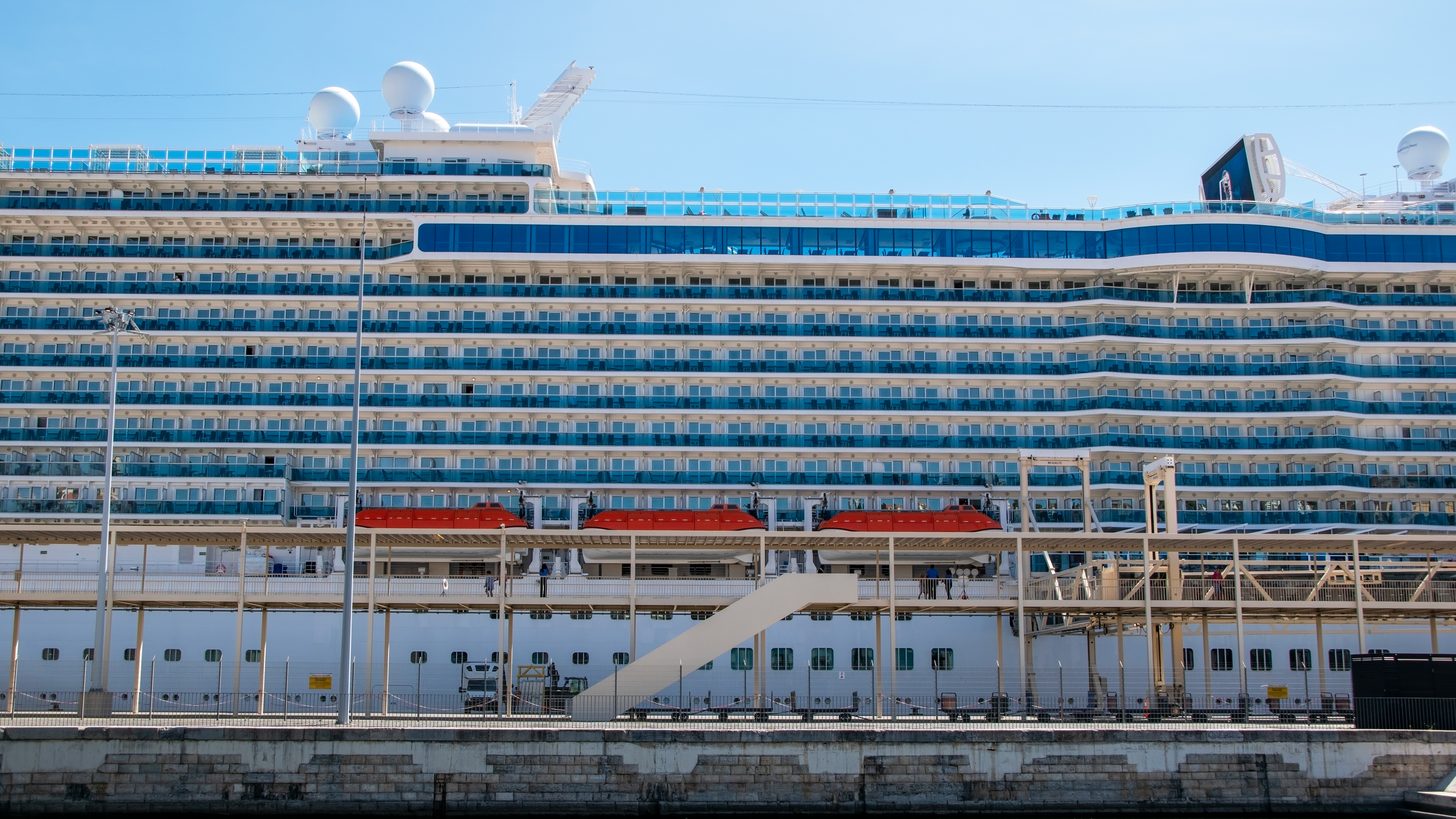
Phuket is the Andaman gateway and, unlike Laem Chabang, sits inside a resort island the client may already want to extend into. A Phuket call is the natural hinge for an island add-on: disembark into a beach stay rather than a city stay, or embark from a resort rather than an airport hotel.
Koh Samui is usually a tender port — the ship anchors offshore and passengers come ashore by ship's tender or local longtail rather than walking off a berthed vessel. That changes the land-programme maths: transfer timing has to allow for tender queues and sea conditions, and any pre/post stay built around a Samui call needs a buffer day that a Laem Chabang or Phuket file does not.
Building the programme: culture before, beach after
The most bookable shape for a Laem Chabang embarkation is a two- to three-night Bangkok culture pre-stay: temples, the river, a market morning and one relaxed dinner, timed to land the client at the pier rested rather than jet-lagged. Our Bangkok destination guide and licensed guide services cover the pacing that works for a client walking onto a ship the next morning — heavier touring earlier in the stay, a light final day, an early night before boarding.
On disembarkation, a beach post-stay in Pattaya or Hua Hin resets the trip after days at sea without adding a long transfer. Pattaya sits closest to Laem Chabang and suits a short, low-effort extension; Hua Hin trades a longer transfer for a quieter, more residential beach town, which agents increasingly like for clients who found the ship's public spaces crowded. See our Pattaya destination guide for the shape of that add-on.
Where the call is Phuket rather than Laem Chabang, the natural extension is an island add-on either side of the sailing — a resort stay on the same island the ship departs from or returns to, built around our Phuket destination guide, with hotel bookings and day trips layered in rather than left to the ship's own shore desk. All three shapes package the same way: confirm the hotel nights and the guiding first, then fit transfers and any day touring around the fixed embarkation or disembarkation time rather than the other way round.
The hard logistics that make or break the file
Pier transfer timing is the first thing to get wrong. Bangkok–Laem Chabang traffic is unpredictable at the hours cruise lines actually schedule embarkation, and a transfer quoted on a map distance rather than a realistic drive time is how a client misses the gangway. Build a buffer into the transfer, not into hope.

Luggage is the second trap. Cruise lines that through-check luggage from a partner airline are the exception, not the rule on Thailand calls — assume the client collects, carries and re-checks their own bags at every handoff, and brief the transfer driver and hotel bell desk accordingly.
Embarkation deadlines are non-negotiable: ships close check-in well before sailing, and a late arrival is the client's problem, not the cruise line's. That means flight buffers matter more than agents used to domestic touring expect — land the client the day before boarding, never the same day, and build the same buffer into the return flight after disembarkation so a delayed morning off the ship does not cost a connecting flight.
Port agent coordination is the piece a retail agent rarely sees but a ground handler manages constantly: confirming berth changes, revised disembarkation windows and terminal access with the local port agent, then adjusting coach and guide timing on the day rather than the week before. That coordination, plus the transport itself, is what our transportation team runs on every cruise-linked file.
| Gateway port | Land hub it feeds | Realistic transfer allowance | Natural pre/post fit |
|---|---|---|---|
| Laem Chabang | Bangkok | Longer, traffic-dependent run each way | 2–3 night culture pre-stay before boarding |
| Laem Chabang | Pattaya | Short coastal run each way | Beach post-stay after disembarkation |
| Phuket | Andaman resort belt | Short to moderate, island roads | Island add-on either side of the sailing |
| Koh Samui | Island resort belt (tender port) | Add a buffer day for tender queues | Pre/post stay with a spare day built in |
Why the pre- and post-programme belongs with a Thailand DMC, not the cruise line
The cruise line's own desk is built to sell shore excursions on the day the ship is in port — it has no reach into hotel contracting in Bangkok, no fleet for a Pattaya or Hua Hin transfer, and no relationship with a port agent beyond the call itself. The land programme either side of the sailing needs the opposite: confirmed hotel allotments, a transport fleet that can absorb a delayed berth without cancelling a coach, licensed guides who know the pacing a just-disembarked or about-to-embark client needs, and a single point of contact when a flight, a tide or a tender queue moves the plan. That is Thailand DMC services for travel agents — ground handling built around the file, not the ship.
It matters more, not less, when the client is arriving from further afield. Agents working long-haul source markets are the ones most exposed if a pre-stay is under-buffered, because the flight home cannot simply be rebooked at the pier. Send the itinerary — sailing dates, port, direction of travel — to a ground handler before quoting the land nights, not after.
Selling notes for the trade
- Sell the nights, not the call — position the pre/post stay as the trip, with the cruise as one segment inside it, so the land programme reads as the main event rather than an add-on.
- Quote the buffer, not the map — a transfer time based on typical port-day traffic protects the booking far better than the shortest theoretical drive.
- Match the stay to the direction — a culture pre-stay works best landing the client fresh into Bangkok; a beach post-stay works best resetting them after days at sea.
- Confirm luggage handling early — tell the client in writing whether they carry their own bags between hotel, transfer and terminal, so nobody is caught out at the gangway.
- Route it through one ground contact — a single handler covering hotels, transfers and guiding can absorb a berth or tender change without the agent chasing three suppliers at once.
Frequently asked questions
How many nights should a Bangkok pre-cruise stay be?
Two to three nights is the workable range for most Laem Chabang embarkations — enough for a temple morning, a river or market outing and one relaxed day, without tiring the client before they board. Shorter than that and jet lag competes with the sailing; longer than that starts to compete with time on the ship itself.
Should the beach extension go in Pattaya or Hua Hin?
Pattaya suits a short, low-effort post-stay because it sits closest to Laem Chabang and needs the least additional transfer time. Hua Hin trades a longer run for a quieter, more residential beach setting, which increasingly appeals to clients who want a calmer finish after a busy itinerary at sea.
How much buffer should we build before embarkation day?
Land the client at least the day before boarding, never the same day as sailing — flight delays, immigration queues and Bangkok–Laem Chabang traffic all eat into a same-day arrival with no recovery margin. The same logic applies to the return flight after disembarkation.
Does a Koh Samui tender call change the pre/post plan?
Yes — because Samui is typically a tender port rather than a berthed call, disembarkation and boarding both depend on tender queues and sea conditions on the day. Build in a spare day either side of the sailing rather than a tight same-day connection to a flight or onward transfer.
What should the ground handler actually manage versus the cruise line?
The cruise line runs the ship, the sailing schedule and its own onboard shore excursions; everything land-side before and after — hotel nights, transfers, guiding, day touring and coordination with the local port agent on berth or tender changes — sits with the ground handler. Send the brief to the Explera trade desk at b2b@explera.co.th.