

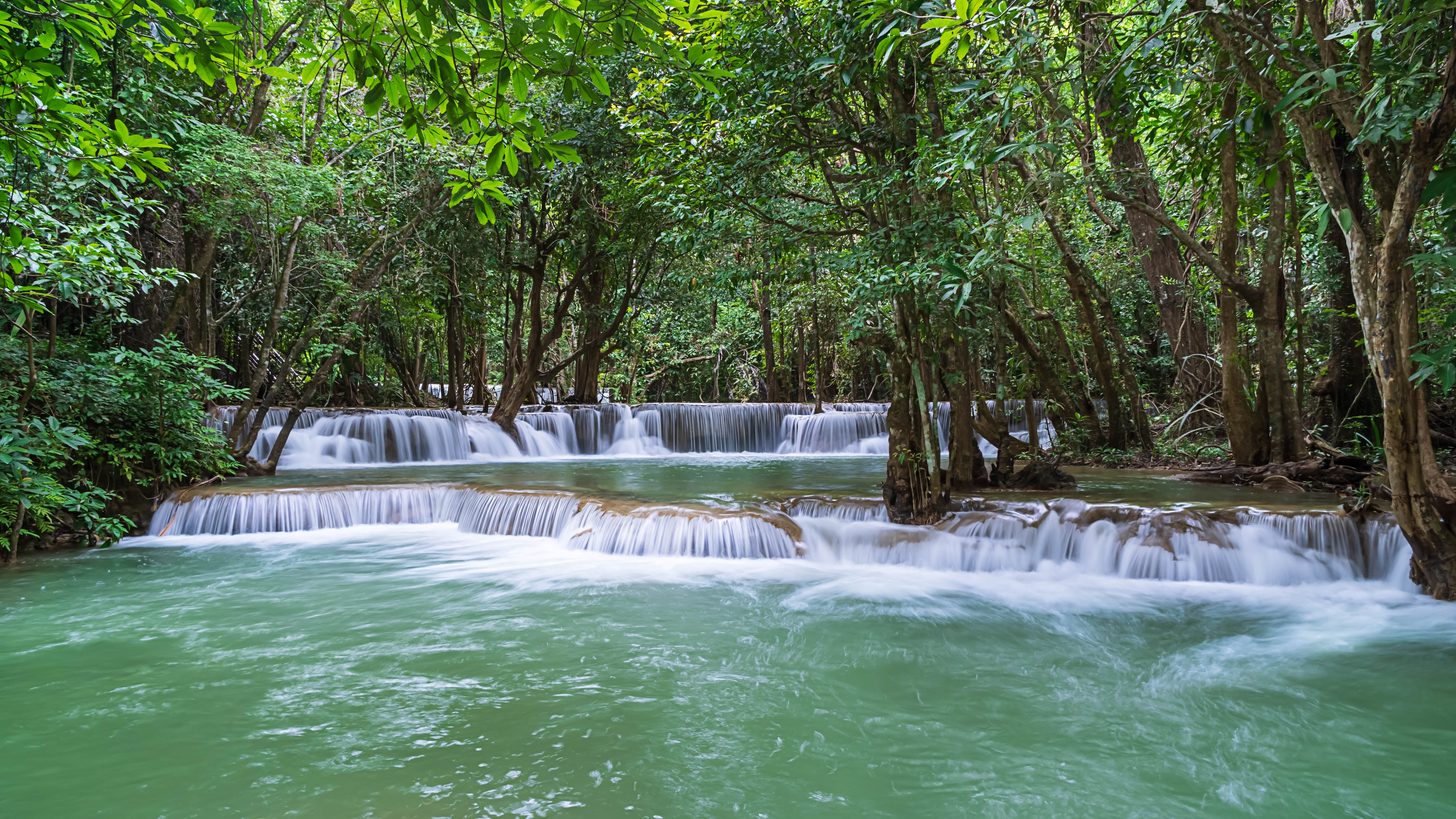
The agents who make the most margin from Thailand's green season are not the ones who discount hardest — they are the ones who match the right client to the right product and sell the weather honestly. Run May through October well and it becomes a commercial opportunity, not a season to apologise for: better availability, more attentive suppliers, and landscapes that photograph better wet than dry. This guide from a Thailand DMC for travel agents covers what green-season days actually look like on the ground, which products get stronger in the rain and which get riskier, and how to build itineraries that hold together when a storm arrives.
Explera is an IATA TIDS-registered ground handler trusted by 340+ agency partners, with in-house transport, licensed guides, 24/7 support and IATA TIDS registration (96215733). Reach the trade desk at b2b@explera.co.th.
What the green season actually looks like, day to day
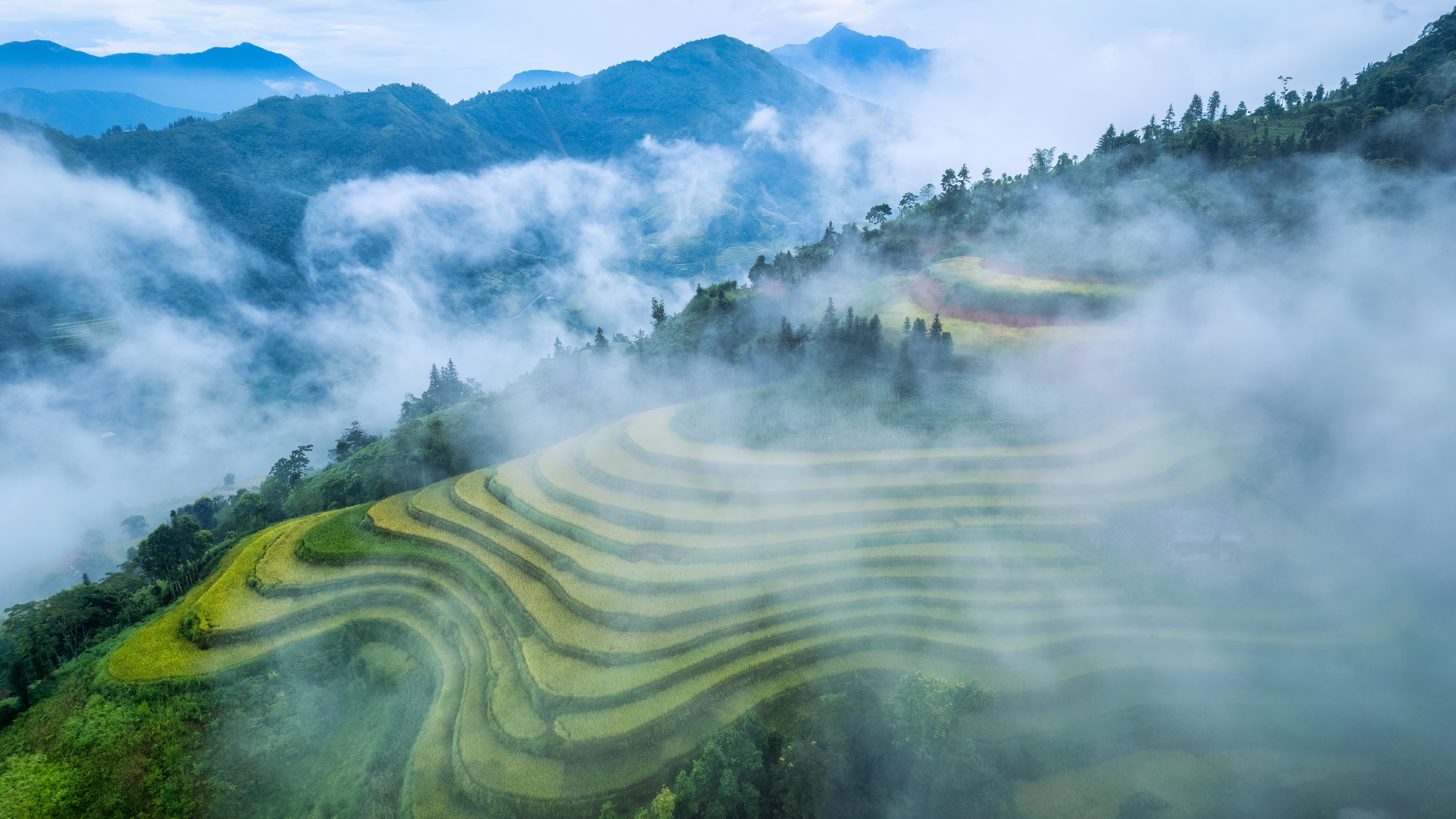
The single most useful thing an agent can tell a client is that "rainy season" is a misleading label. From roughly May to October, the pattern across most of Thailand is short, heavy downpours — often no more than an hour or two, usually in the late afternoon — rather than grey, all-day drizzle. Mornings are typically clear, which is when temples, markets and trekking routes are best tackled anyway. The payoff is visual: rice terraces and jungle hillsides turn a deep, saturated green, waterfalls thin by the cool season come back to full flow, and storm-broken skies produce dramatic light the dry months cannot match. Add thinner crowds, and a well-briefed client's day-to-day experience is often better than the one sold at peak season.
Products that improve when the rain arrives
Certain products don't just survive the green season — they improve. Waterfalls are the clearest case: many of the north's best-known falls are unimpressive by March and genuinely impressive by August, so an itinerary built around Chiang Mai can showcase falls a February client will never see at their best. Cooking classes, spa stays, and city culture in Bangkok run largely indoors and are effectively weather-proof; many sit within our tours and activities catalogue, and pairing them with a property from our hotel bookings team with a genuine wellness programme gives the day a strong indoor anchor. Photography itineraries genuinely benefit from the drama and should be sold as such — see our companion guide on selling green-season waterfalls for routes and timing.
Where the risk actually concentrates
The honest counterpart is that some products get genuinely riskier, and pretending otherwise is how an agent ends up handling a complaint instead of a compliment. Full-day boat trips and multi-island hopping are the most exposed: a squall can flatten visibility, close a pier, or turn a comfortable crossing uncomfortable, with limited scope to reroute once a group is already at sea. Remote islands with a single access point carry the same exposure — if the boat can't run, there is no way in or out that day. Diving is coast- and site-dependent: some sites hold good visibility through the wet months while others suffer run-off and swell, so a booking needs a specific site check, not a generic yes. None of this rules the products out; it means they need slack built in, not a fixed-departure guarantee.
The two-coast split that keeps options open
Thailand's geography is the agent's safety net here. The Andaman coast around Phuket and Krabi and the Gulf coast around Koh Samui sit on largely opposite rain rhythms, so a client set on a beach still has a workable option across most of the year — simply a different coast on a different week. An itinerary that opens on the mainland, moves through the north or centre for culture and landscape days, and only commits to a beach coast once outbound dates are fixed keeps far more optionality than one that books a single island resort a year out. Design it so the coast decision can be adjusted later without unpicking transfers already confirmed through our transport and logistics team.

Why the margin case runs through a Thailand DMC
Selling green season honestly means setting expectations before departure, then designing the itinerary to hold together through a change in weather. Tell the client plainly what a day looks like: clear mornings, a chance of an afternoon downpour, an indoor option nearby. Build a genuinely flexible "weather-called" day into any itinerary with a boat trip or remote island stay, so the ground team can shift the running order rather than cancel outright, and pair every outdoor day with a wet-weather plan B — a spa slot, a cooking class, a covered market — so a downpour becomes a footnote, not a refund conversation. This is the judgement call that separates a template itinerary from one that Thailand DMC services for travel agents can actually stand behind: knowing which trail floods first, which pier closes in a swell, and which supplier will swap a Tuesday for a Thursday. The margin advantage follows from that fit, not from discounting — a well-matched client books confidently, rarely disputes a weather day, and is a strong candidate to return in a different season. See our broader green-season selling guide, or compare our cool-season agent guide.
| Product | Green-season read | Selling note |
|---|---|---|
| Waterfalls & north-country trekking | Falls at full flow, jungle at its most photogenic | Promote as a peak natural spectacle, not a compromise |
| Spa, wellness & city culture | Indoor programme largely unaffected by rain | Package as the flexible, all-weather anchor of the day |
| Cooking classes & photography tours | Kitchens and markets run as normal; storm light suits photographers | Sell as a genuine upgrade, not a rainy-day filler |
| Boat days & remote islands | Workable most weeks, but exposed to a single squall | Build a weather-called day and confirm conditions close to travel |
| Diving on exposed coasts | Visibility and swell vary more by site than by season | Confirm the specific site, not just the region, before booking |
Selling notes for the trade
- Set expectations early — describe the rain pattern before booking, not after a downpour surprises the client.
- Build a weather-called day — give any boat trip or island stay one flexible day the ground team can move.
- Keep a plan B per outdoor day — pair every trek or open-air tour with a confirmed indoor alternative.
- Match the product, not the price — a client matched to what improves in the rain rarely disputes a weather day, which is where a Thailand DMC's ground judgement earns its keep.
- Lean on local timing — let the ground team call which coast and trail, rather than fixing every detail a year out.
Frequently asked questions
How do I pitch the green season without sounding like I'm downgrading the trip?
Lead with what actually improves: waterfalls at full flow, jungle at its greenest, thinner crowds, lower heat and haze. Describe the rain accurately — short afternoon bursts, not an all-day washout — so the client arrives with a realistic picture, not a worst-case one.
Which parts of a Thailand itinerary are safest to build around the rain?
Anything largely indoors or under cover: spa stays, cooking classes, temple circuits, city touring, and shopping or dining. North-country landscape days and waterfall visits are also strong, since the rain is what makes them worth seeing. The exposure sits almost entirely in full-day boat trips, remote islands with a single access point, and site-specific diving.
Should agents avoid selling boat days and remote islands altogether in the green season?
No — the two-coast split usually means one side of the country is having a calmer week even when the other isn't, and a single squall rarely closes an entire coast for a whole trip. Keep the booking but build in a weather-called alternative date and confirm conditions closer to departure.
How does this work for source markets whose own summer falls in Thailand's green season?
Several of Explera's core source markets book their own summer holidays exactly when Thailand is in green season, so the demand already exists — the task is matching it to the right product, not creating demand from nothing.
What is the honest margin case for green season if we're not selling on price?
The margin comes from fit, not discount: a client properly matched to green-season products rarely disputes a weather day and is more likely to return once they trust the agent's judgement. It also comes from supplier attention, since hotels, guides and transport are less stretched. Send the brief to the Explera trade desk at b2b@explera.co.th, or via our contact page.