

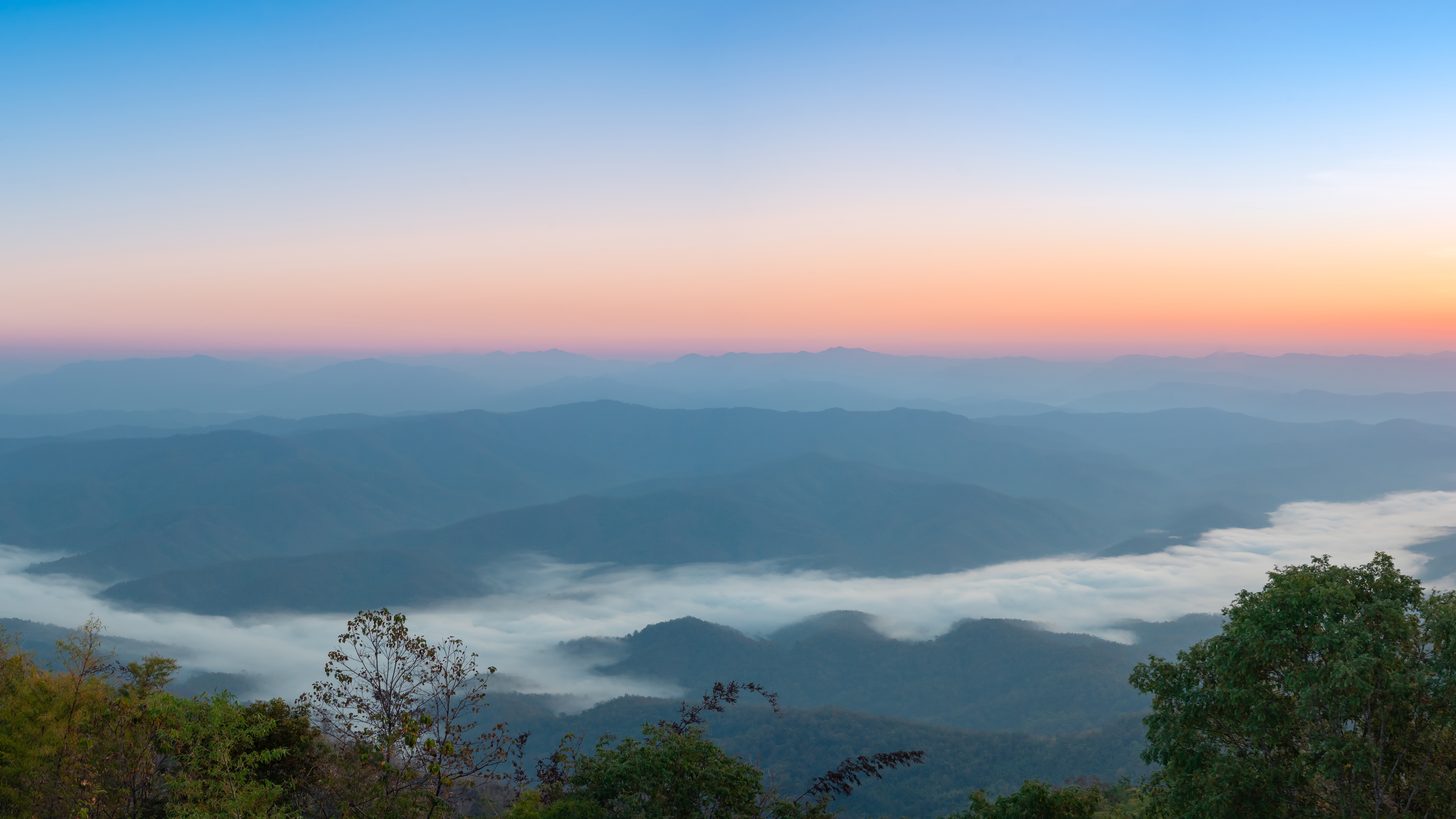
Thailand's winter — the cool, dry months from roughly November to February — is the country at its absolute best, and the easiest window an agent will ever sell, because for once the weather cooperates almost everywhere at once. This is the peak season for a reason: crisp, sunny days in the north, comfortable warmth in Bangkok, and calm, dry seas on the Andaman coast. The catch is that "winter" means something different in each region, and the agents who sell it well match the client to the right part of the country for their exact dates rather than treating the whole cool season as one climate. This guide from a Thailand DMC for travel agents covers what Thailand's winter actually delivers region by region, the experiences that define it, and how to build and time a cool-season trip that lands.
Explera is an IATA TIDS-registered ground handler trusted by 340+ agency partners, with in-house transport, licensed guides, 24/7 support and IATA TIDS registration (96215733). Reach the trade desk at b2b@explera.co.th.
What "winter" means region by region
The cool season is not uniform, and that is the whole art of selling it. The north — Chiang Mai, Chiang Rai, Pai — is at its finest: dry, sunny days, genuinely cool mornings, misty mountain valleys and, at altitude, real chill after dark. Bangkok and the central plains turn warm-but-pleasant with lower humidity, the most comfortable window of the year for city sightseeing. On the coasts the story splits: the Andaman side — Phuket, Krabi, Phi Phi — enters its dry, calm-sea high season, ideal for island-hopping and boat days, while the Gulf islands like Koh Samui run on a different clock and are wettest early in the window before drying out. Read the region against the client's dates and the cool season becomes a precision tool, not a blanket promise.
The experiences that define a Thai winter
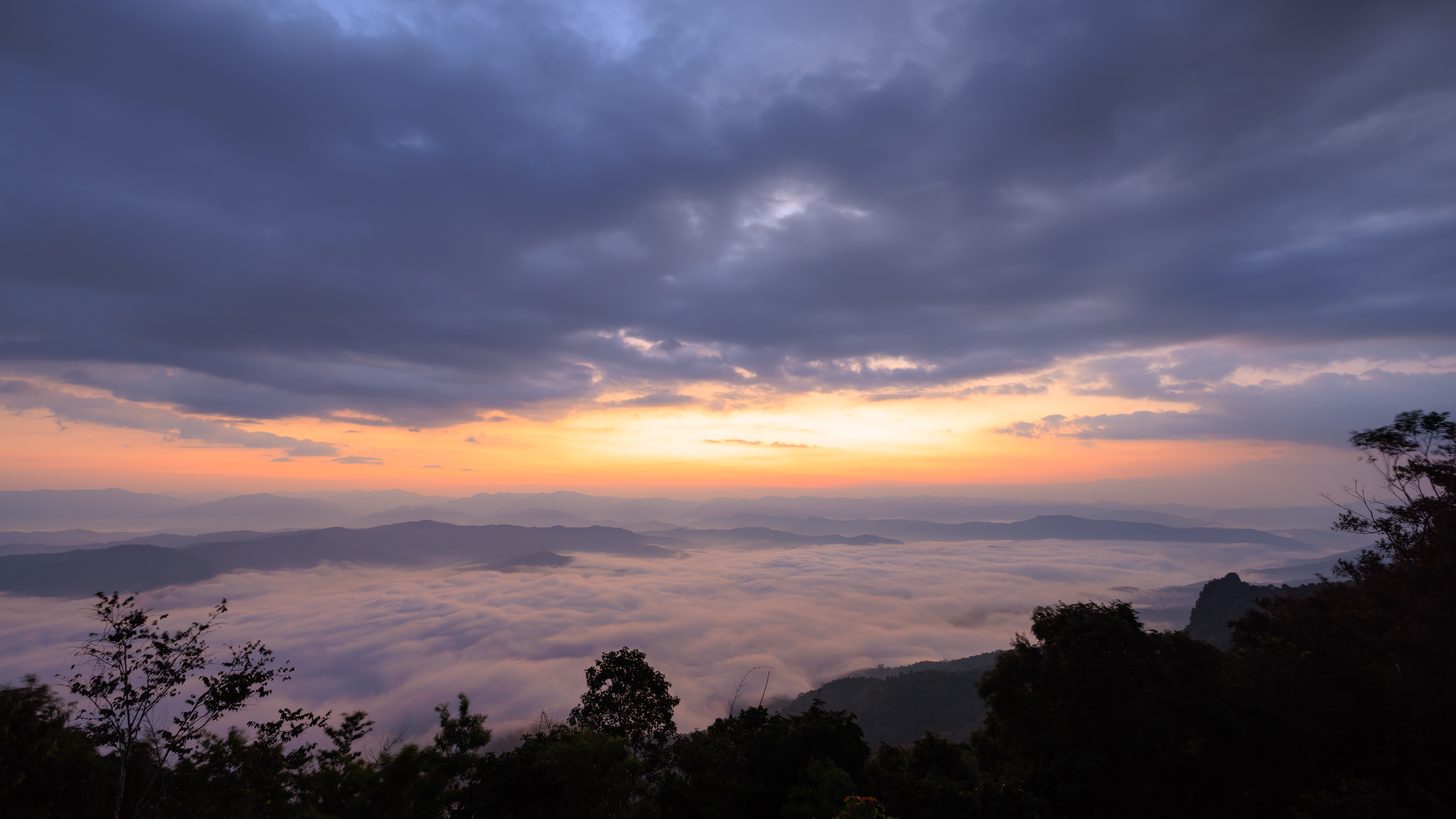
Winter unlocks the experiences the hot and green seasons can't. The north's cool, clear air is trekking, hill-culture and national-park weather, and it is when the famous sea-of-mist viewpoints perform. The season opens with the lantern spectacle of Loy Krathong and Yi Peng — a headline reason clients pick these dates, and one we cover in the lantern-festival selling guide. December and January bring flower blooms and cool-season festivals across the north and northeast, calm-sea diving and island days on the Andaman, and the most comfortable city and heritage touring of the year. It is also the classic beach-and-culture combination window — northern culture plus Andaman beach in one trip, both at their peak simultaneously.
Timing and the peak-season reality
The flip side of the best weather is the busiest, tightest market. Thailand's winter is its high season, so the cool-season sell is inseparable from lead time: the best hotels, villas, guides and festival-week inventory book out first, and the closer to the December peak, the earlier the client must commit. Rates sit at their yearly top and availability at its lowest — which is exactly why the value-conscious client is worth steering toward the green season instead, a trade-off we lay out in the green-season selling guide. For the winter file itself, the discipline a Thailand DMC applies is simple: sell the season on its strengths, and book it early. The mechanics of that lead-time race are in our high-season agent guide.

Thailand's winter at a glance
| Region | Winter character | Sell it for |
|---|---|---|
| The North (Chiang Mai, Chiang Rai, Pai) | Dry, sunny days; cool, misty mornings | Trekking, hill culture, sea-of-mist, lanterns |
| Bangkok & central | Warm, lower humidity, comfortable | The year's best city and heritage touring |
| Andaman coast (Phuket, Krabi, Phi Phi) | Dry, calm seas — peak island season | Island-hopping, boat days, diving |
| Gulf islands (Koh Samui, Phangan) | Wettest early, drying through the window | Later-winter beach; check the dates |
Building the cool-season trip
The strongest winter itinerary uses the season's synchrony: pair the north at its crisp best with the Andaman at its calm best, linked by the smooth domestic logistics a ground partner runs. A Thailand DMC services team for travel agents books the peak-season hotels and villas before they vanish, secures the licensed guides for the northern culture and the boat operators for the island days, and threads the transfers and domestic connections that make a two-region winter trip feel effortless. For the client who wants the definitive shortlist of where to go, our best-places-to-visit guide pairs naturally with the seasonal lens here. Match region to dates, book early, and Thailand's winter is the most reliable premium sell in the calendar. Send your client's dates and brief to the trade desk at b2b@explera.co.th and we'll build the cool-season trip, matched to your source market.
Selling notes for the trade
- Winter isn't one climate — north, Bangkok, Andaman and Gulf each peak differently; match region to dates.
- Sell the synchrony — the north and the Andaman are both at their best at once; combine them.
- Lead the lanterns and the mist — Loy Krathong/Yi Peng and cool-season viewpoints are headline reasons to book these dates.
- Book early — winter is high season; the best inventory and festival weeks go first.
- Offer the green-season alternative — steer the value-conscious client to the shoulder months honestly.
Frequently asked questions
When is winter in Thailand?
Thailand's cool season runs roughly from November to February. It is the country's driest, most comfortable window overall and its peak tourist season, though the exact character varies by region — the north is genuinely cool, Bangkok is warm but pleasant, and the Andaman coast enjoys dry, calm seas.
Where in Thailand is best in winter?
The north is at its finest — Chiang Mai, Chiang Rai and Pai deliver crisp, sunny days and misty mornings — and the Andaman coast (Phuket, Krabi, Phi Phi) is in its calm-sea island season. The classic winter trip pairs the two. The Gulf islands run on a different pattern, wettest early in the window, so check the client's specific dates before committing them there.
Is winter a good time for the Thai islands?
For the Andaman islands, yes — it is their high season, with dry weather and calm seas ideal for island-hopping and diving. The Gulf islands such as Koh Samui and Koh Phangan are the exception: they are often at their wettest early in the cool season and dry out later, so timing matters and the coast should be matched to the exact travel dates.
Why does winter cost more and book up faster?
Because it is Thailand's high season — the best weather draws the most travellers, so the top hotels, villas, guides and festival-week inventory sell out first and rates sit at their yearly peak. The practical consequence is lead time: winter trips, especially around the December peak and the lantern festival, need booking well ahead.
What if the client wants winter weather but a lower-season price?
Be honest about the trade-off and consider steering them to the green (shoulder) season, when Thailand is lusher and quieter with far better availability, accepting some rain. Where the winter dates are fixed — a festival, a school holiday — the answer is simply to book early and lock the inventory before the peak tightens. Talk to the Explera trade desk at b2b@explera.co.th to build either version.