
The client who has already done Bangkok, Phuket and Chiang Mai is the hardest Thailand sale an agent makes — and the answer is increasingly a city they have never heard of. Hat Yai is the clearest current example: the commercial capital of Songkhla, an hour from the Malaysian border, a food and shopping city that has never depended on Western leisure traffic, and the place where Central Pattana and The Ascott Limited are opening Oakwood Central Hat Yai in the fourth quarter of 2026 — reported as the first internationally branded hotel the city has had. That single opening is a signal worth reading, because it tells you where Thailand's own operators think the next decade of demand sits. This guide from a Thailand DMC for travel agents covers what a secondary Thai city genuinely offers a repeat client, what Hat Yai's recent history means for how you brief them, and how to package a regional centre without over-promising.
Explera is a TAT-licensed ground handler (TAT licence 14/05119, IATA 96215733) trusted by 4,500+ agency partners, with in-house transport, licensed guides and 24/7 support. Reach the trade desk at b2b@explera.co.th.
Why secondary cities, and why now
Two things are pushing regional Thailand up the agenda at once. The first is capacity: the headline destinations are the ones that compress hardest around festivals, congresses and school holidays, and an agent who can move a client sideways rather than later has a much better conversation to offer. The second is that Thailand's own investment is moving inland and south — mixed-use retail, branded hotels and airport upgrades in cities that used to be served entirely by domestic and short-haul regional demand. When a listed developer partners with an international operator in a city with no international hotel brand at all, it is not chasing existing tourists; it is betting on the ones who arrive next.
For the trade this matters in a specific way. A secondary city rarely sells itself on a landmark. It sells on food, on markets, on price-insensitive convenience for a nearby market, and on being genuinely unlike the postcard the client has already collected. That is a harder brief to write and a much easier one to differentiate.
What Hat Yai actually is
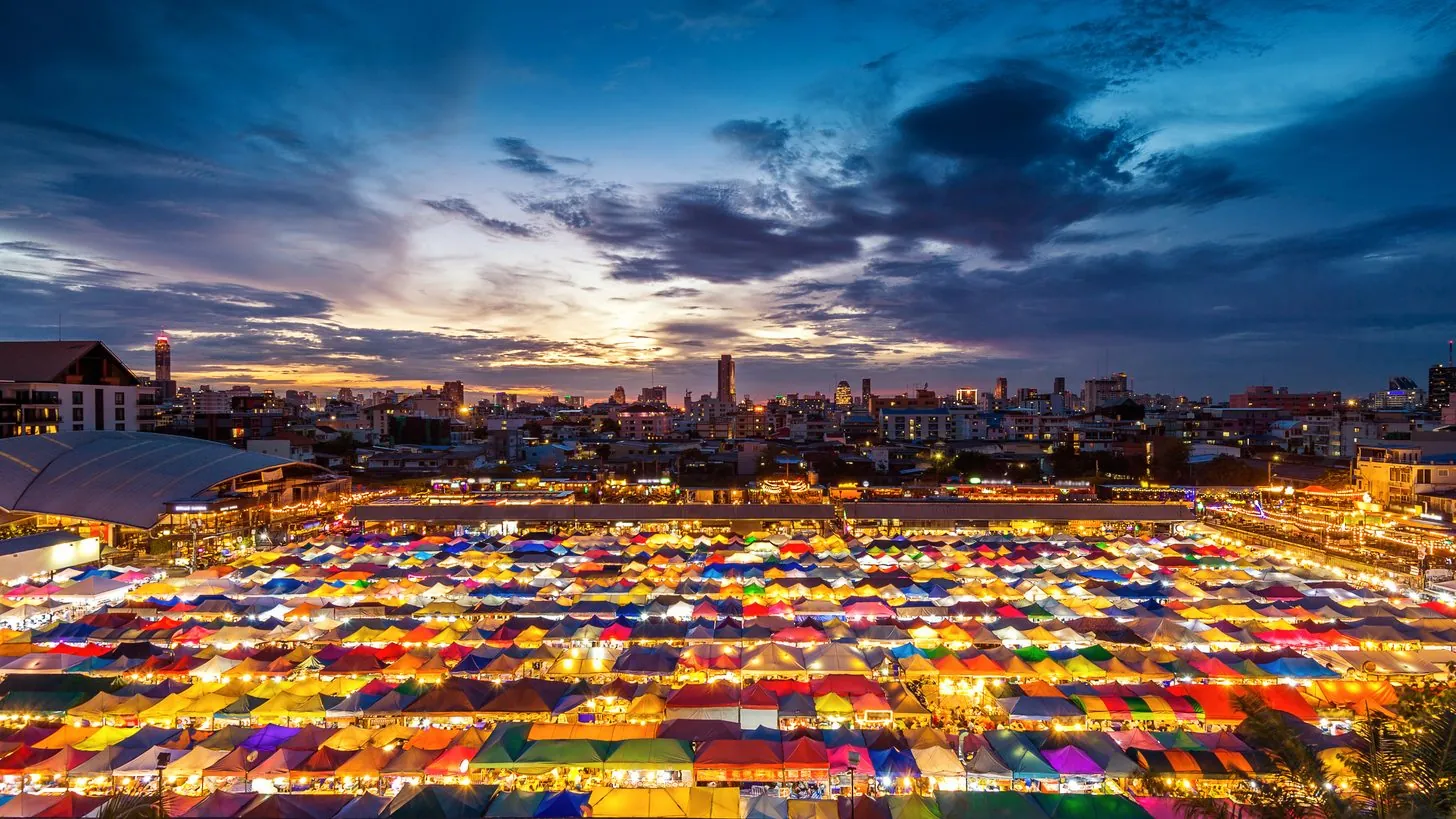
Hat Yai is not a beach resort and it is not a heritage town. It is southern Thailand's trading and eating city: a dense grid of shophouses, night markets, seafood halls, gold shops and malls, wrapped around a rail junction and an international airport. Its established visitor base is Malaysian and Singaporean — arriving by car, coach, sleeper train and short-haul flight for weekends of food and shopping — and Malaysia sits among Thailand's very largest source markets by arrivals through 2026, second only to China on the January-to-July figures published by the Ministry of Tourism and Sports. That mix is the whole point: the city is busy with people who are not on holiday in the way your client is, which is exactly what a jaded repeat visitor is looking for.
Around it sits a genuinely underrated south. Songkhla old town and its lake are half an hour away; Phatthalung, Trang and the Satun coast are inside a comfortable drive; and the Andaman islands most agents already sell from the Krabi side are reachable from the other direction entirely. Our guides to the Trang islands and Koh Lipe cover the coastline this city is the practical gateway to, and the Songkhla destination page is the wider provincial picture.
The flood, and the honest answer to the question it raises
Any agent researching Hat Yai will find the November 2025 floods, and a client who searches will find them too, so handle it first rather than hoping it does not come up. On 21 November 2025 the city recorded around 335 mm of rain in a day — reported at the time as its heaviest in roughly three centuries — and the water reached shophouses, hotels and retail streets at the start of what should have been peak season.
What followed is the part worth knowing. Recovery ran through 2026 with a coordinated push behind it: the Tourism Authority of Thailand staged Amazing Thailand Chinese New Year 2026 @ HATYAI from 17 to 20 February 2026, a "Smile@Hatyai" campaign ran alongside it, and Songkran in April 2026 was widely reported as the turning point, with thousands of Malaysian and Singaporean visitors crossing the Songkhla border in a single day for the festival. Recovery estimates varied by who was asked — the local tourism association was more cautious than city officials — which is the usual shape of these things and a good reason to describe the city as recovered rather than to quote anyone's number for it.
The professional framing for a client is straightforward: this is a monsoon-belt city on a low-lying plain, its wet season runs late in the year unlike much of the country, and the way you manage that is by choosing dates, not by avoiding the destination. Our guide to weather calls and cancellation sets out how to write that into a programme properly, and the north-versus-south seasonality guide covers why southern Thailand does not share the rest of the country's calendar.
The hotel that changes the brief
Oakwood Central Hat Yai is scheduled to open in the fourth quarter of 2026, developed by Central Pattana with The Ascott Limited as operator and connected directly to the Central Hat Yai retail complex, roughly twenty minutes from Hat Yai International Airport. Published details put it at 182 rooms and suites, with kitchens in selected categories, an all-day dining restaurant, a rooftop bar and pool, a fitness centre, a kids' club and banquet and meeting space.
Read that specification rather than the press release. Serviced-apartment formats and a kids' club say extended stay and family; banquet and meeting rooms in a mall-connected property say the city expects corporate and incentive business it could not previously house; and an international brand flag says the trade can finally quote a standard a client recognises. Until now, recommending Hat Yai to an unfamiliar client meant recommending a property they could not verify — which is the single biggest reason secondary cities stay unsold. As with any announced opening, plan around it and confirm the date before it goes in a proposal; hotel schedules move.
Who the client actually is
| Client type | Why a secondary city works | How to position it |
|---|---|---|
| Repeat Thailand visitor | Has done the headline destinations and wants a country they have not seen | Sell it as the Thailand Thai people use, not a lesser version of Phuket |
| Food-led traveller | Southern Thai and Thai-Chinese cooking is the reason the city has a reputation at all | Build the itinerary around markets and meals, with the sights as connective tissue |
| Corporate or incentive group | Meeting space and a branded hotel arrive together, in a city with a novelty factor | Pair it with the coast for the reward leg |
| Multi-country routing | Sits on the overland spine between Malaysia and the Thai south | Use it as the hinge, not the destination |
The fourth row is the one most agents miss. Hat Yai is the practical junction for anything that crosses the Malaysian land border, which our Sadao border gateway guide covers in operational detail, and it is on the rail spine that our sleeper train guide treats as a sellable experience in its own right. A client who would never book a city break in Hat Yai will happily spend two nights there inside a longer routing.
How to package a regional centre
- Never sell it as a substitute — a secondary city is an addition to a Thailand itinerary or a return visit, not a cheaper version of the famous one.
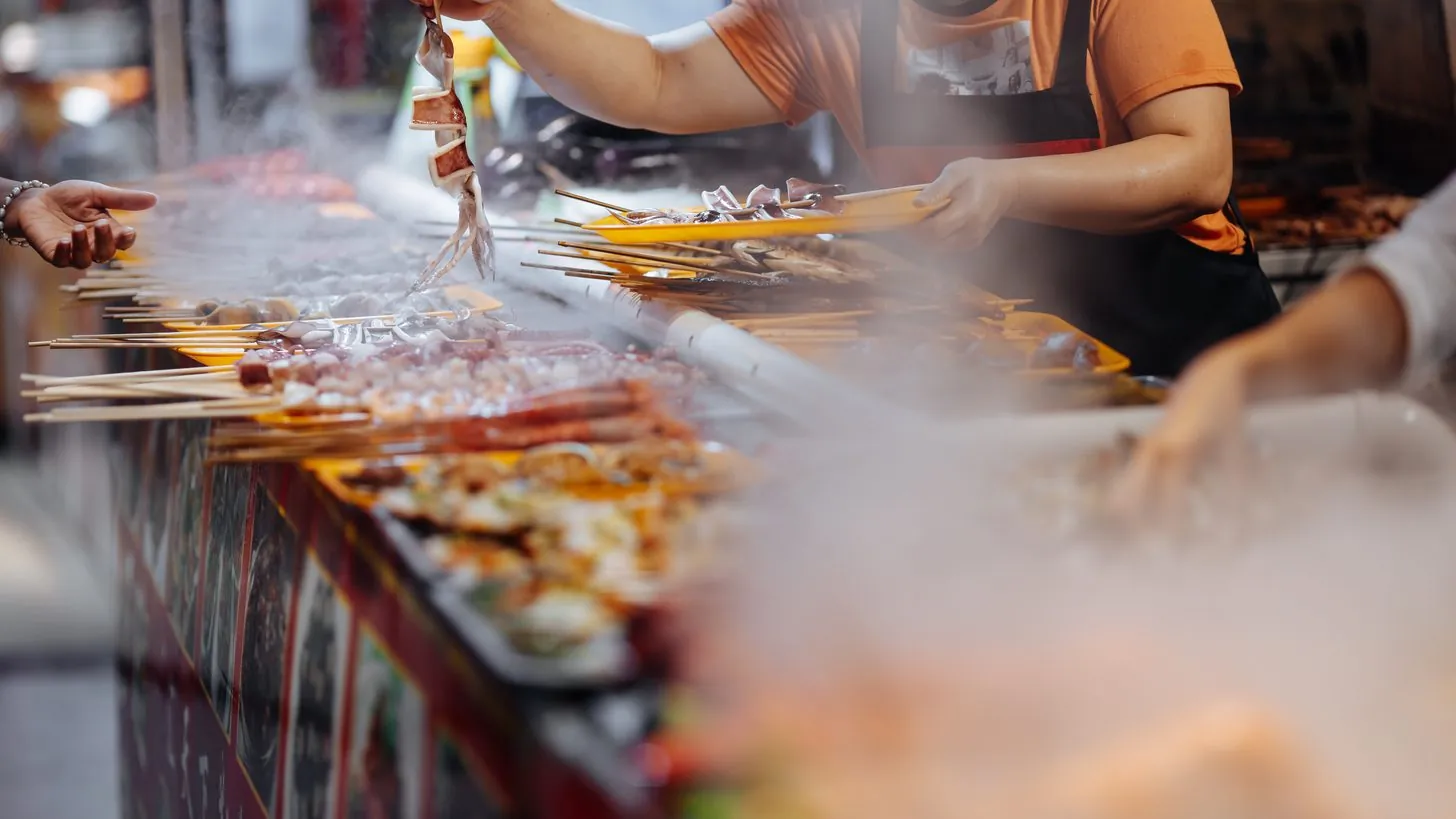
- Anchor the stay in food — markets, seafood halls and a Thai-Chinese food culture are the product; treat sightseeing as the frame around it.
- Two nights, not seven — regional centres reward a short, well-run stop and punish an over-long one.
- Brief the client on what it is not — no beach, no resort scene, no walkable old town in the Chiang Mai sense; clients who arrive expecting one are the ones who complain.
- Check the calendar rather than the average — southern Thailand's wet season sits late in the year and does not match the rest of the country's.
- Confirm openings before quoting them — new hotels are a reason to look, not a room you can hold.
What a ground partner adds outside the headline cities
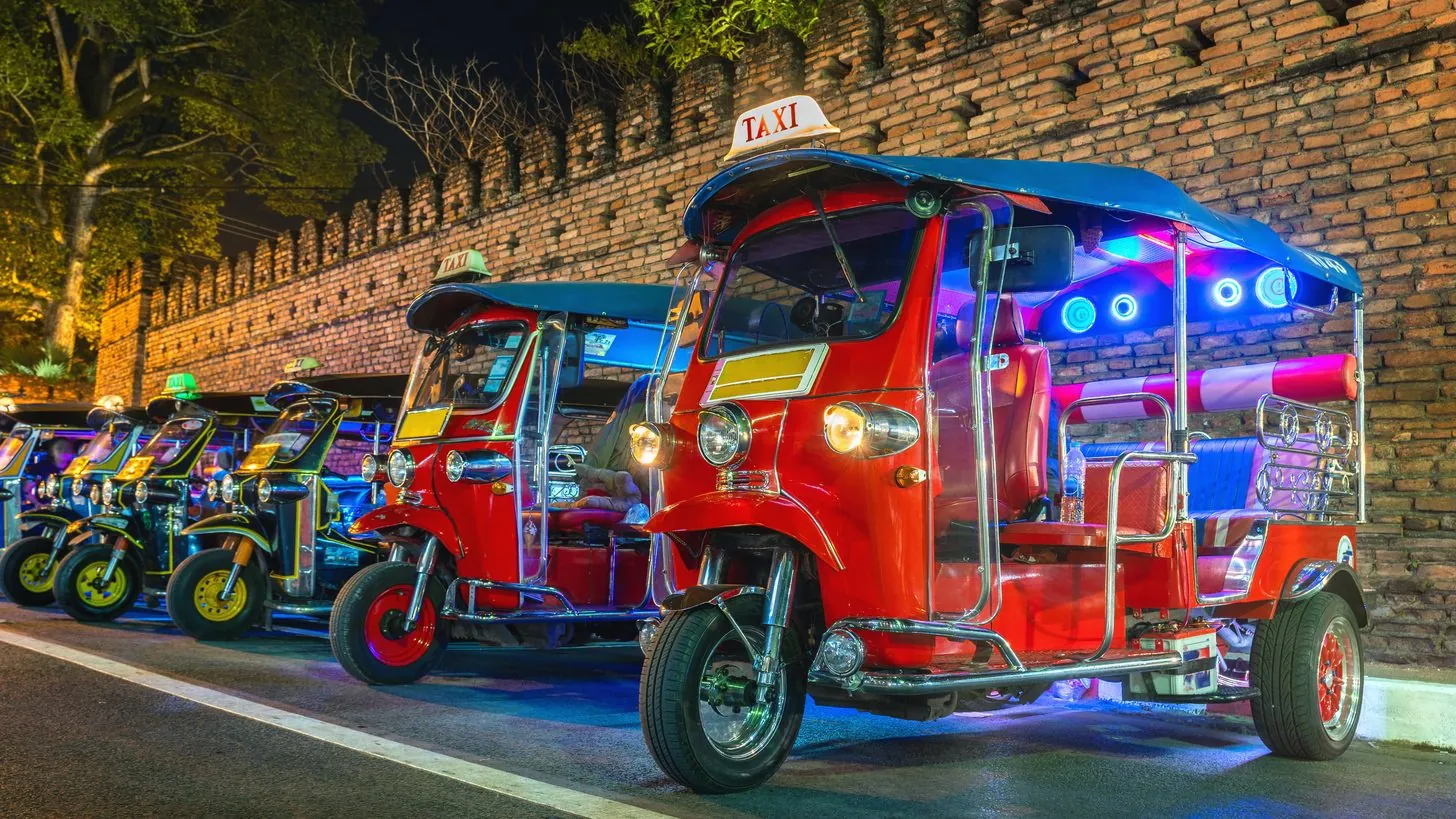
Considerably more than it does in Bangkok, because much less of the infrastructure is built for foreign leisure clients. Menus, signage and front-desk English thin out quickly; the good restaurants are not the ones that appear first in an English search; and transfers, guides and vehicles have to be arranged rather than assumed. That is where Thailand DMC services for travel agents stop being a convenience and start being the thing that makes the destination sellable at all: transport with drivers who know the province, licensed guides who speak the client's language in a city where few people do, accommodation vetted in person rather than from a listing, and tours and activities that have actually been run before they are sold to your client.
It is also where a Thailand DMC earns the difference between a novelty and a programme. Anyone can put a new city in a proposal; the work is knowing which two nights are worth having, which hotel is genuinely open by the dates you are quoting, and which market is worth crossing town for. Our airlift and gateways guide is the standing frame for how clients reach the regions, the source-markets page shows which markets already travel this way, and the destinations hub is where to start if a client is open on where they go.
Frequently asked questions
Is Hat Yai worth selling to a leisure client?
To the right one, yes — a repeat Thailand visitor or a food-led traveller who has already done Bangkok, Phuket and Chiang Mai. It is a dense trading and eating city rather than a resort destination, and it works best as two nights inside a longer southern or cross-border routing rather than as a standalone holiday.
Has Hat Yai recovered from the 2025 floods?
Yes, on the reporting available through 2026. The city recorded around 335 mm of rain on 21 November 2025 and recovery ran through the following year with TAT-backed campaigns behind it, with Songkran 2026 widely described as the turning point. Estimates of how complete the recovery was differed by source, so describe the city as recovered rather than quoting anyone's figure, and choose dates with the late southern wet season in mind.
When is the new Oakwood Central Hat Yai opening?
The fourth quarter of 2026, per Central Pattana's announcement with The Ascott Limited. It is connected to the Central Hat Yai retail complex, about twenty minutes from Hat Yai International Airport, with 182 rooms and suites and meeting space. Treat the date as intent rather than inventory until it is bookable — hotel openings move, and this would be the city's first international brand.
How do clients reach Hat Yai?
By air into Hat Yai International Airport on domestic and regional services, by rail on the southern line including sleeper services, or overland from Malaysia through the Sadao crossing, which is the busiest land border Thailand operates. The overland option is what makes the city useful as a hinge in a multi-country itinerary rather than a destination on its own.
What else is worth adding around it?
Songkhla old town and its lake sit half an hour away, Phatthalung and Trang are within a comfortable drive, and Koh Lipe and the Trang islands are reachable from this side of the peninsula rather than the usual Krabi approach. That combination is the real argument for the region: a city stop with genuine character attached to a coastline most clients have never been offered.
Can Explera build a southern Thailand programme outside the usual destinations?
Yes, and it is exactly the sort of itinerary that needs a ground partner rather than a booking engine. Send the dates, pax and client profile to the trade desk at b2b@explera.co.th and we will come back with the routing, vetted accommodation and guides who work the province.
Planning a Thailand programme beyond the headline destinations? Talk to our trade desk and we will come back with the routing and a tailored quote.