


"24/7 support" appears on every DMC's website and means almost nothing until the week it is tested — and a festival week is the week it is tested. Our Chiang Mai Songkran 2027 programme leans on it harder than most files do, because two of its five days are deliberately unscheduled and the phrase "guides and vehicles on call" is doing real work in the inclusions. This guide from a Thailand DMC for travel agents sets out what on-call actually means operationally over Songkran, what it cannot do, and how to describe it to a client so the promise matches the delivery.
Explera is a TAT-licensed ground handler (TAT licence 14/05119, IATA 96215733) trusted by 4,500+ agency partners, with in-house transport, licensed guides and 24/7 support. Reach the trade desk at b2b@explera.co.th.
What on-call means on those two days
It means a client with an unscheduled day can change their mind and have that change absorbed. They want lunch somewhere out of the crowds: a recommendation and, if they want it, a table and a car. They have had enough by two in the afternoon and want an hour at a temple instead: a guide who can be reached and a vehicle that is not committed to a coach group elsewhere. Someone loses a phone, or a bag, or their bearings: one number, answered.
None of that is exotic. It is unremarkable service on an ordinary Tuesday. What makes it worth naming in a proposal is that on 13 April in Chiang Mai it is genuinely difficult, because everyone else's vehicles are also committed and the roads do not behave.
What it cannot do, and say so
| Client asks for | Realistic answer |
|---|---|
| A car across the old town at 15:00 on the main festival day | Probably not quickly — roads are closed or crawling; a walk is faster and we will say so |
| A quiet restaurant at short notice on 13 April | Often yes, but the good options are fewer and we will offer what is real rather than what is nice |
| A dry route through the moat area | No. There is not one, and pretending otherwise creates the complaint |
| A same-day replacement for a cancelled balloon | Rescheduled within the stay where the itinerary allows — not conjured on the morning |
| Medical help or a lost passport | Yes, and this is what the number is genuinely for |
A support promise that includes its own limits is worth more than one that does not, because a client tests it exactly once and then decides whether to believe the rest of the proposal.
Why a festival week tests it and a beach week does not
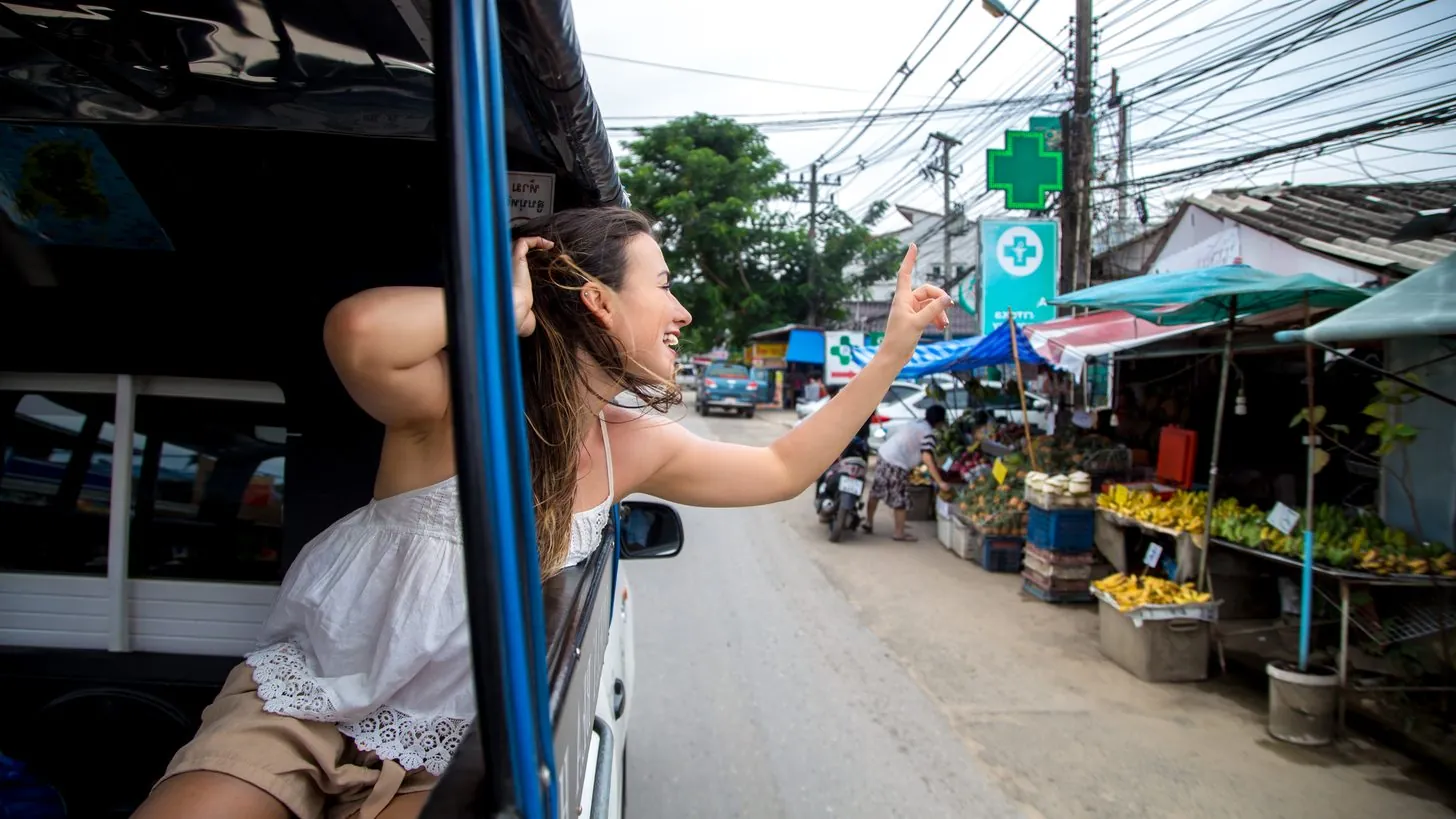
Because everything that normally absorbs small problems stops working at once. Taxis are scarce and slow. Shops and kitchens keep festival hours. Phones get wet and die. Crowds separate people who assumed they would stay together. And the client is out in it all day rather than in a resort with a front desk.
On a beach week the hotel handles most of this and the DMC is a booking layer. On a festival week the DMC is the layer, which is precisely why the two unscheduled days are safe to sell — and why an unsupported free day in the same week would not be.
Who is actually behind the number
The distinction that matters to an agent is between a desk that answers and a desk that can act. Answering is a phone rota. Acting requires vehicles that belong to the operator rather than being subcontracted for the week, guides who are contracted rather than freelanced at short notice, and relationships with hotels and restaurants that predate the busy season.
That is the argument for using an operator with its own fleet in a week like this one. Transport on our own vehicles is the difference between "we will try to find you a car" and "a car is coming"; licensed guides under contract are the difference between a name and a person; and 24/7 emergency support is what covers the cases that are not about the itinerary at all.

What the agent should do before travel
- Give the client the number, not the concept — "24/7 support" in a brochure helps nobody at four in the afternoon.
- Tell them what it is for — changes of plan, recommendations, transport, and anything that has gone wrong.
- Set the road expectation — on the main festival day a walk often beats a car, and hearing that in advance prevents frustration.
- Warn about phones — the most common reason a client cannot reach anyone is a wet handset; a pouch solves it.
- Confirm who is travelling — the desk works better when it knows there are two of them, or six, or a grandparent.
- Put requirements on the file early — dietary, medical and mobility notes are worth more before travel than during.
How to write it into a proposal
Not as a bullet. A line that says what the client can do with it: "on your two festival days nothing is scheduled, and a guide and vehicle are on call through our operations desk if you want to change the shape of the day." That sentence sells the free days and the support at once, and it is accurate.
Then say what it is not, in the same paragraph — that the desk cannot make roads passable on the main festival day and will tell them honestly when walking is faster. Clients read that as competence rather than as a limitation, which is the correct reading. Our duty-of-care guide covers the wider version of this for anything more serious than a change of plan.
What the ground partner is actually carrying
Capacity that is held rather than sold. A desk that can act on a festival day is one that has kept vehicles and people uncommitted, which is an expensive thing to do in the busiest week of the year and is invisible in an itinerary. It is the clearest example of what Thailand DMC services for travel agents mean in practice, alongside accommodation chosen so that walking home is always possible and tours and activities that can be arranged the same morning rather than three months out.
It is also the part of a Thailand DMC that an agent cannot verify from a website, which is why it is worth asking an operator directly what happens at three in the afternoon on 13 April. A good one will answer with specifics. See Chiang Mai and the packages shelf for the programme this sits inside.
Frequently asked questions
What does "guides and vehicles on call" actually mean?
That on the two unscheduled festival days a client can change their mind and have it absorbed — a recommendation, a table, a guide, or a car — through one number that is answered. It is what makes an unscheduled day safe to sell rather than an abandoned one.
Can a car reach a client anywhere during Songkran?
Not always quickly. Roads in and around the old town close or crawl on the main festival days, and there are moments when walking is genuinely faster. A good desk says so rather than dispatching a vehicle into a closed street to look responsive.
Is this different from hotel concierge support?
Yes, in what it can act on. A hotel desk books things; an operator with its own fleet and contracted guides can move people. On a normal week the difference rarely shows. On a festival week it is most of the value.
What should a client do if their phone dies?
Carry the number written down as well as saved, and agree a meeting point with whoever they are travelling with before going out. Wet handsets are the single most common reason a client cannot reach anyone, and a waterproof pouch prevents almost all of it.
Does the desk cover medical or lost-document situations?
Yes — that is what the emergency line is genuinely for, and it operates around the clock. Travel insurance still sits outside the programme and is required; the desk helps with the situation, not with the cover.
How do we brief the desk about our client?
Send anything that changes how we would respond — party size, dietary, medical or mobility notes, and who to contact — with the booking to b2b@explera.co.th. It is worth far more before travel than during.
Selling unscheduled festival days and want the support line to hold? Talk to our trade desk and we will come back with the routing and a tailored quote.