

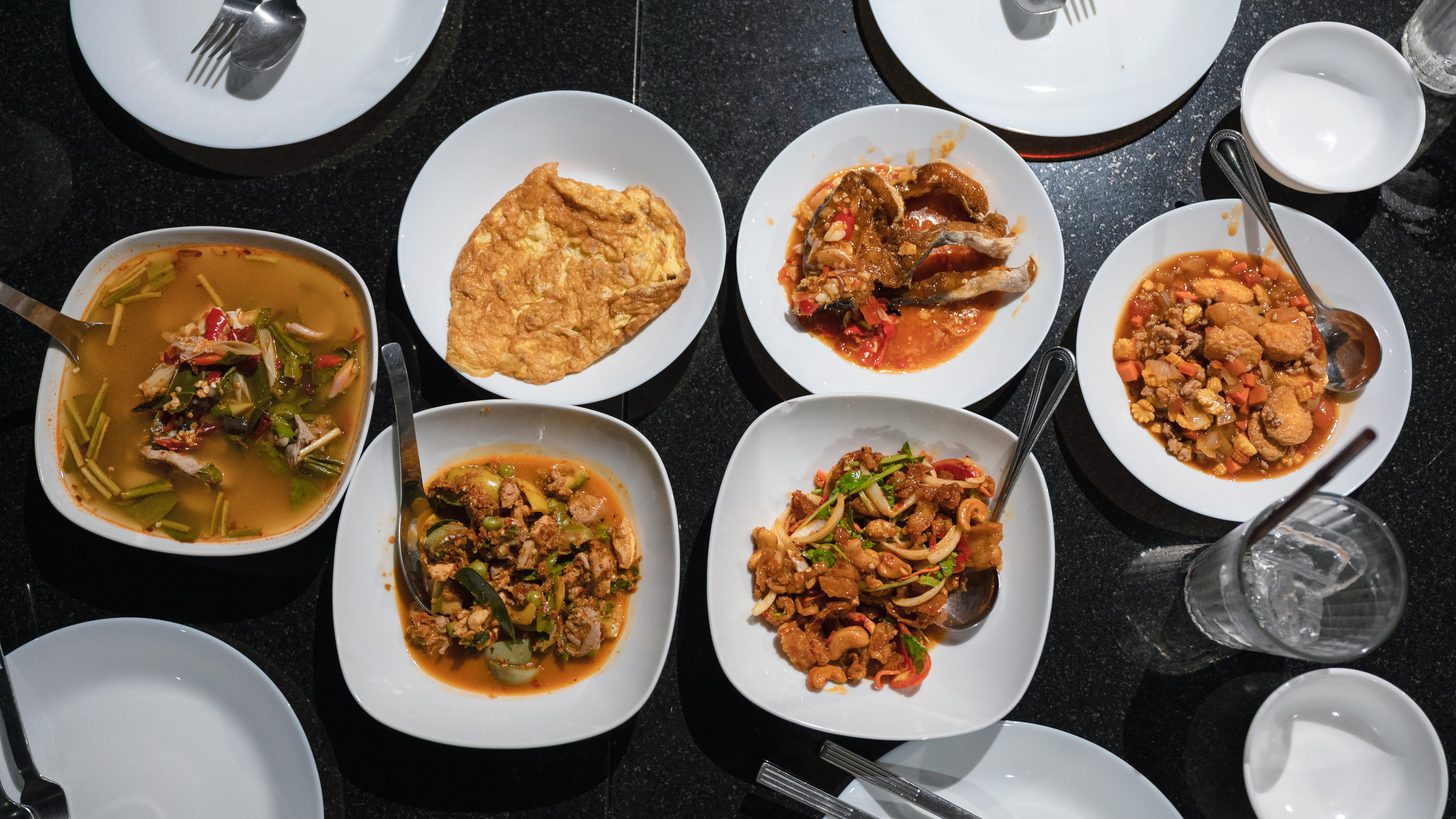
A client with a serious food allergy is not asking whether Thailand has vegetarian options. They are asking whether the thing they cannot eat is hidden in the thing they are about to eat — and in Thai cooking, very often it is. Fish sauce and shrimp paste are structural to the cuisine rather than optional in it, which is why a plainly-worded "vegetarian, please" produces a dish that still contains both. This guide from a Thailand DMC for travel agents covers what is actually in the food, the words that work, and how to set a file up so a restricted client eats well instead of eating plain.
Explera is an IATA TIDS-registered ground handler (96215733) trusted by 340+ agency partners, with in-house transport, licensed guides and 24/7 support. Reach the trade desk at b2b@explera.co.th.
What is hidden in almost everything
Fish sauce is the salt of Thai cooking. It is in the stir-fries, the salads, the dipping sauces and most of the curry pastes, and it is added at the wok rather than listed on a menu. Shrimp paste is the same story one step deeper: it is a base ingredient of many red and green curry pastes and of the chilli relishes, so a dish can contain shellfish without a single visible prawn.
Dried shrimp turns up in papaya salad. Oyster sauce is in a great many stir-fries. Peanuts appear crushed over noodles, ground into satay sauce and pounded into salads, and the same mortar is often used for the next order. Soy sauce, in most Thai kitchens, contains wheat. None of this is concealment — it is simply what the cuisine is made of, and a client who does not know it will read a menu with entirely false confidence.
The words that actually work
Two Thai terms do most of the heavy lifting, and they do not mean the same thing. Jay is the strict form: no animal products at all, which rules out fish sauce, shrimp paste, oyster sauce, egg and dairy — and it also excludes garlic, onion and other pungent alliums, which surprises Western vegans who then find the food less familiar than they expected. Mangsawirat is ordinary vegetarian, and it may still include egg, dairy and, in a kitchen that is not paying close attention, fish sauce.
So the right word depends on the client. A vegan is best served by asking for jay, accepting the allium restriction. A lacto-ovo vegetarian is better served by mangsawirat plus an explicit "no fish sauce, no oyster sauce" — because that is the instruction that changes the cooking, and the general label alone will not.
An allergy is not a preference, and the file should say so
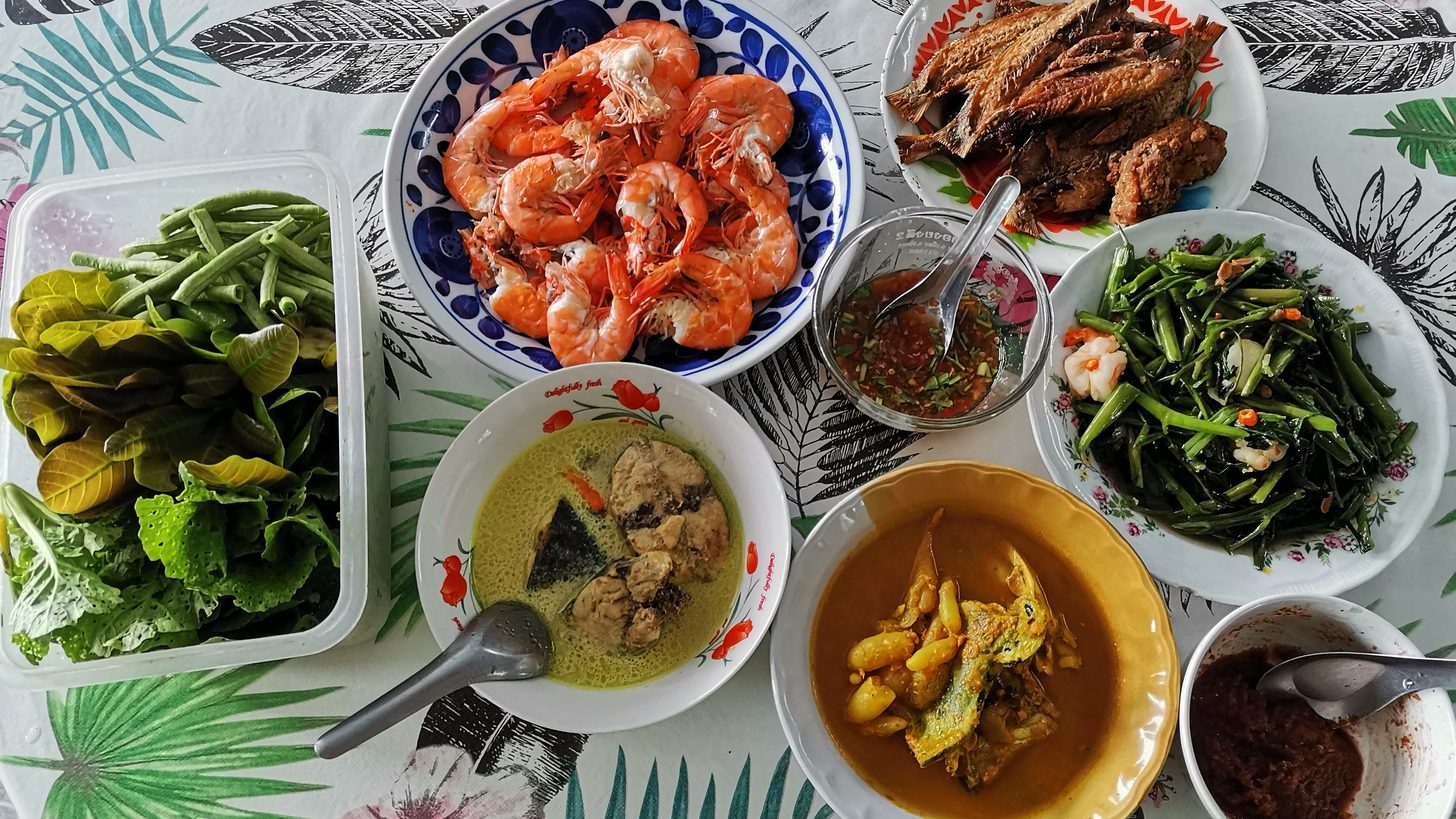
The single most useful thing an agent can do is record the difference. "Does not like spicy food" and "anaphylactic to peanuts" travel through a booking as the same free-text note unless somebody flags one as medical, and they need completely different handling: the first is a seasoning instruction, the second changes where the client eats, what the guide carries and which hospital the driver knows the way to.
Say it in the request, in plain terms, at the point of booking — not on the day. A kitchen briefed a week ahead can prepare separately; a kitchen told at the table can only leave things out. And note that severity matters more than the allergen: a client who reacts to trace contact needs restaurants chosen for their kitchen practice, not just dishes chosen off a menu.
Where the client eats changes the risk
| Setting | What it offers a restricted client |
|---|---|
| Hotel restaurants | Written allergen awareness, English-speaking kitchen staff, the easiest place to establish a safe default |
| Pre-briefed restaurants on a guided day | Best combination — real Thai food, with the instruction delivered in Thai before arrival |
| Street and market stalls | Wonderful, and the hardest to control: shared woks, shared mortars, no ingredient list |
| Cooking classes | Excellent for a restricted client, because they choose and see every ingredient |
| Island and remote days | Fewest alternatives if something goes wrong — brief these hardest |
The point is not to steer a restricted client away from Thai food. It is to put the riskiest meals where the controls are strongest and to plan the remote days first, because that is where a problem has the fewest solutions.
The mechanisms that work on the ground
- A written card in Thai naming the allergen and the severity, carried by the client and shown at every meal. This outperforms any spoken instruction, in any language.
- The guide as the interpreter of the kitchen — not just translating the request but asking what is in the paste, which is the question a client cannot ask.
- Restaurants told in advance, in Thai, by whoever made the reservation, rather than the client explaining at the door.
- Prescribed medication carried on the person, with a doctor's letter, plus the client's own travel insurance details on the file.
- Hospitals identified on the route for the remote days, before they are needed.
- A safe default dish the client knows they can order anywhere when nothing else is confirmable.
The good news worth telling the client
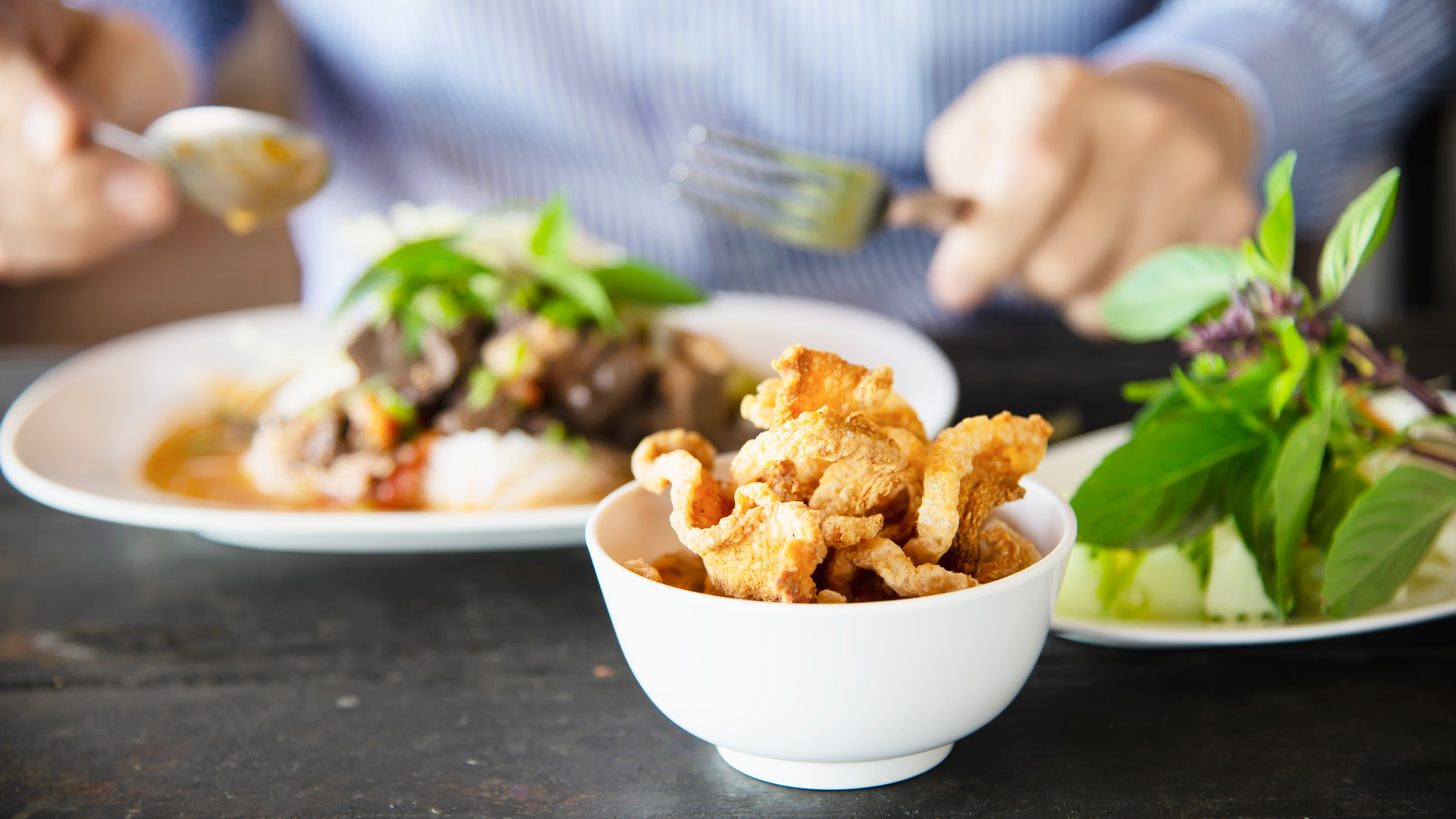
Thailand is genuinely easier than its reputation for several restrictions. Dairy barely features in traditional Thai cooking, because coconut milk does the work cream does elsewhere, so a lactose-intolerant client has an unusually comfortable time. Rice is the default starch rather than wheat, which helps a coeliac client considerably once the sauces are handled. Fruit is extraordinary and universally available. And the country has a long-established vegetarian tradition of its own, with jay food a familiar concept rather than a foreign request.
Say that to the client. A restricted traveller who has been told Thailand is difficult will often self-select out of a trip they would have loved, and correcting that is a sale as well as a kindness. Our guides to Thailand's regional cuisines, cooking classes and food tours and halal and Muslim-friendly travel cover the neighbouring ground.
What the ground partner carries here
Everything above depends on somebody local doing it in Thai, in advance, and following it through on the day. Briefing a kitchen properly, knowing which restaurants take it seriously rather than nodding, rostering a guide who will interrogate a curry paste, and having the driver know where the nearest hospital is on a remote day — none of that is bookable online. That is the everyday substance of Thailand DMC services for travel agents: licensed guides who carry the instruction into the kitchen, tours and activities chosen for what they can accommodate, and directly contracted hotels where a dietary note reaches the chef rather than a reservations inbox.
It is also where a Thailand DMC should say plainly when something cannot be made safe. A remote beach barbecue for a client with a severe shellfish allergy is a conversation, not a booking — and an operator who tells you that at quotation stage is protecting your client and your agency. See Bangkok and Chiang Mai for the cities where restricted clients have the most choice, and our guide to pharmacies and client illness for what happens if something does go wrong.
Frequently asked questions
Is Thai food safe for someone with a shellfish allergy?
It can be, but it needs real handling rather than menu-reading. Shrimp paste is a base ingredient in many curry pastes and chilli relishes, dried shrimp appears in papaya salad, and oyster sauce is common in stir-fries — so shellfish can be present with nothing visible on the plate. Brief restaurants in advance, use a written card in Thai, and treat remote days as the ones to plan hardest.
What is the difference between jay and mangsawirat?
Jay is the strict form — no animal products at all, and no garlic, onion or other pungent alliums either. Mangsawirat is ordinary vegetarian and may still include egg, dairy and sometimes fish sauce. A vegan client is usually best served by asking for jay; a lacto-ovo vegetarian by mangsawirat plus an explicit instruction to leave out fish sauce and oyster sauce.
Will asking for vegetarian food remove the fish sauce?
Often not. Fish sauce functions as seasoning rather than as an ingredient a cook thinks of as meat, so it can survive a general vegetarian request. The instruction that changes the cooking is the specific one — no fish sauce, no oyster sauce, no shrimp paste — delivered to the kitchen rather than to the front of house.
Can a client with a peanut allergy eat street food?
Realistically, this is the setting with the least control: woks, mortars and utensils are shared between orders, and there is no ingredient list to check. That does not mean cutting street food out of the itinerary — it means placing the highest-risk meals at pre-briefed restaurants and hotels, and choosing a cooking class as the way to experience the market without the cross-contact.
What should we send you about a client's dietary requirements?
Send the allergen, the severity, and whether it is medical or a preference — those three facts change the whole plan. Email b2b@explera.co.th at the point of booking rather than closer to travel, so restaurants can be briefed and remote days re-planned while there is still room to change them.
Is Thailand difficult for coeliac or lactose-intolerant clients?
Less than most people expect. Rice rather than wheat is the default starch, and coconut milk does the work that cream and butter do in other cuisines, so both clients start from a good position. The work is in the sauces — most Thai soy sauce contains wheat — which again is a kitchen instruction rather than a menu choice.
Quoting a Thailand file with a restricted client on it? Talk to our trade desk and we will build the food side around them.