

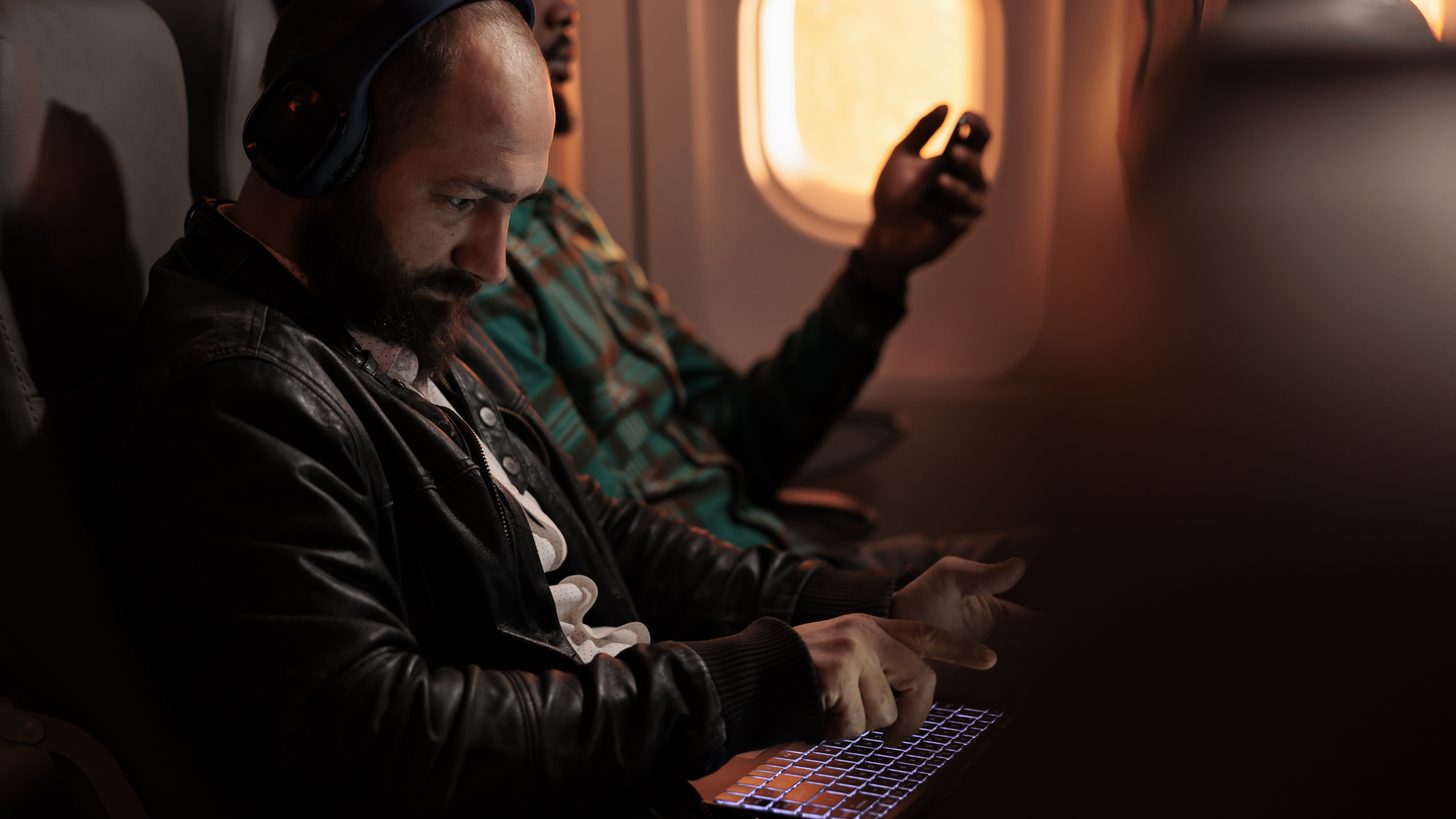
Thai carriers no longer let passengers use or charge a power bank in flight, and the rule catches out precisely the client who is doing everything else right — the one with the phone, the boarding passes and the itinerary all in one battery. It is a small rule with an outsized capacity to sour an arrival, because it is enforced at the seat by cabin crew, in front of everyone. This guide from a Thailand DMC for travel agents covers what changed and why, where a battery may and may not travel, the capacity bands that decide whether it flies at all, and the exact lines to put in a client brief.
Explera is an IATA TIDS-registered ground handler (96215733) trusted by 340+ agency partners, with in-house transport, licensed guides and 24/7 support. Reach the trade desk at b2b@explera.co.th.
What changed, and why it happened
Lithium battery restrictions are not new. What changed is that a run of in-cabin battery fires on aircraft in Asia — the most widely reported of them destroying an aircraft on the ground before departure — pushed carriers and regulators from "carry it in the cabin" to "carry it in the cabin and do not touch it".
Thailand's carriers moved together and quickly. The national and low-cost airlines operating domestically and short-haul from Thai airports adopted a common position: power banks stay in the cabin, and they may not be used to charge a device or be charged from the aircraft's own power during the flight. The civil aviation regulator's guidance sits behind that position, so an agent should treat it as the settled Thai norm rather than one airline's policy quirk.
The logic is containment, not risk elimination. A lithium cell in thermal runaway in the cabin is a fire the crew can see and reach within seconds. The same cell in the hold is a fire nobody knows about. Every rule below follows from that one idea.
The rule that actually catches people
Not the ban on checking batteries — most travellers have absorbed that. The one that surprises people is the prohibition on using the power bank once the doors close. A passenger who plugs a phone into a battery pack on a domestic hop can expect to be asked to unplug it, and on a long-haul sector operated by a Thai carrier the same applies for the whole flight.
Several carriers also require the battery to be kept where it is visible and reachable — in the seat pocket or on the person rather than buried in a bag in the overhead locker — for the same containment reason. Policies differ in the detail, and this is the detail that differs, so a client who flies two Thai carriers in one itinerary may be told two slightly different things.
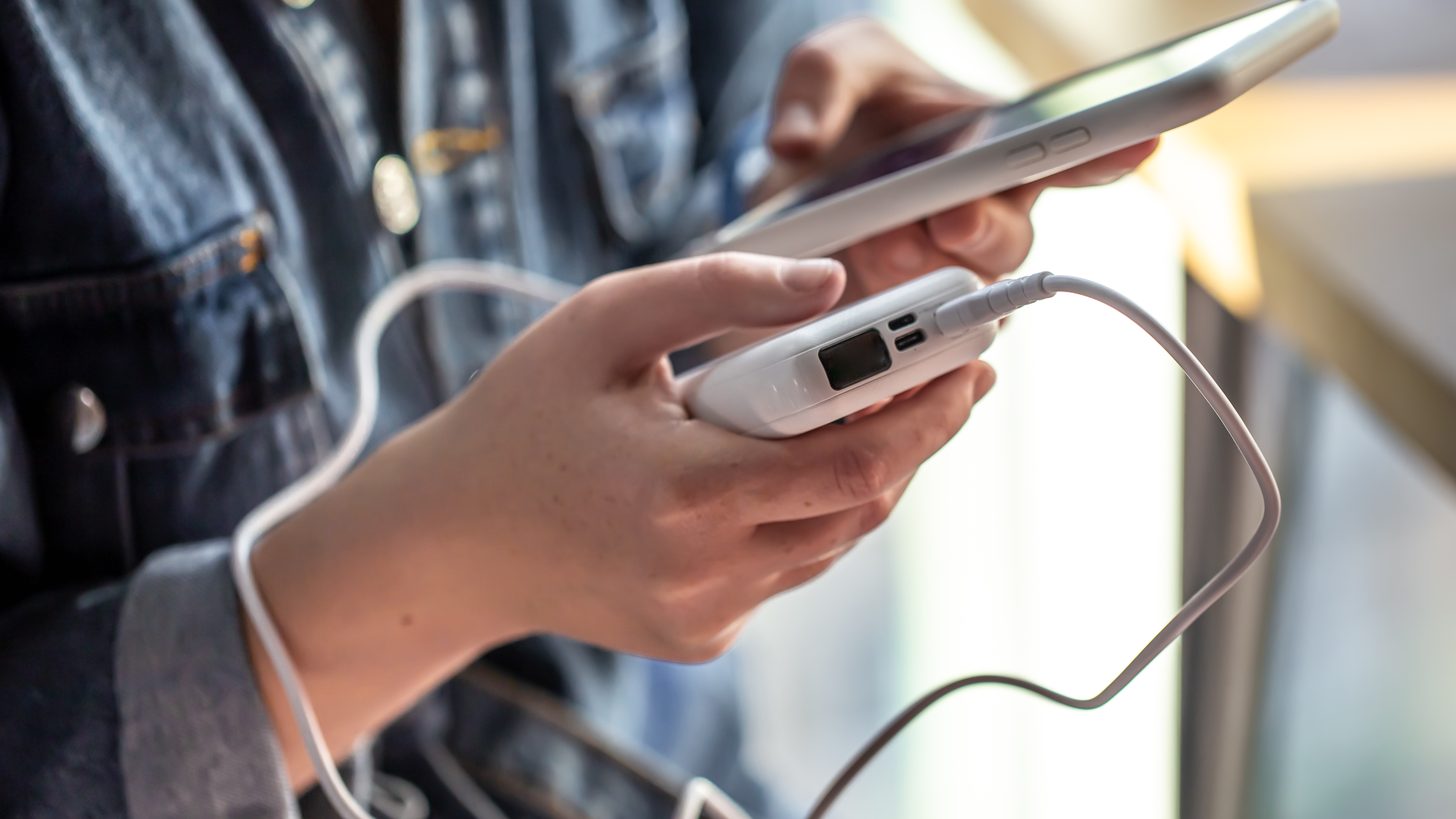
Charging the power bank from the aircraft's USB or seat power is prohibited on the same basis. This one is worth its own line in a brief, because a passenger who has been told "no using it" often assumes topping it up is a different activity.
Where the battery may travel
Cabin baggage only. This applies to power banks, spare loose lithium cells, and any battery not installed in a device. It is not a Thai rule but a global one, and it is applied at the check-in desk and again at security.
The practical consequences an agent should anticipate:
- A gate-checked cabin bag becomes a problem. When a full flight forces bags into the hold at the gate, any power bank inside has to come out first. A client who has packed it deep in a rolled-up jacket will be doing that in the boarding queue.
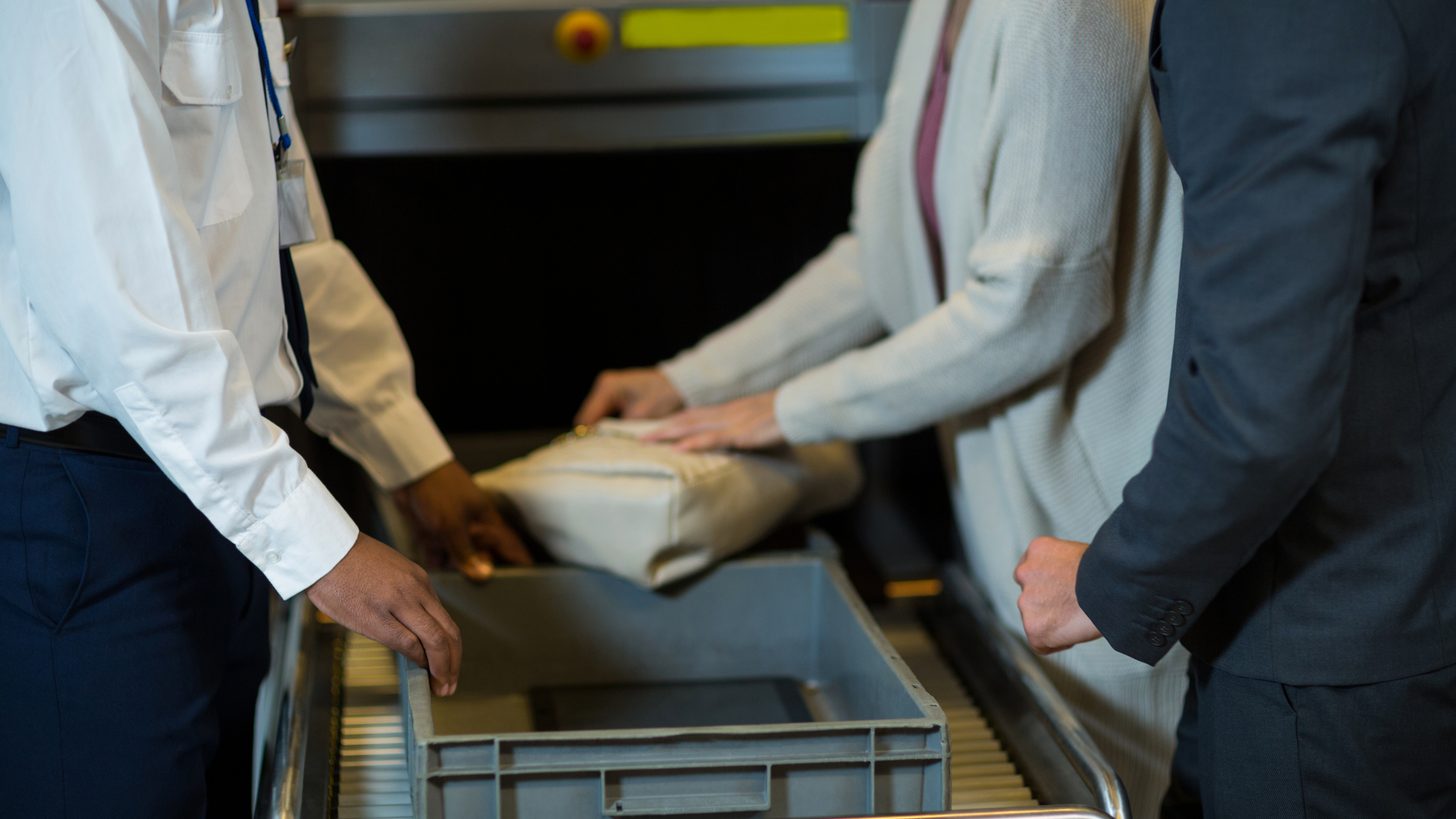
- Terminals will confiscate, not store. A battery surrendered at security is generally gone. There is no left-luggage arrangement for it.
- Spare camera and drone batteries follow the same rule, and should be individually protected against short circuit — original packaging, a battery case, or tape over the terminals. Photographic and film groups routinely get stopped over a bag of loose batteries.
- Devices with the battery installed — laptop, phone, camera — may be checked in principle, but should not be, and several carriers now discourage it outright.
The capacity bands that decide whether it flies
Battery capacity is rated in watt-hours, and the international thresholds are the ones Thai carriers apply. Under 100 watt-hours, a power bank travels in the cabin without needing anyone's permission — this covers the overwhelming majority of consumer power banks. Between 100 and 160 watt-hours, it needs the airline's approval in advance, and quantities are limited. Above 160 watt-hours, it does not fly as passenger baggage at all.
The trap is unmarked capacity. Many power banks print only milliamp-hours on the casing, and a battery with no legible watt-hour or capacity marking can be refused on the spot regardless of its actual size, because the screener has no way to assess it. Cheap unbranded units are the usual offenders.
Where this bites in the trade is the high-capacity kit a group actually travels with: large camera and cine batteries, portable power stations for a location shoot, mobility-device batteries, and the oversized packs sold for laptops. Any of those needs a conversation with the airline before the client is standing at a counter, and for a film or production movement that conversation belongs in the planning, not in the departures hall.
The itineraries where it bites hardest
Thailand is a multi-sector country. A typical file has a long-haul arrival, one or two domestic legs, sometimes a ferry, and a departure — which means several separate encounters with the same rule, each administered slightly differently.
- Island-hopping itineraries stack the most sectors and the most opportunities for a battery to be found in the wrong bag. They are also the itineraries where clients most want a charged phone, because that is where the photographs are.
- Groups and incentives carry an unusual density of batteries — chargers for AV kit, speakers, presenter clickers, and thirty personal power banks. Brief the tour leader once and the problem largely disappears; leave it to thirty individuals and it will not.
- Long transfers and full-day excursions are exactly why clients bought the battery in the first place. The answer is not to leave it behind but to charge it on the ground, in the vehicle or at the hotel, and treat the flight as a gap.
What to put in the client brief
Four lines, in the pre-departure email rather than the arrival pack, because the first encounter is at the departure airport in their own country:
- Power banks and spare batteries go in your hand luggage, never in a checked bag.
- Pack them where you can reach them — you may need to show them, and you may not use them in flight.
- On Thai carriers you cannot use a power bank or charge one from the aircraft during the flight. Charge your phone before boarding.
- If it has no capacity marking on the casing, leave it at home and buy a marked one.
For a group, add one line to the tour leader's brief asking them to sweep for loose batteries at the airport rather than at the gate. It takes two minutes and it removes the single most common cause of a delayed group check-in that has nothing to do with the airline.
Where an itinerary includes internal flights on more than one carrier, note that the fine detail varies and the client should follow whatever the operating crew says on the day. That is not a cop-out; it is the correct instruction, because the crew is applying that airline's current policy and the passenger is not going to win the argument at the seat.
What the ground partner carries here
The gap between the printed policy and the airport. Which counters are strict on unmarked batteries, how a domestic transfer through a second terminal actually runs, what happens when a group's AV kit meets a screening line, and who to call when a piece of production equipment needs airline approval that was not obtained in time. That is the unglamorous half of Thailand DMC services for travel agents, and it sits alongside our own transport fleet for the sectors best driven rather than flown, MICE and incentive handling where the kit list is long, and film and production support where the batteries are the whole problem.
It also means telling an agent when a domestic flight is the wrong call for a particular group, which is a conversation a Thailand DMC should be willing to have before the tickets are issued rather than after. See Bangkok and Phuket for the two airports most of these movements touch, and how we work with agents in your source market on multi-sector files.
Frequently asked questions
Can a client put a power bank in checked baggage on a Thai flight?
No. Power banks and any spare or loose lithium batteries must travel in the cabin. This is an international standard rather than a Thai peculiarity, and it is enforced at check-in and again at security. A battery found in a checked bag will cause the bag to be pulled, which is a far bigger delay than the item is worth.
Can a passenger use a power bank during a flight in Thailand?
Not on Thai carriers. They adopted a common position prohibiting the use of power banks to charge devices in flight, and prohibiting charging the power bank itself from the aircraft's power supply. Several also require the battery to be kept visible and within reach rather than in the overhead locker. Brief clients to arrive at the gate with a charged phone.
What size of power bank is allowed?
Capacity is measured in watt-hours. Under 100 watt-hours travels in the cabin with no approval needed, which covers most consumer power banks. Between 100 and 160 watt-hours requires the airline's advance approval and quantities are limited. Above 160 watt-hours is not permitted in passenger baggage at all. A battery with no legible capacity marking can be refused whatever its real size.
Does this affect camera, drone and laptop batteries too?
Yes. Any spare battery not installed in a device follows the same cabin-only rule, and each one should be protected against short circuit in original packaging, a case, or with tape over the terminals. Photography, drone and production groups are stopped over loose batteries more often than any other travellers, so it is worth a specific line in their brief.
What happens if a battery is confiscated at a Thai airport?
Assume it is gone. Airports generally do not hold surrendered lithium batteries for collection, and there is no realistic prospect of recovering one after departure. The practical mitigation is to travel with a compliant, clearly marked battery in the first place rather than to plan around the appeal.
How should a group or incentive movement handle this?
Centrally. Brief the tour leader to remind the party at the hotel and again before check-in, and keep AV, presentation and production batteries on a single documented list so anything needing airline approval is identified in planning rather than at a counter. Send us the group's kit list at b2b@explera.co.th and we will tell you what needs clearing in advance.
Building a multi-sector Thailand itinerary? Talk to our trade desk and we will route it around the sectors that cause the most friction.