


A phone left in a Bangkok taxi is recoverable far more often than clients expect, and the reason most are never returned is that nobody did the right thing in the first hour. Lost property is the most common incident on any Thailand file, it almost never reaches an insurer, and it is handled well or badly depending entirely on whether someone knew the sequence. This guide from a Thailand DMC for travel agents covers where things actually go when they are lost, the first-hour actions that decide the outcome, and where luggage can safely be left.
Explera is an IATA TIDS-registered ground handler (96215733) trusted by 340+ agency partners, with in-house transport, licensed guides and 24/7 support. Reach the trade desk at b2b@explera.co.th.
The first hour decides it
Recovery rates fall off a cliff with time, because the item moves through a chain of hands and each handover makes it harder to trace. The actions that matter, in order:
- Establish where it was last certainly held. Not where the client thinks it was lost — where they last know they had it. Those are different and the second one is actionable.
- Contact that place immediately, in Thai if possible. A hotel, a restaurant, a shopping centre, a station, an attraction — each has a lost-property process and each responds far better to a call in Thai than to a foreign visitor at a counter.
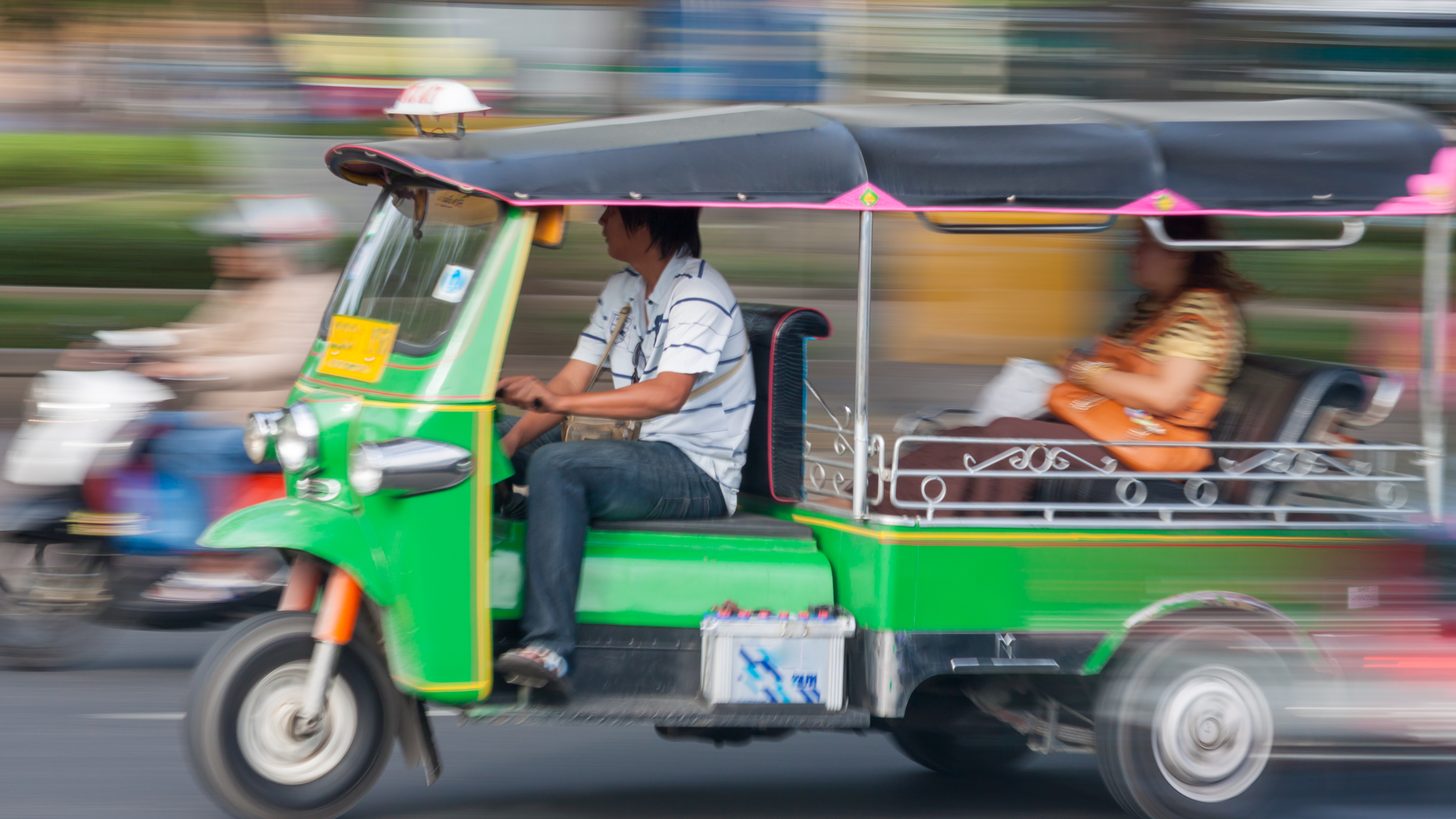
- Trace the transport. A ride-hailing app has a trip record and a driver contact route, which is why an app-booked car is dramatically easier to chase than a hailed taxi. For a hailed taxi, the receipt or a photograph of the licence plate is the entire difference between a search and a shrug.
- Use the device's own tracking for a phone, tablet, laptop, watch or tagged bag, before assuming it is gone. Clients under stress forget they have this.
- Then, and only then, report it formally if it is not found and a claim may follow.
The single most useful preventive habit to give a client is to photograph the licence plate of any taxi they get into. It takes two seconds, it is not paranoid, and it converts an unrecoverable loss into a traceable one.
Where things actually go
- Airports run formal lost-property offices, usually with an online or telephone enquiry route, and items found landside and airside are handled separately. Something left on the aircraft is the airline's, not the airport's — a distinction that wastes a great deal of time when nobody explains it.
- Rail and metro systems in Bangkok hold found items centrally rather than at the station where they were found, so enquiring at the station is often the wrong move.
- Taxis and ride-hailing depend entirely on identification. With a trip record, recovery is common. Without one, it depends on a driver handing the item in somewhere.
- Hotels hold found property for a period and are generally reliable, but the item must be described precisely and the room and dates given — "a black charger" describes half the contents of any hotel's lost-property drawer.
- Attractions, malls and restaurants keep found items at a service desk, often only for a limited time before disposal or transfer.
- Boats and piers are the hardest, because the vessel may not return to the same pier the same day.
Thailand's reputation for returned property is genuinely good, and it is worth telling a client that rather than letting them assume the worst and give up in the first ten minutes. Items are frequently handed in.
Documents, cards and the things that are not just things
Some losses are administrative emergencies rather than inconveniences, and they need a different response:
- A passport is its own process, starting with a police report and running through the client's embassy — see our lost and stolen passport guide, where the order genuinely matters.
- Bank cards should be frozen in-app first and cancelled second. Most clients now can do this themselves in seconds and do not think to.
- A phone is usually the worst single loss, because it holds the boarding passes, the banking, the two-factor codes and the photographs. Remote-lock it, and expect the two-factor problem to be the real headache — a client locked out of their own authentication cannot check in for a flight.
- Prescription medication lost mid-trip is a pharmacy question and occasionally a doctor question, and some categories cannot simply be re-bought over a counter.
Where an insurance claim is likely, a police report is usually required and needs to be obtained locally, before departure, not requested afterwards from another country. Tourist-facing police services exist for exactly this and are the right route for a visitor. The claim will also want the value evidenced, so a client should photograph what they still have and keep any receipts.
Left luggage: where a bag can safely wait
A different problem, and a common one on a Thailand itinerary, because so many files have a late departure flight, a mid-trip island hop where the heavy bag is not needed, or a day between check-out and a night train.
- Hotels are the default and the best answer. Storing bags after check-out is standard, usually free, and the property already has a relationship with the client. Confirm it in the file for any late-departure day rather than assuming.
- Airports and major stations operate paid left-luggage facilities, with opening hours that matter for a very early or very late movement.
- Commercial storage counters exist around busy tourist districts. Use judgement: an established operator with a proper counter and a receipt is not the same as a shopfront with a handwritten sign.
- Anything valuable, fragile or irreplaceable should not be left at all — passports, medication, electronics, documents. If it cannot be replaced in Thailand, it travels with the client.
- Long gaps are a ground-handling question. Where a client has a full day between check-out and a late flight, storing the bag and giving them a day-use room, a lounge or a planned excursion is a far better answer than leaving them to drag it around in the heat.

The client brief, and the file
Three lines to a client, before travel:
- Photograph the licence plate of any taxi you take.
- Turn on device tracking before you fly, and know how to use it.
- If you lose something, tell us straight away rather than after you have looked for an hour — the first hour is when it is findable.
And in the file: your ground partner's number in the client's phone, a note of which nights are hotel-storage days, and the client's insurance details, so a claim route exists if recovery fails. Bag loss caused by an airline rather than the client is a separate matter with its own process — our delayed luggage guide covers the multi-centre version, which is considerably worse.
What the ground partner carries here
The phone call in Thai, made immediately, to the right desk. Knowing which office holds found items for a given metro line, which airport counter handles landside versus airside, how to reach a driver through an operator, where a tourist police report is actually obtained, and how to get a recovered item across the country to a client who has already moved on. That is ordinary Thailand DMC services for travel agents, alongside our own transport whose vehicles and drivers are known rather than anonymous, licensed guides who can accompany a client to a police station, and 24/7 support for the loss discovered at midnight.
The advantage of a known driver is worth stating plainly: an item left in a Thailand DMC vehicle is found because we know exactly which car, which driver and which run. That is not true of a car flagged down on a street. See Bangkok for the city where most of these losses happen, and how we work with agents in your source market on client briefing.
Frequently asked questions
What should a client do first when they lose something?
Identify where they last certainly had it — not where they think they lost it — and contact that place immediately, ideally in Thai. Then trace the transport: a ride-hailing app has a trip record and a route to the driver, while a hailed taxi depends entirely on a receipt or a photographed licence plate. Device tracking should be used before assuming an electronic item is gone.
Is lost property usually recovered in Thailand?
More often than clients expect — items are frequently handed in, and it is worth telling clients that so they do not give up in the first ten minutes. What determines the outcome is speed and identification. Recovery rates fall sharply with time, because the item passes through more hands and becomes harder to trace at each handover.
Where do found items actually go?
It depends on the place. Airports run formal lost-property offices with landside and airside handled separately, and anything left on an aircraft is the airline's rather than the airport's. Bangkok's rail and metro systems hold found items centrally rather than at the station, so enquiring at the station is often the wrong move. Hotels, malls and attractions hold items at a service desk for a limited period.
When is a police report needed?
Whenever an insurance claim is likely, and it must be obtained locally before the client leaves Thailand — it cannot be requested afterwards from another country. Tourist-facing police services exist for exactly this. Insurers will also want the value evidenced, so keep receipts and photographs of what remains.
Can clients leave luggage somewhere for the day?
Yes. Hotels store bags after check-out as standard, usually free, and that is the best option because the property already has a relationship with the client. Airports and major stations run paid facilities, and commercial counters exist in tourist districts — use judgement there. Nothing valuable, fragile or irreplaceable should be left anywhere.
What about a full day between check-out and a late flight?
Treat it as a ground-handling question rather than a storage one. Storing the bag and giving the client a day-use room, a lounge or a planned excursion turns a miserable afternoon into part of the trip. Send us the late-departure days on your itinerary at b2b@explera.co.th and we will build something into them.
Building a Thailand itinerary with late departures or island hops? Talk to our trade desk and we will plan the bags as carefully as the people.