

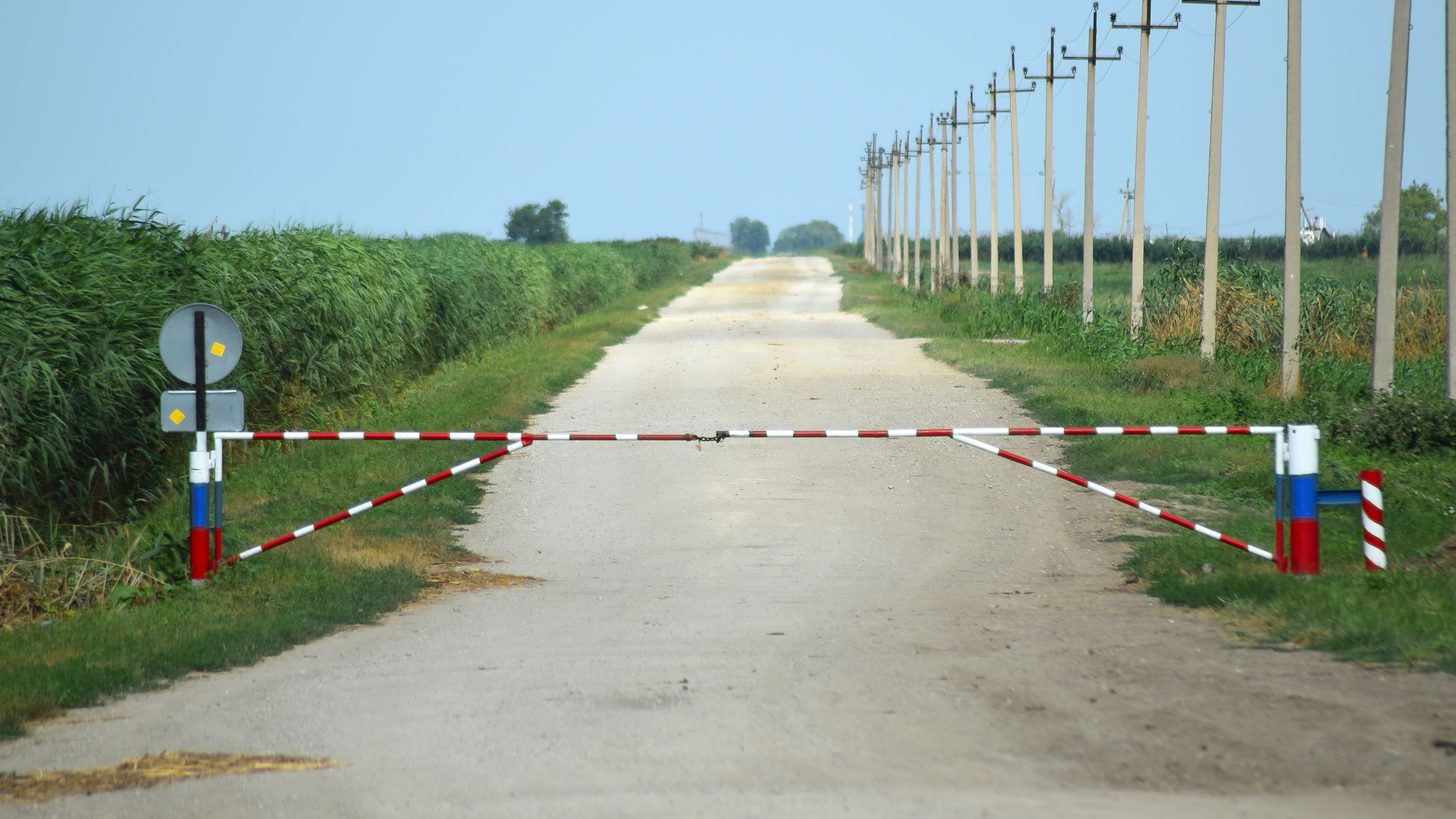
Every land crossing between Thailand and Cambodia is shut, has been shut for over a year, and the Thai government has repeatedly said it will not reopen them until its own conditions are met — which means the overland Bangkok-to-Angkor product a great many agencies still have on file cannot be operated at all. Clients fly between the two countries or they do not go. This briefing from a Thailand DMC for travel agents covers what is actually closed, what is unaffected, what it does to a twin-centre itinerary, and the advisory question that also touches purely Thai routings near the frontier.
Explera is an IATA TIDS-registered ground handler (96215733) trusted by 340+ agency partners, with in-house transport, licensed guides and 24/7 support. Reach the trade desk at b2b@explera.co.th.
What is closed, and since when
The land border between Thailand and Cambodia closed in stages during 2025 as a border conflict escalated, and it has stayed closed. The reporting consistently describes all of the official land checkpoints as shut to travellers, including the crossings in Trat and Chanthaburi that serve Cambodia's coast and the routes through Sa Kaeo that carried the classic Bangkok-to-Siem Reap overland run.
A ceasefire was agreed in late December 2025 and was reported violated within weeks. Through 2026 the Thai position has not softened: Prime Minister Anutin Charnvirakul has said on more than one occasion that there will be no reopening until Cambodia accepts Thailand's conditions, that no timeline exists, and that reopening would follow a step-by-step restoration of relations rather than a single announcement. Cambodia has asked for the eastern checkpoints to reopen; Thailand has declined to enter talks on it.
A sourcing note before any of this is repeated to a client. We could not read a current Thai government notice directly from this desk, and the secondary reporting we can read carries different dates for the most recent confirmation — some of it from the spring, some later. What is consistent across every source is the direction: closed, no timeline, conditional on a diplomatic process that has not started. Treat that as reliable and treat the exact status on any given day as something to reconfirm, because a border position is precisely the kind of thing that can change on one morning's announcement.
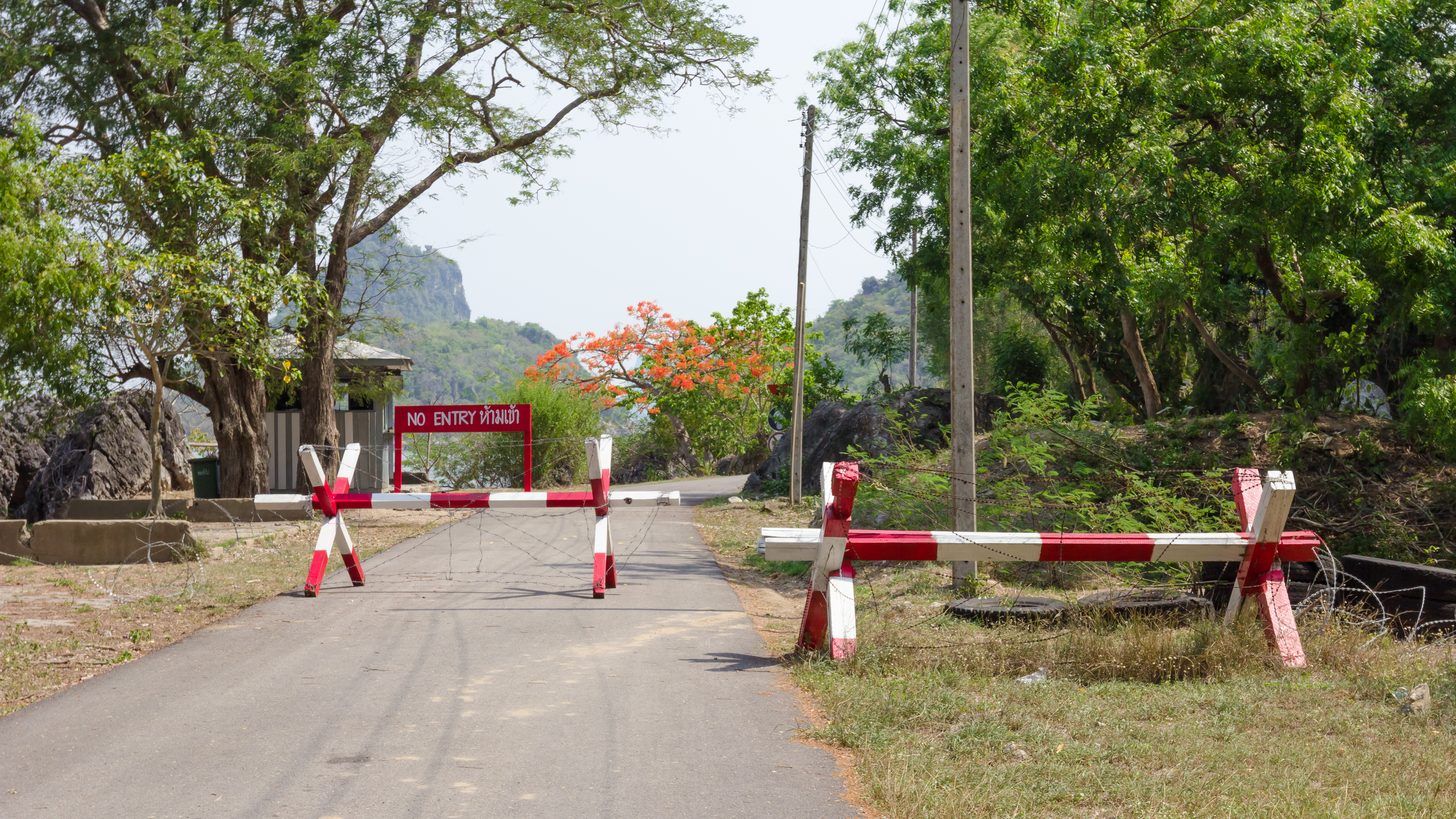
What is not affected at all
This is the part worth saying first to a nervous client, because the headline reads worse than the reality for most itineraries:
- Air links between the two countries run normally. Bangkok to Phnom Penh and Bangkok to Siem Reap are ordinary scheduled services. A twin-centre trip still works — it just works by air.
- Bangkok, Chiang Mai, Phuket, Krabi, Koh Samui and the whole southern coast are nowhere near this. The affected zone is a land frontier hundreds of kilometres from every destination the average client is actually buying.
- Arrivals into Thailand are unchanged. Nothing about the closure touches visa exemption, the arrival card or airport immigration.
If a client has read a headline and is asking whether Thailand is safe, the honest answer is that the question is geographically specific and the answer for everywhere they wanted to go is yes. Our Bangkok and Phuket pages cover destinations entirely outside the affected area.
What actually breaks on a file
- The overland Angkor add-on. Bangkok to Siem Reap by road, with the border formality in the middle, was a staple of the budget and mid-market long-haul itinerary. It cannot be operated. Any brochure copy, tour description or supplier contract that describes it needs pulling now rather than at booking.
- Trat and Koh Kong. The route from Thailand's eastern seaboard into Cambodia's coast — used for island-hopping combinations and for repositioning between Ko Chang and Sihanoukville — is not available.
- Visa-on-arrival-at-the-border advice. Guidance about obtaining a Cambodian visa at a land checkpoint is void while the checkpoints are closed, and it is the sort of detail an experienced agent repeats from memory.
- Multi-country coach products. Anything that moves a group by road across this frontier — including Thailand-Cambodia-Vietnam circuits sold as a single surface journey — has to be re-planned around flights, which changes the day structure, the luggage handling and the guide arrangement, not just the transport line.
Our guide to twin-centre and multi-country routing sets out how these itineraries are engineered. Read it with this correction in mind: where it discusses the overland-versus-air decision, that choice is currently open for Laos and closed for Cambodia.
The advisory question on purely Thai routings
There is a second-order issue that has nothing to do with crossing and everything to do with where a client stands. Several foreign ministries have advisories covering a band of Thai territory along the frontier — the United States renewed a do-not-travel advisory in March 2026 for areas within roughly fifty kilometres of the border across seven provinces. That band includes places a cultural itinerary might genuinely visit.
The practical consequences are three:
- Insurance. A client travelling into an area their own government advises against may find cover affected. That is a conversation for the agent and the client's insurer, and it is far better had at quoting stage than after an incident.
- Corporate and group policy. Many corporate travel policies key directly off government advisories. A MICE programme with an excursion into an advisory zone can fail an internal approval that nobody thought to check.
- Itinerary substitution. Most of what a border-adjacent stop was for can be delivered elsewhere. Our guide to Isan covers the northeast, where the good decision is to route around the frontier band rather than avoid the region.
Check the current advisory for your own client's nationality rather than assuming it matches another market's. Advisories differ between governments on the same ground, and how we work with agents in each source market includes knowing which advisory their clients are actually reading.

How to rebuild the itinerary
The flown version of a Thailand-and-Cambodia trip is not a degraded version — handled properly it is a better one, and it is worth selling that way rather than apologising for it:
- Fly the sector and buy back the day. The overland run consumed the best part of a day in transit and formalities. An hour in the air returns that day to the client, and it is usually enough to add a proper Angkor sunrise or a second Bangkok evening.
- Sequence the visas before you sequence the flights. Cambodia's entry requirements are Cambodia's business, and they are applied at an airport rather than a land counter now. Confirm what the client's nationality needs and how long it takes before you commit to dates.
- Own the handover. The single biggest risk in a two-country trip is the gap between the two ground operators. Somebody has to be accountable for the client between the last Thai transfer and the first Cambodian one.
- Rewrite the description honestly. If your product page still describes a scenic land journey, a client who has read the news will not trust anything else on the page.
What the ground partner carries here
The Thai side of a re-planned twin-centre file, and the parts of it that are not published anywhere. Which airport a group of that size should actually depart from, what the transfer takes on the day rather than on paper, whether a northeastern itinerary strays into an advisory band, and what the recovery looks like when a cross-border sector cancels and a client is sitting in the wrong country. That is ordinary Thailand DMC services for travel agents, alongside transfers on our own fleet, licensed guides who know the ground and 24/7 support for the hour it goes wrong.
It also means telling you when a routing you have sold for years cannot be operated, rather than quoting it and discovering the problem at the border. A Thailand DMC that will not deliver that news is not worth having. Send the itinerary to b2b@explera.co.th or use the trade desk and we will tell you what still works.
Frequently asked questions
Can clients still cross between Thailand and Cambodia by land?
No. The official land checkpoints have been closed to travellers since 2025 and the Thai government has repeatedly said they will not reopen without conditions being met first, with no timeline set. Because a border position can change on a single announcement, reconfirm the status before a departure rather than relying on any published guide, including this one.
Does this affect flights between Bangkok and Siem Reap or Phnom Penh?
No. Air services between the two countries operate normally, and flying is how a twin-centre trip is delivered at the moment. It removes the border formality entirely and returns most of a day to the client compared with the overland routing.
Is the rest of Thailand affected?
Not in any way a client will notice. Bangkok, Chiang Mai, Phuket, Krabi, Koh Samui and the southern coast are hundreds of kilometres from the frontier, and nothing about the closure touches arrivals, visa exemption or the digital arrival card. The affected area is a specific land border, not the country.
What about Thai itineraries that go near the border?
That is a separate question worth asking properly. Several governments advise against travel within a band of Thai territory along the frontier across several northeastern and eastern provinces. It can affect insurance and it can fail a corporate travel policy, so check the advisory for your client's own nationality — they differ between governments — and route around the band if it applies.
Should we still sell Thailand and Cambodia together?
Yes, and the flown version is a genuinely better product than the coach version it replaces. Sell it as a flight rather than as a compromise, plan the entry requirements before the dates, and make sure one party is accountable for the client across the handover between the two ground operators.
How quickly would we know if the border reopened?
Faster than a brochure reprint, which is the reason not to build a product on the assumption. The Thai position has been that reopening follows a phased restoration of relations rather than a single decision, so the realistic planning assumption for anything departing in the next few months is that the land routing stays unavailable. We will tell trade partners when it changes.