

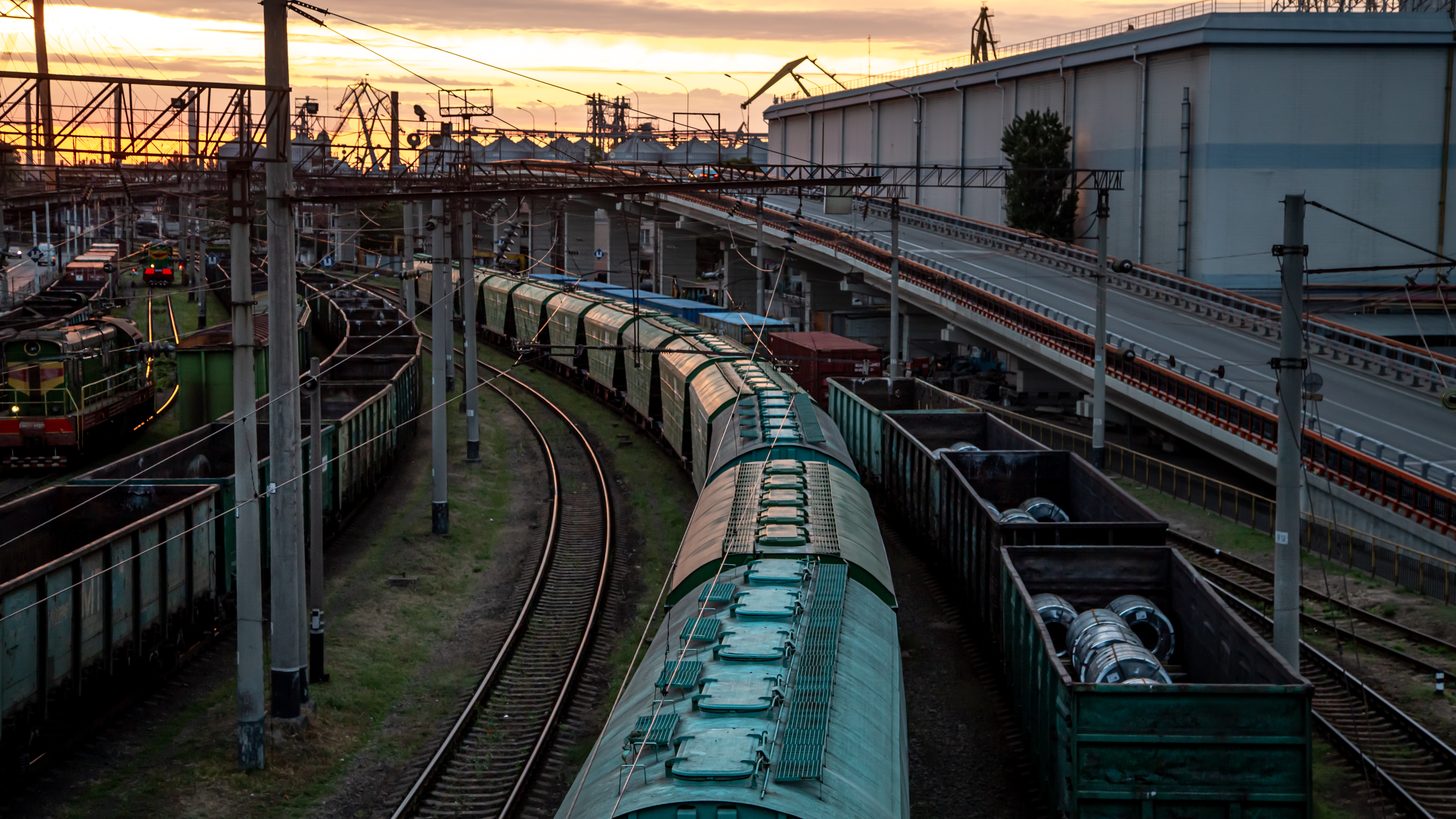
Thailand has passed a Rail Transport Act that lets private companies invest in, co-own and operate rolling stock on the State Railway of Thailand network for the first time — and the Ministry of Transport has already partnered with Minor International to build a luxury tourist train on the back of it. That is a structural change in who is allowed to run a train in Thailand, not another rendering of a train that does not exist. This guide from a Thailand DMC for travel agents sets out what the Act permits, what the first project actually is, what it will and will not do to the product you sell, and how long any of it takes.
Explera is an IATA TIDS-registered ground handler (96215733) trusted by 340+ agency partners, with in-house transport, licensed guides and 24/7 support. Reach the trade desk at b2b@explera.co.th.
Update, 8 September 2026. The Act now has its first operating document. The State Railway of Thailand has published a 2026 Network Statement — the first time private firms can read the network’s capacity data and apply for track slots to run their own passenger, tourism or freight services, paying fixed track-access charges under simplified track-sharing contracts. Separately, the Transport Ministry has opened talks with Minor International on a premium tourist-train network under the Act. None of it is bookable yet: a private-operated tourist service needs a slot, rolling stock and a licence, and no launch date has been published. What has changed is that the timetable for the first project below has moved from legislation to procurement.
What the Act does
The Rail Transport Act deregulates a sector that has been a state monopoly for its whole existence. Private enterprises may now invest in, co-own and operate rolling stock and rail services across the SRT network — the first time anyone other than the state railway has been able to put a train on those tracks.
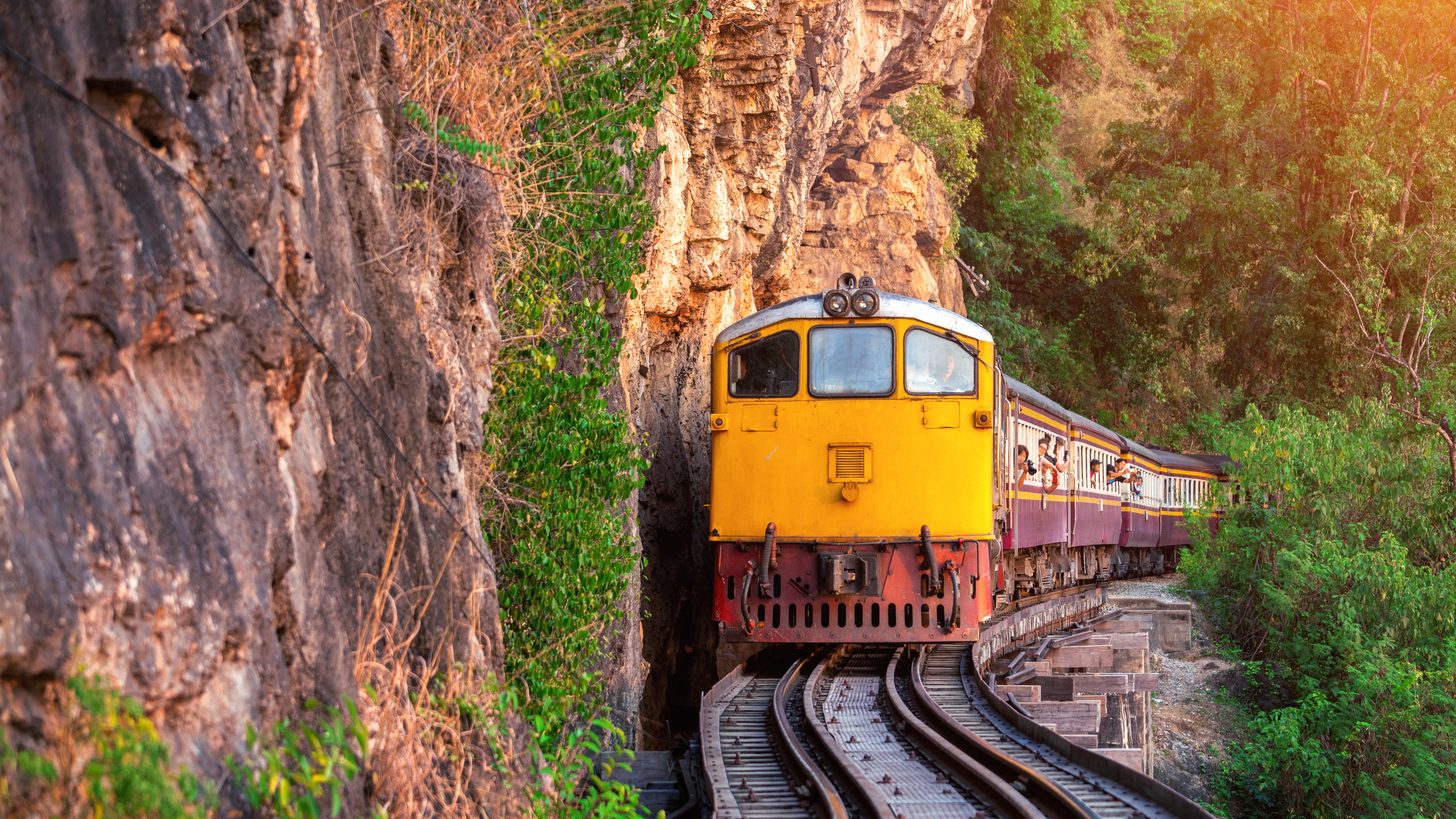
The distinction worth holding on to: this is about operators, not about track. No new line is built by this legislation. What changes is who may run services on the lines that already exist, and on what commercial terms.
The first project
The Ministry of Transport is partnering with Minor International — a hospitality group, not a rail company — to launch a luxury tourist train network. Minor is bringing European rail technology and expertise; the carriages are to be assembled and fitted out in Thailand by Thai artisans.
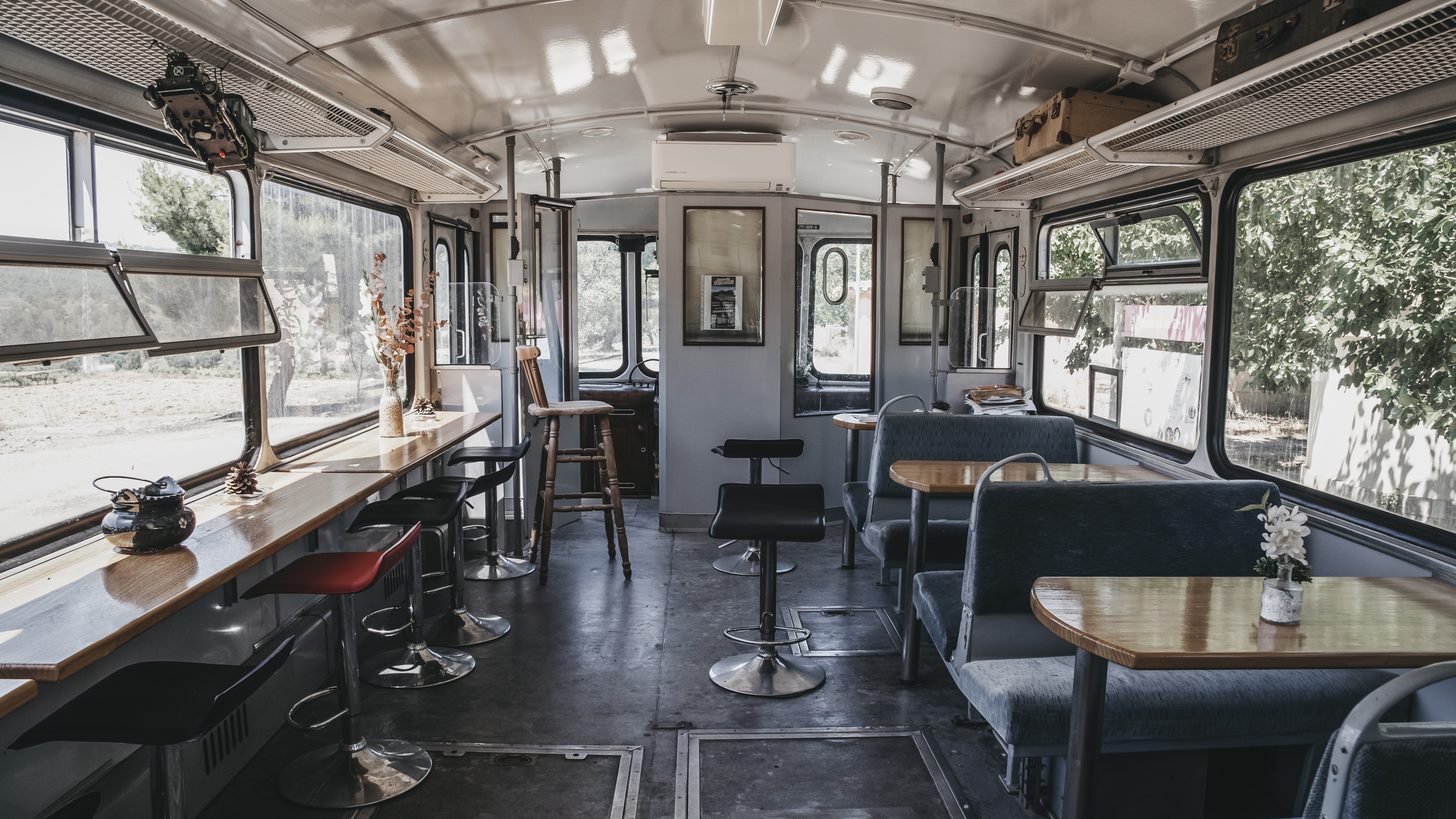
The stated strategy is not commuter capacity. It is high-yield tourism routed deliberately through rural and secondary provinces, with the Transport Ministry integrating cross-provincial scheduling with the Ministry of Tourism and Sports and TAT so the routes read as itineraries rather than timetables.
What has not been published. Route maps, a launch date, carriage counts and the commercial model are not in the public announcements we have seen. Treat everything downstream of "a partnership exists" as unannounced rather than assumed, and do not put a year on it in a client-facing document.
Why this matters to your client
- Supply may finally move. Thailand's luxury rail product has been thin and heavily booked because only one body could create it. A second route into supply is the first genuine reason to expect more.
- Hospitality operators think about guests, not passengers. A hotel group building a train is likely to produce something that behaves like a hotel — which is what the luxury rail market actually buys.
- Secondary provinces are the explicit target. If the routing works as described, it creates sellable reasons to go where clients currently do not.
- It changes the shape of the market, not this season's inventory. Nothing here is bookable now.
Our luxury train guide covers what genuinely runs on Thai rails today, and our rail projects timeline covers the infrastructure that keeps being announced and keeps not arriving.
How to talk about it with a client
- Separate the law from the launch. The Act is real and in force. The train is a partnership announcement. Those are different kinds of fact and should not share a sentence in a proposal.
- Refuse to name a year. No launch date has been published. Any date circulating is inference, and inference in a quote becomes a complaint.
- Point interest at what runs now. A client excited by Thai luxury rail can travel this year on existing charters and heritage services.
- Register the interest anyway. Clients who want this are worth flagging to your ground partner early, because first allocations on a new premium train will not be widely available.
- Watch the route announcements, not the renders. The first published routing is the point at which this becomes plannable.
See our river cruise guide for the slow-travel product that exists today, and our destination coverage for the provinces this would open up.
What the ground partner carries here
What actually runs on Thai rails this season and how far ahead it goes, which charter and heritage services are worth a client's time and which are not, how a rail leg stitches into a road itinerary without stranding a group, and — when routes are finally published — what the surrounding ground arrangements need to look like. That is ordinary Thailand DMC services for travel agents, alongside transport on our own fleet and licensed guides.
A deregulation announcement is a change in what becomes possible, not a change in what is bookable. A Thailand DMC that keeps those apart protects your client's expectations and your own credibility. Send dates to b2b@explera.co.th or use the trade desk.
Frequently asked questions
What does the Rail Transport Act change?
It deregulates rail in Thailand, allowing private companies to invest in, co-own and operate rolling stock and services across the State Railway of Thailand network for the first time. It changes who may run trains; it does not build any new line.
What is the first project under it?
A luxury tourist train network, through a partnership between the Ministry of Transport and Minor International. Minor brings European rail technology and expertise, with carriages assembled and fitted out in Thailand by Thai artisans.
When can clients travel on it?
Unknown, and that is the honest answer. No launch date, route map or commercial model has been published. Any year currently circulating is inference rather than announcement, and should not appear in a client document.
Does this affect anything I am selling now?
No. It changes what may exist in future. For a client who wants Thai rail this year, the existing charter and heritage services are the answer, and they book up well ahead.
Why is a hotel group building a train?
Because the product is hospitality rather than transport. The stated aim is high-yield tourism routed through rural and secondary provinces, with scheduling coordinated with the Ministry of Tourism and Sports and TAT so the routes work as itineraries.
What is the next thing worth watching?
The first published route. Until a routing exists, nothing about this can be planned around; once one does, the surrounding ground arrangements become a real conversation.