


Thailand has spent 2026 building a science-based surf therapy programme on the Andaman coast, and in August it put international media and creators through it in Phuket and Phang-nga. The commercially interesting part is not the surfing. It is that the Andaman coast's surf season is the monsoon — the months an agent normally struggles to sell — and Thailand has now built a wellness product that only works then. This guide from a Thailand DMC for travel agents covers what the programme actually is, where it happens, who it suits, and how to position a green-season Andaman week around it.
Explera is a TAT-licensed ground handler (TAT licence 14/05119, IATA 96215733) trusted by 4,500+ agency partners, with in-house transport, licensed guides and 24/7 support. Reach the trade desk at b2b@explera.co.th.
What Thailand Surf Therapy actually is
Surf therapy is not a surf lesson with a wellness label on it. It is an evidence-informed practice — structured sessions in the water aimed at mental wellbeing, resilience and social connection, with the surfing as the vehicle rather than the goal.
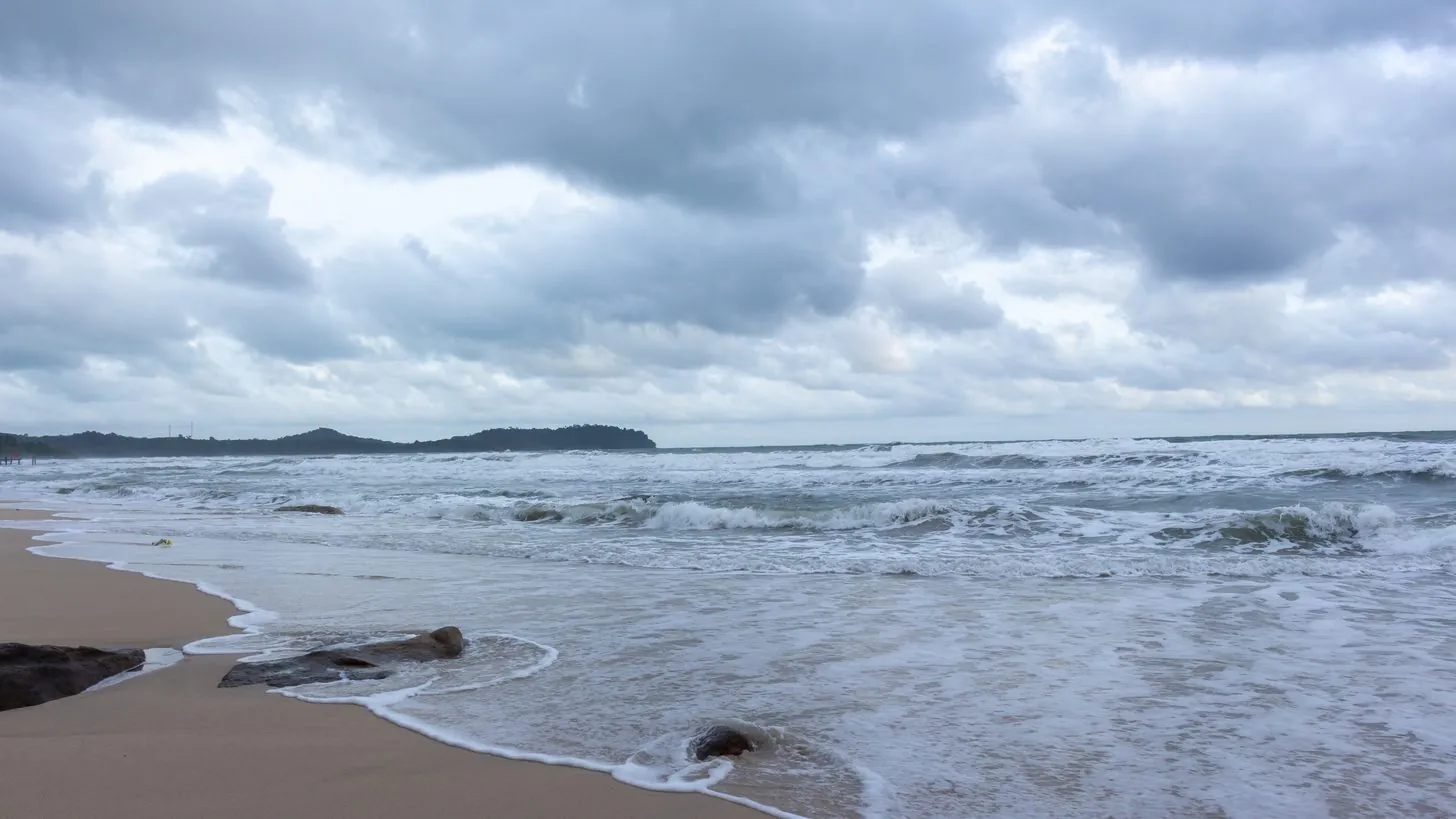
Thailand's programme began through a knowledge-transfer partnership with Waves for Change, the South African organisation that pioneered the approach, and has been developed under Thailand Health Excellence 2026 and the wider "Healing Is the New Luxury" positioning. Phang-nga has been presented as Thailand's first science-based surf therapy destination.
In August, TAT ran international creator and media journeys through Phuket and Phang-nga — the Amazing Thailand Surf and Wellness Journey among them — bringing media representatives and creators from the United Kingdom, Australia and Japan together with Thai tourism and wellness partners. Guided sessions ran at Memories Surf House in Khao Lak, covering water safety, movement and progressive surf skills, with the surrounding itinerary built out through wellness stays, forest bathing in Khao Lak–Lam Ru National Park, kayaking and cultural visits.
Why this matters to your client, and to your calendar
The seasonal logic is the whole argument:
- Andaman surf exists because of the south-west monsoon. The swell that makes Khao Lak and Phuket surfable arrives in the months when the coast is conventionally described as closed.
- That converts a discount season into a product season. Instead of selling a green-season week apologetically, you are selling the only time of year the activity works.
- It gives wellness a structure. "Wellness" as a category is vague and hard to quote. A programme with a method, a partner organisation and a defined session is something a client can picture.
- It suits an audience that will not book a spa week. Younger clients, solo travellers and groups of friends who want to do something, not be treated.
- Phang-nga is not Phuket. Khao Lak gives you a quieter coast at a moment when quiet is what the product needs.
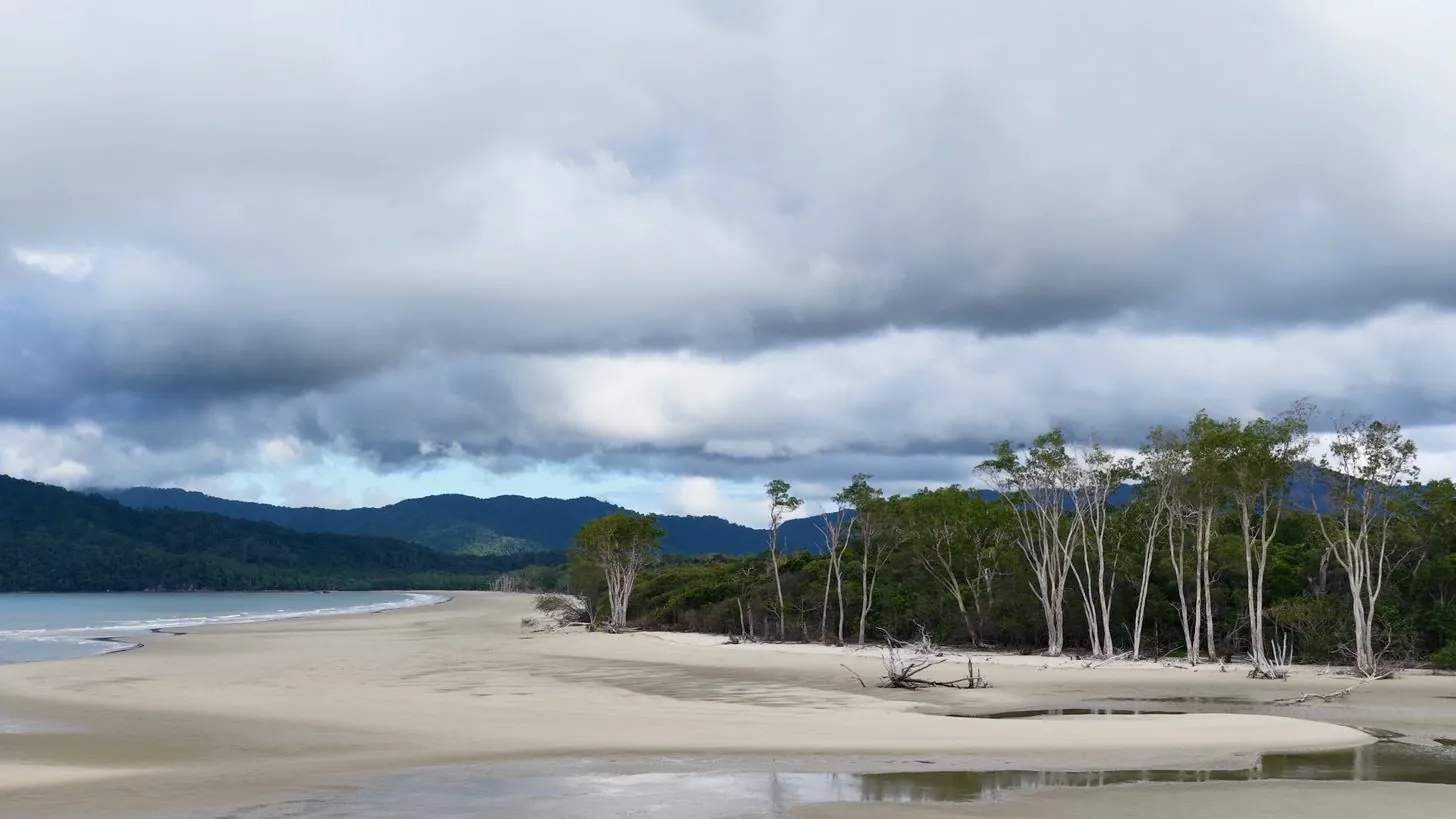
Our green season selling guide covers the wider seasonal argument, and our timing guide sets out how the two coasts trade places through the year.
How to package it
- Anchor the week in Khao Lak, not Phuket. Use Phuket for the airport and, if the client wants it, a night at either end.
- Do not build the whole week on the water. Forest bathing, kayaking and a national park day fill the days the sea does not cooperate, and the monsoon guarantees some of those.
- Be exact about ability. Progressive skills and water safety are part of the method, but this is still open ocean in a swell season. Clients who cannot swim confidently need to be told so before they book.
- Sell it as a programme, not an excursion. Several sessions across a week is what makes it therapy rather than a lesson, and it is what justifies the length of stay.
- Price the weather into the promise. Say plainly that some sessions may move. A client who expects that is not a complaint.
See Khao Lak and Phang-nga for the coast itself, and our tours and activities team for the land days that hold the week together.
Who to sell it to
- Wellness clients who are bored of spas. This is the active end of the category and it reads as genuine rather than curated.
- Solo travellers. A structured group programme solves the single-traveller problem better than almost anything else in the wellness space.
- Small friend groups and corporate wellbeing groups, where shared challenge is the point.
- Repeat Thailand visitors who have already done the high-season Andaman and would not otherwise return in July or August.
- Not a first-time client whose mental image of Thailand is a flat turquoise sea. Sell them the high season and keep this for the second trip.
Agents working wellness in the European and Australian markets will recognise the profile — see how we work with agents in your source market.
What the ground partner carries here
Which operators on that coast run a structured programme rather than a surf school with a new name, what the sea genuinely does month by month at each break, which wellness properties in Khao Lak can hold a group for a full week, how the transfers from Phuket airport work in heavy rain, and what the alternative day looks like when a session is called off. That is ordinary Thailand DMC services for travel agents, alongside our own transport fleet and 24/7 support.
Green season is only a discount if you have nothing to sell in it. A Thailand DMC with real product on the Andaman coast in the monsoon turns the quiet months into the reason for the trip. Send dates to b2b@explera.co.th or use the trade desk.
Frequently asked questions
What is Thailand Surf Therapy?
A structured, evidence-informed wellness practice using surfing to build mental wellbeing, resilience and social connection. Thailand developed it through a knowledge-transfer partnership with Waves for Change, the South African organisation that pioneered the approach, under Thailand Health Excellence 2026.
Where does it happen?
On the Andaman coast, with Phang-nga presented as Thailand's first science-based surf therapy destination. August sessions ran at Memories Surf House in Khao Lak, alongside wellness stays, forest bathing in Khao Lak–Lam Ru National Park, kayaking and cultural visits.
When can clients do it?
In the green season. The Andaman swell that makes this possible comes with the south-west monsoon, so the activity works in exactly the months the coast is usually sold apologetically — which is the commercial point.
Who is it right for?
Wellness clients who want to do something rather than be treated, solo travellers who benefit from a structured group, small friend and corporate wellbeing groups, and repeat visitors who would not otherwise come back in the wet months.
What should I warn clients about?
That it is open ocean in a swell season. Water confidence is a real requirement despite the progressive structure, and some sessions will move for weather. Clients told this in advance treat it as part of the experience.
How long should the stay be?
Long enough for several sessions. A single session is a surf lesson; the programme's value comes from repetition across a week, with land days built in so the itinerary survives the days the sea does not cooperate.