
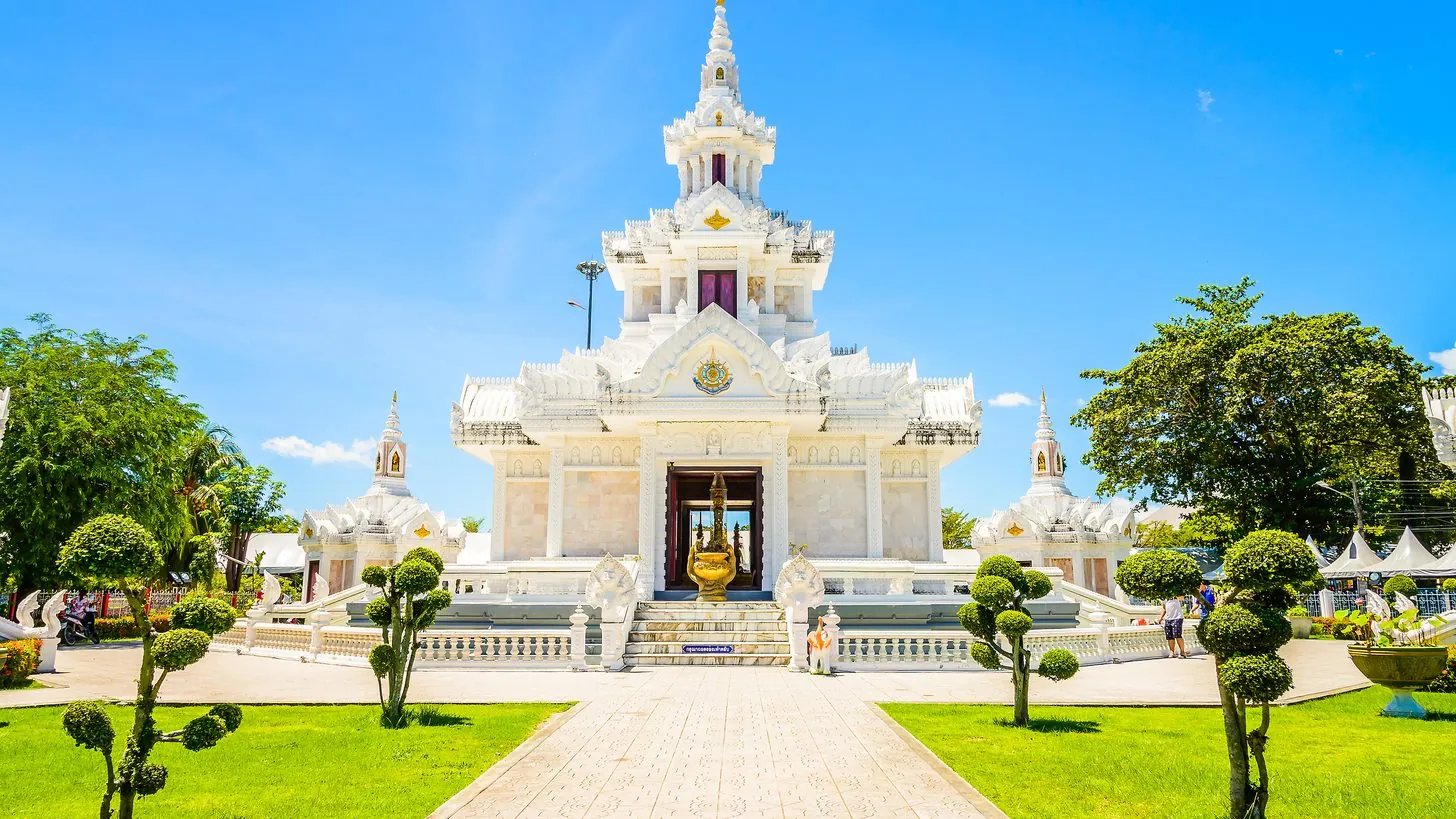
Wat Phra Mahathat Woramahawihan in Nakhon Si Thammarat was inscribed on the UNESCO World Heritage List at the 48th session of the World Heritage Committee, held in Busan, Republic of Korea from 19 to 29 July 2026 — making it Thailand's ninth World Heritage property and its sixth cultural one. For agents, a new World Heritage listing is one of the few events that reliably moves a province from "never heard of it" to "worth a night", and this one lands in a part of southern Thailand almost nobody sells. This guide from a Thailand DMC for travel agents covers what was actually inscribed, why the committee said yes, the campaign built around it, and how to work Nakhon Si Thammarat into an itinerary that already has a shape.
Explera is a TAT-licensed ground handler (TAT licence 14/05119, IATA 96215733) trusted by 4,500+ agency partners, with in-house transport, licensed guides and 24/7 support. Reach the trade desk at b2b@explera.co.th.
What was inscribed, and on what grounds
The World Heritage Committee inscribed the property at its 48th session on the recommendation of the International Council on Monuments and Sites. The listing recognises Outstanding Universal Value under criteria (ii) and (vi).
In plain terms, those two criteria are about exchange and about living meaning:
- Criterion (ii) covers an important interchange of human values — here, the meeting of Brahmanism-Hinduism, Mahayana Buddhism and Theravada Buddhism along the maritime routes of southern Asia, written into the architecture of a single site.
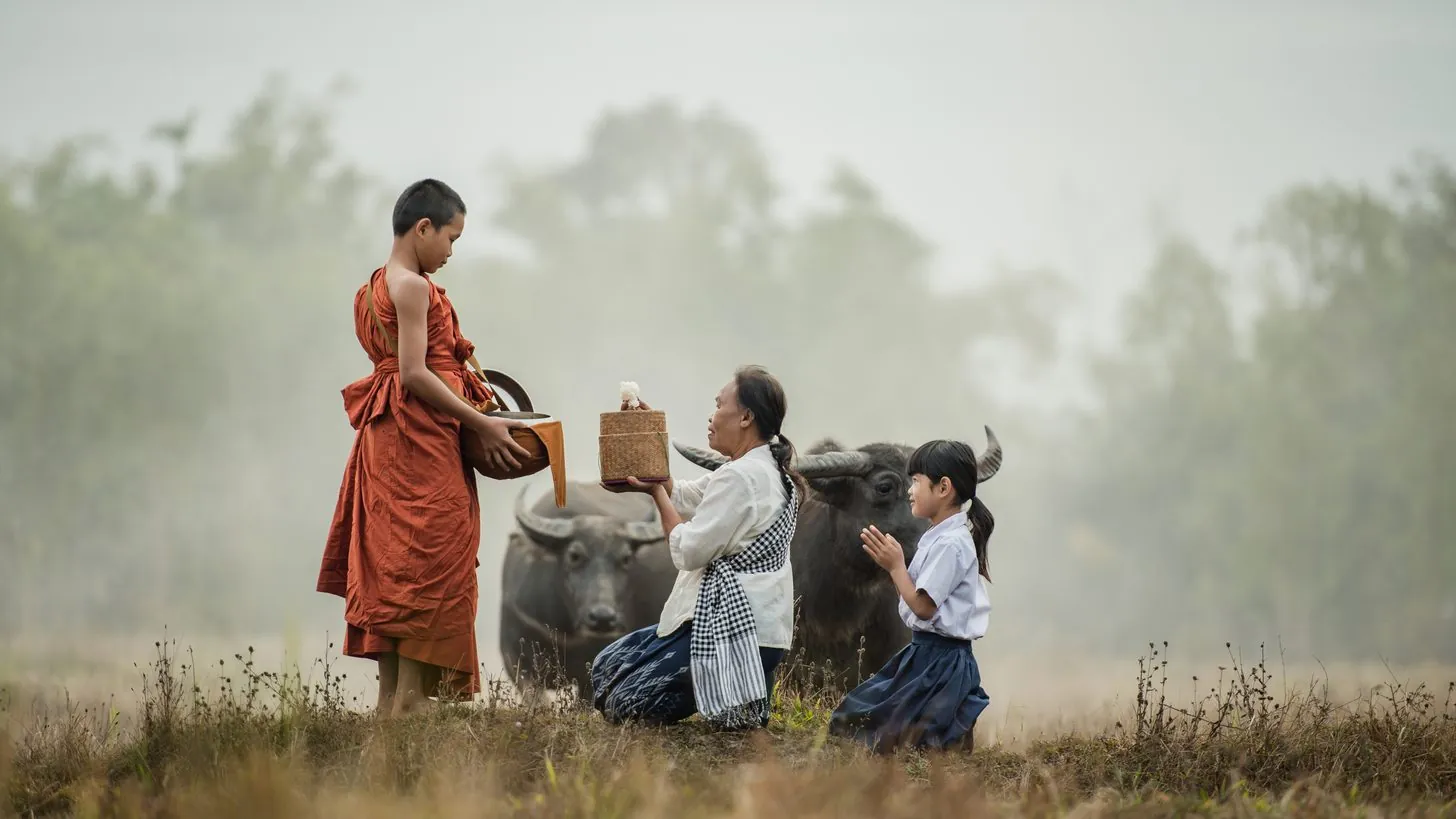
- Criterion (vi) covers direct association with living traditions and beliefs — the temple is not a ruin. It has been a major regional Buddhist centre since its foundation in the eighth century and remains a working place of worship and community life.
That distinction matters commercially. Thailand's other cultural listings — Ayutthaya, Sukhothai, Ban Chiang — are archaeological. This one is an active temple, which changes both what a client experiences and how they are expected to behave there.
The campaign built around it
The Tourism Authority of Thailand is carrying the inscription forward through "The Twelve Sacred Discoveries Nakhon Si Thammarat: A Journey to World Heritage", a year-round programme rather than a single festival window.
The programme presents the historical, religious, artistic and cultural significance of the temple while reflecting its continuing role as a centre of worship, and it extends outward into the traditions and cultural identity of Nakhon Si Thammarat and southern Thailand more widely.
Why the "year-round" part is the useful detail. Most Thai cultural product is date-locked — a festival, a procession, a single week. A year-round campaign means you can sell this in June as easily as in December, which is unusual and worth remembering when a client's dates are fixed and inconvenient.
Why this matters to your client
- Novelty with authority. "Thailand's newest World Heritage Site" is a phrase that does real work in a proposal, and it has an official body behind it rather than a marketing claim.
- It opens a province agents do not currently sell. Nakhon Si Thammarat sits on the Gulf side of the southern peninsula and has been overwhelmingly a domestic destination.
- It suits the repeat client. Anyone who has done Bangkok, Chiang Mai and an island twice is exactly who this is for.
- It pairs naturally with the Gulf islands. The province is on the mainland side of the same coast as Koh Samui, which makes a cultural extension coherent rather than a detour.
- It is a genuinely living site, which reads better to culturally curious travellers than another set of foundations.
Our Sukhothai guide and Ayutthaya day trip cover the established heritage circuit this now joins, and our temples guide covers how to brief clients on temple visits generally.
How to package it
Nakhon Si Thammarat is not a stand-alone week. Treat it as a high-value insert:
- As a cultural extension to a Gulf island stay. The most natural version: beach days on the island, then a mainland night for the temple and the province's craft traditions.
- As a stop on a southern overland routing, for clients who prefer moving to sitting still.
- As a special-interest anchor for religious, cultural and study groups, where a newly inscribed active Buddhist centre is a serious draw.
- Not as a half-day tick. A rushed stop at a site whose value is its living practice misses the point and reads as filler in a quote.
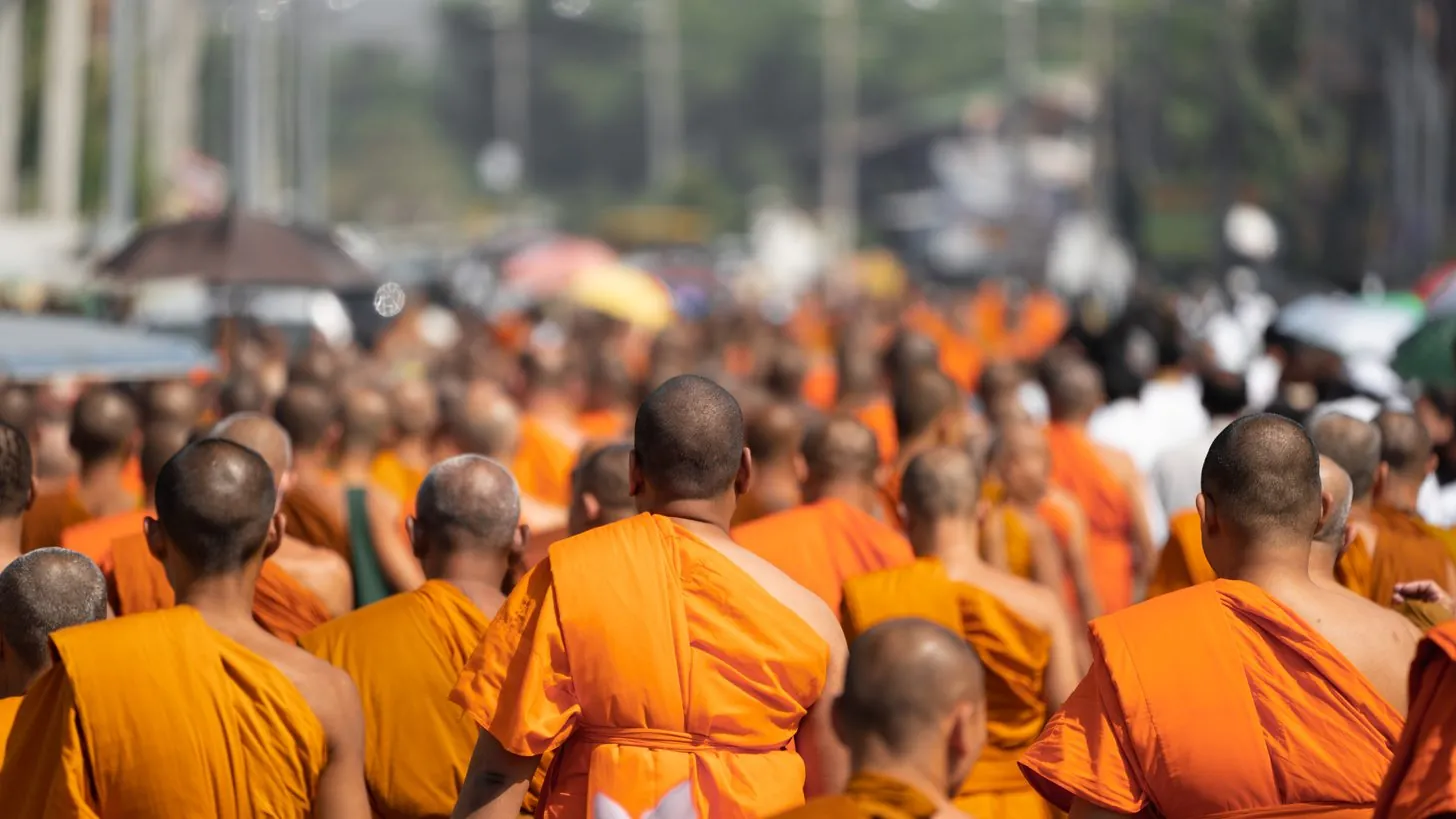
The honest caveats. Inscription does not build hotels. Accommodation and guiding capacity in the province are thinner than on the island coasts, English-language guiding at the standard a long-haul client expects is a limited pool, and a new listing tends to bring domestic visitor volume before it brings infrastructure. Plan the ground arrangements early rather than assuming availability, and set expectations that this is a provincial Thai city rather than a resort town.
This is where licensed guides and our own transport fleet matter more than in a well-worn destination — see our Nakhon Si Thammarat coverage and Koh Samui for the pairing.
What the ground partner carries here
Which properties in the province are genuinely suitable for a long-haul client, which guides can carry a religious and art-historical brief in the client's language, how the temple's own observances affect access on any given day, what dress and conduct the site expects, and how the transfer from the island coast actually works in practice. That is ordinary Thailand DMC services for travel agents, alongside tours and activities and the trade desk behind them.
A new World Heritage listing is a short window in which a destination is newsworthy and still uncrowded. A Thailand DMC with people on the ground in the south is how you use that window before everyone else does. Send dates to b2b@explera.co.th or use the trade desk, and see how we work with agents in your source market on culture-led itineraries.
Frequently asked questions
What exactly was inscribed, and when?
Wat Phra Mahathat Woramahawihan in Nakhon Si Thammarat, inscribed at the 48th session of the World Heritage Committee held in Busan, Republic of Korea from 19 to 29 July 2026, on the recommendation of the International Council on Monuments and Sites. It is Thailand's ninth World Heritage property and its sixth cultural property.
Why was it listed?
For Outstanding Universal Value under criteria (ii) and (vi) — the interchange of Brahmanism-Hinduism, Mahayana and Theravada Buddhism along southern maritime Asia, and the site's direct association with living tradition. It has been a major regional Buddhist centre since the eighth century and is still in active religious use.
Is there a campaign agents can hang a sell on?
Yes. TAT is promoting the listing through "The Twelve Sacred Discoveries Nakhon Si Thammarat: A Journey to World Heritage", a year-round programme rather than a fixed festival window, which means it can be sold across the whole calendar.
How should I fit it into an itinerary?
Most naturally as a mainland cultural extension to a Gulf island stay, or as a stop on a southern overland routing. It is not a stand-alone week, and a rushed half-day misses what the listing is actually about.
What should I warn clients about?
That this is a provincial Thai city, not a resort destination, and that the temple is a working place of worship with the dress and conduct expectations that implies. Hotel and guiding capacity is thinner than on the island coasts, so arrangements need to be made earlier than usual.
Who is it right for?
Repeat visitors who have already done the standard circuit, culturally curious long-haul clients, and religious or study groups. It is the wrong recommendation for a first-time family whose priority is beach time and headline sights.