


Udon Thani hosts an International Horticultural Expo from 1 November 2026 to 14 March 2027 — four and a half months of it, in a province most agencies have never quoted. That length is the commercial fact. A festival is a date you either hit or miss; an expo running most of a high season is a reason to route an itinerary differently for two consecutive selling quarters.
Explera DMC Thailand is the ground partner behind Isan files for agencies worldwide — IATA 96215733, 340+ agency partners, and a trade desk on b2b@explera.co.th that answers with what is actually bookable.
What is happening, and when
The expo runs at Nong Da wetland in Udon Thani under the theme "Diversity of Life — Connecting People, Water, and Plants for Sustainable Living". It is reported as the first edition of the event to be staged on wetland grounds, which is the organisers' own framing of what makes it distinct rather than a marketing line we are adding.
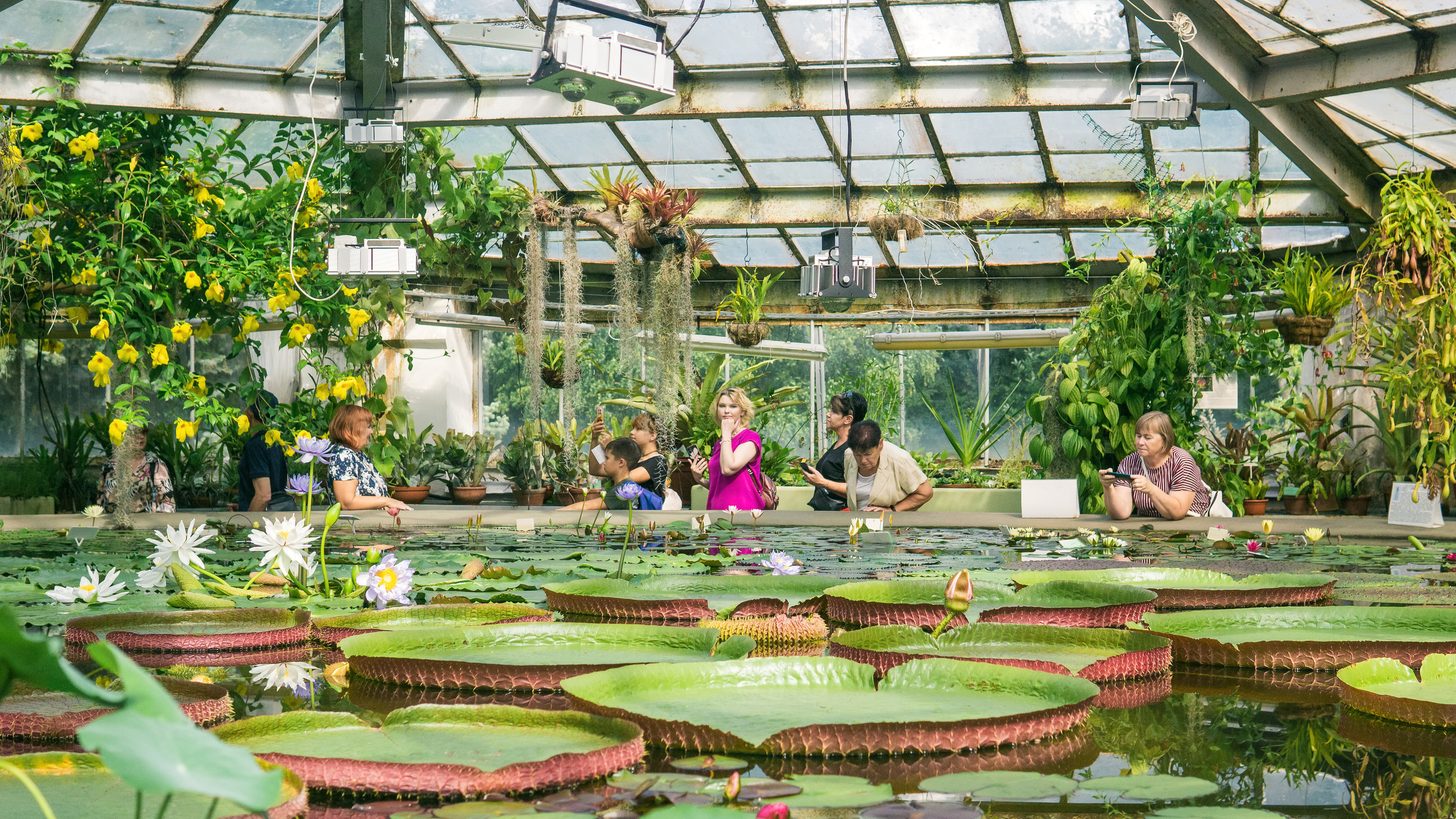
The site is built around six zones. Three are named in reporting: an International Garden Zone, a Greenhouse Zone and a Carbon Credit Forest Zone. Fifteen countries have confirmed participation, among them the United States, the Netherlands and South Korea.
One number to be careful with. Visitor projections in circulation do not agree — one figure puts attendance in the low millions and another roughly a third higher. Do not repeat either to a client as fact. What both agree on is the shape: a large majority of visitors will be domestic, on the order of seven in ten. That matters more to you than the total, and we come back to it below.
Why this changes the Isan conversation
Isan has always had the product and never had the access. That has just moved: Udon Thani's airport took its international aerodrome certificate and its first Chinese charter series in the same week. Read the two stories together and the sequence is obvious — the certificate and the expo are not coincidence, they are the same programme.
This is the kind of shift a Thailand DMC sees before the trade press does, because it shows up first as contracting pressure rather than as an announcement. For an agency it means the northeast stops being a hard sell for one specific window. A client who would not cross the country for a temple circuit will cross it for a dated international event, and once they are there the rest of the region is a short drive rather than another flight.
Who this actually suits
- The repeat client who has done Bangkok, Chiang Mai and a beach. This is the honest third itinerary, and now it has an anchor with a date on it.
- Special-interest groups. Garden societies, horticultural associations, landscape and botanical clubs travel in organised groups, book far ahead and are underserved in Asia. Fifteen participating countries means a national garden pavilion your client may already have a connection to.
- Incentive and association groups. A sustainability-framed venue with a carbon-forest zone answers the brief a lot of corporate buyers are now handed. That is MICE ground handling work rather than leisure.
- Slow-travel and photography clients, who benefit from the one thing a four-month run gives you: the freedom to pick a quiet week.
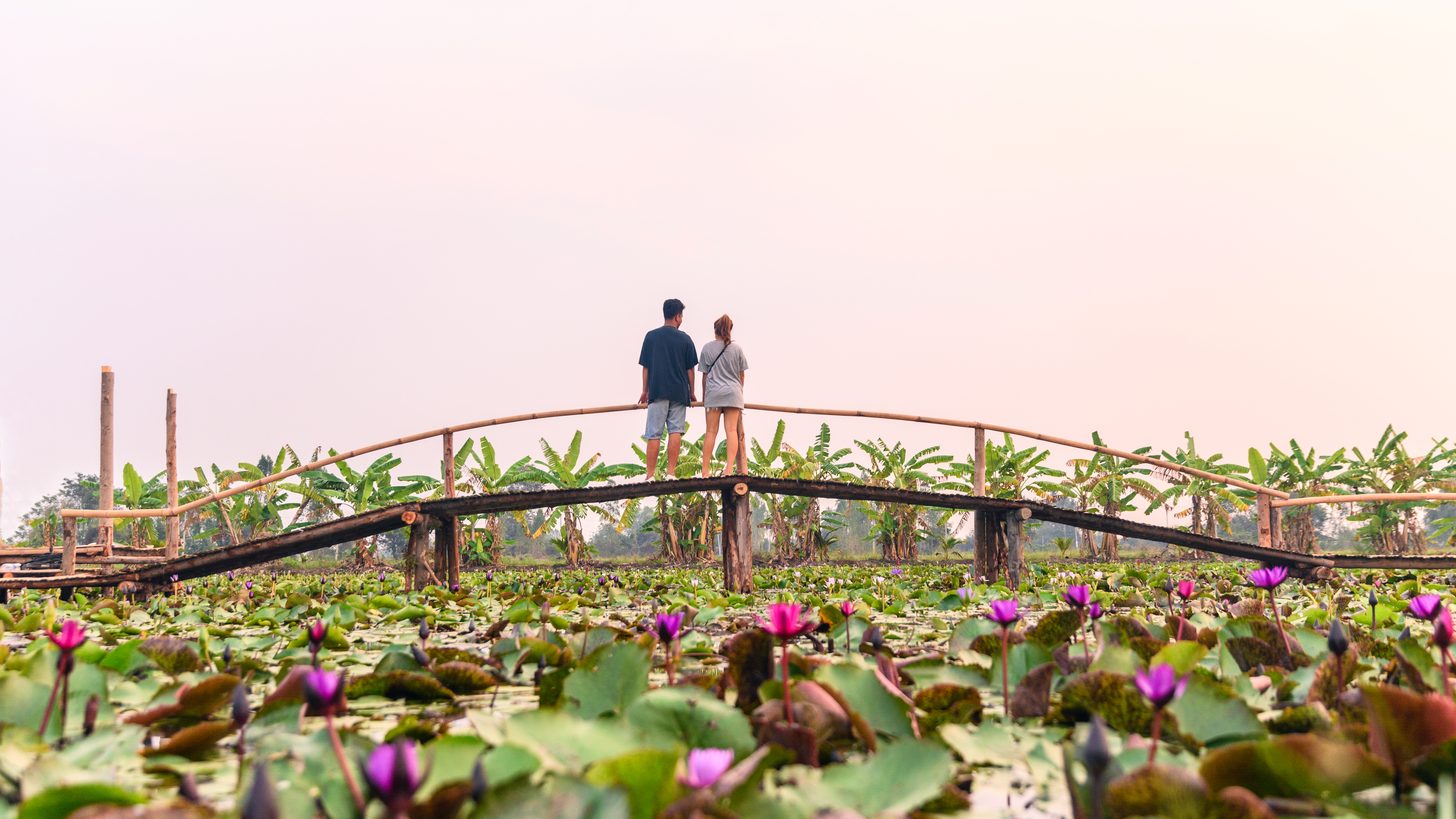
And there is a second reason to go in the same window, which is the part most agents will miss. Udon Thani's Red Lotus Sea on Nong Han lake, about forty kilometres from the city, blooms across the same months the expo is running — reporting gives the season as November to February, with some sources narrowing it to December to February and most agreeing that January is the peak. It is a morning sight, roughly from six until eleven, after which the flowers close, and it needs a boat. Pair the two and the province gives you a full day and a genuine reason to be there rather than a single ticketed attraction.
How to plan against a four-month run
The domestic majority is the planning key. A largely Thai audience does not spread itself evenly — it concentrates on weekends, on school holidays and on the Thai public-holiday calendar, and it will fill Udon Thani's hotel stock on exactly those dates. So:
- Sell midweek, and sell the shoulder months. A four-and-a-half-month window is permission to avoid the peaks entirely. Nothing about the expo requires an opening-week visit.
- Book accommodation early anyway. Udon Thani is a provincial city, not a resort market; its inventory of hotels an international client will accept is finite and it was sized for a normal year.
- Do not assume the airport solves the arrival. The certificate makes international service possible; it does not create a schedule. Most clients will still arrive through Bangkok, and the domestic connection is the part that needs confirming.
- Build the days around it, not just the day in it. An expo is a half or full day. Nong Khai and the Mekong, Ban Chiang and the Khmer temple circuit are what turn it into a trip worth flying for.
- Reconfirm the dates before you contract. Long-run events move their opening and closing more often than single-day festivals do, and this one spans a change of calendar year.
What the ground partner carries here
Isan is the part of Thailand where the gap between what exists and what an agency can actually book is widest. English-speaking guiding is thinner than in Chiang Mai, the driving legs are genuinely long, and expo-period accommodation will go to whoever contracts it first. A Thailand DMC on the ground contracts ahead of the domestic surge, holds guides who can work a horticultural brief rather than a temple script, and plans transfers for a site that will have its own traffic pattern on peak days.
For a group with a specialist interest — a garden society, a landscape practice, a sustainability-led incentive — this is exactly the file where Thailand DMC services for travel agents earn their margin, because none of it is visible from an online inventory. Our guide team and transport desk carry the two parts that decide whether the day works.
Send your dates, pax and what the group actually wants to see to the Explera trade desk, and it comes back as something you can put in front of a client. If you are quoting into a market with a national pavilion at the expo, say so — the source-markets view changes how that itinerary should be built.
Frequently asked questions
When exactly does the expo run?
Reported as 1 November 2026 to 14 March 2027, at Nong Da wetland in Udon Thani. Because it spans a change of calendar year and long-run events adjust their opening and closing more often than single-day festivals, reconfirm both dates with the organiser before you contract anything against them.
How many visitors should I expect it to draw?
Projections in circulation disagree, so we are not quoting one. Both agree that a large majority of attendance will be domestic, on the order of seven in ten, which is the part that affects your planning: expect Thai weekends and school holidays to be the busy periods, not the international arrival pattern you are used to.
Can my client fly straight into Udon Thani?
Not reliably. The airport has taken its international aerodrome certificate and a seasonal Chinese charter, but a certificate is not a schedule. Plan on a Bangkok arrival with a domestic connection unless a carrier has filed something you can see and book.
Is a horticultural expo really a sellable product for a general leisure client?
On its own, rarely. As the anchor that makes an Isan itinerary worth flying for, often — particularly for a repeat visitor. For special-interest groups such as garden and horticultural societies it sells on its own terms, and those groups book further ahead than leisure does.
What is the single biggest planning risk?
Accommodation. Udon Thani is a provincial city whose stock of hotels an international client will accept is finite and was sized for a normal year. A domestic-majority audience concentrated on weekends and holidays will take it first. Contract early and, where you can, sell midweek.