

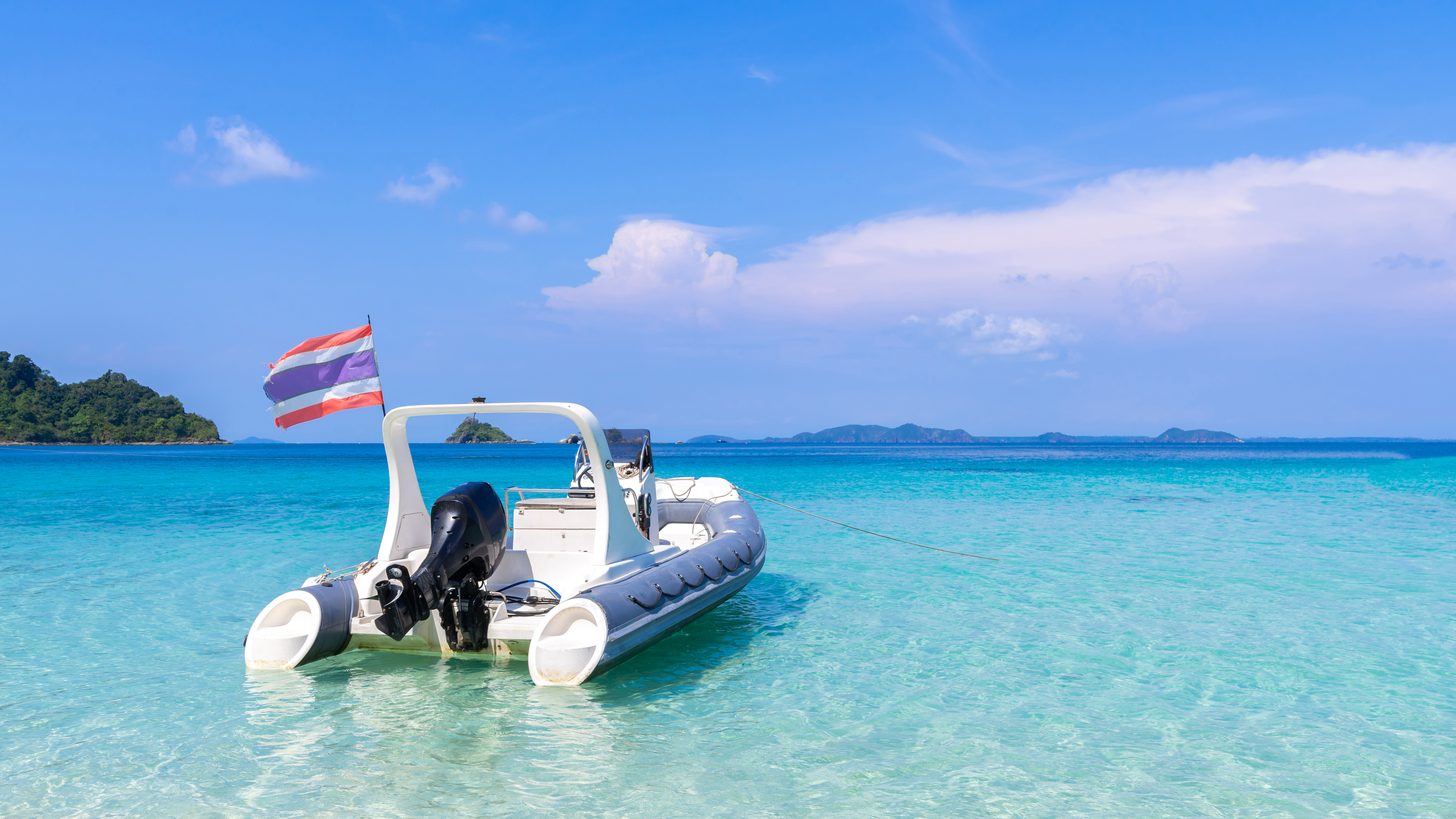
Getting a client to Koh Samui, Koh Phangan or Koh Tao no longer has to mean either a direct island flight or a self-assembled chain of transfers. Since 28 April 2026, Vietjet Thailand's Fly2Ferry add-on sells the flight, the road transfer and the high-speed ferry as a single booking out of Bangkok Suvarnabhumi, with the sea leg operated by Lomprayah High Speed Ferries. It is a routing option rather than a new route, and that distinction is exactly what makes it useful to an agency. This guide from a Thailand DMC for travel agents covers what the product is, where it fits, and what it does not solve.
Explera is an IATA TIDS-registered ground handler (96215733) trusted by 340+ agency partners, with in-house transport, licensed guides and 24/7 support. Reach the trade desk at b2b@explera.co.th.
What the product actually is
Fly2Ferry is an add-on at the point of booking, not a separate ticket the client buys later. One transaction covers three legs that a traveller would otherwise arrange with three suppliers:
- A Vietjet Thailand flight from Bangkok Suvarnabhumi to a mainland gateway — Surat Thani or Nakhon Si Thammarat.
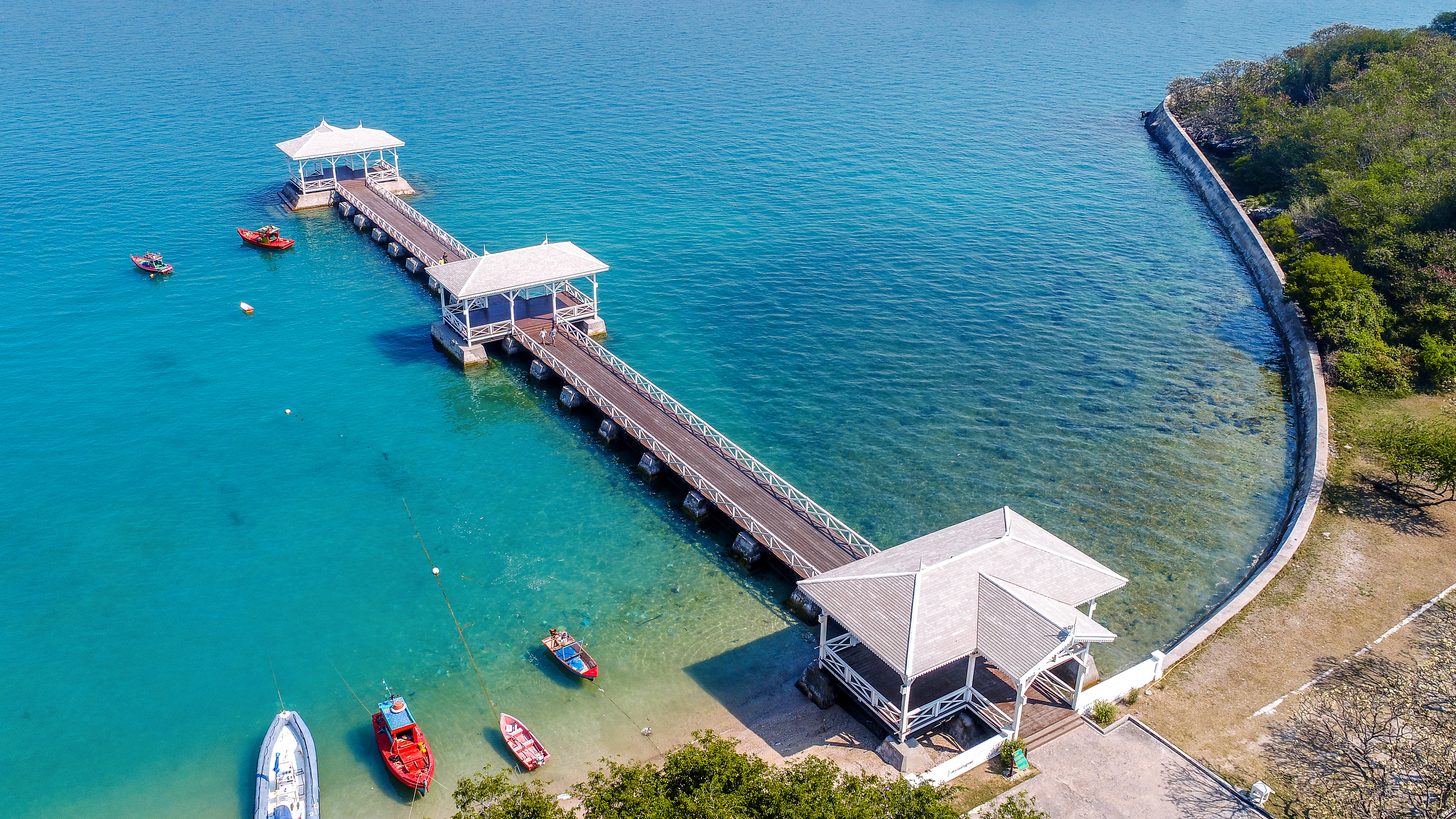
- A van transfer from the arrival airport to Donsak Pier.
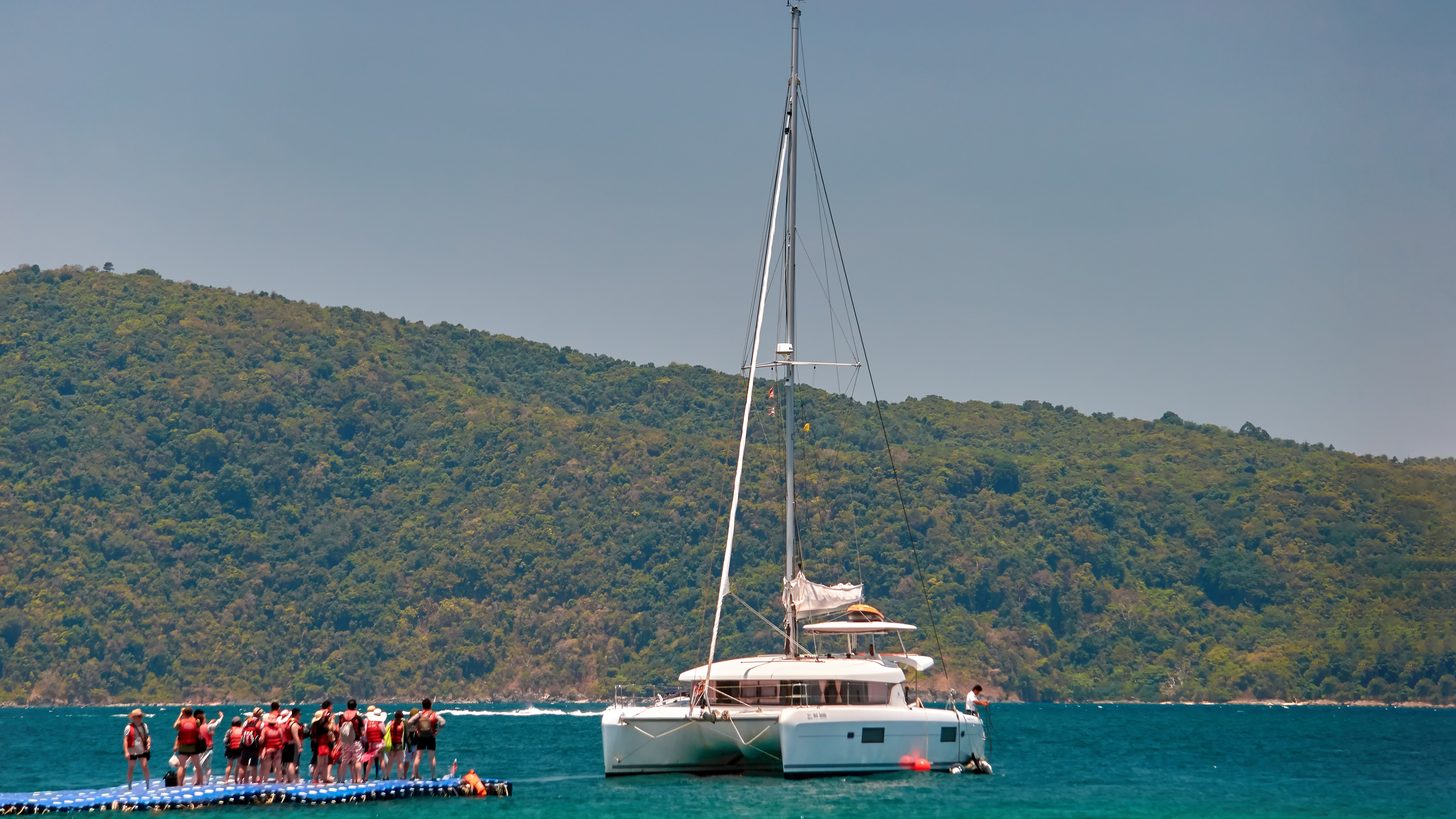
- A high-speed ferry operated by Lomprayah High Speed Ferries to the island, on both the outbound and the return.
The three islands served are Koh Samui, Koh Tao and Koh Phangan. Reporting at launch described the sailing calling at Koh Samui first, then Koh Tao, with Koh Phangan last; sailing order and timings vary by service and season, so treat that sequence as indicative and reconfirm it against the actual sailing at the time of booking rather than printing it in an itinerary.
Where it fits against a direct island flight
Koh Samui has its own airport, and for a client who wants the shortest door-to-door time it remains the answer. What the mainland-gateway routing changes is the shape of the choice, not the destination:
- Capacity. Mainland gateways carry more daily seats and more carriers than the island field, which matters most in the weeks where island capacity is the binding constraint rather than hotel space.
- Coverage. Koh Phangan and Koh Tao have no airport at all. For those two, some form of sea leg was always in the itinerary — this version simply puts it inside the same booking as the flight.
- One counterparty. A single booking means one place to go when a leg moves, instead of an airline, a transfer company and a ferry operator each pointing at the other.
The trade is journey time. A mainland gateway plus road plus sea is a longer day than a direct flight into Samui, and it should be sold as a longer day. Clients accept the length when they were told about it at quoting stage and resent it when they discover it at the pier.
What it does not solve
Three things stay exactly as difficult as they were, and an agency that assumes otherwise will find out at the worst moment:
- Weather. The sea leg is a sea leg. Gulf conditions cancel sailings, and a combined booking does not make a ferry sail. Build the buffer on the day of arrival and on the day of departure, particularly either side of the monsoon shoulder.
- The international connection. The product starts at Suvarnabhumi. A client arriving long-haul into Bangkok still needs the domestic connection timed with real minimum-connection discipline, and a tight inbound turns a smooth chain into a missed ferry.
- Late departures out. The return has the same structure in reverse, which means the last usable sailing — not the last flight — sets how late a client can leave the island. Work the return backwards from the ferry.

How to position it to a client
Lead with the reason it exists rather than with the mechanics. For most clients the sentence that lands is: your flight, your transfer and your boat are one booking, and the islands without airports are reachable the same way as the one with. Then set the expectation on time.
Segment it honestly. Couples and independent travellers with flexible days take the routing well. Families with small children, clients with reduced mobility and anyone on a two-night island stay are usually better served by the direct field into Samui, because the surface legs eat a disproportionate share of a short stay. A good Thailand DMC will tell you which of your files is which before the deposit rather than after the complaint.
The ground side an agency still needs
A combined air-and-sea booking gets the client to the island. It does not meet them there, and the island half of the file is where the client experience is actually made or lost.
Pier-to-hotel transfers, island touring, boat days out to Ang Thong or the dive sites, and the return timing all sit outside the airline's booking. Our Thailand DMC transport team handles the island side with in-house vehicles rather than brokered ones, and our boat charter desk covers the days when a scheduled ferry is the wrong tool. For what to build once the client has landed, see Koh Samui, Koh Phangan and Koh Tao, and the full range of Thailand DMC services for travel agents.
What to reconfirm before you sell it
Reconfirm the sailing schedule and the stop order for the specific travel date, the van transfer timing between the arrival airport and Donsak Pier, and the baggage terms across the combined journey — an air allowance and a ferry allowance are not the same document. Confirm the return sailing before you confirm the return flight, because the boat is the constraint.
Then talk to us about the rest. Send dates, pax and island nights to the trade desk, see how we work with agents in your source market, and we will build the island half around whichever way your client arrives.
Frequently asked questions
What is Fly2Ferry and when did it start?
It is an add-on service from Vietjet Thailand that combines a flight, a road transfer and a high-speed ferry in a single booking to Koh Samui, Koh Tao and Koh Phangan from Bangkok Suvarnabhumi. Tickets have been bookable and travellable on it since 28 April 2026, with the sea leg operated by Lomprayah High Speed Ferries.
Which airport does the flight actually land at?
A mainland gateway — Surat Thani or Nakhon Si Thammarat — followed by a van transfer to Donsak Pier and then the ferry. It is not a flight to the island itself, which is the point for Koh Phangan and Koh Tao, neither of which has an airport.
Is this better than flying direct to Koh Samui?
It depends on the client and the length of stay. Direct into Samui is the shortest door-to-door option and suits short stays, families with young children and anyone with mobility constraints. The mainland routing gives more seats and more carrier choice, and it is the natural fit for Koh Phangan and Koh Tao where a sea leg was always required. It costs more time either way.
What happens if the ferry is cancelled for weather?
A combined booking does not change the sea conditions, so plan as you would for any Gulf sailing: a buffer night either side where the itinerary allows it, and a ground contact on the island who can rebook the onward pieces. This is precisely where a local operator earns the file, and where a client left holding three separate supplier numbers does not get help fast.
Should we build the return around the flight or the ferry?
Around the ferry. The last usable sailing sets the latest realistic departure from the island, and the flight has to be selected to fit behind the ferry and the road transfer, not the other way round. Working forwards from the flight is the most common way this routing goes wrong.