

Thailand is preparing to attach an insurance structure to its proposed foreign-visitor fee, and the structure has three layers. The first is basic accident and emergency medical cover for every foreign visitor, bought from a share of the 450-baht fee now heading for a 30-day public hearing and, if it survives Cabinet, collection from air arrivals in the first quarter of 2027. The second is supplementary cover that a visitor would buy at the site before a high-risk activity — scuba diving, rock climbing and bungee jumping are the examples given — through a QR code provided by the operator. The third is third-party liability for anything a visitor drives or operates themselves: a rented car, motorcycle or jet ski, or a drone. None of it is law yet. All of it is far enough along, and specific enough, that an agent selling Thailand for 2027 should know what it would change in a file — and what it would not.
Explera DMC Thailand contracts the dive boats, the climbing operators and the transfers that this proposal would touch — IATA TIDS 96215733, 4,500+ agency partners, a trade desk on b2b@explera.co.th — and this guide sets out the three tiers as reported, what is settled and what is not, and how a Thailand DMC would handle each tier on the ground.
Where the proposal stands
The fee itself has a longer history than the insurance layers. A tourist entry levy has been approved, delayed and revived several times since 2023; the 2026 version was endorsed by the national tourism committee at 450 baht per person for arrivals by air, land and sea, and the government has said it will hold a 30-day public hearing before seeking final Cabinet approval, aiming to begin collection from air travellers in the first quarter of 2027 and extending to land and sea arrivals later. A single payment would cover several entries within a 30-day period, and the payment channels under discussion include the air ticket itself, a website or app, and kiosks. Our tourist entry fee guide carries the fee's own timeline and has been updated as each gate was passed.
The three-tier insurance structure was described by the Tourism and Sports Ministry in the first week of September as the design behind the fee's revenue: part of the levy funds the base layer, and the two upper layers are paid for by the visitors who need them. The Nation reported the tiers on 5–6 September and the fee's advance to a public hearing in the same week. Neither report gives a draft text, a start date for tiers two and three, or the insurer. Read what follows as the shape of the scheme, not its terms.
Tier one: basic cover, funded by the fee
Every foreign visitor who pays the fee would receive accident and emergency medical cover for the visit. This is the part of the plan that has existed in every version of the levy since 2023, and it is the reason the fee has always been sold domestically as a safety measure rather than a tax: Thai hospitals carry unpaid bills for uninsured tourists, and a base policy bought in bulk is the government's answer. What has not been published for the 2026 version is the sum insured, the exclusions, the claims route or whether the cover starts at immigration or at the point the fee is paid.
For an agent the practical point is that tier one is a floor, not a policy. Nothing reported suggests it would cover trip cancellation, curtailment, baggage, repatriation choices or the medical evacuation a serious island incident needs; and a state-bought base policy will have a cap. Our travel insurance guide for Thailand stands: the client's own comprehensive policy is still the one that matters, and the base cover is an addition to it rather than a replacement.
Tier two: activity cover, bought at the site
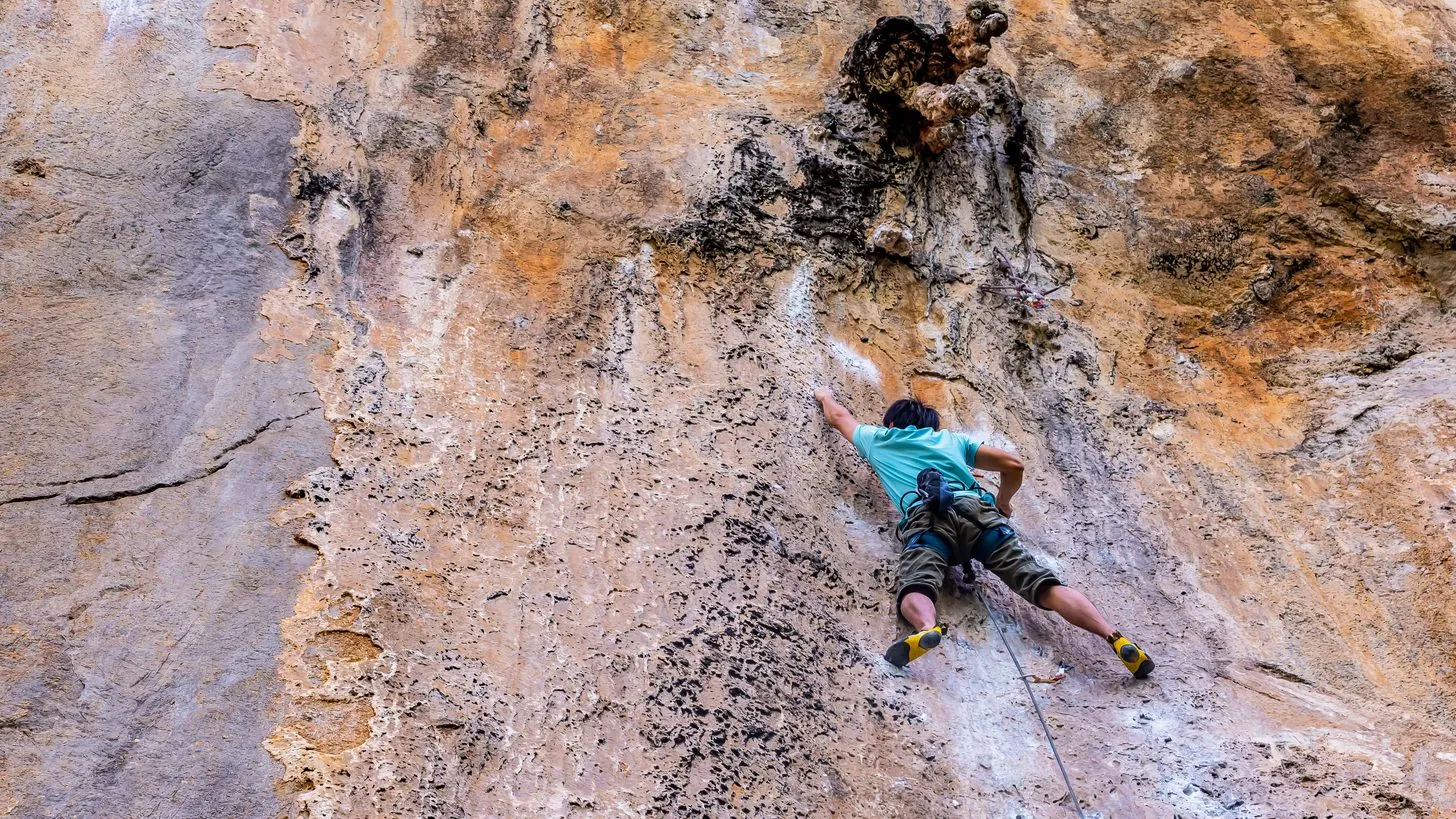
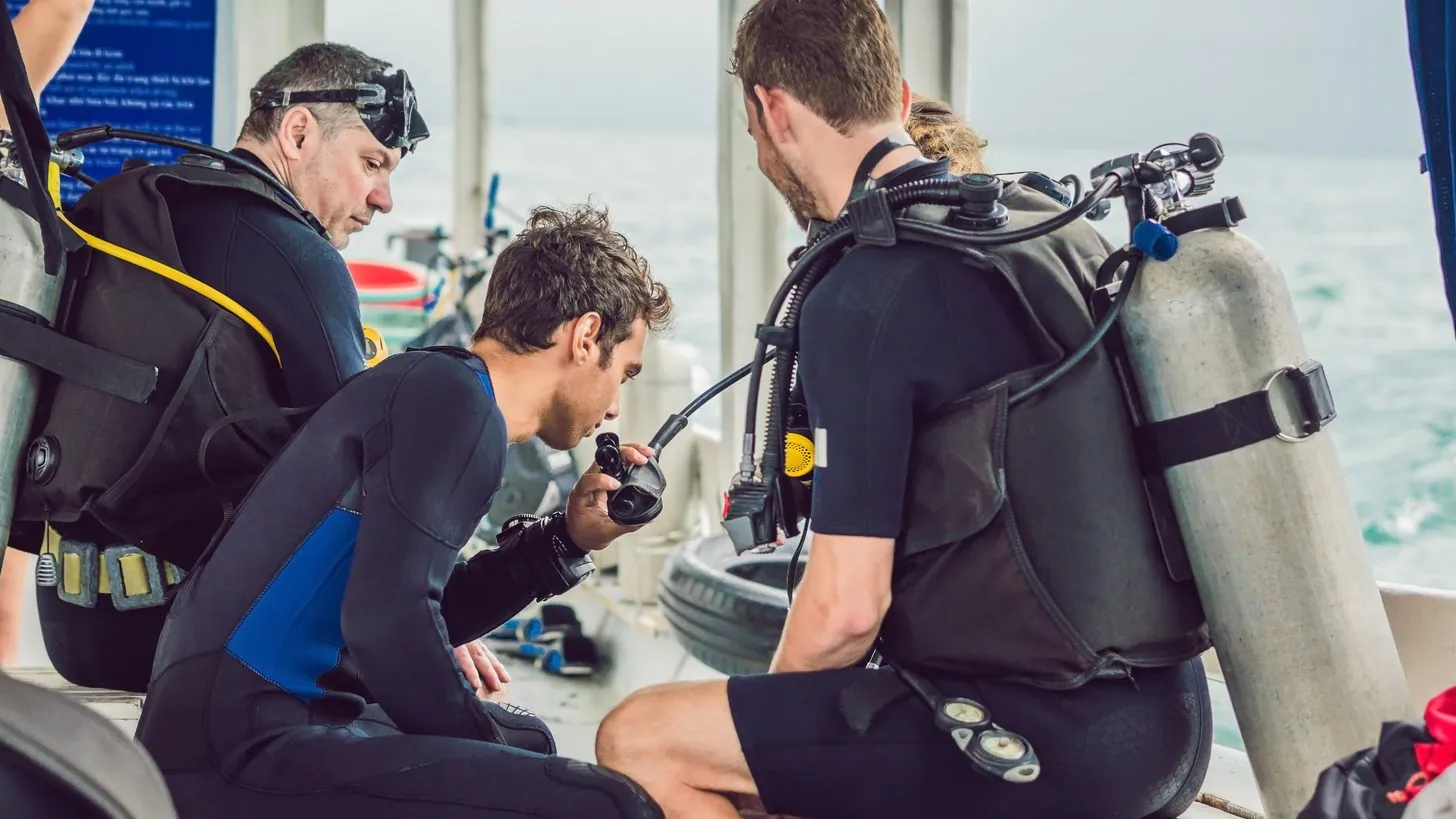
The second tier is the new idea. Visitors taking part in activities the scheme classes as high-risk would buy supplementary cover for that activity, at the attraction or from the operator, through a QR-code system the operator provides. The examples given are scuba diving, rock climbing and bungee jumping. What is not yet published: the full list of activities, the price band, whether a client with a comprehensive policy that already covers diving could opt out, and what an operator's obligation is if a client refuses.
Three things follow for a Thailand DMC and the agencies it serves:
- The operator becomes the point of sale. A dive centre in Koh Tao or a climbing school at Railay would be issuing insurance at the counter. Licensed, established operators will absorb that; informal ones will not, which is one more reason to contract only through a ground partner who already vets its suppliers. Our tours and activities desk works only with operators who can already show the licences a QR-code scheme would presuppose.
- The itinerary has to say which activities are in scope. If a client's day includes a discover-scuba session, the file should flag it so the client is not surprised at the counter. Until the list is published, treat diving, climbing, bungee, canyoning and anything with an altitude or a depth as likely candidates.
- It does not replace the client's dive cover. A supplementary policy bought for one afternoon covers that afternoon. Clients diving on a liveaboard, or doing anything beyond a single supervised session, still need the diving cover their own policy carries.
Tier three: liability for what the client drives or operates
The third tier is third-party liability arising from vehicles or equipment the visitor operates themselves: renting and driving a car, a motorcycle or a jet ski, or operating a drone. The cover would be for the visitor's liability if they caused an accident, damaged property or injured someone. It is aimed at the most frequent source of serious tourist incidents in Thailand, motorcycle rental, and at the jet-ski disputes that have been a consumer-protection issue on the beaches for a decade.
For most agency clients this tier is the least relevant, because a packaged itinerary does not put the client behind a handlebar. It matters in two cases: the self-drive client, who will need to buy the liability layer at the rental desk under the scheme, and the client who rents a scooter on a free day without telling anyone. The second case is the one to brief. A client's home policy commonly excludes motorcycle riding without a licence and a helmet; a Thai liability layer would not change that exclusion.

What is settled, and what is not
- Settled enough to plan around: the fee is 450 baht in the current draft; a public hearing precedes Cabinet; the target is collection from air arrivals in the first quarter of 2027; the base layer is funded from the fee; the two upper layers are user-paid.
- Not settled: the sum insured and exclusions at each tier; the list of high-risk activities; the price of tiers two and three; whether existing cover can substitute; whether land and sea arrivals join later; who the insurer is; and whether the whole package survives Cabinet unchanged. The fee has slipped from every previous target date, and this one may slip too.
- Not in the proposal: anything about visas, the Digital Arrival Card or entry rules. The insurance scheme rides on the fee, and the fee is a Tourism and Sports Ministry file, separate from the visa framework that changed on 15 September.
How a Thailand DMC handles it
The scheme, if it arrives, lands on the ground partner: the fee is checked at the airport, tier two is sold by the operators we contract, and tier three sits at rental desks we generally keep clients away from. What we do now is what we would do under the scheme — contract licensed operators, write the activity list into the file so the client knows what is in scope, and keep the client's own comprehensive policy as the layer that pays for a real emergency. The wider Thailand DMC services for travel agents — transfers that make self-drive unnecessary, licensed guides who know which operator is which — are the practical version of the same answer. Send the trade desk your dates and the activities your client wants, and the quote comes back with the operators named and any insurance step written in rather than discovered at the counter.
Frequently asked questions
Is the 450-baht fee being charged now?
No. It has been endorsed by the national tourism committee and is going to a 30-day public hearing, after which it needs Cabinet approval. The government's target is collection from air arrivals in the first quarter of 2027. Every previous target date for this fee has slipped.
Would the base insurance replace my client's travel policy?
No. Tier one is basic accident and emergency medical cover with a cap and exclusions that have not been published. It does not cover cancellation, curtailment, baggage or evacuation choices. The client's comprehensive policy remains essential.
Which activities would need extra insurance?
The examples reported are scuba diving, rock climbing and bungee jumping, bought at the site through an operator's QR code. The full list has not been published; treat any activity with depth, height or speed as a likely candidate until it is.
Does a client on a packaged itinerary need tier three?
Only if they drive or operate something themselves: a rental car, motorcycle, jet ski or drone. A client on Thailand DMC transfers and guided excursions does not. Brief clients that renting a scooter on a free day would bring them into scope, and that their home policy's licence and helmet conditions still apply.
Does this change any entry rule?
No. The visa exemption changes of 15 September and the Digital Arrival Card are separate files. The insurance scheme is attached to the tourism fee, which is a Tourism and Sports Ministry matter still in draft.