

Thailand is aiming for two million Russian visitors in 2026, and the winter season that decides whether it gets there starts now. Russia sent 1,898,837 visitors in 2025, more than any other European market. This briefing, from a Thailand DMC for travel agents, sets out where the Russian market stands, what the 30-day visa exemption means for long winter stays and how to build a Russian programme for 2026/27.
Explera DMC is an IATA TIDS-registered ground handler (96215733) trusted by 2,380+ agency partners, with in-house transport, licensed guides and 24/7 support. Reach the trade desk at b2b@explera.co.th.
The numbers
The 2025 total of 1,898,837 was 8.8 per cent up on 2024 and made Russia Thailand's fourth-largest source market. By early August 2026, 1,100,847 Russian arrivals had been recorded, according to figures reported that month. Reaching two million means roughly 900,000 more arrivals in the last five months of the year, and most of those months fall in the Russian winter season, when demand for Thailand is highest.
The two governments are also preparing a Joint Action Plan on Tourism for 2026 to 2030, with more flights and tourist safety among the stated aims, and 2027 marks 130 years of diplomatic relations between the two countries. The plan had not been signed at the time of writing; treat it as a direction, not as new capacity you can quote.
The 30-day stay and the long winter
Since 15 September 2026, Russian passport holders can stay up to 30 days without a visa, down from the 60 days that applied under the previous scheme. That matters more for this market than for most, because many Russian clients winter in Thailand for well over a month.
A client staying longer than 30 days needs a plan before departure: an extension at an immigration office in Thailand, or the right visa applied for in advance. Our winter long-stay visa briefing sets out the arithmetic, and our bilateral visa agreements briefing explains how bilateral arrangements sit alongside the new framework. Confirm the current rules for each client's passport and length of stay before booking.
What differs about a Russian file
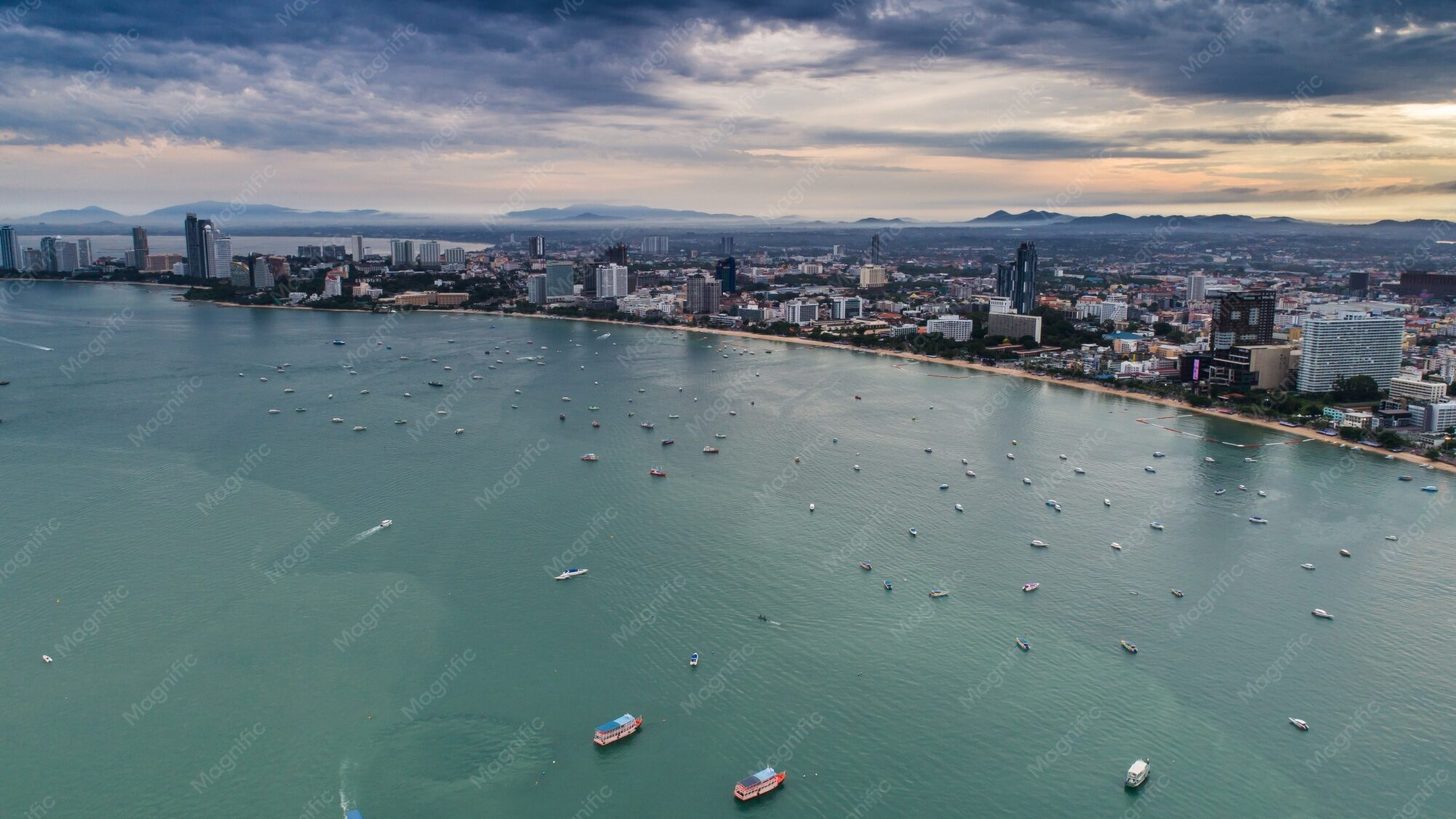
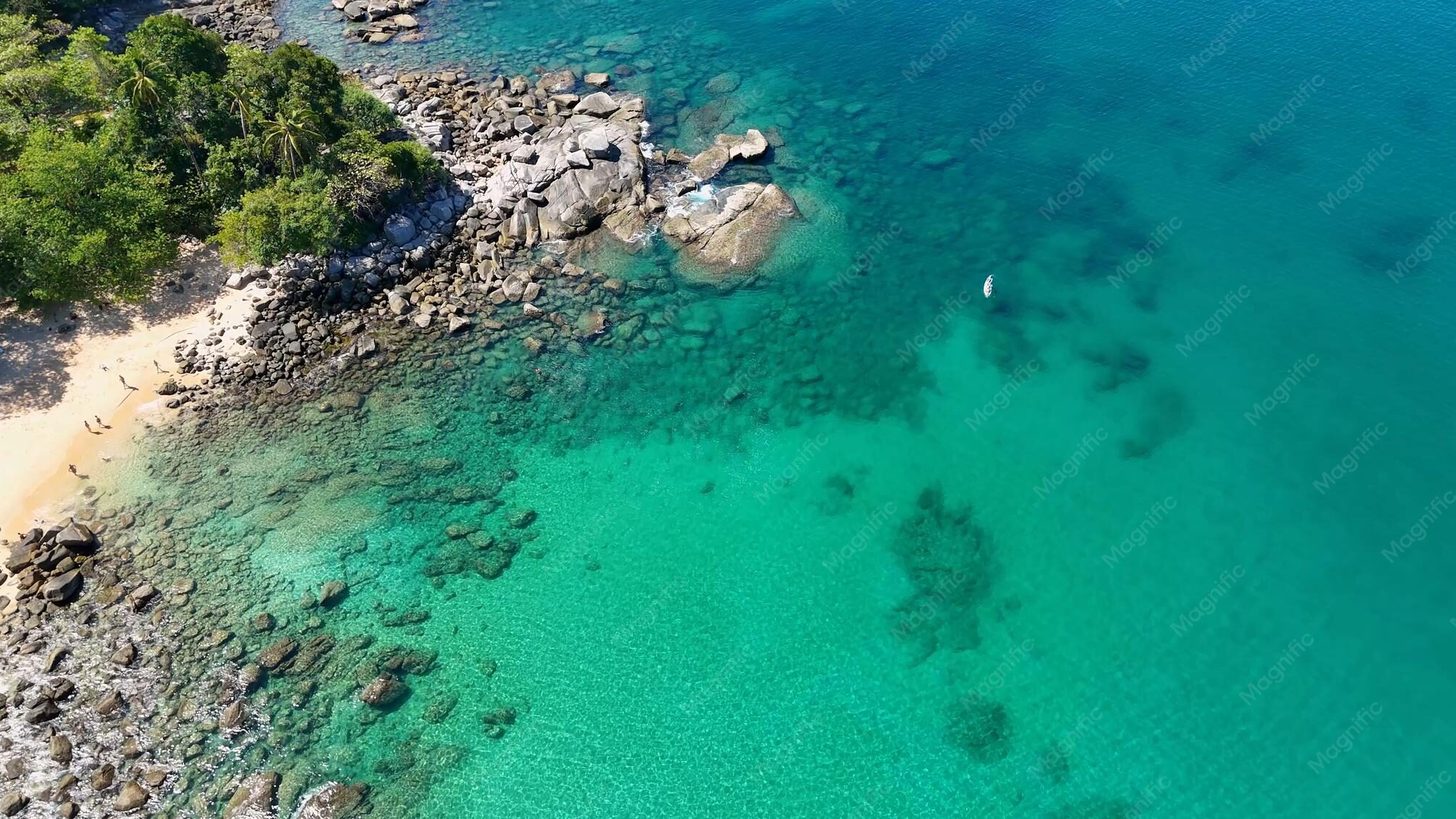
- Beach first, and long. Phuket and Pattaya are the core of the market, and a long single-centre stay is normal. Short excursions and island days fill the programme rather than a multi-region circuit.
- Payments need a plan. Many Russian-issued bank cards cannot be used on the international card networks abroad. Agree before arrival how the client will pay for anything not prepaid, and settle the ground programme with your Thailand DMC in advance.
- Language on the ground. Russian-speaking guides are in demand in the high season. Request them early for excursions, and confirm in writing which services are guided in Russian and which are not.
- Families and repeat visitors. Winter school holidays bring family groups, and many clients have been before. A second-visit client often wants a different coast rather than the same hotel.
How to build the programme
Confirm the flights first. Direct services from Russia to Bangkok and Phuket have run in recent winters, alongside connections through the Gulf and China. Confirm the carrier, routing and schedule for your client's dates before you fix the ground arrangements.
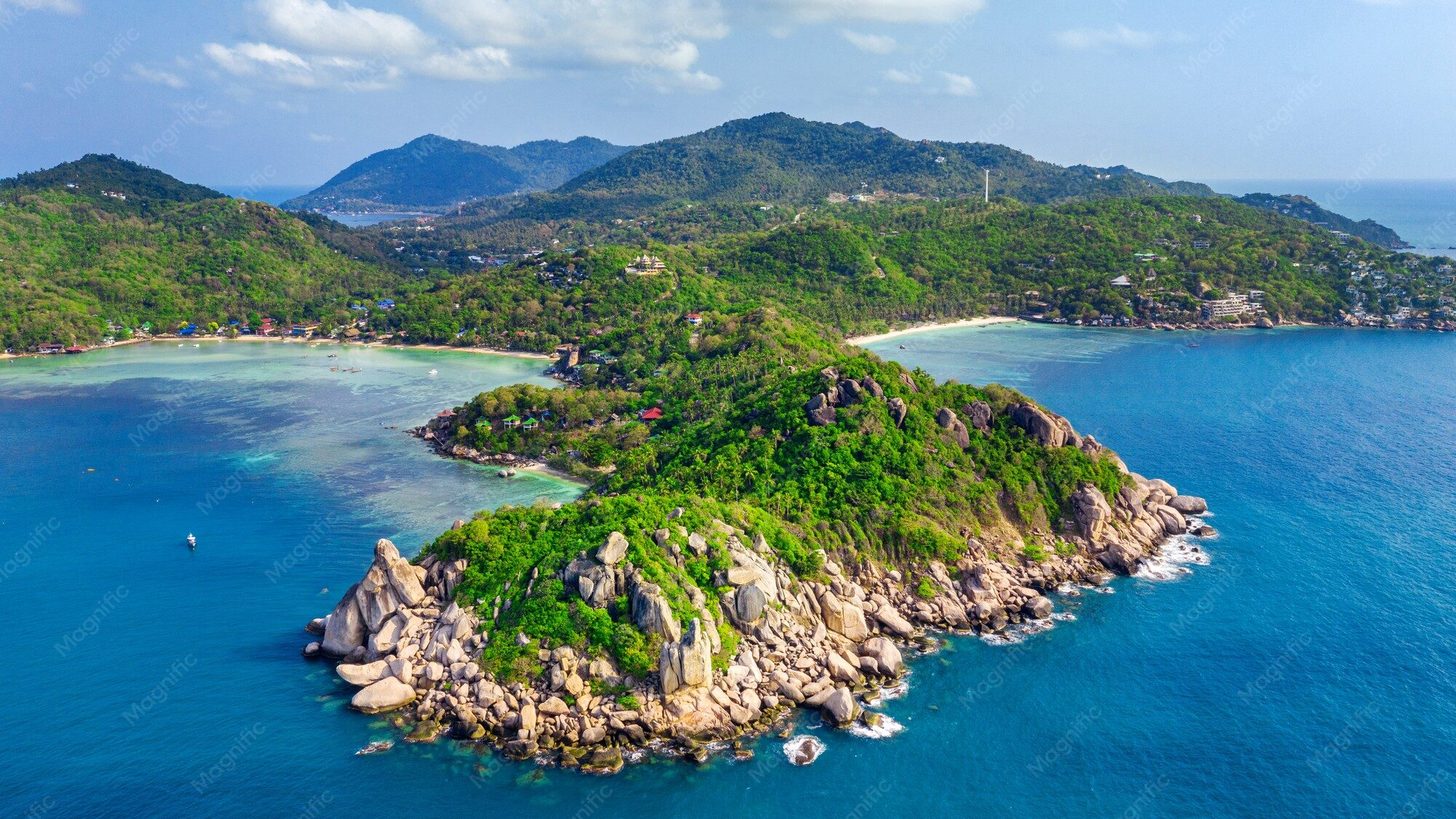
Hold the transfers on one file. A long stay still has airport meetings, hotel changes and excursion pick-ups. Our Thailand DMC transport team handles those, and our Phuket, Pattaya and Koh Samui guides cover the areas and hotel styles.
Book the peak early. The New Year weeks are the busiest of the Russian season and overlap with other winter markets. Ask your Thailand DMC for hotel space early for any departure between mid-December and mid-January, and confirm Russian-speaking guide availability at the same time.
For the other winter markets, see our source markets page, and for the full range of ground services, our Thailand DMC services.
Frequently asked questions
How many Russian visitors does Thailand receive?
1,898,837 in 2025, up 8.8 per cent on 2024. By early August 2026, 1,100,847 Russian arrivals had been recorded, and the target for the full year is two million.
How long can Russian clients stay in Thailand without a visa?
Up to 30 days for tourism since 15 September 2026, down from 60. Clients who winter for longer need an extension or a visa arranged in advance. Check the current rules before booking.
Can Russian clients use their bank cards in Thailand?
Many Russian-issued cards do not work on the international networks abroad. Agree payment arrangements before arrival and prepay the ground programme where possible.
Where do Russian clients usually stay in Thailand?
Phuket and Pattaya are the core of the market, usually for a long single-centre stay. Koh Samui and the Gulf islands suit repeat visitors who want a different coast.
What is the Thailand–Russia tourism action plan?
The two governments are preparing a Joint Action Plan on Tourism for 2026 to 2030, covering more flights and tourist safety. It had not been signed at the time of writing, so it does not yet add capacity you can book.