

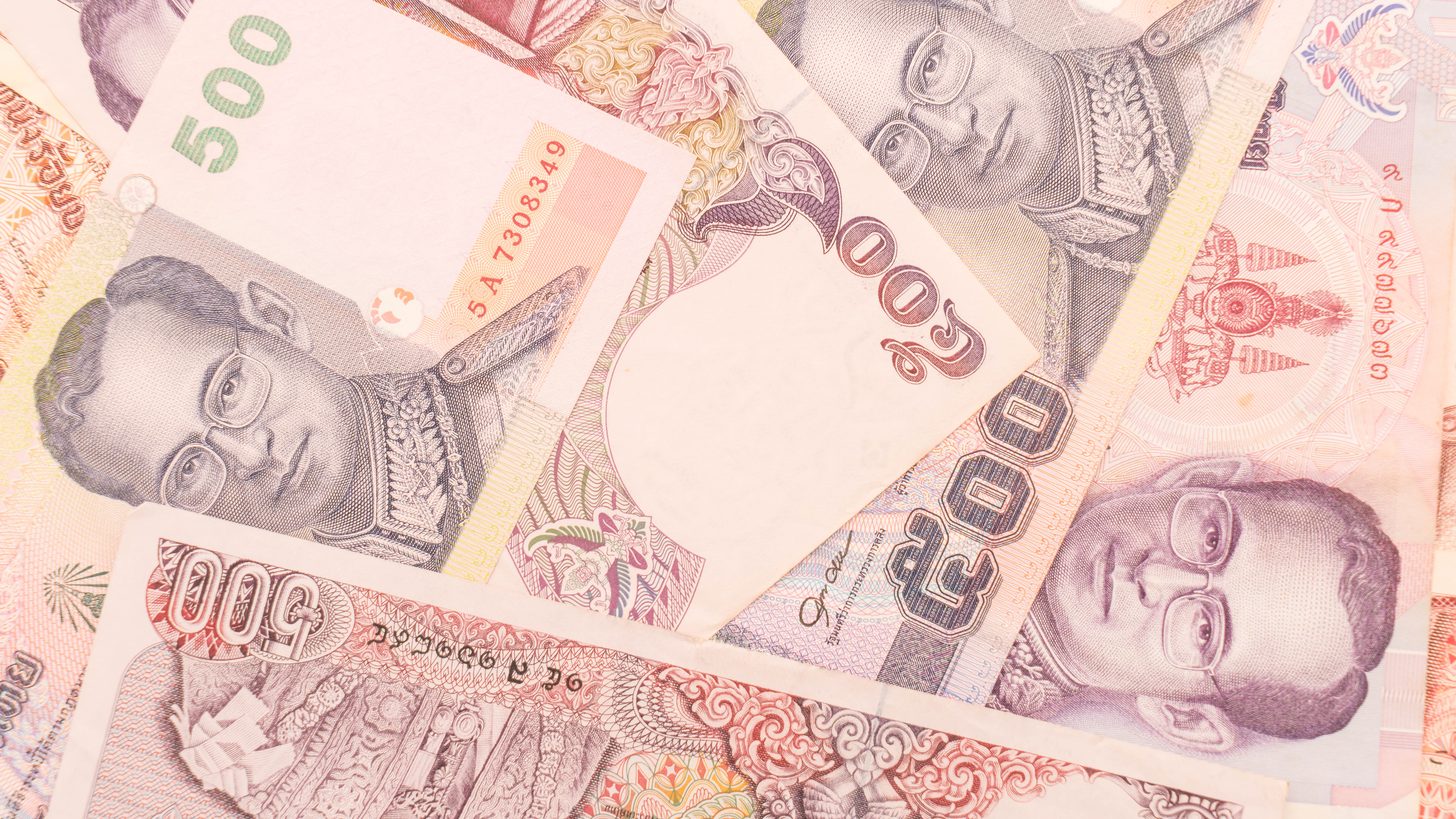
Thai Customs arrested two foreign passengers at Suvarnabhumi Airport on 30 September 2026 with US dollar banknotes worth more than 56 million baht hidden in their luggage, and says the case is part of its airport checks on cross-border cash. The two had arrived from Jakarta, and the Finance Minister has ordered tighter controls against currency smuggling. Ordinary clients are not carrying sums like that, but the rules that applied to this case apply to every passenger. This briefing, from a Thailand DMC for travel agents, sets out what clients can bring in and take out, and when they must declare it.
Explera DMC Thailand holds TAT licence 14/05119 and is IATA TIDS-registered (96215733), with in-house transport, licensed guides and 24/7 support. Reach the trade desk at b2b@explera.co.th.
What happened at Suvarnabhumi
The Nation reported the case on 4 October. Customs said the two passengers broke Thailand's exchange-control and customs laws, naming the Exchange Control Act of 1942 as amended in 2016, a 2016 ministerial regulation on carrying Thai currency, foreign currency and negotiable instruments, a Finance Ministry exchange-control notification and the Customs Act of 2017. The director of the Suvarnabhumi Airport Passenger Control Customs Office urged travellers to comply fully with the rules when they bring currency into or out of Thailand, and pointed them to the Customs Department's 1164 hotline.
The limits, as the Bank of Thailand states them
- Bringing money in: foreign currency and Thai baht banknotes can be brought into Thailand with no limit on the amount.
- Taking baht out: up to 50,000 baht per person to most countries. To countries bordering Thailand, Vietnam and China's Yunnan province, the limit is 2 million baht.
- Taking foreign currency out: up to the amount bought from authorised banks or money changers.
- When to declare: more than 450,000 baht in banknotes, or foreign currency banknotes worth more than USD 15,000, must be declared to Customs, both on arrival and on departure.
These are the figures on the Bank of Thailand's exchange-control page. The thresholds have been reported differently in some older sources, so brief clients to the Bank of Thailand's figures and reconfirm them close to departure.
Which clients this affects
Most leisure clients pay by card and QR and draw baht from ATMs, so they never come near the limits. The clients to brief are the ones who still travel with cash: some shoppers buying jewellery, watches or gems; clients from markets where cash is the normal way to travel; incentive groups where a leader carries cash for tips or local costs; and clients who carry baht home across a land border. The baht limit applies on the way out, so a client who leaves with a large amount of unspent baht can also be caught by it.
The same notice is a reminder that money and entry are linked in other ways. Immigration can ask arriving visitors for proof of funds, which our briefing on proof of funds at entry explains, and from 16 October checked bags can be opened without the owner present when a scan flags them, as our briefing on the checked-baggage inspection rule covers.
How to brief it
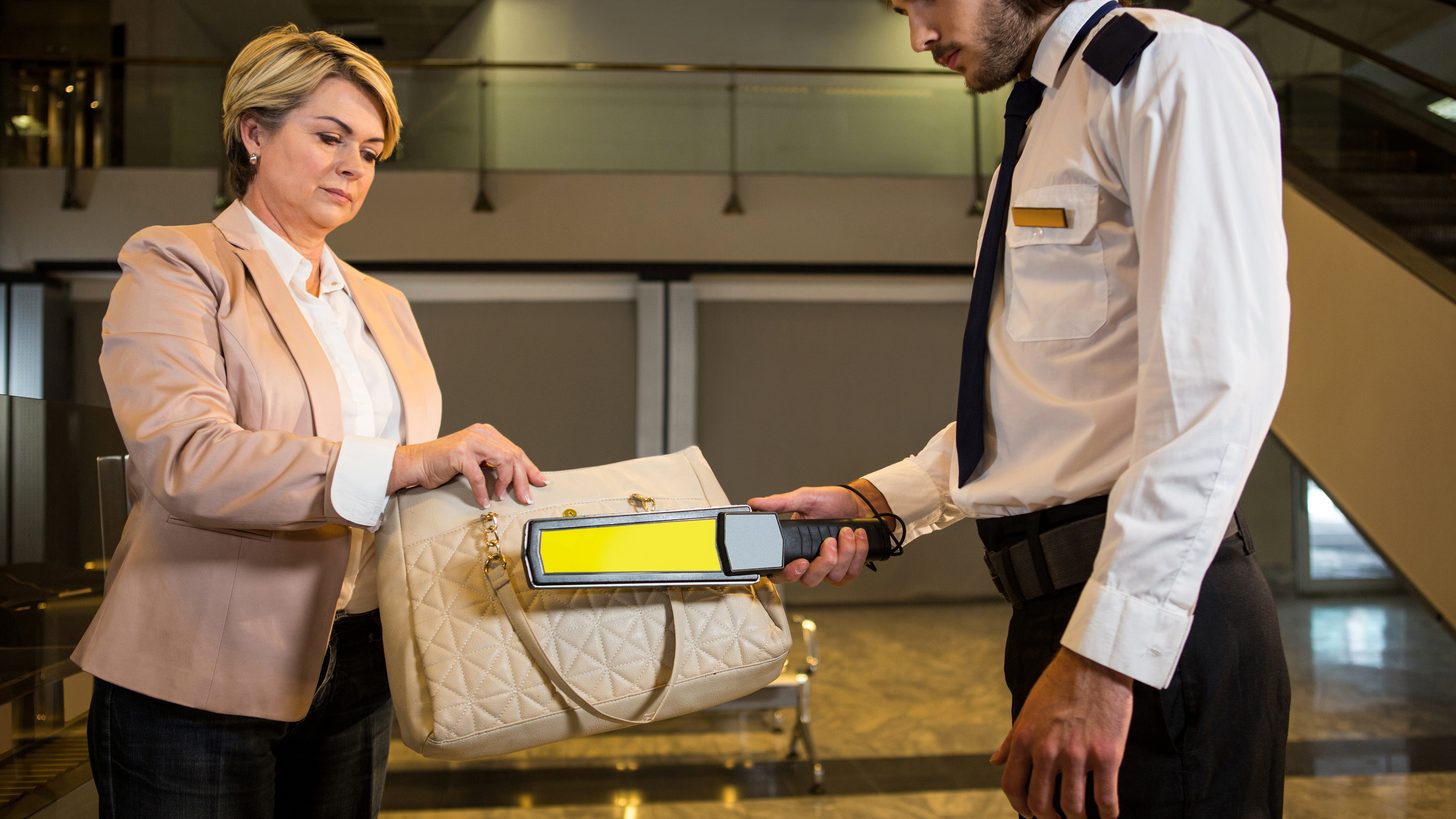
Add one line to pre-departure notes for any client likely to carry cash: declare anything above the limits to Customs on arrival and before departure, and keep the receipts for any currency they buy. Ask your Thailand DMC to build local costs into the programme so group leaders do not need to carry large sums at all. For MICE and incentive programmes our Thailand MICE team can settle local costs on the ground, and our transport team meets groups at Suvarnabhumi at any hour. A Thailand DMC on the ground can also point a client to the right Customs counter if a question comes up on arrival. The full range is on our Thailand DMC services page, and the trade desk is on our contact page.
Frequently asked questions
Is there a limit on cash a client can bring into Thailand?
No. Thai baht and foreign currency banknotes can be brought in without a limit, but amounts above 450,000 baht or USD 15,000 in foreign currency must be declared to Customs.
How much Thai baht can a client take out of Thailand?
Up to 50,000 baht per person to most countries, and up to 2 million baht to countries bordering Thailand, Vietnam and China's Yunnan province, according to the Bank of Thailand.
When must a client declare cash to Thai Customs?
When carrying more than 450,000 baht in banknotes, or foreign currency banknotes worth more than USD 15,000, on arrival or on departure. Declaring is the client's responsibility.
What happened at Suvarnabhumi on 30 September?
Customs arrested two foreign passengers arriving from Jakarta with US dollar banknotes worth more than 56 million baht hidden in their luggage, as reported by The Nation on 4 October.