

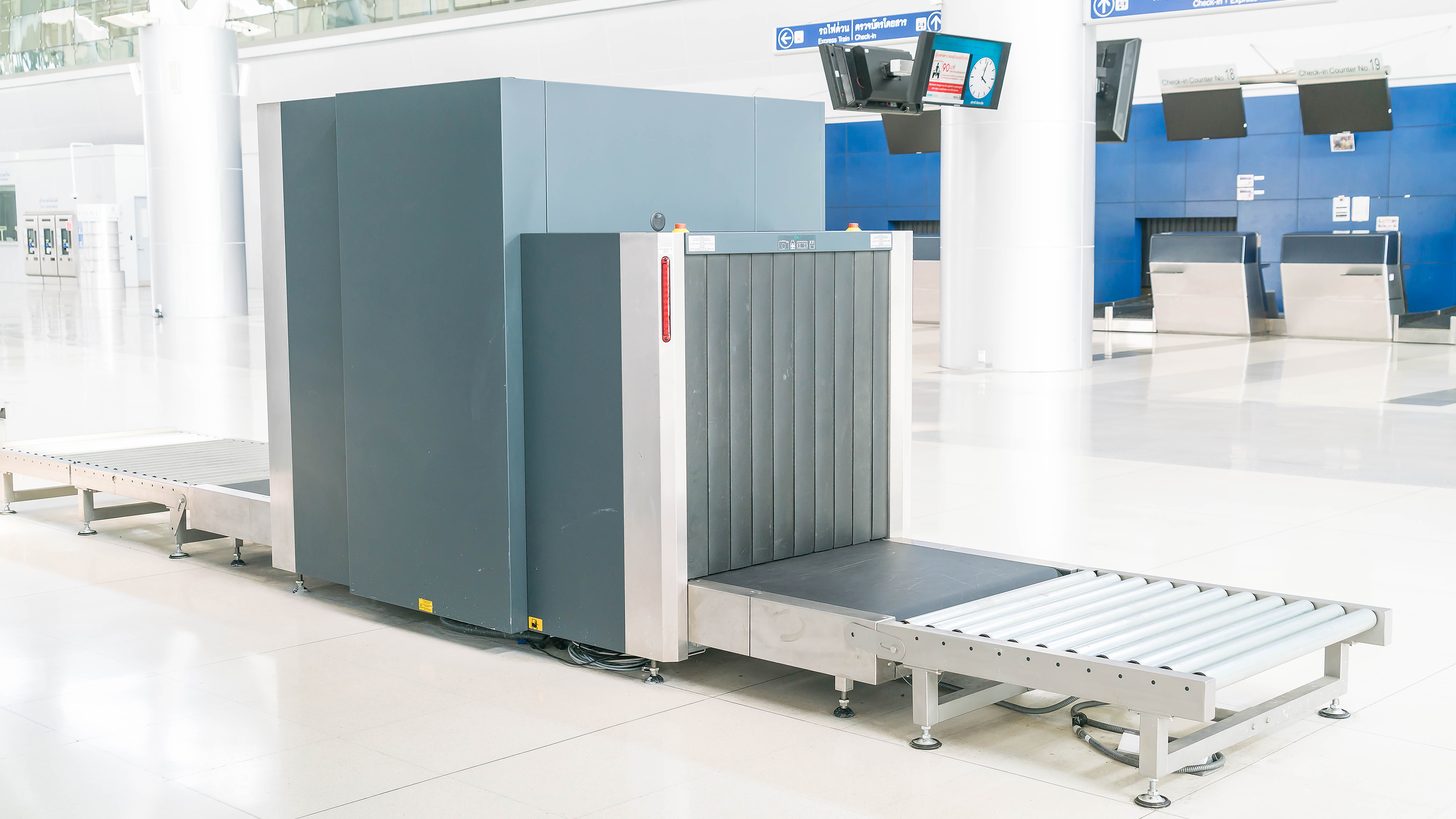
From 16 October 2026, security officers at Thai airports may open a checked bag without its owner present when screening flags a suspicious item — inspecting it in a designated area, on camera, and leaving a notice inside the bag. It is a small rule with a long reach: it changes what your client should pack, how they should lock a bag, and what it means when they find a slip of paper on arrival. This guide from a Thailand DMC for travel agents covers exactly what the Civil Aviation Authority of Thailand has changed, the wider screening tightening it belongs to, and the one-paragraph client briefing that covers it.
Explera is an IATA TIDS-registered ground handler (96215733) trusted by 340+ agency partners, with in-house transport, licensed guides and 24/7 support. Reach the trade desk at b2b@explera.co.th.
What changed
The Civil Aviation Authority of Thailand has issued rules, effective 16 October 2026, under which checked baggage flagged at screening can be opened and inspected without the passenger being present. The published shape of the rule:
- The trigger is a screening hit — a suspicious object, an explosive, a prohibited or dangerous article, or anything else barred from carriage. A bag may be opened only on reasonable grounds of suspicion, not at random.
- The inspection happens in a designated area and is recorded. It does not have to happen in front of the owner, which is the change — until now the practice was to page the passenger and open the bag with them there.
- A Notice of Baggage Inspection is placed inside the bag, so a client who finds one knows the bag was opened by security, not tampered with.
- Restricted items found can be confiscated and not returned, with further action under the relevant laws where warranted.
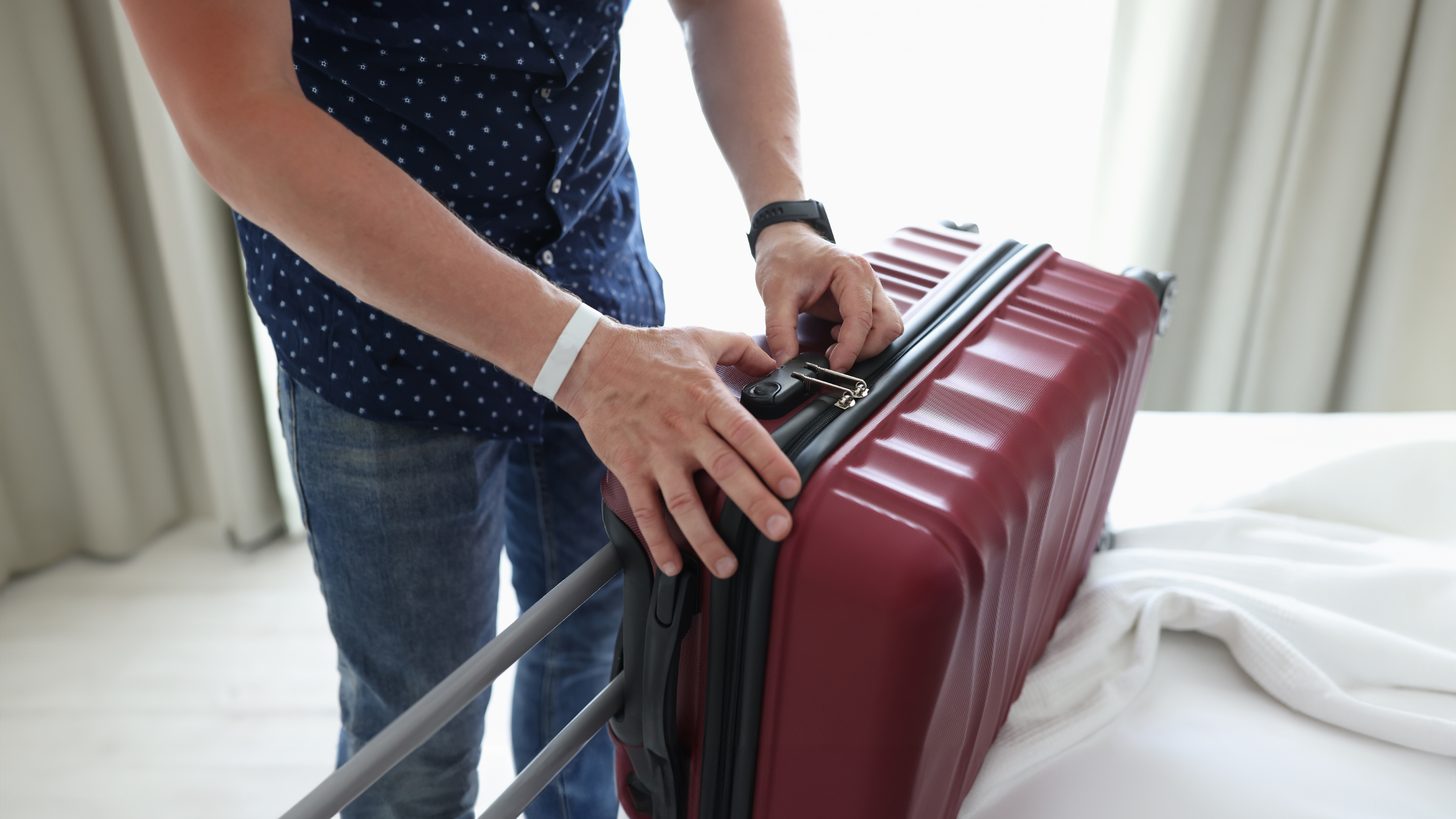
- The official advice is to use TSA-approved locks, which security can open without cutting.
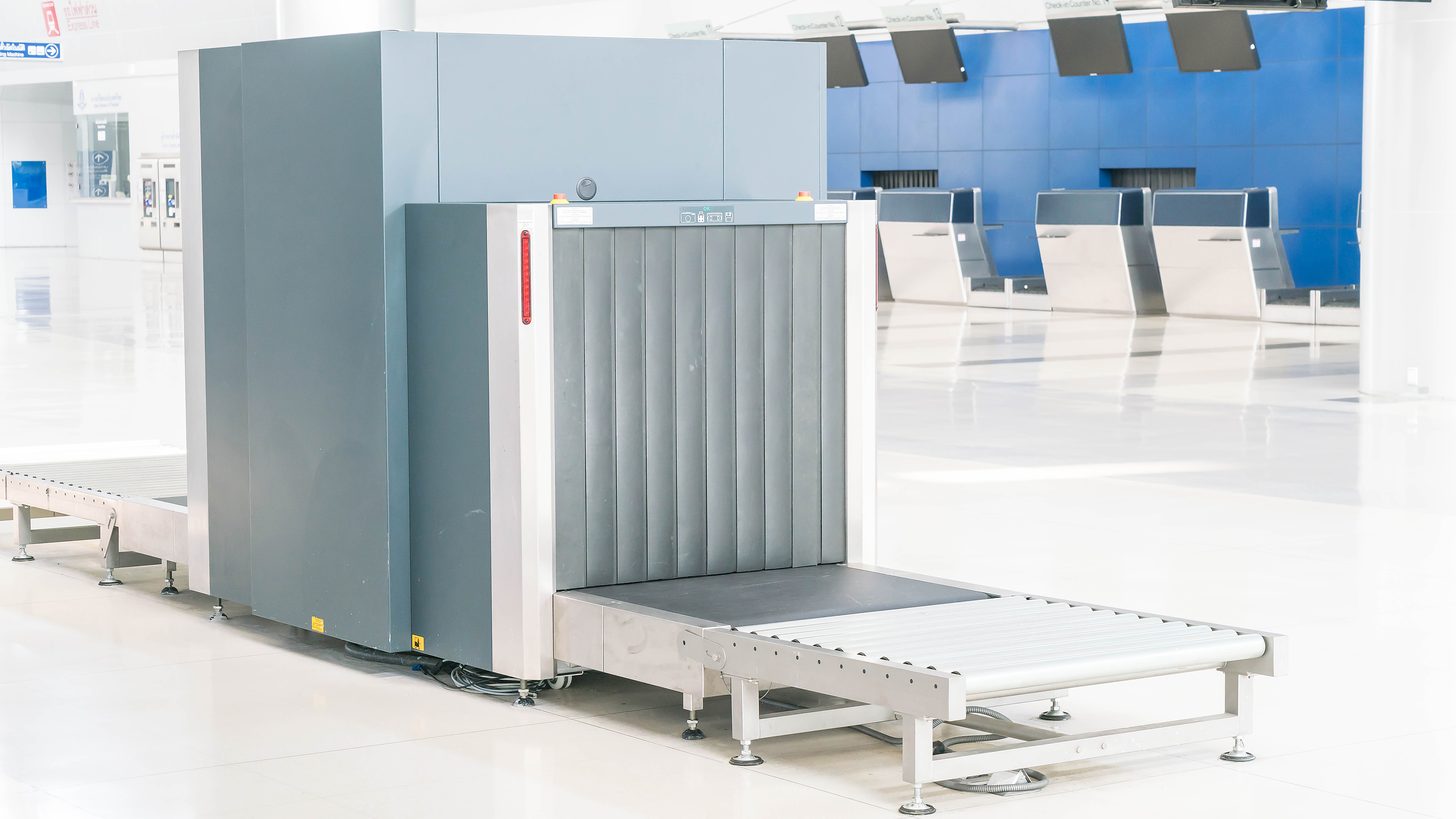
The stated purpose is to stop flagged bags delaying flights while a passenger is located — and it arrives alongside a wider tightening of Thai airport screening, including plans for biometrics at bag drop and equal screening for crew and passengers, driven by an anti-smuggling push.
Why this matters to your client
- The mystery-slip problem. A client who unpacks and finds a notice inside their bag will assume theft or tampering unless someone told them the rule exists. Briefed, it is a non-event; unbriefed, it is a complaint and an insurance query.
- The cut-lock problem. A non-TSA padlock on a flagged bag can be cut. A TSA lock is opened and relocked. That is now the single most practical packing tip for Thailand.
- The confiscation problem. Items found can be kept, not returned. Clients carrying anything borderline — and our power-bank guide and departure-restrictions guide cover the two commonest cases — should assume the checked bag is not a place to tuck them away.
- Groups feel it first. On a group booking, one flagged bag no longer holds the flight while its owner is paged — which is better for the group and worth knowing for the tour leader.
The client briefing, in one paragraph
Put this in the pre-departure note, in your own words: from mid-October, Thai airport security can open a flagged checked bag without you present; they inspect it in a monitored area and leave a dated notice inside. Use a TSA-approved lock, keep valuables, medicines and electronics in your hand luggage, and never pack anything on the airline's prohibited list. If you find an inspection notice in your bag, nothing is wrong — but check the bag's contents and report anything missing to the airline before leaving the airport.
That last clause matters: an irregularity claim made at the airport, with the notice in hand, is a straightforward matter; the same claim from a hotel a day later is not. Our incident playbook covers the escalation path, and 24/7 support exists for the day it is needed.
What not to overstate
- This is not random bag searches. The rule requires reasonable grounds from a screening hit. The overwhelming majority of clients will never encounter it.
- It is not a Thailand quirk. Several major aviation markets have long inspected checked bags without the owner present; Thailand is aligning, not diverging.
- It does not change what may be packed. The prohibited list is the same list; what changed is what happens when something on it is found.
- Do not promise clients a sealed bag arrives sealed. After 16 October that promise was never yours to make, and the notice system exists precisely because it is not.
Agents routing groups through Suvarnabhumi should read this alongside the auto-gates expansion — the same peak-season smoothing push, on the arrivals side.
What the ground partner carries here
What the rule looks like in practice at each airport once it is live, how the notice-and-claim process actually runs when something is missing, which airlines' Bangkok stations handle irregularities well, and the packing brief per client type — families, groups, and the clients who always carry too many electronics. That is ordinary Thailand DMC services for travel agents, alongside transport and licensed guides who are at the airport when the question comes up.
A one-paragraph briefing now beats an insurance argument in November. A Thailand DMC that keeps your pre-departure notes current is how the paragraph stays true. Send dates to b2b@explera.co.th or use the trade desk.
Frequently asked questions
What exactly starts on 16 October 2026?
Rules from the Civil Aviation Authority of Thailand allowing security officers to open a checked bag flagged at screening without the passenger present. The inspection happens in a designated area, is recorded, and a Notice of Baggage Inspection is left inside the bag.
Can any bag be opened at random?
No. A bag may be opened only on reasonable grounds — a screening hit suggesting a prohibited, dangerous or restricted item. Random searches are not what the rule authorises.
What should clients do differently?
Use a TSA-approved lock, keep valuables, medicines and electronics in hand luggage, and keep anything borderline out of the checked bag entirely. That is the whole packing consequence.
What if a client finds an inspection notice in their bag?
Nothing is wrong by default — the notice is how they are told the bag was opened lawfully. They should check the contents and report anything missing to the airline before leaving the airport, when a claim is straightforward.
Can found items really be kept?
Yes. The rule provides for confiscation without return where restricted items are found, with further action under the relevant laws where warranted. That is the strongest reason not to pack borderline items.
Does this affect crew or connections?
It belongs to a wider tightening in which crew face the same screening as passengers and biometrics are planned at bag drop. For clients the practical effect is faster handling of flagged bags — a flight is no longer held while an owner is paged.