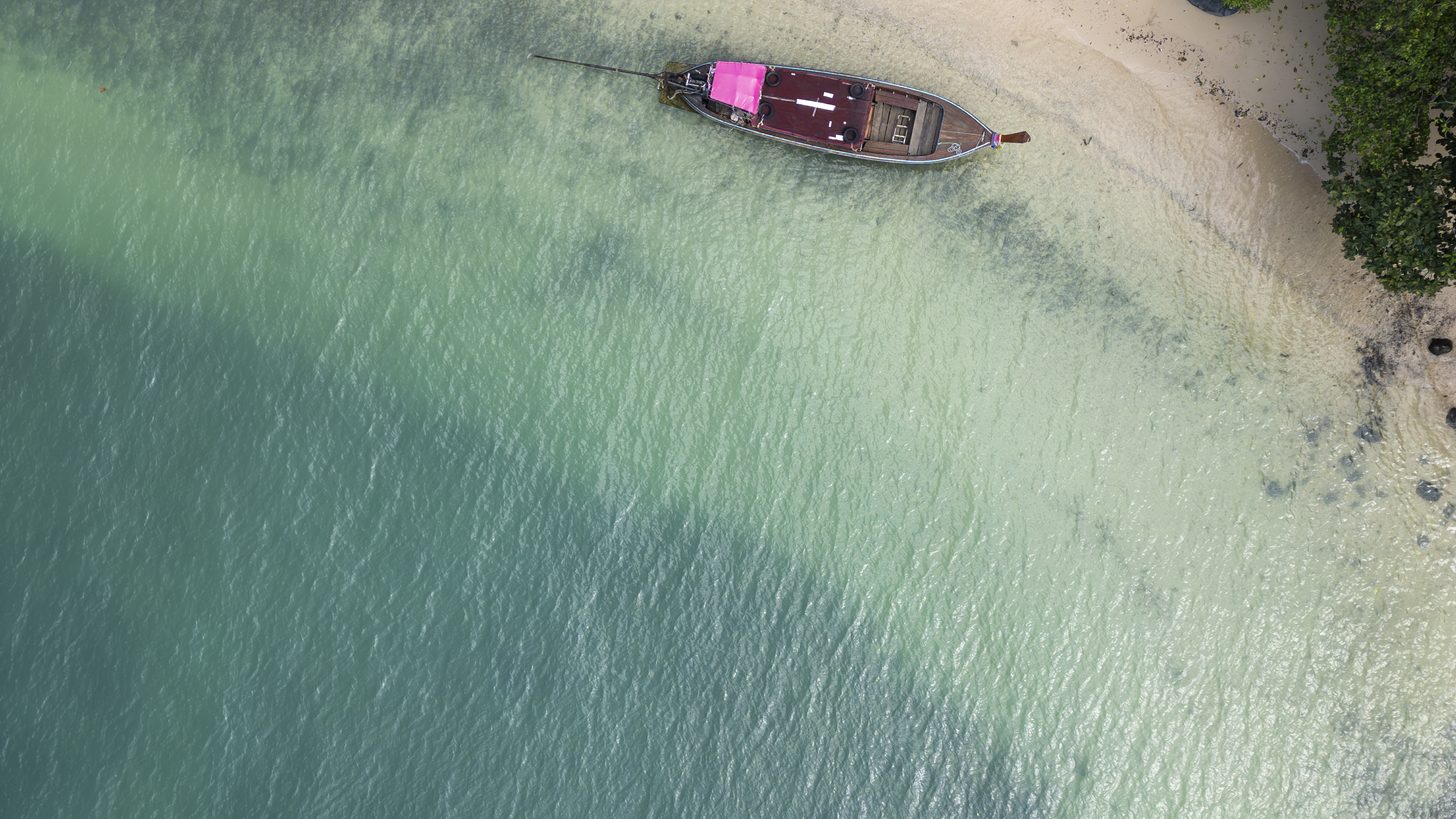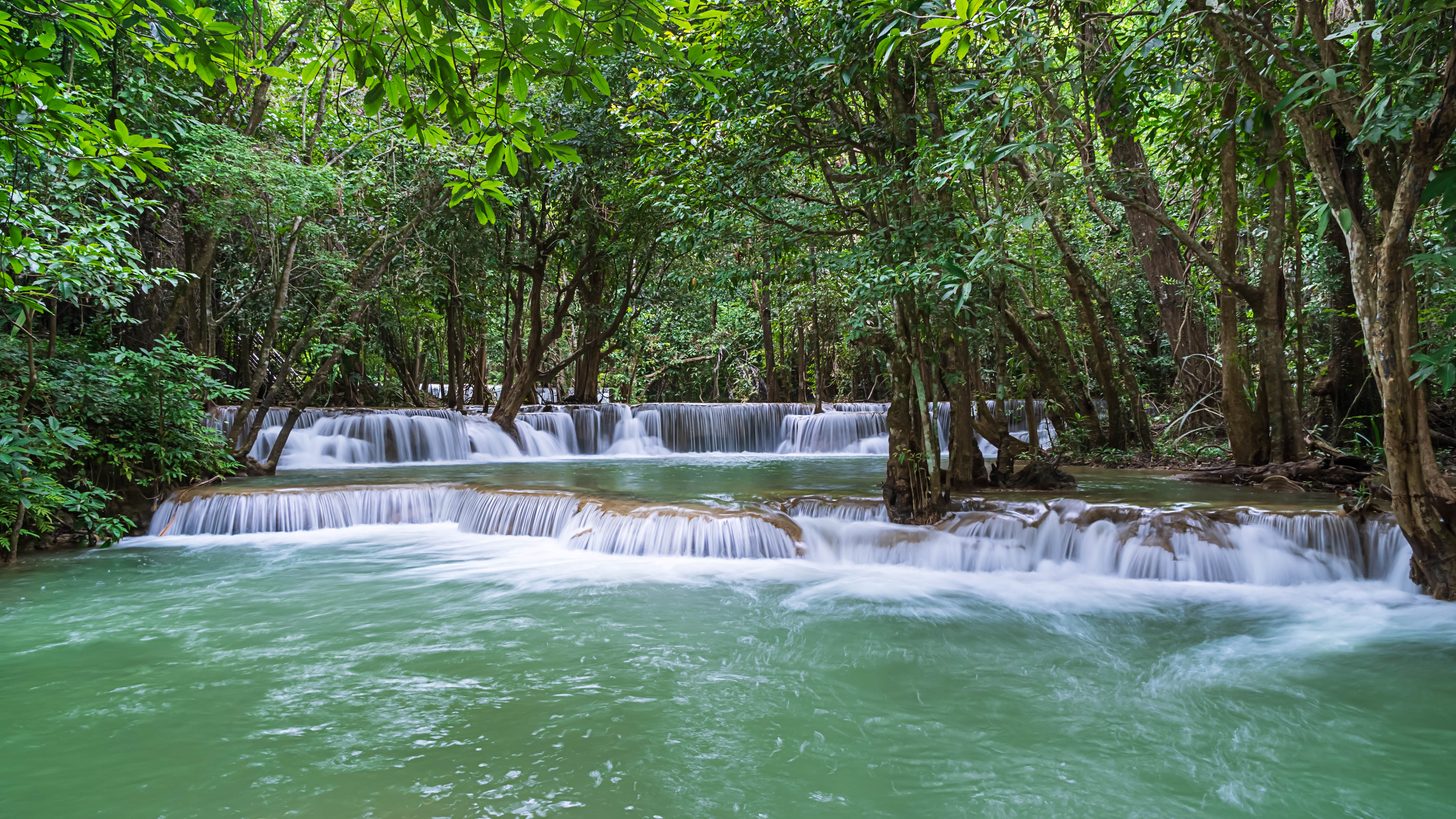

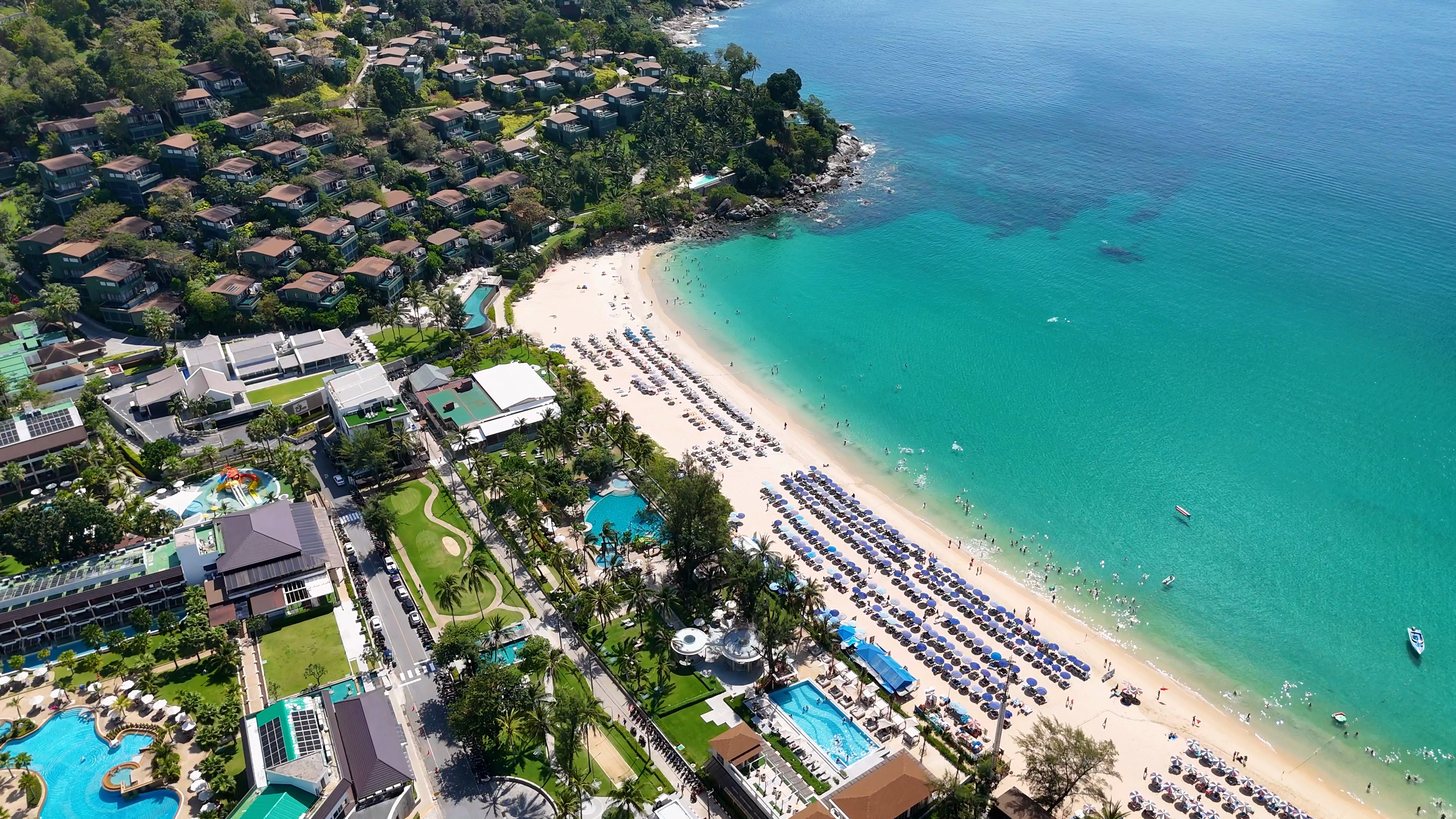
Thailand can sell a beach holiday in every month of the year, because it has two coasts running on opposite weather clocks — and the agent who knows which coast is in season this week never has to turn a client away. The Andaman side (Phuket, Krabi, Khao Lak, Koh Lanta, Phi Phi) holds its dry, glassy high season from roughly November to April. The Gulf islands (Koh Samui, Koh Phangan, Koh Tao) keep a different calendar entirely, at their driest from around February to September and wettest from about October to December. Add the mainland beaches within driving distance of Bangkok, and Thailand Beach Resorts stop being one season and start being a portfolio. This guide from a Thailand DMC for travel agents maps the coasts, the months, the client types and the quoting logic behind them.
Explera is an IATA TIDS-registered ground handler trusted by 340+ agency partners, with in-house transport, licensed guides, 24/7 support and IATA TIDS registration (96215733). Reach the trade desk at b2b@explera.co.th.
The two-coast clock that keeps Thailand Beach Resorts in season
Start every beach enquiry with the dates, not the resort. Once you know the month, the coast picks itself, and only then does the property shortlist make sense — the reverse order is how clients end up in a beautiful resort staring at a grey, choppy sea. The Andaman coast faces the southwest monsoon, so it is at its most postcard-perfect through the northern winter and turns green, dramatic and weather-dependent from about May to October. The Gulf coast sits in the lee of that system and takes its rain later, from the northeast monsoon, which is why so many European and Middle Eastern summer bookings belong on Samui rather than Phuket. These are patterns, not guarantees — Thai weather does not read calendars — but they are reliable enough to build an itinerary on, and they are the backbone of our wider islands and beaches map for agents.
Andaman coast: Phuket, Krabi, Khao Lak, Koh Lanta and Phi Phi
The Andaman is what most clients picture when they say Thailand. Phuket carries the deepest resort inventory in the country across every category, plus an international airport that removes a connection from long-haul files — the natural first choice for first-timers, families and anyone who wants options within a short drive. Krabi trades that breadth for scenery: limestone towers, Ao Nang as a walkable base and Railay for drama, generally quieter in feel. Khao Lak is the long, low-rise family and diving stretch north of Phuket airport and the gateway to the Similans. Koh Lanta is the slow one — long beaches, low-key resorts, no nightlife to speak of. Phi Phi is world-famous but thin on resort stock, so it usually sells better as an excursion than as a base. If you are choosing between the two big Andaman anchors, our Krabi versus Phuket comparison settles most of those conversations.
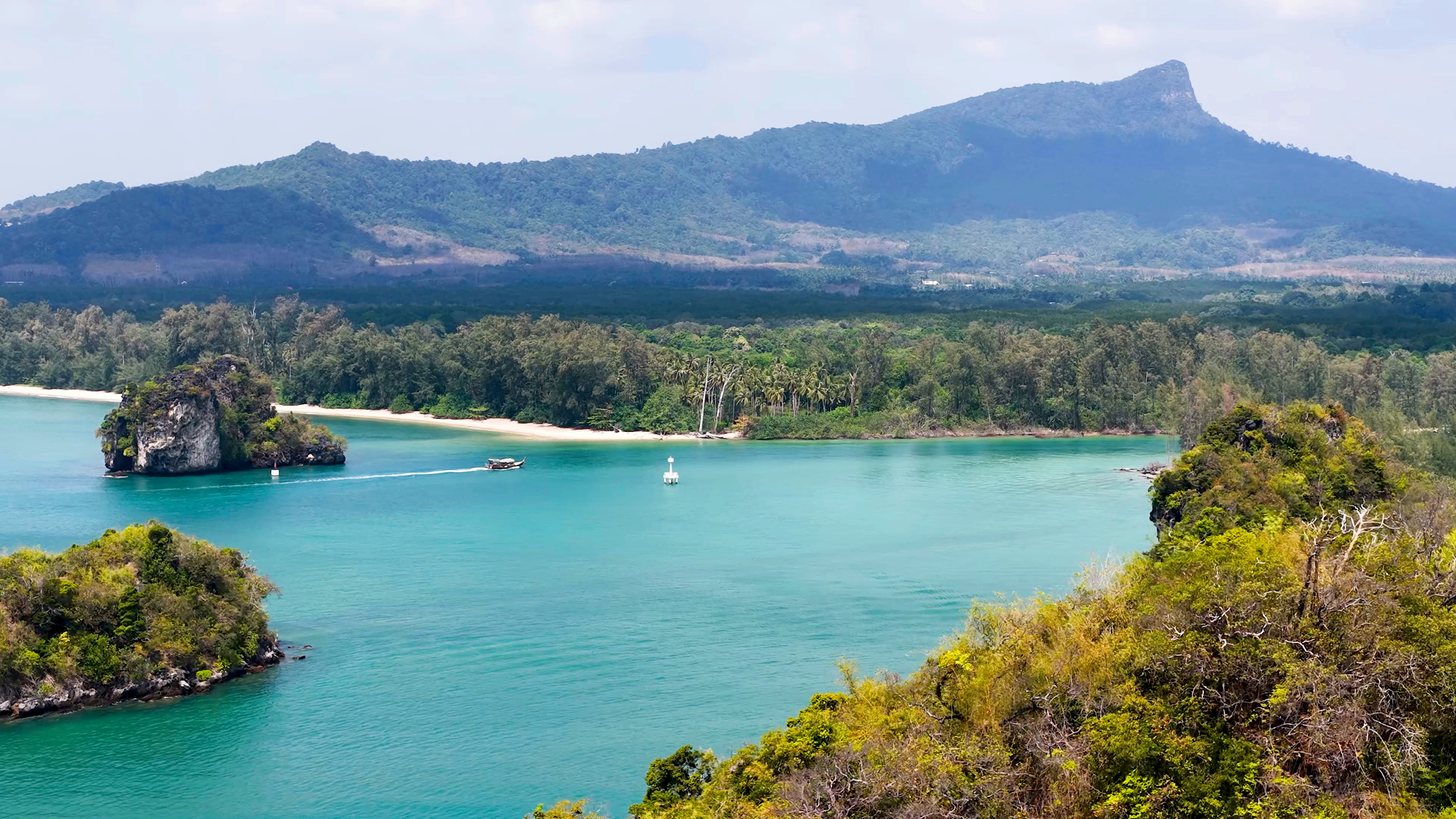
Be straight with clients about the green season. From roughly May to October the Andaman rain arrives in heavy bursts rather than all-day drizzle, and plenty of days are perfectly usable — but the sea state is variable, some Khao Lak and Koh Lanta properties reduce operations or close for the wettest weeks, and boat days become genuinely weather-dependent, with speedboat and ferry departures cancelled at short notice. Sell it as the quiet, lush, uncrowded version of the coast, book the boat excursions early in the stay so there is room to re-run them, and keep a land-based plan B in the file. Our green-season selling guide covers the positioning in full, and our boat charter team makes the weather call on the morning rather than leaving a family standing on a pier.
Gulf coast: Koh Samui, Koh Phangan and Koh Tao
The Gulf is the counter-season play, and it is the reason Thailand never goes off-sale. Koh Samui has its own airport, a full spectrum of resorts from simple beach houses to flagship estates, and the strongest wellness and honeymoon inventory of any Thai island — the obvious answer for a July or August departure. Koh Phangan has two personalities in one island: the Full Moon crowd on the south coast and genuinely quiet coves in the north and east, so qualify carefully before you book. Koh Tao is the dive island — simpler accommodation, superb water, and ferry-only access that makes it the most weather-exposed of the three.

The Gulf's caveat is its late rain. From around October to December the northeast monsoon brings the wettest, windiest window of the Samui archipelago's year, and that is exactly when Andaman clients are arriving in perfect weather — so switch coasts rather than defending a bad date. Ferry crossings from Surat Thani and Chumphon do get cancelled in a strong swell, which matters most for Koh Tao and Koh Phangan clients with a fixed international departure. The rule we apply on every Gulf island file is a buffer night on the mainland or on Samui before a long-haul flight home. The island-hopping routes guide sets out how the Gulf triangle strings together when a client wants more than one island.
Near-Bangkok beaches: Hua Hin and Pattaya
The mainland beaches change the shape of the whole file, because a road transfer replaces the domestic flight. Hua Hin is the royal-coast option — long calm sand, golf, night markets, well-run family and wellness resorts, and a genuinely relaxed pace. Pattaya is closer still to Bangkok and the airports, with enormous room capacity, big attractions and the infrastructure to swallow a large group at short notice. Neither is trying to be Phi Phi, so set expectations honestly: these are Gulf-of-Thailand mainland beaches with cities behind them, not island-postcard water.
What they buy you is logistics. No domestic baggage limits, no second check-in, no flight-delay exposure eating a beach night, no boat leg to weather-proof — just a run down the motorway with our private transfer fleet. That makes them excellent for short stays, for a beach tail on a Bangkok programme, for MICE and incentive groups on tight timings, and for clients arriving on a red-eye who will not thank you for another airport. They read best in the cool, dry months covered in our cool-season guide, but because nothing in the itinerary depends on a boat, they stay sellable year-round.
Flights, transfers and what “beachfront” actually means
Two technical points decide more beach files than the resort brochure does. First, the access chain. Phuket, Krabi and Koh Samui have airports, so those trips begin with a domestic flight. Khao Lak, Koh Lanta and Phi Phi hang off Phuket and Krabi by road and boat; Koh Phangan and Koh Tao hang off Samui, Surat Thani or Chumphon by ferry. Every extra leg adds an hour band, a hand-off and a weather dependency, and a client who lands late in Bangkok can miss the last boat entirely. Gauge the client's tolerance for legs before you fall in love with a remote bay, and let our day-trip and excursion desk sequence the boat days once the base is fixed.
Second, the word “beachfront.” It is used for a lawn that ends in sand, a property separated from the beach by a public road, a hillside resort that shuttles guests to a beach club, and a bay that turns to shallow flats at low tide — a real characteristic of stretches of Samui's east coast and parts of Lanta. Before you promise a client anything, confirm three things: is there a road between the room and the sand, is the beach swimmable at low tide, and is that sand the resort's own stretch or a public beach. Our hotel and resort contracting team answers those three questions from inspection notes, not from marketing copy. While you are being honest, mention the rest of it too: red-flag swimming days in the monsoon months, seasonal stinger advisories that rise in the wetter weeks on both coasts, and the fact that a cancelled boat is a refund conversation unless the client is insured. Agents who front-load that honesty get fewer complaints and more repeat bookings.
Thailand beach coasts by season at a glance
| Coast / region | Strongest months | Sell it to |
|---|---|---|
| Andaman (Phuket, Krabi, Khao Lak, Lanta, Phi Phi) | Roughly November to April | First-timers, families, honeymooners, island-hoppers, divers |
| Gulf (Koh Samui, Koh Phangan, Koh Tao) | Roughly February to September | Summer-holiday markets, wellness and honeymoon clients, divers |
| Mainland near Bangkok (Hua Hin, Pattaya) | Best in the cool dry months, usable year-round | Short stays, MICE and incentives, families, Bangkok add-ons |
| Andaman in green season | Roughly May to October | Flexible and repeat clients, spa and villa buyers, quiet-seekers |
Why the beach file runs through a Thailand DMC
Picking the coast is only half the job. The other half is choosing a resort against live inventory, knowing which beach empties at low tide, sequencing airport-to-boat-to-resort hand-offs that hold together when a flight slips, and having someone on the ground who can move a family the morning a pier closes. That is why the file belongs with a partner running full Thailand DMC services for travel agents rather than with a booking screen: contracted resort stock, in-house transfers, our own charter boats, licensed guides and a 24/7 desk, calibrated to the seasons your source market actually travels in. You keep the client and the commission; the ground team keeps the promise. Send dates, pax and a short client profile to the Explera DMC trade desk at b2b@explera.co.th and a coast-matched, client-ready proposal comes back fast.
Selling notes for the trade
- Dates first, coast second, resort third — reversing that order is how clients end up on the wrong sea.
- Sell the counter-season — when the Andaman is wet the Gulf is usually dry, so switch coasts instead of losing the booking.
- Count the legs — every flight, road and ferry hand-off adds time and weather risk to the file.
- Interrogate “beachfront” — road, low tide and private-versus-public sand, every time.
- Book boat days early in the stay — it leaves room to re-run them if the weather turns.
- Buffer the departure — a night back on the mainland or Samui protects a long-haul flight from a cancelled ferry.
Frequently asked questions
When is the best time to visit Thailand's beaches?
It depends entirely on which coast you sell. The Andaman side — Phuket, Krabi, Khao Lak, Koh Lanta and Phi Phi — is at its driest and calmest from roughly November to April. The Gulf islands — Koh Samui, Koh Phangan and Koh Tao — run on a different clock, at their best from around February to September, with the wettest spell arriving roughly October to December. Because the two coasts are counter-seasonal, there is a good Thai beach for almost any set of client dates.
Is the Andaman coast or the Gulf coast better for a beach holiday?
Neither is better in the abstract — it is a question of dates and client type. The Andaman coast offers the limestone-karst scenery, the widest resort inventory and the classic island-hopping day trips, and it peaks in the northern-hemisphere winter. The Gulf islands are smaller and calmer in feel, strong on wellness, diving and honeymoon stays, and they carry the European and Middle Eastern summer months when the Andaman is in its green season.
Can clients still travel to Thai islands during the green season?
Yes, and many do — but sell it honestly. Green-season rain on the Andaman coast usually comes in heavy bursts rather than all-day drizzle, resorts are quieter and the landscape is at its greenest. The trade-offs are real: sea state is variable, some Khao Lak and Koh Lanta properties reduce operations or close, speedboat and ferry days can be cancelled at short notice, and stinger advisories are more common in the wetter months. Build in flexible boat days, a buffer night before the international flight and proper travel insurance.
Do beach clients need a domestic flight, or can they transfer by road?
Phuket, Krabi and Koh Samui have their own airports, so those files usually start with a domestic flight. Khao Lak, Koh Lanta and Phi Phi are road or boat legs off Phuket and Krabi, and Koh Phangan and Koh Tao are ferry legs from Koh Samui, Surat Thani or Chumphon. Hua Hin and Pattaya are different again: a road transfer from Bangkok replaces the domestic flight altogether, which removes baggage limits, flight-delay exposure and a whole layer of handling from the itinerary.
What does beachfront actually mean when quoting Thai resorts?
It is the single most abused word in the beach file. Beachfront can mean a lawn that ends in sand, a property separated from the beach by a public road, a hillside resort with a shuttle to a beach club, or a bay that turns to shallow flats at low tide. Before you promise anything, confirm three things: whether a road sits between the room and the sand, whether the beach is swimmable at low tide, and whether the sand is the resort's own stretch or a public beach.
How does a travel agent book Thailand beach resorts for the right season?
Start from the client's dates, not the resort. Pick the coast that is in season for those dates, then match the resort region to the client type, then build the transfer and boat legs around it. A Thailand DMC does that matching against live inventory, knows which properties wind down in the wet months and which beaches disappoint at low tide, and keeps a 24/7 desk on the file when weather moves a boat day. Send the brief to the Explera trade desk at b2b@explera.co.th for a tailored proposal.