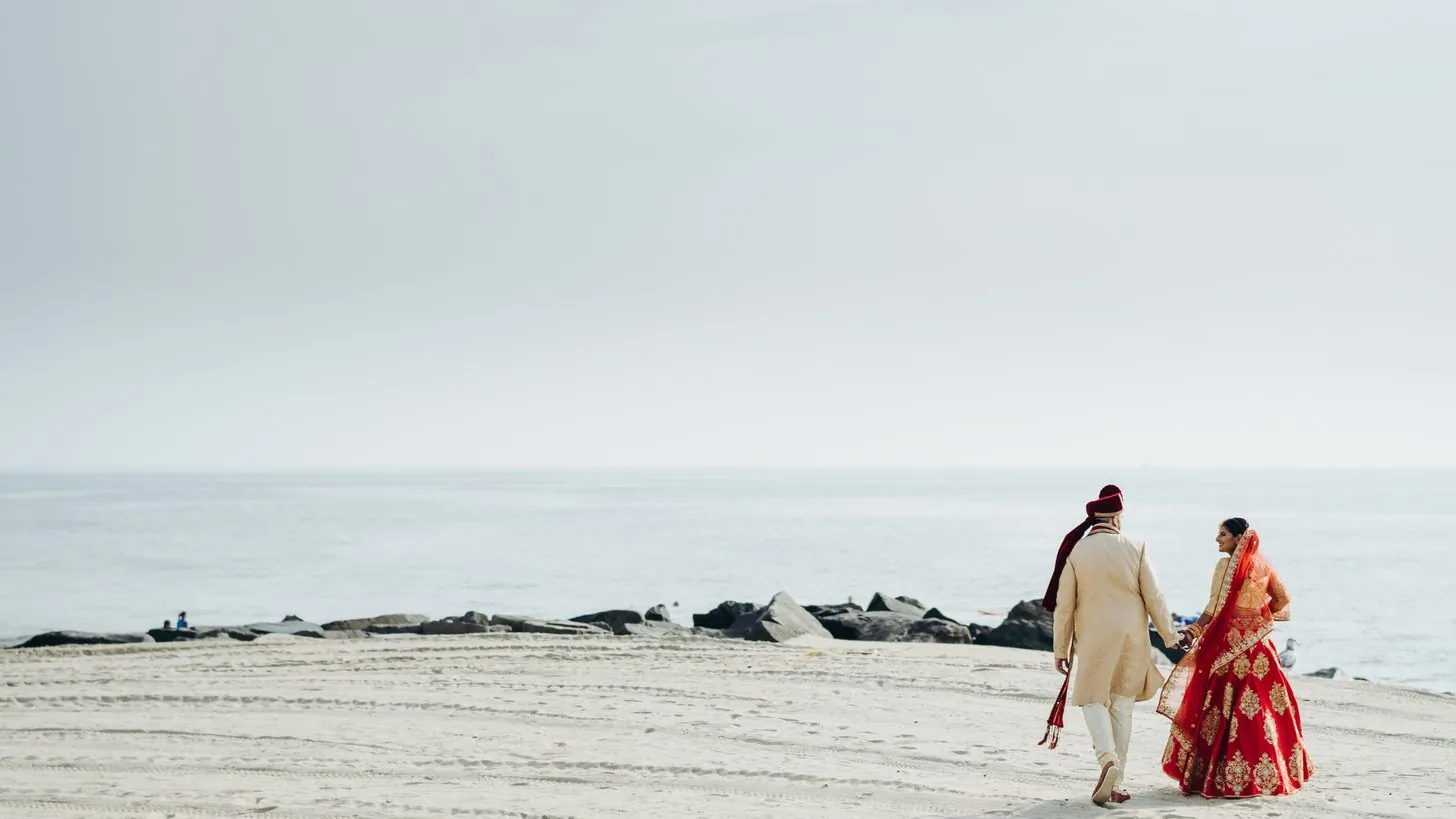


The twin-centre week is the most-quoted shape in Thailand for a reason that has nothing to do with the beaches: it fails in fewer places than anything else you can sell a first-time client. Bangkok & Phuket Discovery is our version of it — eight days, two centres, one short domestic flight, and a structure where every fragile moment has been moved somewhere it cannot hurt the trip. This guide from a Thailand DMC for travel agents unpacks the programme day by day: why the flight sits where it does, what the free days are actually for, how the inclusions shape what you can promise, and where to bend it when the brief does not quite fit.
Explera is a TAT-licensed ground handler (TAT licence 14/05119, IATA 96215733) trusted by 4,500+ agency partners, with in-house transport, licensed guides and 24/7 support. Reach the trade desk at b2b@explera.co.th.
What the programme actually is
| Day | What happens | Why it is placed there |
|---|---|---|
| 1 | Arrival in Bangkok — meet and greet, private transfer, evening at leisure on the river | Nothing is scheduled against a long-haul arrival |
| 2 | Private guided day: Wat Pho, the Grand Palace, a long-tail canal cruise | The one day that must not be improvised, run with a guide |
| 3 | Markets, with an optional early floating-market run, then a free afternoon | Jet lag lands here, so the afternoon is deliberately empty |
| 4 | Domestic flight south, private transfer to an Andaman-coast resort | The travel day sits mid-trip, not against an international connection |
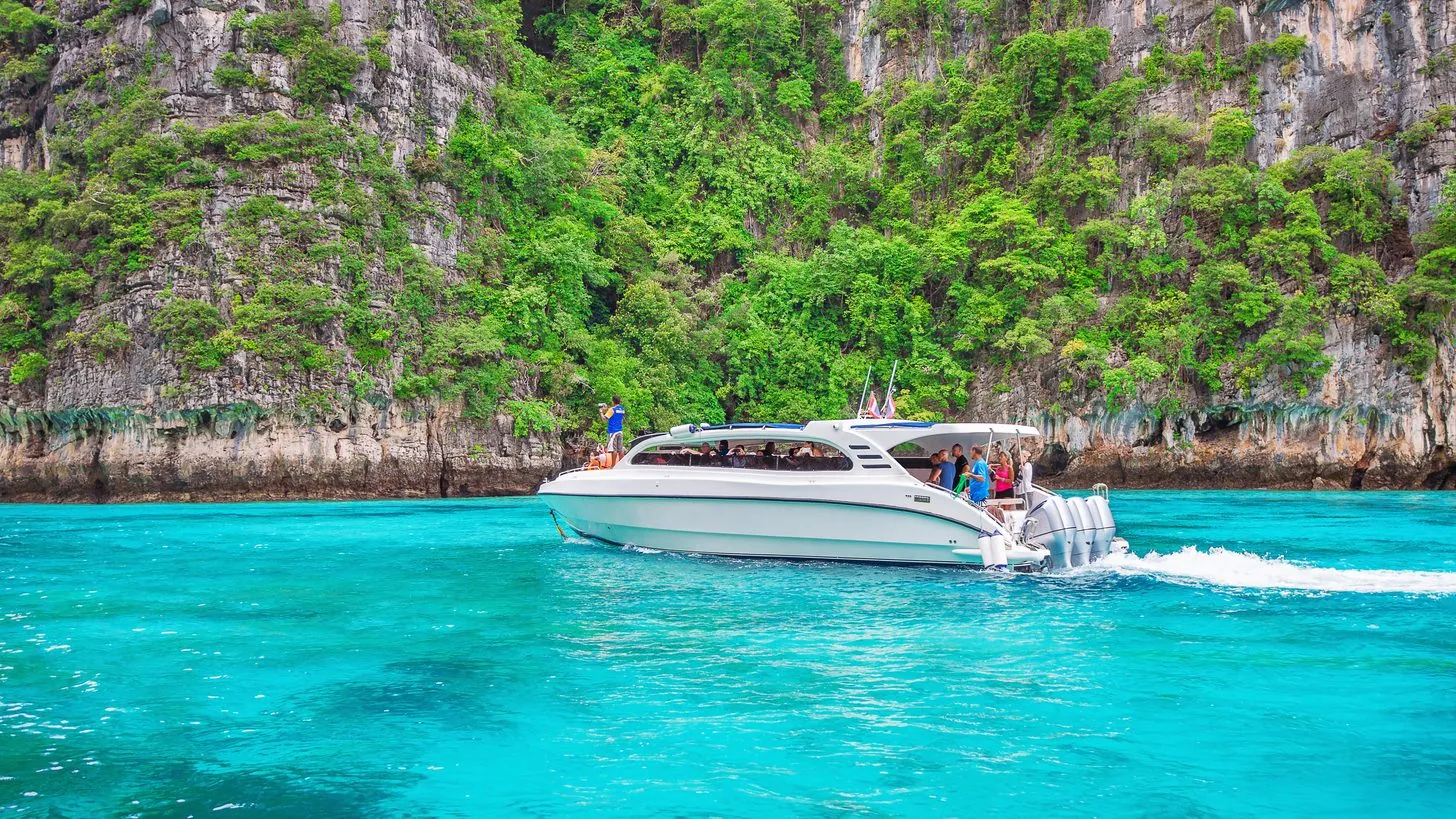
| 5 | Phi Phi and Maya Bay by private speedboat, with snorkelling and a beach lunch | The headline day, placed while energy is still high |
| 6 | Phuket at leisure — optional Old Town, golf, or a James Bond Island add-on | The recovery day after a full day at sea |
| 7 | Andaman free day, with an optional sunset catamaran | Weather insurance: the day the boat trip moves to if it has to |
| 8 | Private transfer to Phuket airport for the onward flight | No excursion on a departure day, ever |

Why the internal flight sits on day four
Because it is the single most common place a Thailand itinerary breaks, and putting it mid-trip removes almost all of the risk. A domestic hop scheduled on an arrival day means a client who has flown overnight is asked to clear immigration, collect bags and connect while exhausted; scheduled on a departure day it turns a delay into a missed international flight. Sitting on day four, it is a short flight with a full day either side, and if it slips by two hours the trip absorbs it without a single reconfirmation call.
The same logic explains why the beach leg is second rather than first. Clients arriving from long-haul have the most energy for a city in the first three days and the least appetite for one in the last three, and a holiday that ends on a beach ends well. Our airlift and gateways guide covers the routing decisions behind that in more depth.
What the free days are actually for
They are not filler, and selling them as filler is the fastest way to have a client ask why they are paying for a day with nothing in it. Each one is doing a job. The free afternoon on day three exists because jet lag is real and a client who is marched through a third temple on day three remembers the trip as tiring. Day six exists because a full day at sea takes more out of people than they expect. Day seven is weather insurance — it is where the boat day goes if the sea is against you on day five, which on the Andaman coast happens often enough to plan for rather than hope about.
Sold properly, those days are also where the margin sits: an optional Old Town tour, a round of golf, a James Bond Island add-on, a sunset catamaran. Sold as "free time" they are just gaps. Our guide to weather calls covers how to write the flexibility into the paperwork so the movement is contractual rather than improvised.
What is included, and why each inclusion is there
Four-to-five-star accommodation with breakfast; every airport and inter-city transfer private and on our own fleet; the Bangkok temples and Grand Palace day guided; the domestic flight; the Phi Phi and Maya Bay day on a private speedboat; licensed English-speaking guides throughout; and operations support around the clock. Read that list as a set of decisions rather than a menu. Private transfers throughout mean no client is ever standing at a kerb wondering; a private speedboat rather than a shared joiner is a materially different day at sea, and it is the inclusion most worth explaining to a client comparing quotes; and guides being licensed is what makes the Grand Palace day a guided day rather than a walk.
What is not included is equally deliberate: international flights, travel insurance, meals beyond breakfast unless stated, and personal expenses. Say all four out loud in the proposal. The meal line in particular is where complaints come from — a client who assumed dinner was included has a bad week, and it costs nothing to prevent. Add travel insurance as a conversation rather than a footnote, especially on a programme with a boat day in it.
Who it suits, and who it does not
It suits first-timers, honeymooners and independent couples: people who want to see the country's two signature faces without a complicated file. It suits agencies who want a shape they can quote confidently and a client who will not be surprised. It suits nervous travellers, because almost nothing in the week requires them to solve a problem themselves.
It suits less well the client who has already done both cities — send them to one of the other frames, or to a secondary-city angle. It is not the right shape for families with young children, who are better served by a programme that drives rather than flies and has calmer water; and it is not a group series shape, which needs consistent coaching and restaurants rather than private vehicles. For those, group travel and FIT packages are separate builds rather than adaptations of this one.
How to adapt it without breaking it
- Change the tier before you change the shape — most briefs are answered by moving hotel category, not by moving days.
- Swap the island, keep the structure — Krabi reads younger and Khao Lak quieter; the week works the same way at either.
- Add nights at the end, not the middle — extra beach nights extend a good ending; extra city nights dilute a strong opening.
- Watch the season on the Andaman leg — roughly November to April is prime; outside it, consider flipping the beach leg to the Gulf.
- Build the boat day in, do not offer it — it is the day clients describe when they get home.
- Send the brief, not the question — dates, pax, standard and constraints come back as a client-ready answer; "how much is the package" cannot.
What the ground partner carries here
Everything between the arrivals hall and the departure gate. The reason a twin-centre week feels effortless to a client is that someone has removed every decision from it, and that removal is the actual product. This is where Thailand DMC services for travel agents do the work: transfers on our own vehicles rather than subcontracted on the day, licensed guides briefed on the client rather than the itinerary, accommodation chosen for the brief rather than the listing, and tours and activities that have been run enough times that we know which pier to use on a busy morning.
It is also where a package stops being a package. Every element is quoted per brief, the file can be documented under your own brand, and a Thailand DMC that operates its own ground fleet can change day six at eight in the morning when the sea says so. That is the difference between a programme and a PDF — and it is the reason the shape has survived as our best-selling one. See the full packages shelf for the rest, and Phuket and Bangkok for the destination detail behind the two legs.
Frequently asked questions
Can the package be customised?
Yes — nights, hotel category and excursions are all flexible, and re-costing on a changed brief comes back quickly. Treat the published programme as the proven shape rather than a fixed product: most files that start here have moved tier, swapped an island or added beach nights by the time they are confirmed.
Why is the domestic flight on day four rather than the arrival day?
Because an internal connection on an arrival or departure day is where Thailand itineraries most often break. Mid-trip, the flight has a full day either side, so a delay is absorbed by the programme instead of costing a client their international connection or their first night.
What happens if the sea is too rough for the Phi Phi day?
That is what the day-seven free day is for. The boat day moves rather than cancels, which is why the programme keeps a spare Andaman day at the end rather than filling it. Write the flexibility into the client's paperwork so the move is expected rather than a disappointment.
Are meals included?
Breakfast is; lunches and dinners are not unless stated, and this is the single inclusion line most worth saying out loud in a proposal. Clients who assume half board and discover otherwise on day two have a worse week than the itinerary deserves. International flights, insurance and personal expenses sit outside the programme too.
Is this suitable for a family with young children?
Usually not as it stands. The week involves a domestic flight and a full day at sea, and both are harder with small children. A programme that drives to the coast instead of flying, and uses calmer Gulf water, is the better frame — the trade desk will point you at it rather than bending this one out of shape.
How do I get it quoted for a specific client?
Send dates, pax, hotel standard and any hard constraints to b2b@explera.co.th. Every element is quoted per brief at confidential trade terms for licensed agencies, and the file can be issued under your own agency's brand.
Quoting a Thailand twin-centre week now? Talk to our trade desk and we will come back with the routing and a tailored quote.