

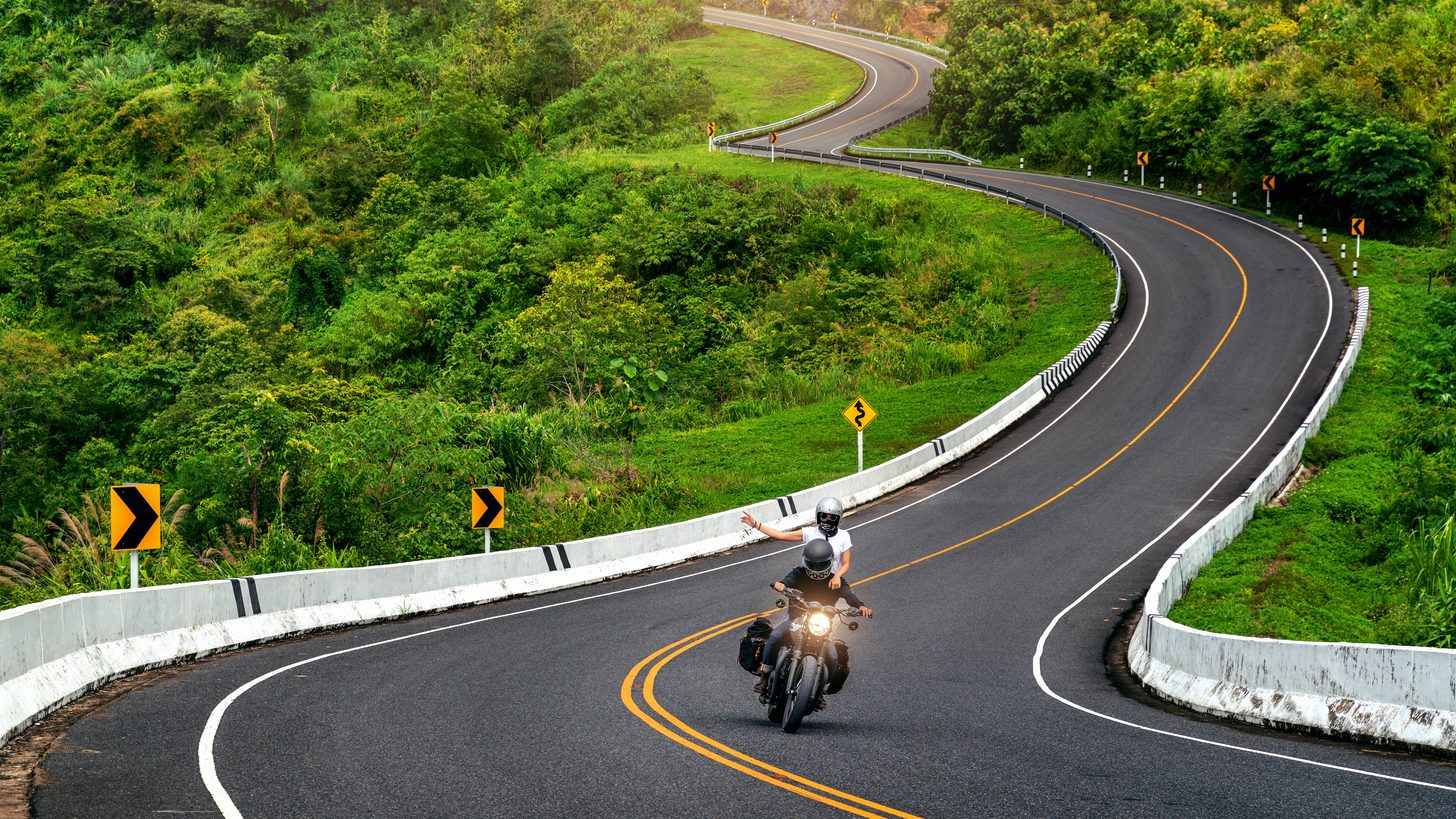
The scooter is the single biggest source of serious injury on a Thailand leisure file, and most of those clients believed they were insured when they were not. A licence that does not cover the machine, no International Driving Permit, no helmet, and a policy exclusion that activates on all three — that is the sequence, and it happens on the second day of the holiday. This guide from a Thailand DMC for travel agents covers what a client legally needs to drive or ride, where the insurance actually fails, and when to steer them to a driver instead.
Explera is an IATA TIDS-registered ground handler (96215733) trusted by 340+ agency partners, with in-house transport, licensed guides and 24/7 support. Reach the trade desk at b2b@explera.co.th.
What a client legally needs
A home-country licence on its own is generally not sufficient. The expectation is a valid home licence carried together with an International Driving Permit, and — this is the part that catches people — the permit must cover the category of vehicle actually being driven. A car licence does not authorise a motorcycle, and an IDP issued against a car-only licence does not either.
Clients hire scooters on a passport and a deposit at beach-front shops all over Thailand, and the ease of that transaction convinces them it must be legal. It is not the rental shop's job to check their entitlement; it is the agent's job to tell them before they go. Verify current requirements with the relevant authority before departure, since these rules and their enforcement do change.
Where the insurance actually fails
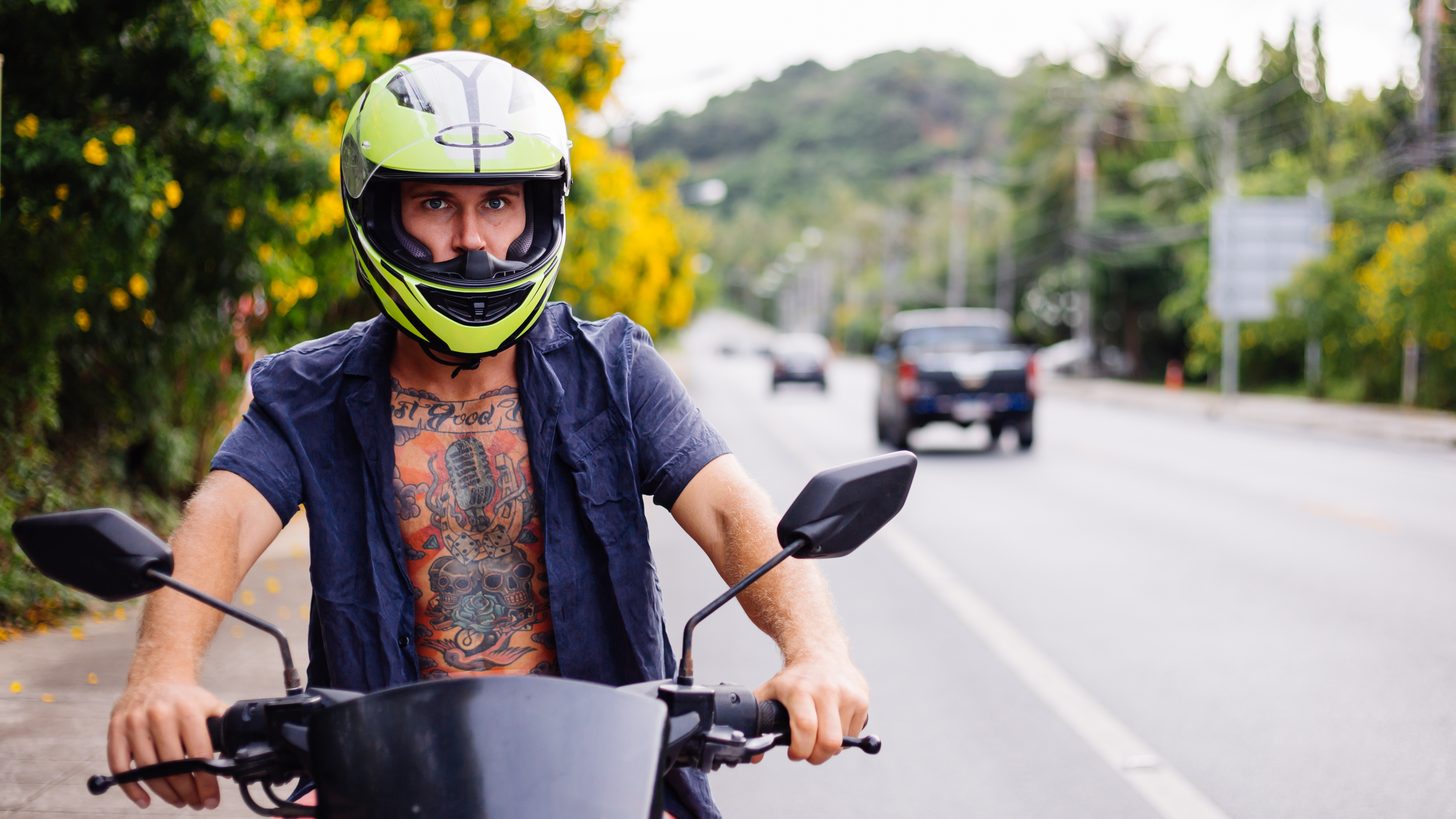
This is the important section. A standard travel policy will typically exclude a motorcycle claim where the rider was not correctly licensed for the machine, or was not wearing a helmet, or both. Those exclusions are not obscure small print — they are among the most commonly applied in the region, and a serious motorcycle injury in Thailand is a very expensive medical event.
The rental shop's own cover is usually thin and frequently carries a large excess and heavy exclusions. Tell clients plainly that signing a rental agreement is not the same as being insured, and that the policy which matters is their own. Our guide to what agents should require on travel insurance sets out what to check.
Car hire and scooter hire are different products
| Consideration | How it differs |
|---|---|
| Licensing | Both need the licence plus an IDP; the motorcycle category is the one most often missing |
| Supplier quality | International car-hire brands operate to recognisable standards; scooter hire is largely informal |
| Deposit practice | Passports are sometimes requested as security on informal scooter hire — clients should decline and offer a copy |
| Damage disputes | Far more common on informal rentals; photograph the machine before leaving |
| Risk profile | Not comparable — the injury exposure sits overwhelmingly with two wheels |
That deposit row is worth flagging. A client should never leave their passport as security — it is the document the whole trip depends on, as our guide to a lost or stolen passport explains. Offer a photocopy or a cash deposit instead.
The road itself, described honestly
Traffic drives on the left. Motorcycles filter constantly and from directions a European or North American driver does not expect. Rural roads are frequently excellent and rural driving standards are variable. In the wet season a road surface changes character within minutes, and the same corner is a different corner. Checkpoints are routine, and being unable to produce a licence and IDP at one is an ordinary occurrence with an ordinary consequence.
None of this makes driving in Thailand unreasonable. Plenty of clients hire a car and have a wonderful time, particularly on the northern and north-eastern routes. It makes it something to brief rather than assume, especially for a client who has never driven in Asia.
When to sell a driver instead
Often, and without apology. A car with a driver removes the licensing question, the insurance question, the parking question and the navigation question at once, and on most itineraries it is the better product rather than the more expensive one. It also converts a driving day into a day the client actually experiences, because they are looking out of the window rather than at a junction.
Reserve self-drive for the cases where it genuinely adds something — a long, slow northern loop, a client who specifically wants the freedom, a well-travelled driver who understands what they are taking on. For everything else, our transport team is the simpler answer, and Chiang Mai and the north are where the difference shows most.
The brief that takes one paragraph
If you intend to drive or ride, bring your home licence and an International Driving Permit covering that exact vehicle category, obtained before you travel — it cannot be issued here. Wear a helmet every time, including for five minutes down the road. Do not leave your passport as a rental deposit. Photograph the vehicle before you take it. And check your own travel insurance wording on motorcycles before you decide.
Put it in writing rather than saying it. A client who has it in an email reads it again at the rental shop; a client who was told it on the phone does not.
What the ground partner carries here
The alternative, and the aftermath. Knowing which routes genuinely reward self-drive and which are a false economy, having a driver available on a day a client decides not to ride after all, and knowing which hospital to go to when somebody does come off a scooter — that is the everyday substance of Thailand DMC services for travel agents: transport on our own fleet with drivers who know the roads, licensed guides for the touring days, and a desk that answers when a client calls from a clinic.
It is also where a Thailand DMC should talk a client out of something. An operator who says "your clients should not be riding on this itinerary" is protecting your agency as much as your traveller. See Phuket and Krabi, where scooter hire is most tempting and most consequential, and how we work with agents in your source market.
Frequently asked questions
Does a client need an International Driving Permit in Thailand?
The expectation is a valid home licence carried together with an IDP, and the permit must cover the category of vehicle actually being used — a car-only entitlement does not authorise a motorcycle. It has to be obtained before travelling, since it cannot be issued in Thailand. Confirm current requirements with the relevant authority before departure, as rules and enforcement change.
Why does it matter if the scooter shop rents without checking?
Because the shop is not the party that decides whether a claim pays. Travel policies commonly exclude motorcycle claims where the rider was not correctly licensed for the machine or was not wearing a helmet, and a serious motorcycle injury is an expensive medical event. Easy hire is not evidence of legality or of cover.
Is the rental company's insurance enough?
Usually not. Cover on informal rentals tends to be thin, with a large excess and significant exclusions. Signing a rental agreement is not the same as being insured — the policy that matters is the client's own, and its motorcycle wording should be checked before they decide.
Should a client leave their passport as a deposit?
No. It is the document the entire trip depends on, and recovering it from a dispute is far harder than avoiding the situation. Clients should offer a photocopy or a cash deposit instead, and photograph the vehicle before riding away to protect against a damage claim later.
Is self-drive ever the right call?
Yes — for a long northern loop, for a client who specifically wants the independence, or for a confident driver who understands Asian traffic. For most itineraries a car with a driver removes the licensing, insurance, parking and navigation problems at once, and turns a driving day into a day the client actually sees.
What should we send you when a client wants to self-drive?
The route, the dates and whether they intend car or two wheels. Email b2b@explera.co.th and we will tell you honestly where self-drive works on that itinerary and where a driver is the better product, and have a vehicle on standby for the days they change their mind.
Quoting a Thailand file with driving in it? Talk to our trade desk and we will build it so your client is covered either way.