

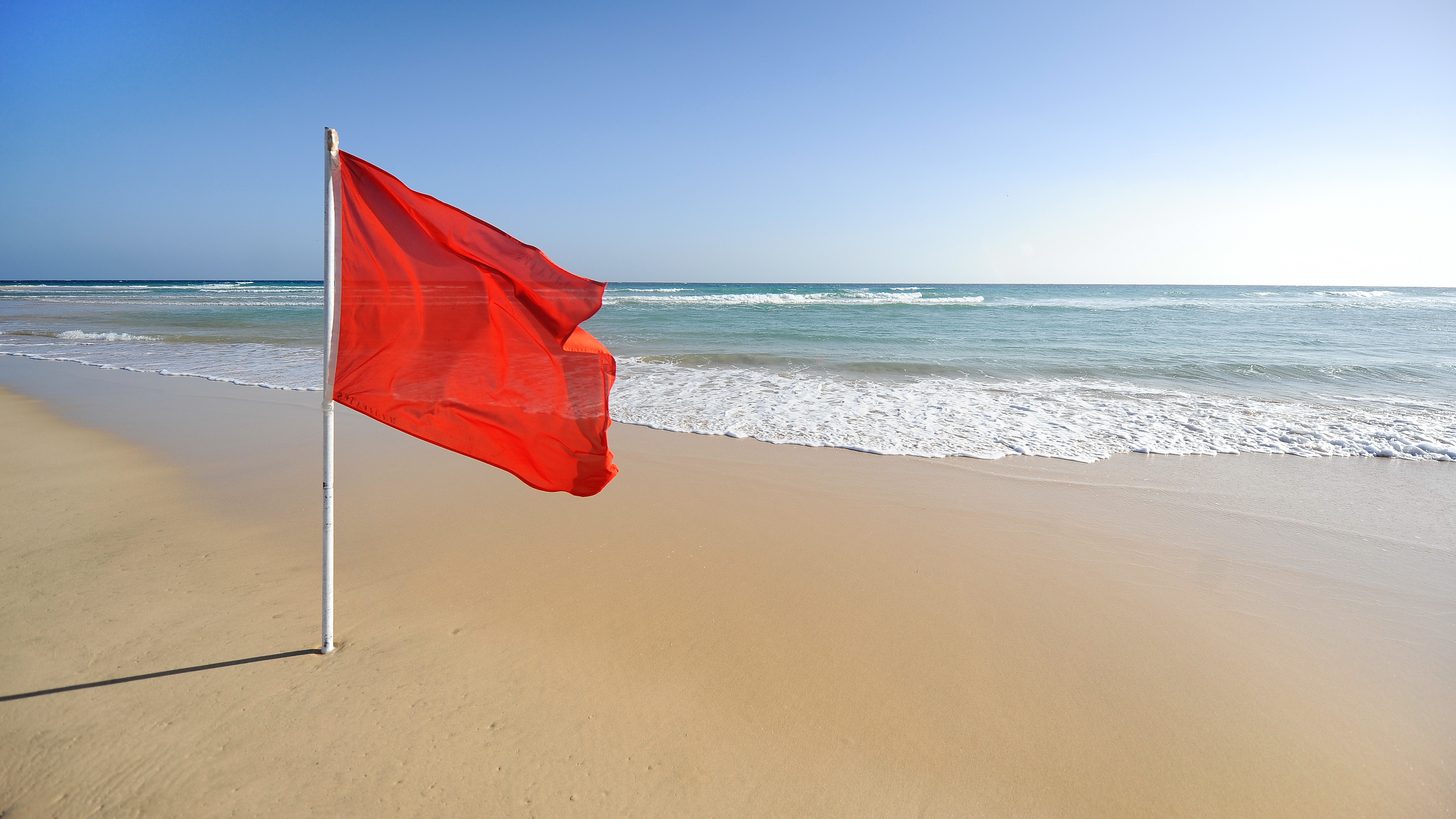
Every drowning season in Thailand produces the same post-mortem: the flag was flying, the client saw it, and the client did not know what it meant. Beach safety is treated as the hotel's problem right up to the moment it becomes the agent's problem, and by then it is a phone call nobody wants to take. This guide from a Thailand DMC for travel agents sets out the flag system and where it does not exist, why the rip current — not the wave — is what actually kills, which coast is rough in which months, and what belongs in a client brief before anyone gets in the water.
Explera is an IATA TIDS-registered ground handler (96215733) trusted by 340+ agency partners, with in-house transport, licensed guides and 24/7 support. Reach the trade desk at b2b@explera.co.th.
Why this is an agent problem
Most sea incidents involving foreign visitors in Thailand share a shape. The client is a competent swimmer at home, in a pool or a calm sea. They arrive during the monsoon on a coast they have never seen, walk down a beach that looks inviting, and enter water that is moving in a way they have no experience of. Nobody stopped them, because on most Thai beaches nobody is there to.
The agent's exposure is not legal, it is reputational and practical. You sold the beach. If the client has an incident, you are the first call, you are the one coordinating with a family in another time zone, and you are the one who will be asked what they were told before they travelled. A two-line briefing at booking is the cheapest risk control in the file.
The flag system, and where it does and does not exist
Thailand uses the internationally recognisable beach flag colours, and the meanings are the ones a client may already half-know: red for danger and no swimming, yellow for caution, and green where conditions are judged safe. Some beaches add a double red for a full closure, and purple where marine life is the specific hazard rather than the sea state.
The critical thing to brief is not the colour code. It is that the absence of a flag means nothing at all. Flags exist where a municipality or a lifeguard service places them. On a headline beach in a resort municipality they are usually there. On a quiet bay reached down a track, on an island beach, or in front of a small resort outside a municipal area, there may be no flag, no lifeguard and no signage — and the water there can be considerably more dangerous than the flagged beach with a crowd on it.
Nor is a flag a promise that anyone is watching. Lifeguard provision on Thailand's busiest coastlines has been repeatedly interrupted by contract and funding gaps, with periods where patrols on well-known beaches were reduced or suspended while a new arrangement was put in place. A client who assumes a rescue capability that is not currently staffed is making the same mistake as one who ignores the flag.
The rip current is the actual danger
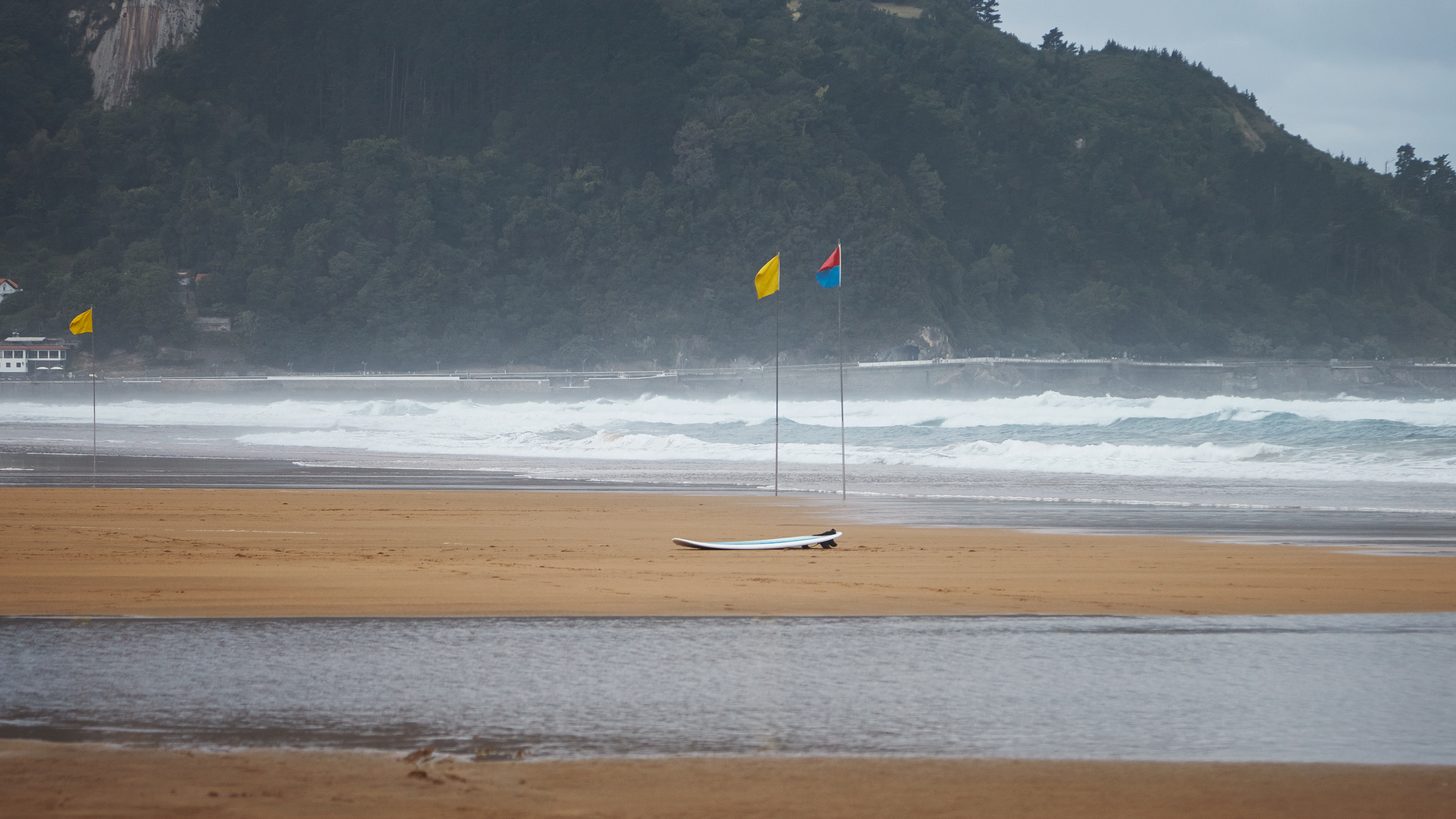
Ask a client what makes a sea dangerous and they will describe big waves. Big waves are visible and people respect them. The mechanism that drowns swimmers on Thai beaches is quieter: water pushed onto the beach by breaking surf finds a channel back out, and that channel runs seaward faster than anyone can swim against it.
A rip often looks like the safest part of the beach. It is the calmer, flatter gap between the breaking waves, sometimes discoloured with churned-up sand, sometimes with debris moving out through it. Swimmers walk towards the gap precisely because it looks gentler. It is not gentler; it is the drain.
What to tell a client, in plain terms: a rip pulls you out, not under. It will not drown a person who does not fight it. The response is to stop swimming towards the beach, float, signal, and let the current weaken — then swim parallel to the shore before turning in. Exhaustion from swimming directly against the current is what turns a frightening ten minutes into a fatality. It is worth saying out loud at booking, because it is the one piece of information that survives being read once.
Which coast is rough when
Thailand's two coasts have different weather years, and this is the part agents can genuinely plan around rather than just warn about.
- The Andaman coast — Phuket, Khao Lak, Krabi and the islands off them — takes the southwest monsoon through roughly the middle of the year. That is when the surf builds, when red flags go up on the west-facing beaches, and when the great majority of serious incidents happen. West-facing is the phrase to hold on to: a bay that faces away from the swell can be calm on the same day a beach ten minutes away is closed.
- The Gulf coast — Koh Samui, Koh Phangan, Koh Tao, and the mainland resorts — runs on a different cycle, with its rougher, wetter period arriving later in the year under the northeast monsoon. A client moving between coasts inside one itinerary can go from a closed beach to a flat one, or the reverse, and should not assume the conditions travel with them.
This is why the coast-and-season question belongs in the quote and not in the arrival briefing. Sending a swimming-led family to a west-facing Andaman beach at the height of the swell, when a sheltered bay or the other coast was available, is a planning decision, and it is one a ground partner will flag if asked. Confirm current conditions locally rather than from a seasonal average — a monsoon year is a pattern, not a schedule.

Jellyfish, stings and what else is in the water
Marine stings are far more common than drownings and far less often briefed. The practical categories:
- Box jellyfish. Rare, seasonal and serious. Fatal and near-fatal encounters have been recorded in Thai waters, particularly around the Gulf islands, and some beaches have vinegar posts installed for exactly this reason. Vinegar is the recognised first response to a suspected box jellyfish sting before medical help — not fresh water, not rubbing, not ice. If a beach has a vinegar station, that station is telling you something about the beach.
- Portuguese man o' war. Turns up in numbers on some Andaman beaches when wind and current push them inshore. Painful rather than usually life-threatening, and still capable of ruining a honeymoon.
- Stonefish, sea urchins and coral. The reason reef shoes matter on rocky and reef-fringed entries. A stonefish sting is a hospital matter, not a beach-towel matter.
- Sandflies. Not a sting risk but a comfort one, and the most common complaint after a night on a quiet island beach.
The brief a client needs here is short: do not touch anything, wear something on your feet on rock and reef, and if something stings you get out of the water and find staff rather than treating it yourself from memory.
What to put in the client brief
Keep it to five lines that a person will actually read on their phone at the airport:
- Red flag means out of the water. It is not a formality, and on some beaches ignoring it is an offence as well as a risk.
- No flag does not mean safe. It usually means nobody is assessing this beach.
- The calm gap between the waves is the current, not the safe lane.
- If you are pulled out, do not fight it. Float, signal, go sideways before you go in.
- Children and non-swimmers stay within standing depth, with an adult in the water, on every beach, on every day.
Add one line about alcohol. A large share of visitor drownings involve drinking, and the beach bar is fifteen metres from the water. Saying it in a briefing is awkward. Not saying it is worse.
Check that the client's cover actually responds to a sea incident, including any excursion or watersport they might book on the day — this is exactly the gap our travel insurance guide for agents was written around, and it is worth a look before the file closes.
What the ground partner carries here
Current conditions, which no seasonal chart contains. Whether a beach is flagged today, whether the lifeguard service on that stretch is actually operating this season, which bays are sheltered when the swell is running, and which excursion operators pull their boats rather than sail into it. That is the daily substance of Thailand DMC services for travel agents, alongside excursions and day trips chosen for the conditions on the day, tours and activities that give a swimming family somewhere to be when the sea is closed, and transport that can move a group to a calmer coast at short notice.
It also means telling you when the beach you have quoted is the wrong beach for that month. A Thailand DMC that only ever agrees with the itinerary in front of it is not adding anything. Speak to us about how we work with agents in your source market on beach-led programmes, and see our destination guides for the coast-by-coast picture.
Frequently asked questions
What do the beach flag colours mean in Thailand?
Red means dangerous conditions and no swimming; yellow means caution; green indicates conditions currently judged safe. Some beaches use a double red for full closure and purple to signal hazardous marine life rather than sea state. The colours follow international convention, so a client who knows them from elsewhere will recognise them here.
Are all Thai beaches patrolled by lifeguards?
No, and this is the most important correction to make. Flags and lifeguards exist where a municipality or a service provides them, mostly on the busier resort beaches. Quiet bays, island beaches and stretches outside municipal areas frequently have neither. Provision on even well-known beaches has also been interrupted at times by contract and funding gaps, so a client should never assume someone is watching.
What should a client do if they are caught in a rip current?
Not fight it. A rip pulls a swimmer away from the beach, not under the water, and drownings usually follow from exhaustion after swimming directly against it. The advice is to stop, float, raise an arm to signal, let the current lose strength, then swim parallel to the shore before heading back in. This is the single most useful thing to tell a client before they travel.
When is the sea roughest in Thailand?
It depends on the coast, which is why the two cannot be briefed together. The Andaman side sees its rough water under the southwest monsoon around the middle of the year, and the Gulf side later in the year under the northeast monsoon. A client moving between coasts in one trip may find very different conditions on each. Plan against the pattern, but confirm the actual conditions locally.
Is swimming under a red flag actually enforced?
It can be. Some Thai municipalities have introduced penalties for entering the water when a red flag is flying, and enforcement varies by location and by season. The practical point for a briefing is that the flag carries authority somewhere between a warning and an instruction, and a client who treats it as decoration may be dealing with more than the sea.
What should a client do about a jellyfish sting?
Get out of the water and get help from beach or resort staff rather than improvising. Vinegar is the recognised first response to a suspected box jellyfish sting, which is why some Thai beaches have vinegar posts installed, and rinsing with fresh water or rubbing the area is specifically the wrong move. Serious stings need medical attention, not a first-aid kit. Send us the resorts on your file at b2b@explera.co.th and we will tell you what is on those beaches.
Selling a beach-led Thailand programme this season? Talk to our trade desk and we will match the coast to the month before the client ever sees a flag.