

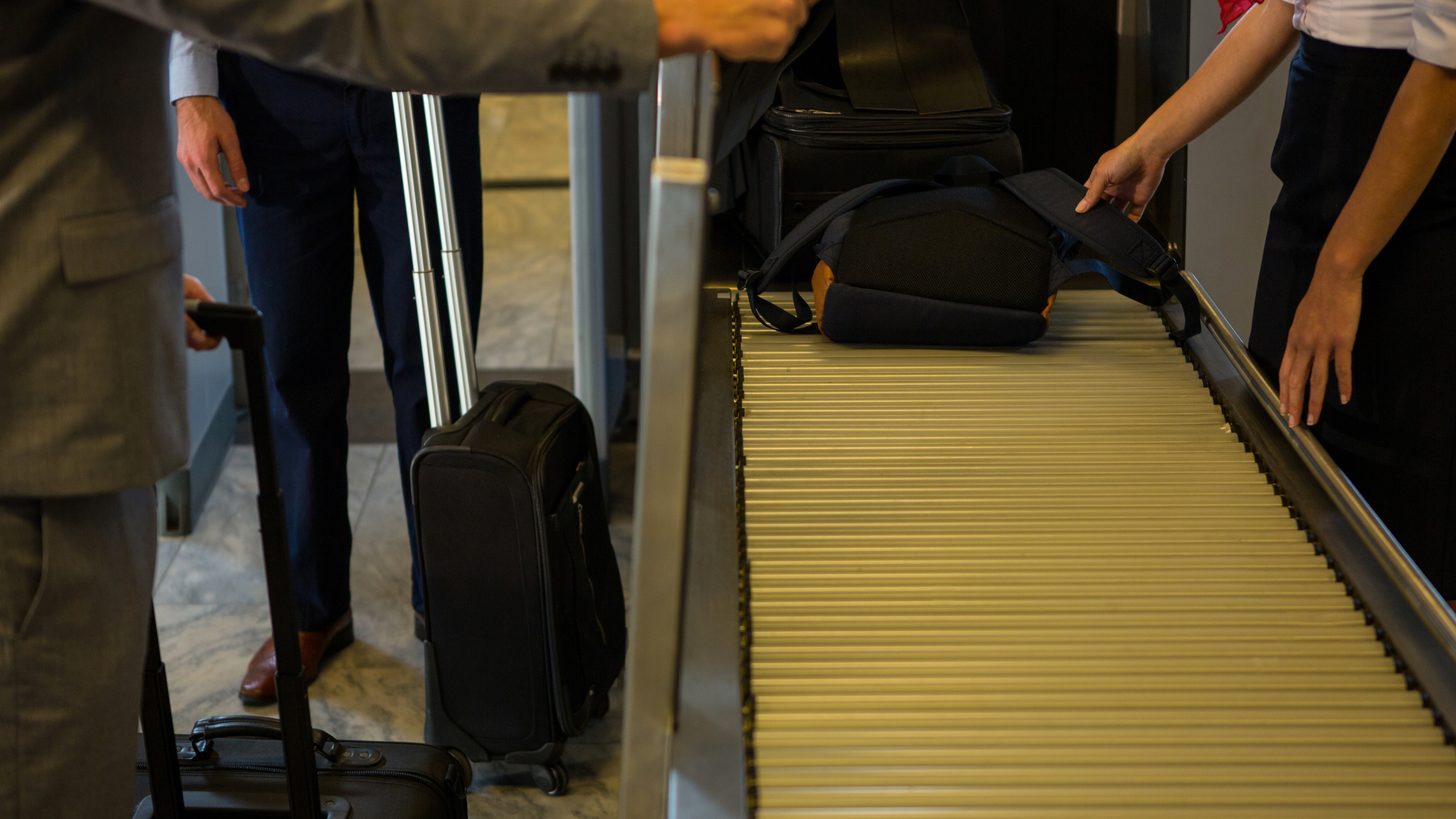
The golf bag that flew from London on a generous international allowance meets a Thai domestic low-cost carrier at Don Mueang and discovers it is now an unbooked oversize item — and the client is at the counter, not you. Thailand is a multi-sector destination, and baggage is the one part of a file that silently changes rules between the long-haul arrival and the island hop. This guide from a Thailand DMC for travel agents covers the two-ticket trap, how the domestic carriers genuinely differ, and how dive gear, golf clubs, boards, bikes and mobility aids each have to be handled before anyone reaches an airport.
Explera is an IATA TIDS-registered ground handler (96215733) trusted by 340+ agency partners, with in-house transport, licensed guides and 24/7 support. Reach the trade desk at b2b@explera.co.th.
The two-ticket trap
The most expensive baggage mistake in Thailand itineraries is structural, not a packing error. When the international sector and the domestic sector sit on separate tickets — which they usually do, because the domestic leg was bought where it was cheapest — the international allowance does not carry across.
Three things follow, and clients are surprised by all of them:
- Bags are not through-checked. The client collects at the arrival airport, clears customs, and checks in again from scratch on the domestic carrier's own terms.
- The domestic allowance is whatever was bought with that ticket, which on a low-cost fare bought as a bare seat may be very little indeed.
- There is no protection if the first flight is late. A missed domestic connection on a separate ticket is the passenger's problem, and a missed connection with sports equipment is a considerably bigger problem.
Where the itinerary crosses Bangkok's two airports, this compounds. A long-haul arrival into Suvarnabhumi followed by a domestic departure from Don Mueang means a landside transfer across the city with everything the client is carrying, and oversize items make that transfer a vehicle decision rather than an afterthought. Build the transfer around the kit, not the passenger count — a family with two sets of golf clubs does not fit the car you would otherwise have sent.
The carriers behave differently, and the difference is the whole thing
Thailand's domestic market mixes full-service and low-cost airlines on the same routes, and an agent who treats them as interchangeable will get caught.
- Full-service domestic carriers — including the national carrier and the operator best known for its regional network and lounge access — include a checked allowance in the fare as standard, and are generally the more forgiving option for anyone carrying equipment.
- Low-cost carriers sell the seat, and the checked allowance is a separate purchase in fare bundles or as an add-on. A client who bought the cheapest fare may have hand baggage only, and hand baggage on these carriers is weighed as well as measured.
- Pre-purchase versus the counter. Adding baggage online in advance is materially cheaper than buying it at the airport on every low-cost carrier in the market. This is the single easiest saving in the whole file and it is missed constantly, because nobody owns the domestic baggage decision once the ticket is issued.
The practical rule for the trade: never quote a Thailand multi-centre itinerary without deciding, explicitly, what each client's domestic checked allowance is and whether it has been bought. It takes a line in the file and it removes the most common airport complaint on the whole trip.

Oversize and sports items are a separate transaction
Sports equipment is not simply heavy luggage. On most carriers it is a distinct category that has to be declared in advance, is subject to its own size and weight limits, and is handled through the outsize baggage counter rather than the normal belt.
That has three operational consequences worth briefing:
- Earlier cut-offs. Outsize items go through a different screening path and close before the standard check-in does. A client arriving at the usual time with a bike box may simply be too late.
- Advance declaration. Turning up with an undeclared item is not a guaranteed refusal, but it is a guaranteed negotiation, and on a full flight the answer can be no.
- Capacity, not just allowance. Smaller aircraft on regional routes have physical limits on what fits in the hold regardless of what a client has paid for. This is why an item accepted on the outbound can be refused on the return leg flown by a different aircraft type.
Dive gear specifically
Diving generates the most refusals of any equipment category in Thailand, and almost all of them come down to cylinders and batteries.
- Cylinders must be completely empty, with the valve removed or left open so it can be visually verified. A sealed tank is a pressure vessel and will be refused. Most clients are better off not travelling with tanks at all, since every reputable operator in Koh Tao, Phuket and the Andaman liveaboard fleet rents them.
- Weight belts and weights are usually excluded outright from checked baggage, and are in any case the item least worth flying with.
- Dive computers, torches and camera housings bring lithium batteries into the equation, and loose batteries must travel in the cabin, protected against short circuit.
- Regulators and masks belong in hand luggage where the weight allowance permits — they are the expensive, fragile, hard-to-replace items and they are small.
The sensible default for most diving clients is to fly with personal fit items and rent the rest, and a ground partner should tell you that plainly rather than book excess baggage the client did not need.
Golf, bikes and boards
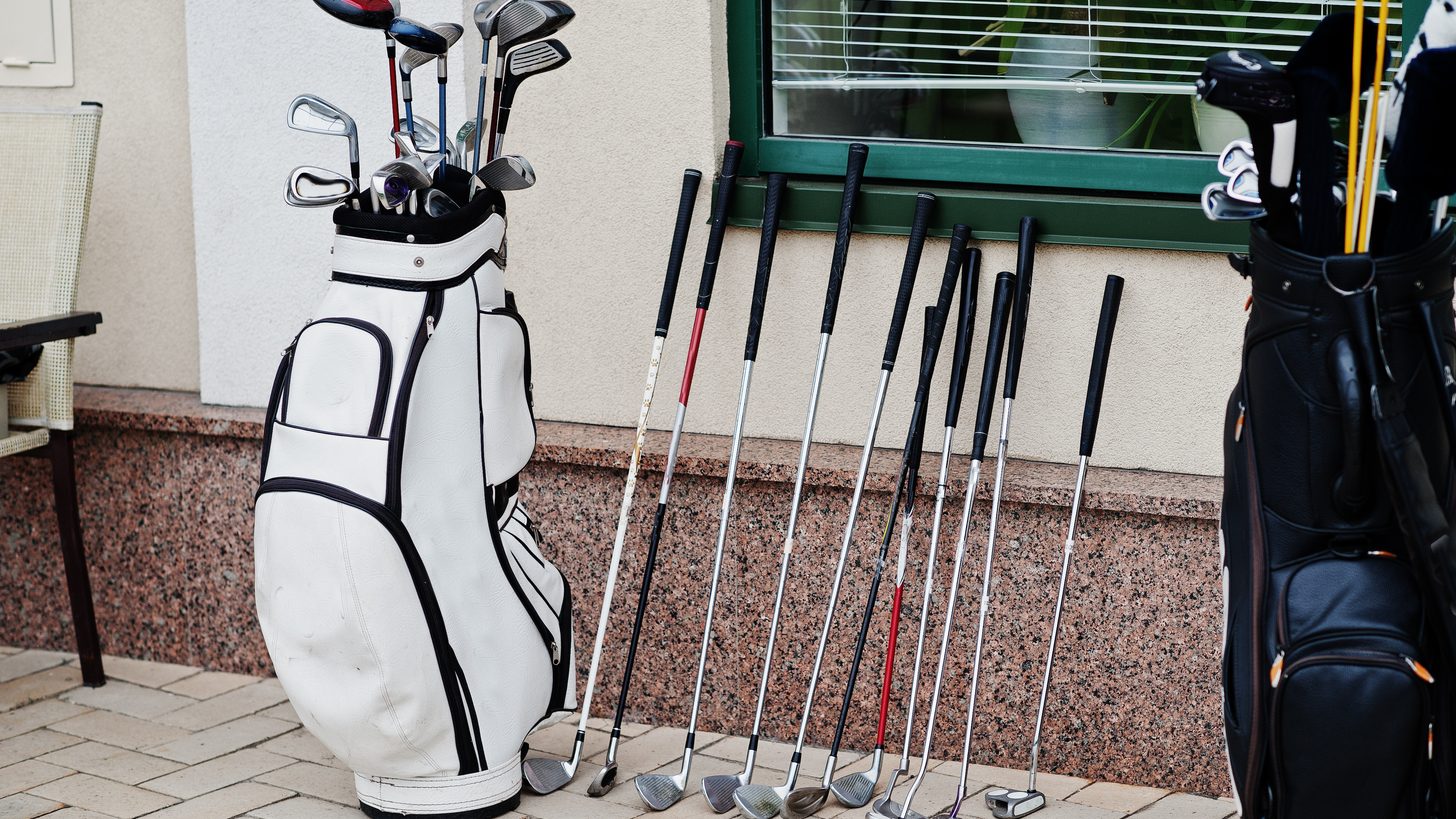
Golf is the most common equipment on Thai domestic sectors, and generally the best behaved: a standard travel bag is a single declared item within normal linear dimensions, and the carriers are used to it. The friction is volume rather than rules — on a busy Bangkok to Hua Hin or Chiang Mai golf movement, several sets on one flight need to be declared as a group rather than individually. Our golf tours guide for agents covers the wider programme; the baggage line belongs in the file alongside it.
Bicycles and surfboards are harder. Both have length limits that vary by carrier and aircraft, both need advance declaration, and both are frequently the item that does not fit the regional turboprop on a secondary route. Bikes usually need to be boxed or bagged with the pedals removed and the handlebars turned, and a client who has never flown with one will not know that. For a cycling group, the equipment plan has to be built before the flights are chosen, because it can rule out a route.
Mobility aids, instruments and the things that are not sports
Mobility equipment sits in its own category and should never be quoted as excess baggage. Wheelchairs and mobility aids are carried in addition to the passenger's allowance, and the airline needs advance notice — particularly for a powered chair, where the battery type determines how it is handled and, on some aircraft, whether it can be carried at all. Give the carrier the battery specification in writing at booking; our accessible travel guide goes into how that runs on the ground in Thailand.
Musical instruments split between cabin-carried small items, which may need a purchased seat, and larger instruments that have to be cased and checked. For an incentive or performance group this belongs in the planning conversation, not on the day.
What to put in the file
- Each domestic sector, its operating carrier, and the checked allowance actually purchased for each passenger.
- Every oversize or sports item listed by passenger, declared to the carrier, and confirmed in writing.
- The airport pair for any Bangkok connection, with the transfer sized for the equipment and not just the party.
- A realistic airport arrival time for the sectors carrying outsize items, allowing for the earlier cut-off.
- A note on whether any item can simply be rented at destination instead — often the right answer, and always worth asking.
What the ground partner carries here
The things that are not published. Which aircraft actually operates a given regional route this season, how the outsize counter runs at each airport, whether a group's equipment realistically fits the hold, and what to do when a client and their bike box are at the wrong terminal. That is everyday Thailand DMC services for travel agents, alongside vehicles sized for the kit rather than the headcount, excursions and activities supplied with local equipment so clients need not fly with theirs, and golf programme handling where several sets move on one sector.
It also means being told when a domestic flight is the wrong call and a road transfer moves the group and its equipment more reliably. A Thailand DMC that never suggests driving is not looking at the bags. See Bangkok for the two-airport problem in detail, and how we work with agents in your source market on equipment-heavy programmes.
Frequently asked questions
Does an international baggage allowance carry over to a Thai domestic flight?
Only if both sectors are on the same ticket. When the domestic leg is bought separately — the usual case — the bags are not through-checked and the domestic allowance is whatever that ticket includes, which on a bare low-cost fare can be hand baggage only. There is also no protection if a delayed international arrival causes the domestic flight to be missed.
Which Thai domestic carriers include checked baggage?
The full-service domestic operators generally include a checked allowance in the fare, while the low-cost carriers sell it separately as part of a fare bundle or as an add-on. Adding baggage online in advance is materially cheaper than buying it at the airport on every low-cost carrier, so the decision belongs in the file rather than at the counter.
Can a client fly with scuba tanks in Thailand?
Only if the cylinder is completely empty with the valve removed or open so it can be inspected — a sealed tank will be refused. Weights and weight belts are typically not accepted at all. In practice most diving clients are better off flying with personal fit items and renting tanks and weights locally, since every established operator supplies them.
How should golf clubs be handled on a domestic sector?
Declare them in advance as an oversize item rather than assuming they count as ordinary baggage, and allow extra time at the airport because outsize items go through a separate counter with an earlier cut-off. For a golf group, declare all the sets together as a group movement — several bags appearing individually on a full flight is where problems start.
Are wheelchairs and mobility aids counted in the baggage allowance?
No. Mobility equipment is carried in addition to the standard allowance and should never be quoted as excess baggage. Advance notice to the airline is essential, and for a powered chair the battery specification determines how it is handled and occasionally whether a particular aircraft can carry it, so provide that detail in writing at booking.
What is the most common baggage mistake on a Thailand itinerary?
Nobody owning the domestic allowance after the ticket is issued. The international sector is booked with a generous allowance, the domestic leg is bought on price, and the mismatch surfaces at a counter in Bangkok with a queue behind the client. Send us your sector list and equipment at b2b@explera.co.th and we will tell you where the file breaks before the client does.
Moving an equipment-heavy group around Thailand? Talk to our trade desk and we will plan the sectors, the transfers and the kit as one problem.