

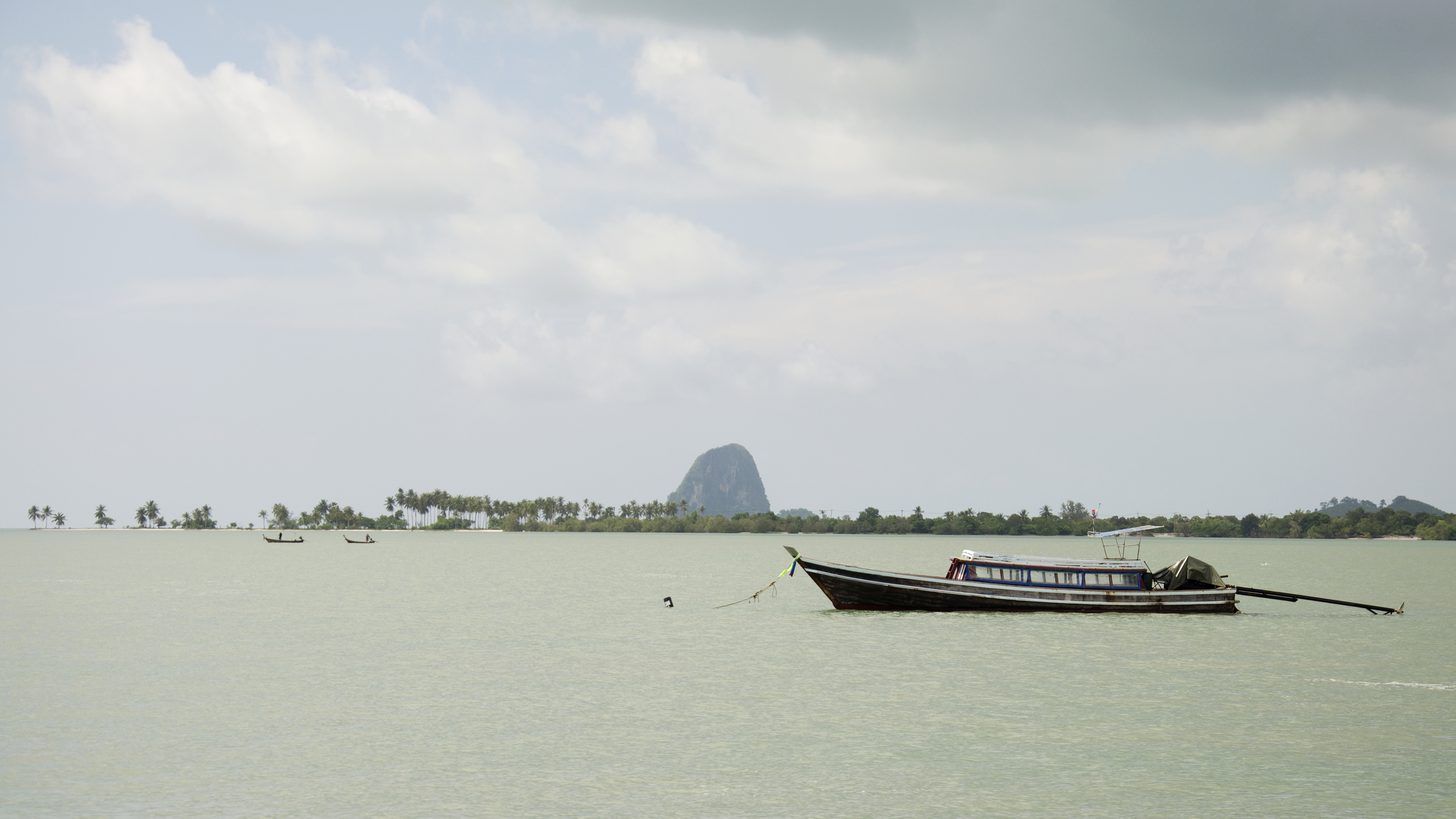
The decision that strands your client on an island is not made by the hotel, the operator or the ticket seller — it is made by a harbour authority, sometimes at dawn, and it applies to every boat at once. An agent who has built an island itinerary without a buffer before the international flight has built a file that depends on the weather being reasonable. This guide from a Thailand DMC for travel agents explains who actually stops the boats, how the cancellation cascades into the rest of the trip, and how to structure an island programme that survives a suspended sailing day.
Explera is an IATA TIDS-registered ground handler (96215733) trusted by 340+ agency partners, with in-house transport, licensed guides and 24/7 support. Reach the trade desk at b2b@explera.co.th.
Who actually stops the boats
Not the operator. When conditions deteriorate, Thai marine and harbour authorities issue warnings and can suspend departures, and when they do it is not a commercial judgement that one company makes and another declines. Small craft are stopped first and larger vessels later or not at all, which produces the situation agents find hardest to explain: the big ferry is running and the speedboat transfer your client paid for is not.
Two consequences follow immediately. First, there is no supplier to escalate to, because the supplier is as grounded as the passenger. Second, the moment sailings resume, every passenger from every cancelled departure is trying to travel at once, so the backlog is worse than the original day.
Weather warnings in Thailand are published as advance advisories more often than people assume, which means a well-connected ground partner frequently knows a day ahead that a transfer is at risk. That advance notice is worth more than any amount of after-the-fact rebooking.
The cascade, which is the real problem
A missed boat is an inconvenience. What turns it into a claim is what sits behind it in the itinerary:
- The international flight. A client who planned to leave an island on the morning of their long-haul departure has no slack at all. This is the single most common structural mistake in island files and the most expensive one.
- The domestic connection. Boat to pier, road transfer to airport, domestic flight to Bangkok, international out — each link assumed to work, most of them on separate tickets with no protection.
- The next hotel. A night not used is usually a night not refunded, and the unplanned night on the island has to be bought at whatever is left on a day when several hundred other people need the same thing.
- The rest of the group. Split parties, some across before the suspension and some not, is operationally worse than everyone being stuck together.
Speedboat versus ferry, and what each one buys
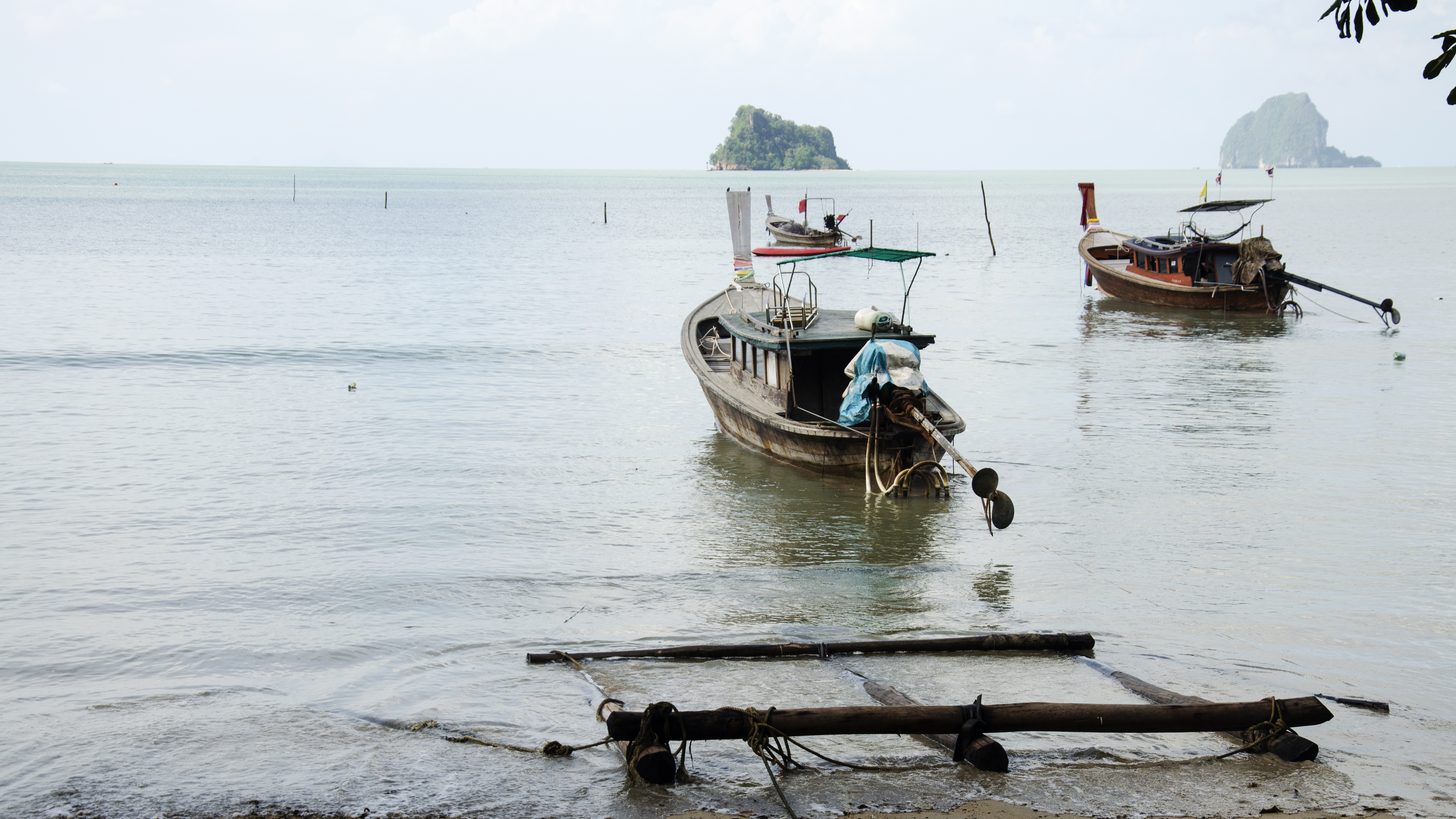
Clients choose the speedboat because it is faster and it looks better in a proposal. The trade-offs are worth understanding before you quote:
- Speedboats are the first thing stopped in poor conditions and the roughest ride in marginal ones. Fast on a good day, and the least reliable option on a bad one.
- Larger ferries keep running in conditions that ground small craft, take longer, and are far more comfortable in a swell. For an older party, anyone prone to seasickness, or a family with small children, the slower boat is frequently the better product as well as the safer bet.
- Scheduled services versus charters behave differently on a disrupted day: a scheduled operator has a next departure to put people on, and a one-off charter does not.
- Where an air link exists, it changes the risk profile of the whole itinerary — a point worth weighing for islands served by their own airport when the file has no slack.
None of this argues against speedboats. It argues for choosing the mode against the day's job: a speedboat for a mid-trip hop with a free afternoon behind it, a larger vessel or an air link for the leg that connects to a flight home.
How to structure an island itinerary that survives this
Five rules, all of which cost something and all of which cost less than the alternative:
- Never depart an island on the day of an international flight. Build a mainland night before departure. This is the whole discipline in one line, and every experienced Thailand operator applies it.
- Put the buffer on the mainland, not the island. A spare night where the airport is protects the flight; a spare night where the boats are does not.
- Prefer one ticket over two where a through-fare or a combined boat-and-air product exists, because a single contract of carriage behaves very differently from two separate ones when a leg fails.
- Front-load the islands. Islands early, mainland late, so a disruption eats a beach day rather than the flight home.
- Say it in the quote. A client who was told at booking why there is a mainland night will accept it. A client who discovers the reason during a cancellation will not.
On the day it happens
The order matters, and it is not the order clients follow:
- Confirm the status with the pier, not with the internet. Suspensions are lifted and reimposed through the day and social media lags both.
- Secure tonight's accommodation before securing tomorrow's boat. Rooms on a stranded island go before seats do, and a client with a bed can wait calmly.
- Then deal with the flights, in order of how hard they are to change — the international one first, even though it is the furthest away.
- Tell the client what is actually happening. "The port is closed and we are holding you here tonight, with a room and a plan for the morning" is a manageable message. Silence while somebody works on it is not.
- Keep everything in writing. The suspension, the rebooking, the extra night. Insurers ask, and a travel disruption claim rests on evidence that has to be gathered on the day rather than reconstructed later — see our travel insurance guide for agents.
The safety line an agent should never push
Occasionally a client will find an operator willing to sail when the authorities have suspended departures, and will ask you to arrange it. The answer is no, and it should be given plainly rather than diplomatically. A vessel sailing against a suspension is uninsured for the purpose, its passengers are likely outside the terms of their own cover, and the reason the suspension exists is that the conditions are dangerous for that class of boat.
The related check belongs earlier, at supplier selection rather than on the day: licensed passenger vessels, certificated crew, and life jackets carried for every passenger including child sizes. Our guide to vetting a Thai ground supplier covers what to ask for and what the answers should sound like.
What the ground partner carries here
The day-ahead read and the local capacity to act on it. Whether an advisory is likely to become a suspension, which operators are still moving and on what route, where the rooms are on an island that has just gained several hundred unplanned guests, and whether a client can be routed round the problem by road or air instead of waiting for it to clear. That is the working core of Thailand DMC services for travel agents, together with boat and ferry handling, road transfers on our own fleet when the sea is not an option, hotel bookings for the night nobody planned, and 24/7 support for the call that comes at six in the morning.
It also means being told at quoting stage that an itinerary is too tight, which is the single most valuable thing a Thailand DMC can say and the least welcome. See Koh Samui, Koh Phi Phi, Koh Tao and Krabi for the routes where this bites hardest, and how we work with agents in your source market on island programmes.
Frequently asked questions
Who decides whether boats sail in Thailand?
Marine and harbour authorities, not the operators. When conditions deteriorate they issue warnings and can suspend departures, which applies across operators at once — so there is no supplier to escalate to, because the supplier is grounded too. Small craft are stopped first, which is why a large ferry can be running while a speedboat transfer is cancelled.
What is the most common mistake in an island itinerary?
Departing an island on the day of the international flight. It leaves no slack whatsoever in a chain of boat, road transfer and domestic flight, usually across separate tickets with no protection between them. Building a mainland night before the long-haul departure is the single discipline that prevents the most expensive version of this problem.
Speedboat or ferry for a transfer?
It depends on what sits behind that leg. Speedboats are faster but are the first craft stopped in poor conditions and the roughest ride in marginal ones. Larger ferries keep running when small craft cannot and are far more comfortable in a swell — usually the better product for older travellers, anyone prone to seasickness, or a leg that connects to a flight.
What should be done first when a sailing is cancelled?
Confirm the status with the pier rather than online, then secure tonight's accommodation before tomorrow's boat — rooms on a stranded island go faster than seats do. Only then work the flights, hardest to change first. And tell the client what is happening straight away; silence while somebody works on it is worse than the cancellation.
Can a client charter a boat when sailings are suspended?
No, and the answer should be given plainly. A vessel sailing against an authority suspension is operating outside the terms of its cover, its passengers are likely outside theirs, and the suspension exists because conditions are genuinely dangerous for that class of boat. This is not a service the trade should look for a way around.
Does insurance cover a weather cancellation?
It depends entirely on the policy and on the evidence. Travel disruption cover varies widely in whether it responds to a missed connection on separate tickets and to unplanned accommodation, so the policy should be checked before departure rather than during the incident. Keep written confirmation of the suspension, the rebooking and the extra night on the day — insurers ask for it, and it cannot be reconstructed afterwards. Send us your island routings at b2b@explera.co.th and we will tell you where the file is exposed.
Quoting a Thailand island programme? Talk to our trade desk and we will structure the legs so the weather cannot reach the flight home.