


Every agent selling Thailand is relying on a chain of local licences they have never seen, and the moment something goes wrong the first question asked will be what you checked before you contracted. Thailand licenses tour operators, guides, vehicles and boats separately, and each licence answers a different question about who is liable when a day goes badly. This guide from a Thailand DMC for travel agents sets out what the regime actually requires, what to ask a prospective ground supplier for, and which answers should end the conversation.
Explera is an IATA TIDS-registered ground handler (96215733) trusted by 340+ agency partners, with in-house transport, licensed guides and 24/7 support. Reach the trade desk at b2b@explera.co.th.
Why this is your problem and not just theirs
An agent contracting a Thai ground supplier is doing something more consequential than buying a service. You are placing your client into vehicles you have not inspected, with guides you have not met, on boats whose operator you cannot name. If any of that is unlicensed, three things follow: your client's travel insurance may respond differently, the supplier's own liability cover may not respond at all, and the incident becomes a story about the agency that sold it.
This is not a hypothetical about paperwork. Enforcement in Thailand is real and periodic, and the practical failure mode is not a raid — it is a client sitting in a minibus that has been stopped, or a snorkelling trip cancelled at the pier, on a day the itinerary cannot absorb.
The tour operator licence
Thailand regulates tour businesses through a licensing regime administered under its tourism authority framework, and a company selling tour services to the public is required to hold the appropriate licence for the type of business it does. Licences are categorised by the kind of tourism the business handles, and the category matters: a licence appropriate for one type of operation does not automatically cover another.
What to ask for, and what a good answer looks like:
- The licence number and the name it is issued in. The name should match the entity that will invoice you. A licence held by an associated company, a director personally, or a partner firm is a different thing from a licence held by your counterparty.
- The category. Confirm it covers inbound handling of the kind you are buying.
- Current validity. Licences are renewable, and "we have one" and "it is current" are different statements.
A supplier who cannot produce this quickly and without defensiveness has told you something. A supplier who produces it in thirty seconds has also told you something.

Guide licensing, and the rule foreign agents most often trip over
This is the single most misunderstood part of the Thai regime. Guiding in Thailand is a licensed profession, professional guides carry a licence card identifying the category and area they are licensed for, and the work is reserved to Thai nationals. That last point catches out agencies from every source market, because it means a favourite tour leader who guides for you elsewhere in the region cannot legally perform guiding work in Thailand.
The distinction that keeps a programme legal:
- A licensed local guide performs the guiding — interpretation, site commentary, leading the group at attractions.
- A tour leader travelling with the group from the source market can accompany, coordinate and look after their clients, and works alongside the local guide rather than replacing them.
Getting this wrong is not a technicality. Attractions and national parks check, enforcement does happen, and a group that arrives at a site with no licensed guide can be refused entry to the very thing it was sold. Ask any supplier how they staff guiding, and ask specifically whether the guide is licensed for the region and the category — a general licence and a specialist one are not the same document. Our licensed guide services exist precisely because this is not something to improvise.
Vehicles, drivers and the transfer nobody inspects
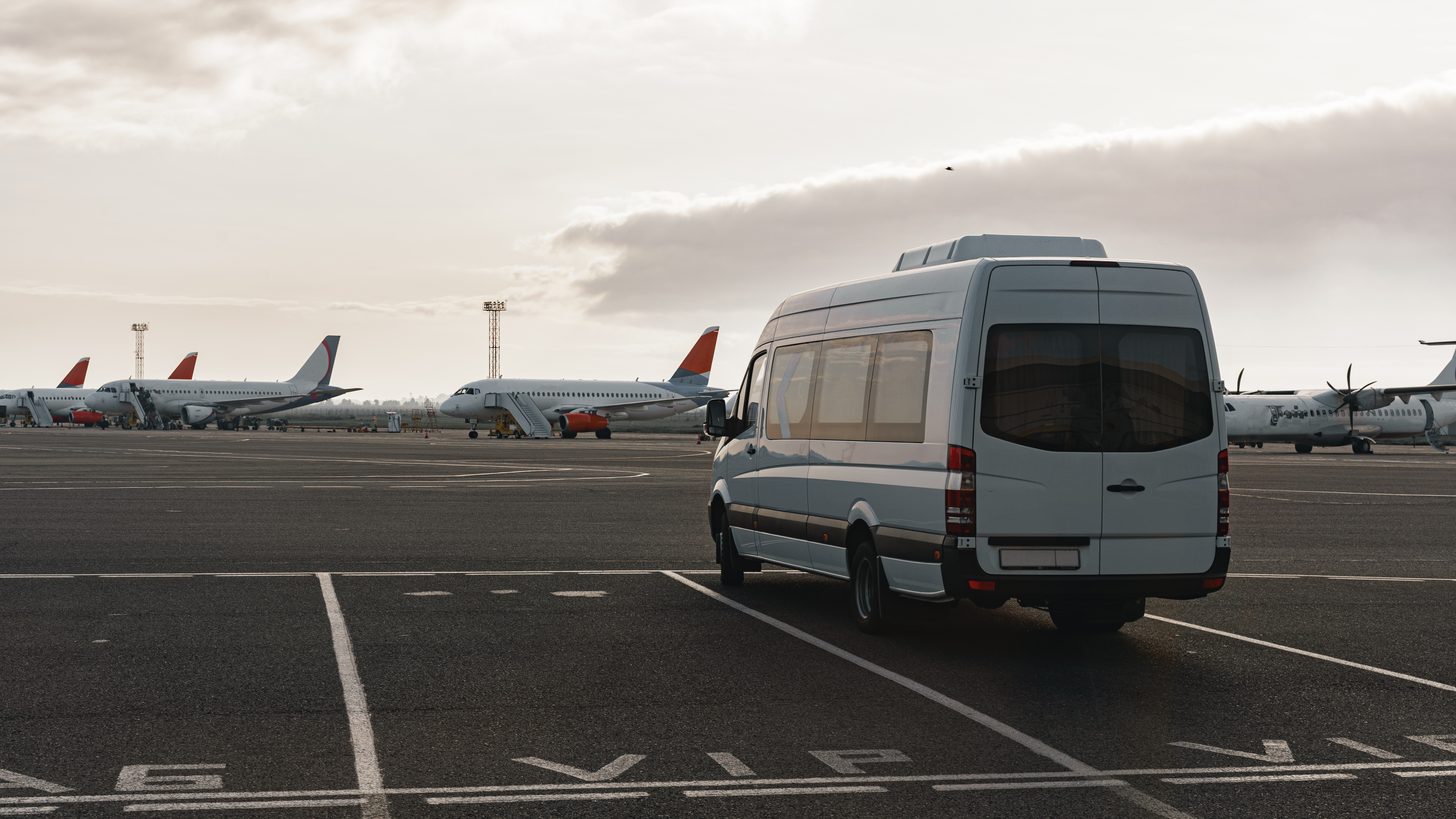
Transport is where the gap between a photograph in a proposal and the vehicle that arrives is widest. Commercial passenger transport in Thailand requires vehicles registered and licensed for public transport rather than private use, with drivers holding the appropriate class of licence and the vehicle carrying the required insurance. A private car pressed into commercial service is a common and invisible substitution.
The questions worth putting in writing:
- Is the fleet owned or subcontracted? Both can be fine; only one can be inspected by the supplier at will. Ask what happens on a peak date when the owned fleet is fully committed.
- Are the vehicles registered for commercial passenger use? This is the specific question, not "are they insured".
- What insurance is carried, and what does it cover per passenger? Compulsory motor cover and commercial passenger liability are different layers.
- Seat belts, vehicle age, and child seats. Child restraints in particular have to be requested, confirmed and then confirmed again.
Our own answer is an in-house transport operation rather than a brokerage, which is the difference between a supplier who can tell you what vehicle is coming and one who can only tell you what they ordered.
Boats, and the licences that are hardest to see
Marine operations carry their own layer: vessels must be registered and licensed for passenger carriage, crews certificated, and safety equipment carried in the required quantity for the passenger count. Island transfers, snorkelling day trips, speedboat charters and liveaboards all sit here, and it is the part of a Thailand programme an agent is least equipped to assess from abroad.
The pragmatic checks: ask whether the boat operator is licensed for passenger carriage, whether life jackets are carried for every passenger including children in child sizes, and what the operator's cancellation policy is when the harbour authority suspends sailings. That last one is not a safety question but it is the one that will actually cost you money — see our guide to island transfer disruption for how those days unravel.
The answers that should end the conversation
- "Everyone does it this way here." Sometimes true, never a defence, and a supplier who says it about licensing will say it about something worse.
- A licence in a different name from the invoicing entity, offered without explanation.
- Reluctance to name the guide's licence category, or a suggestion that your own tour leader can simply guide.
- Vagueness about whether vehicles are owned. Subcontracting is normal; not knowing is not.
- No named person for out-of-hours. A supplier without a real 24/7 contact has told you what happens at two in the morning.
- Credentials that overstate. Read a supplier's claims carefully, including ours: a licence that is held and a licence that is in application are different statements, and a partner who blurs that on their own credentials will blur other things too.
What to keep in the file
Not for bureaucracy — for the day you need it. A Thailand DMC worth contracting will hand this over as a pack rather than assembling it under pressure. Keep the operator licence number and category, the entity name and registration, evidence of insurance and its limits, a named 24/7 contact with a number that a human answers, and the supplier's written confirmation of how guiding is staffed on your programmes. It takes one exchange of emails at contracting and it is the difference between answering a question in an hour and answering it in a week.
What the ground partner carries here
Being able to answer all of the above without going to look. Explera is an IATA TIDS-registered ground handler (96215733), operates its own transport rather than brokering it, and staffs guiding with licensed guides for the region and category concerned. Where a credential is in progress rather than held, we say so — including in our own footer — because an agent who is misled about a supplier's paperwork has been given a liability, not a reassurance.
That is the plain substance of Thailand DMC services for travel agents: owned transport, licensed guiding, 24/7 emergency support with a named contact, and a desk that will tell you when something cannot be done compliantly rather than doing it anyway. See our destination coverage for where we operate directly, and how we work with agents in your source market on supplier due diligence.
Frequently asked questions
Does a Thai ground operator need a licence?
Yes. Tour businesses in Thailand operate under a licensing regime administered through the country's tourism authority framework, with licences categorised by the type of tourism business. Ask for the licence number, the entity name it is issued in, the category, and confirmation that it is current — and check the name matches the company that will invoice you.
Can our own tour leader guide the group in Thailand?
No. Guiding is a licensed profession in Thailand and the work is reserved to Thai nationals holding a guide licence for the relevant category and area. A tour leader travelling with the group can accompany, coordinate and look after clients, but the guiding itself must be done by a licensed local guide. Attractions and national parks do check.
What should we ask about vehicles and drivers?
Whether the vehicles are registered and licensed for commercial passenger use rather than private use, whether the fleet is owned or subcontracted and what happens on peak dates, what insurance is carried and what it covers per passenger, and whether child restraints can be confirmed. "Are they insured" is too broad a question to get a useful answer.
How do we assess a boat operator from abroad?
Ask whether the vessel is licensed for passenger carriage, whether crews are certificated, and whether life jackets are carried for every passenger including child sizes. Then ask the commercial question that costs real money: what the operator's policy is when the harbour authority suspends sailings, because weather cancellations are far more likely than incidents.
What are the warning signs in a supplier's answers?
"Everyone does it this way here", a licence held in a different name from the invoicing entity with no explanation, reluctance to name a guide's licence category, vagueness about whether vehicles are owned, and no named out-of-hours contact. Overstated credentials matter too — a licence held and a licence in application are different claims, and a partner who blurs one will blur others.
What should we keep on file?
The operator licence number and category, the registered entity name, evidence of insurance and its limits, a named 24/7 contact that a human answers, and written confirmation of how guiding is staffed. One exchange of emails at contracting turns a week-long scramble into an hour. Send your due-diligence questions to b2b@explera.co.th and we will answer them in writing.
Appointing a Thailand ground partner this season? Talk to our trade desk and we will put our own credentials in front of you before you ask.