

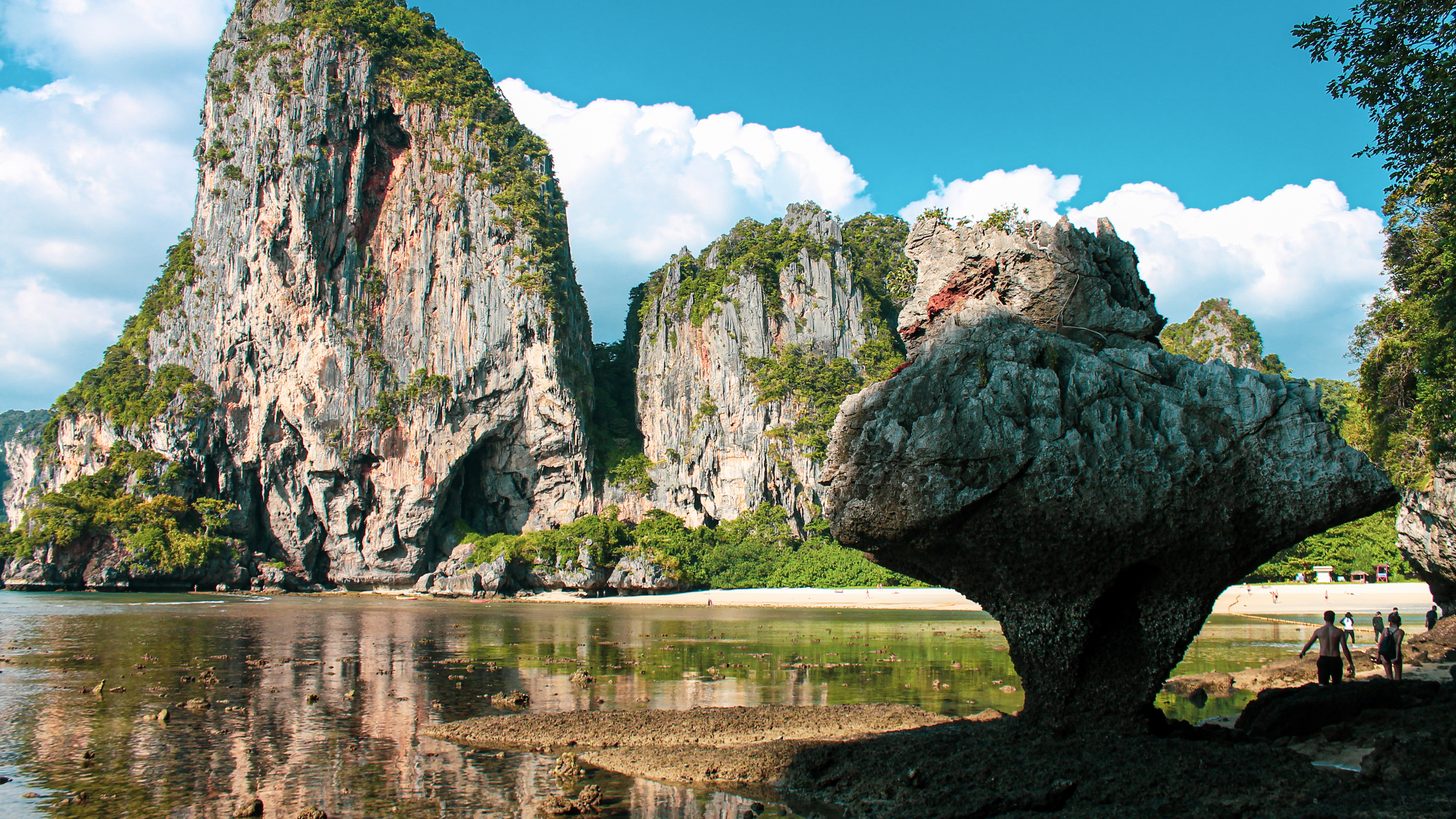
The Krabi Prototype is the Tourism Authority of Thailand's flagship model for regenerative tourism — a province run on the "Blue Zones" idea of health, wellbeing and environmental balance — and in its June 2026 tourism update TAT said Krabi would lead 2026–27 with ten certified "Travel with Care" routes showcased in international markets. Underneath the routes sit the things an agent can actually contract: STAR-certified operators, carbon-footprint-tracked hotels, community mangrove tours at Ban Thung Yee Peng and marine conservation activities around Ko Ngai. For agencies whose clients or corporate buyers now ask for certified low-impact product, Krabi is the Thai destination where the paperwork already exists.
Explera DMC Thailand runs a Krabi desk alongside its Phuket and Andaman operations — IATA TIDS 96215733, 340+ agency partners, trade desk on b2b@explera.co.th — and this guide sets out what the Prototype is, what the certifications mean, and what to ask before you promise a client a "certified route".
What the Krabi Prototype is
TAT chose Krabi as its pilot for sustainable tourism and has built the Prototype up in stages: a Green Guide Fest in the province in May 2025, a showcase at the Global Meaningful Travel Summit that Thailand hosted in September 2025, and a place in the "Amazing Green Experience" programme TAT took to international markets in May 2026. The concept it borrows — "Blue Zones", the idea of places where people live longer and better — is used here as a design principle for how tourism should behave, not as an external certification. What TAT can point to is the tally underneath: by its own count, 16 award-winning operators under the Thailand Tourism Awards, 119 STAR-certified businesses and 65 CF-Hotels in the province. Those are TAT's figures from its 2025–26 releases; treat them as the scale of the programme rather than a live register.
The ten certified routes are the sales layer on top. TAT's June 2026 update at Thailand Travel Mart Plus described them as curated "Travel with Care" itineraries through eco-certified businesses and community activities, to be showcased internationally through the coming season. TAT has not published a public list of the ten with dates attached, and this post does not invent one; the components below are the ones TAT has named in its own material.
The components agents can actually book
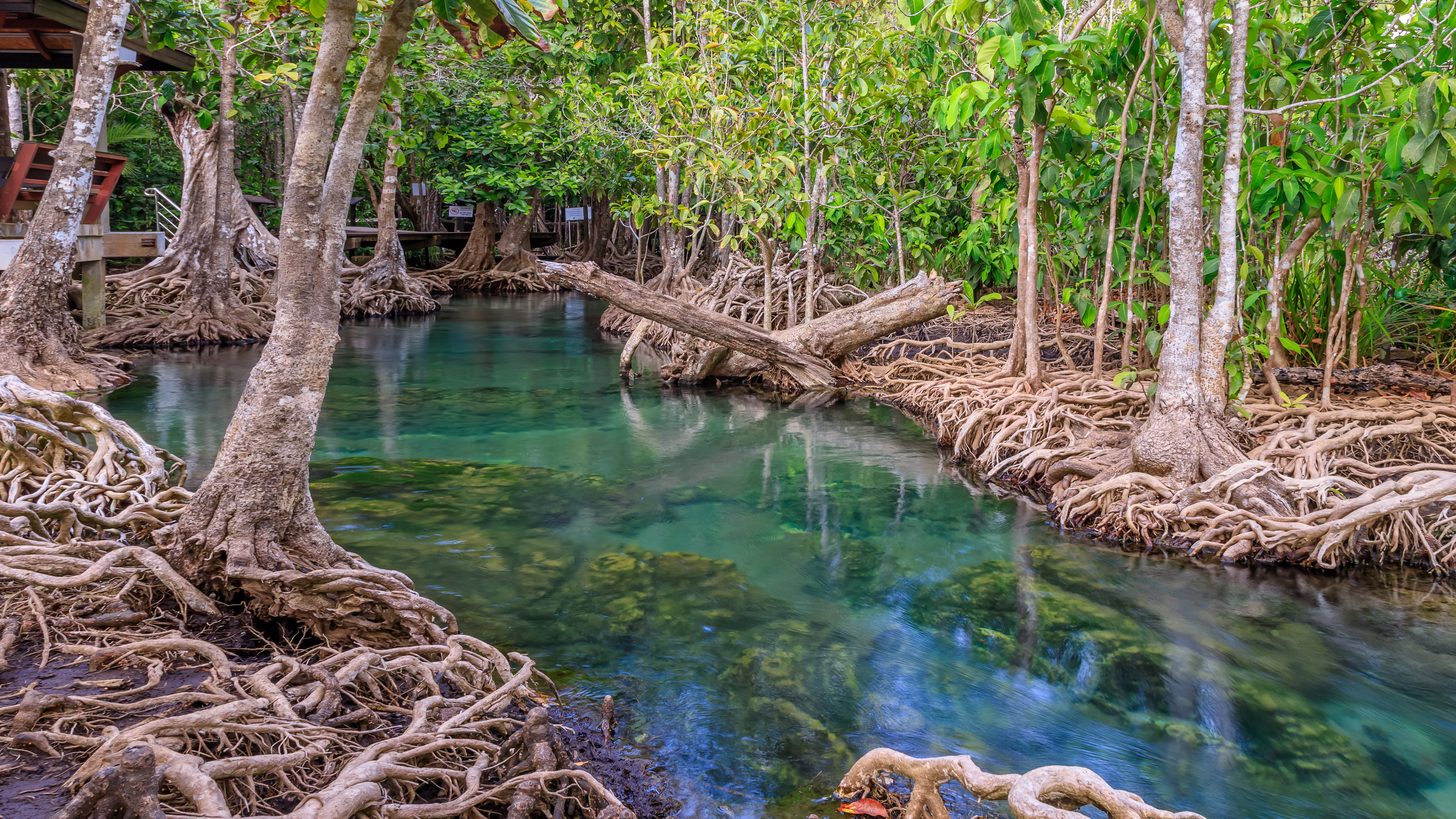
- Community mangrove tours at Ban Thung Yee Peng on Koh Lanta — a long-established community enterprise, boat-based, with the income staying in the village. TAT cites it as the model low-carbon community product in the province.
- Marine conservation activities around Ko Ngai, the small island south of Lanta that sits inside Hat Chao Mai national park's orbit: reef and seagrass work, framed as participation rather than sightseeing.
- Tha Pom Klong Song Nam, the "two-water" mangrove and freshwater canal system north of Krabi town, walked on boardwalks — the province's most photographed low-impact half-day.
- Ao Thalane kayaking through the mangrove channels, the standard non-motorised alternative to the four-island speedboat day.
- STAR-certified hotels and operators, and the 65 properties on the CF-Hotels carbon-footprint platform, which can be requested by name in a quote — the practical test of whether a "certified route" is real.
The certifications, decoded
Three labels recur in TAT's Krabi material, and they mean different things:
- STAR is TAT's Sustainable Tourism Goals star rating for businesses, launched nationally and applied to hotels, operators and attractions. A STAR badge is a rating against TAT's own criteria; it is the most widely held of the three and the one to ask for first.
- CF-Hotels is a carbon-footprint platform on which hotels measure and report their emissions, with reductions through clean energy, solar, plastic reduction and local sourcing. For an incentive buyer with ESG reporting, a CF-Hotel is the property that can supply a number.
- Thailand Tourism Awards are TAT's biennial industry awards, which now carry a "Green Kinnaree" mark for sustainability. Sixteen Krabi operators hold awards; it is a quality signal rather than a sustainability audit.
Chiang Mai is being built into a second prototype on the same template — see our Chiang Mai green destination guide — and TAT's 2027 plan, with its 60:40 split toward emerging destinations, is designed to put co-marketing money behind both.
Who buys it, and how to sell it
- Northern and Western European leisure — German, Dutch, Nordic, Swiss and increasingly UK clients — who ask about certification before they ask about the pool. Krabi's answer is documented, which Phuket's mostly is not; our Krabi versus Phuket guide covers the trade-offs.
- Incentive and corporate groups with ESG reporting, for whom a CF-Hotel and a community activity with a named beneficiary are line items in a report. Our MICE desk builds these with the reporting in mind.
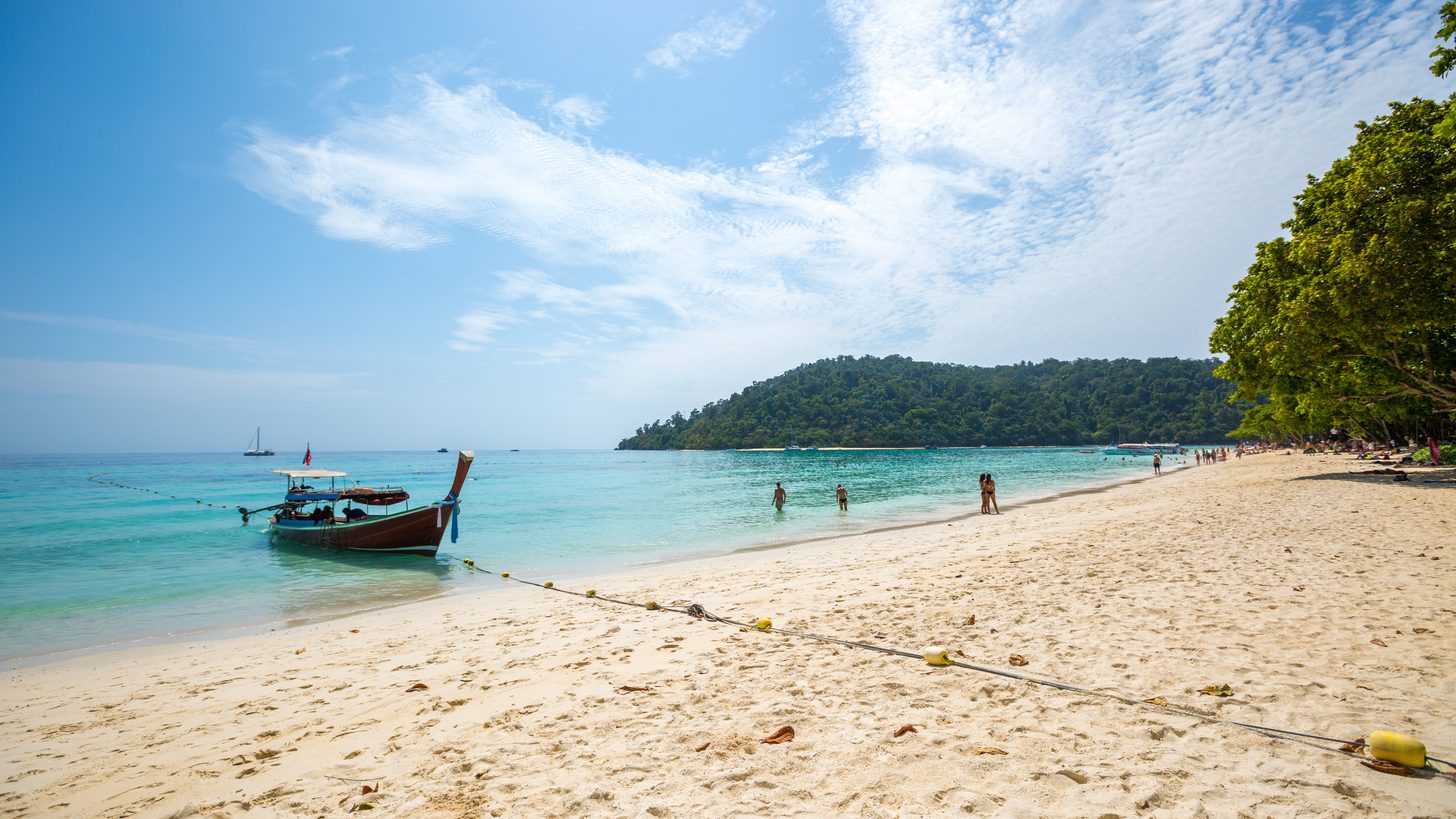
- Family and multi-generational trips, where kayaking and boardwalks travel better than a full-day speedboat, and where "your money stayed in the village" is a story the client tells at home.
Sell it as Krabi first and certified second. The limestone, the Railay peninsula and the four-island day are still the reason the client chooses the province; the Prototype is the reason the itinerary holds up when someone asks how it was done. Pair it with Koh Lanta or Trang for a hub-plus-one shape that fits TAT's 2027 direction.
What to check before promising a "certified route"
- Ask the ground partner to name the certified operator for each component. A route is only as certified as its weakest supplier; "STAR-certified where available" is not a promise a client can hold.
- Distinguish the concept from the credential. "Blue Zones" is a design idea; STAR and CF-Hotels are the credentials. Client-facing copy should say which is which.
- Get the carbon number in writing for MICE. CF-Hotels can supply it; a general "eco-resort" cannot. If the report needs a figure, contract only properties that report one.
- Check the season. Several Andaman marine parks close from mid-May to mid-October and the west-coast sea state is monsoon for most of that window; a Ko Ngai conservation activity in July is not the same product as one in December. The routes are a high-season product.
- Keep the community operators in the itinerary at the price the community charges. The point of the model is that the income stays local; a route rebuilt around a resort's own excursion desk is not the Prototype, whatever the brochure says.
How a Thailand DMC builds it
We contract the community enterprises, the STAR operators and the CF-Hotels directly and can name each one in the quote, which is the test above. The rest of our Thailand DMC services for travel agents — tours and activities, boat charters where a private longtail suits the group, transfers from Krabi and Phuket airports, licensed guides who know the mangrove routes — is contracted on the same net basis. Send the trade desk your dates, group size and whether the buyer needs a carbon figure, and a client-ready Krabi programme comes back with the certified components identified line by line.
Frequently asked questions
Is the Krabi Prototype a certification a hotel can hold?
No. The Prototype is TAT's destination-level programme and "Blue Zones" is its guiding concept. The credentials a hotel or operator holds are STAR, CF-Hotels and the Thailand Tourism Awards; ask for those by name.
Where can I see the ten "Travel with Care" routes?
TAT described them in its June 2026 tourism update at Thailand Travel Mart Plus and is showcasing them in international markets through the season, but has not published a dated public list. Ask a Thailand DMC to build the route from named certified components rather than waiting for a brochure.
Which clients does this suit best?
Northern and Western European leisure clients who ask about certification, incentive groups with ESG reporting, and families who prefer kayaks and boardwalks to a full-day speedboat. It is a high-season product, November to April.
Does choosing certified product cost more?
It changes the mix rather than the tier. Community tours and kayaking replace speedboat days; a CF-Hotel replaces an uncertified one in the same category. Ask the trade desk for a like-for-like comparison for your dates.
How does this connect to TAT's 2027 plan?
Directly. The 2027 "Year of Transformation" plan splits promotion 60:40 between major and emerging destinations and funds sustainable product under its Life Economy pillar; Krabi and Chiang Mai are the two prototypes that money is most likely to reach first.