
Arsenic in raw river water in northern Chiang Rai has disrupted the water supply to 14 villages and set off online claims that the province's tap water is unsafe. Retests of the treated municipal supply, reported in mid-November 2026, came back within the drinking-water standard. Explera DMC Thailand sets out what has been reported, what it means for clients and groups, and what is still open.
Explera handles ground arrangements as a Thailand DMC for travel agents. Its Thai company, Explera DMC Co., Ltd., holds TAT licence 14/05119, the Tourism Business Licence issued by the Department of Tourism, and the group is IATA TIDS-registered (96215733) and a member of ASTA (900408341). Write to b2b@explera.co.th.
What has been reported?
The Nation reported in November 2026 that arsenic and very high turbidity in the Sai River, a tributary of the Mekong that forms the border at Mae Sai, had contaminated the raw water source for 14 villages in Mae Sai district. The Provincial Waterworks Authority (PWA) reduced the tap water supply there, and The Nation reported it partly restored to about 80 per cent. Reports put the arsenic in the untreated river water at 25 to 30 times the limit for drinking water, and link the pollution to mining upstream in Myanmar.
Al Jazeera reported on 18 November that Prime Minister Anutin Charnvirakul had ordered government agencies to find alternative water sources and to monitor tap water quality in Chiang Rai closely. Social media posts then claimed that tap water across the province was contaminated; local reporting says those posts mixed up raw river water, shallow village wells and the treated municipal supply.
Is the tap water safe for clients?
According to local reports of the PWA's retests, treated tap water sampled on 18 November at five stations in the province, including Chiang Rai city and Mae Sai, showed arsenic below the standard of 0.01 milligrams per litre. Those results cover the PWA's monitored supply; they do not cover every private well or every hotel's own water system. Our advice to clients is the same as anywhere in Thailand: drink bottled water.
For any activity on the Kok, Sai or Mekong rivers, such as a long-tail boat trip, ask us to check the latest official advice before you confirm it. Thai authorities have been monitoring arsenic in these rivers since 2025.
What does it mean for hotels and groups?
The effect on bookings so far is uneven. Reports quote the Chiang Rai Hotel Association as saying smaller properties have seen around 1 to 2 per cent of bookings cancelled, while a local tourism council leader warned that 50 to 70 per cent of seminar bookings at large hotels were at risk. The second figure is a risk estimate, not confirmed cancellations. If a client asks, your Thailand DMC can give you the latest official readings to pass on, and our hotel booking team can ask a property how it treats and tests its water.
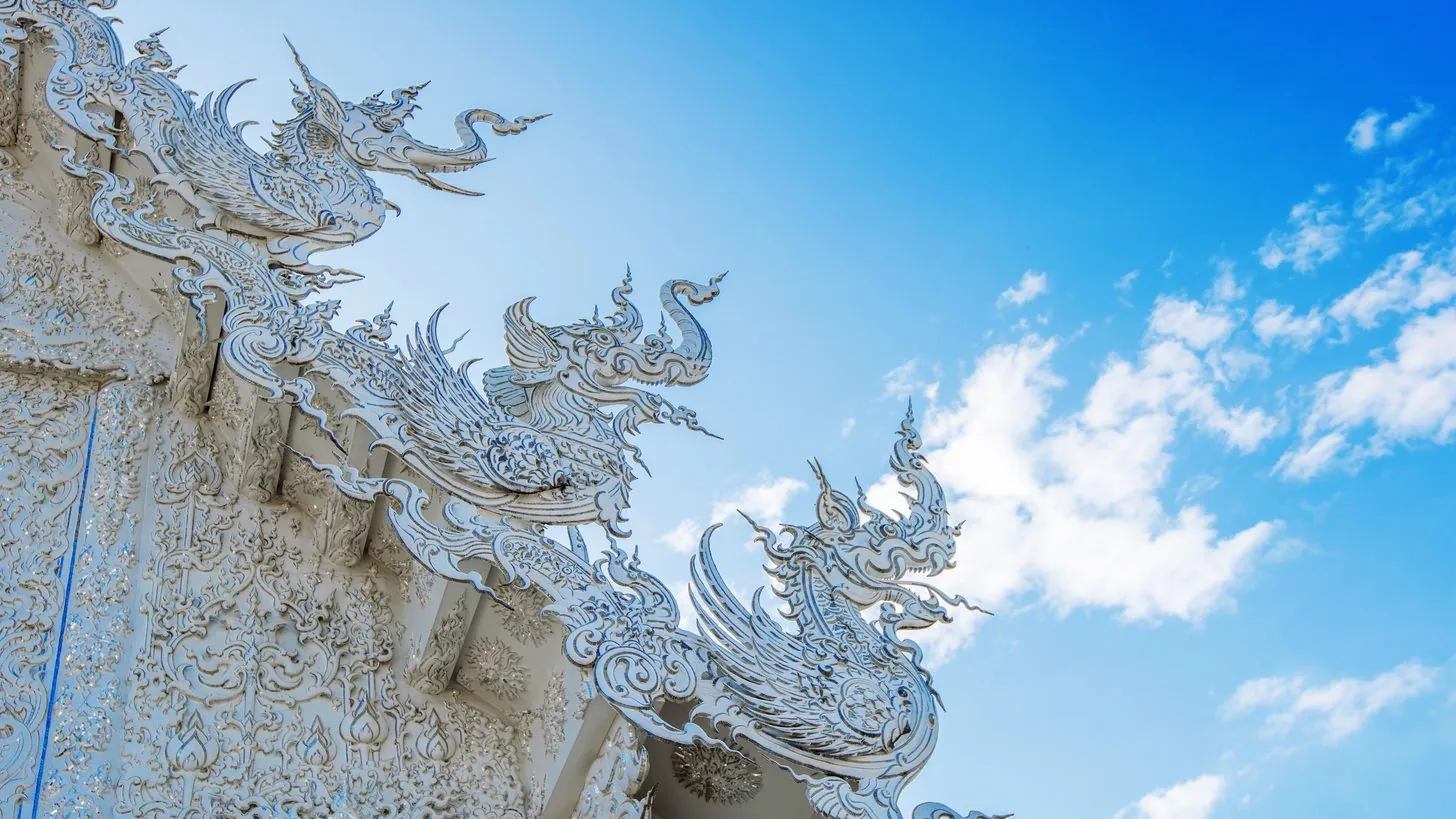
For meetings and incentive groups the questions are practical: which water is served in meeting rooms and at meals, and whether the venue has its own test results. Raise them with the venue early rather than at the site inspection. Our Thailand DMC MICE services handle venue questions like these, and our Chiang Rai guide covers the rest of the province, from the White Temple to the Golden Triangle.
Next steps
Send your dates, group size and any client questions through our contact page. The trade desk replies within 24 hours, and your Thailand DMC will check the latest official advice for Chiang Rai before your group travels. Everything else we arrange is on our services page.
Sources
- The Nation: Chiang Rai hotels hit by water contamination fears despite safe tap water test results
- The Nation: Arsenic contamination disrupts water supply to Chiang Rai villages
- Al Jazeera: Myanmar-linked arsenic pollution prompts clean water scramble in Thailand
Frequently asked questions
Is tap water in Chiang Rai safe to drink?
Local reports of retests on 18 November put arsenic in the treated municipal supply below the standard of 0.01 milligrams per litre. Clients should still drink bottled water, as anywhere in Thailand.
Where was the arsenic found?
In raw water from the Sai River near Mae Sai, the source for 14 villages in Mae Sai district. Reports put it at 25 to 30 times the drinking-water limit before treatment.
Should clients cancel a trip to Chiang Rai?
The reports describe a water-supply problem near Mae Sai, not a travel restriction. Check the latest official advice before you confirm river activities in the north of the province.
Are hotel bookings in Chiang Rai being cancelled?
Reports describe around 1 to 2 per cent of bookings cancelled at smaller properties and a larger risk to seminar bookings at big hotels; that second figure is an estimate, not confirmed cancellations.