
The ice is not the problem, and telling a client to avoid it wastes the one warning they will actually remember on something that is fine. Thailand's commercial ice is industrially produced from treated water, and the tubular cubes with a hole through the middle are among the safest things a visitor will consume all week. The real risks sit somewhere else entirely. This guide from a Thailand DMC for travel agents separates the myths from the mechanisms, so the briefing you send is short, accurate and worth reading.
Explera is an IATA TIDS-registered ground handler (96215733) trusted by 340+ agency partners, with in-house transport, licensed guides and 24/7 support. Reach the trade desk at b2b@explera.co.th.
The three myths worth retiring
- "Don't touch the ice." Commercial ice in Thailand is manufactured under food regulation and delivered to restaurants, bars and hotels as a supplied product. The cylindrical cubes with the hollow centre are the standard commercial form and are the ones a client will meet almost everywhere. Crushed or irregular ice at a very informal stall is a fair thing to be more careful about, but a blanket ice ban is advice that costs a client comfort in the heat for no benefit.
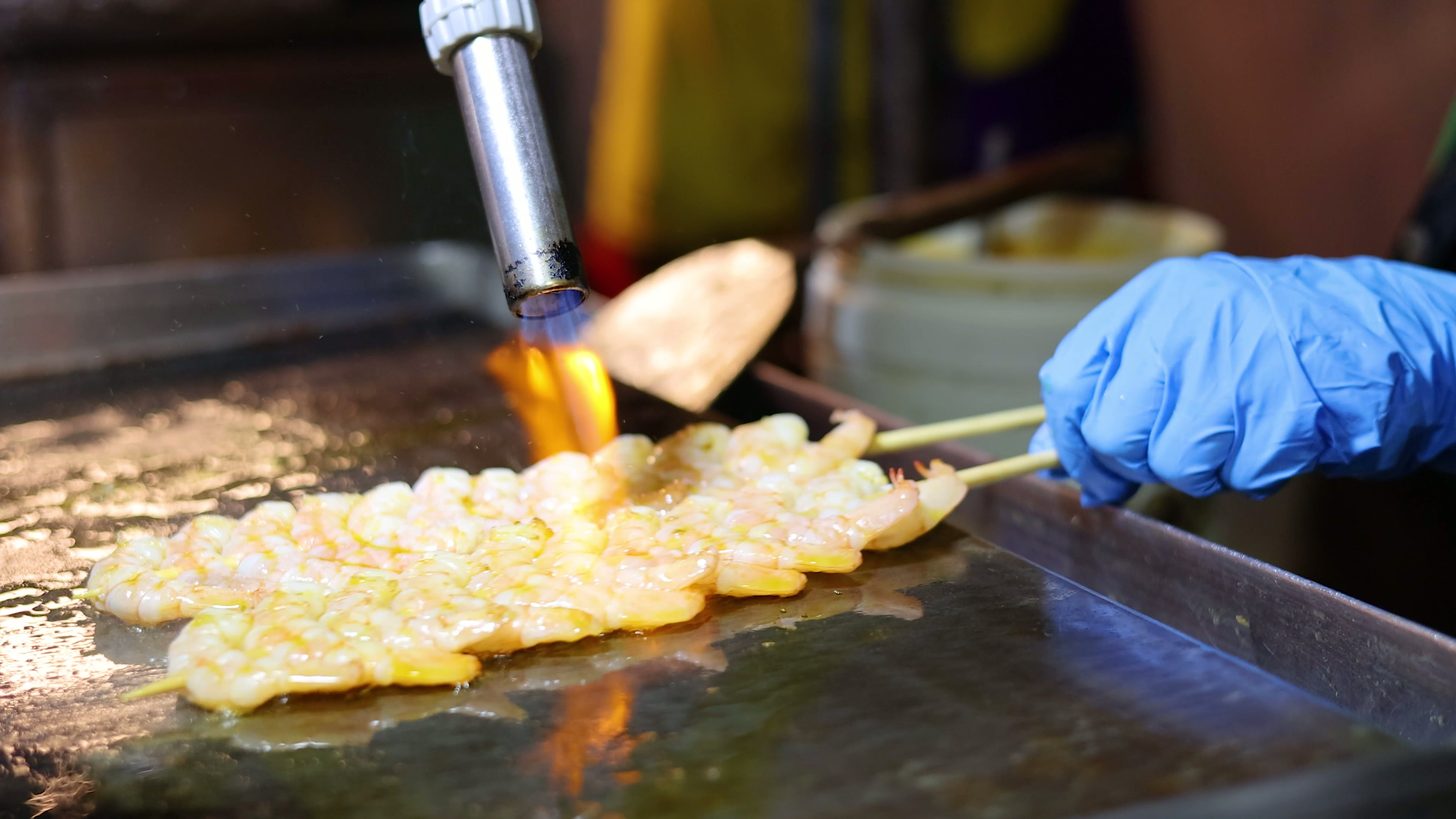
- "Street food is dangerous." Street food is a category, not a risk level. A stall selling one dish to a constant queue, cooked to order in front of the customer, is frequently safer than a lukewarm hotel buffet that has been sitting under a lamp. Turnover and cooking are the variables that matter, not whether there are walls.
- "It's the spice." A first-time visitor's stomach is usually reacting to an unfamiliar bacterial load, dehydration, disrupted sleep and a sudden change of diet — not chilli. Telling a client to order everything mild changes nothing about their risk and removes most of the reason they came.
Retiring these matters because a client who is given three wrong warnings stops listening to the right one.
Water: what it is safe for, and what it is not
Thailand's mains water is treated and is not intended as drinking water for visitors. The practical distinction to give a client is by use rather than by fear:
- Drink bottled or filtered water. It is universally available, hotels supply it, and there is no situation in a normal itinerary where a client needs to drink from a tap.
- Brushing teeth and showering are not a problem in hotels and established accommodation. Clients routinely ask this and the over-cautious answer produces a week of unnecessary anxiety.
- Filtered water stations in better hotels and some resorts are a genuine improvement on single-use bottles, and a client can be told to use them with confidence.
- Remote and island stays vary. On a small island or a rural property, water supply and treatment are more variable, and bottled water becomes the answer for anything consumed.
What actually carries the risk
If a client is going to have a bad twenty-four hours, these are the usual routes to it:
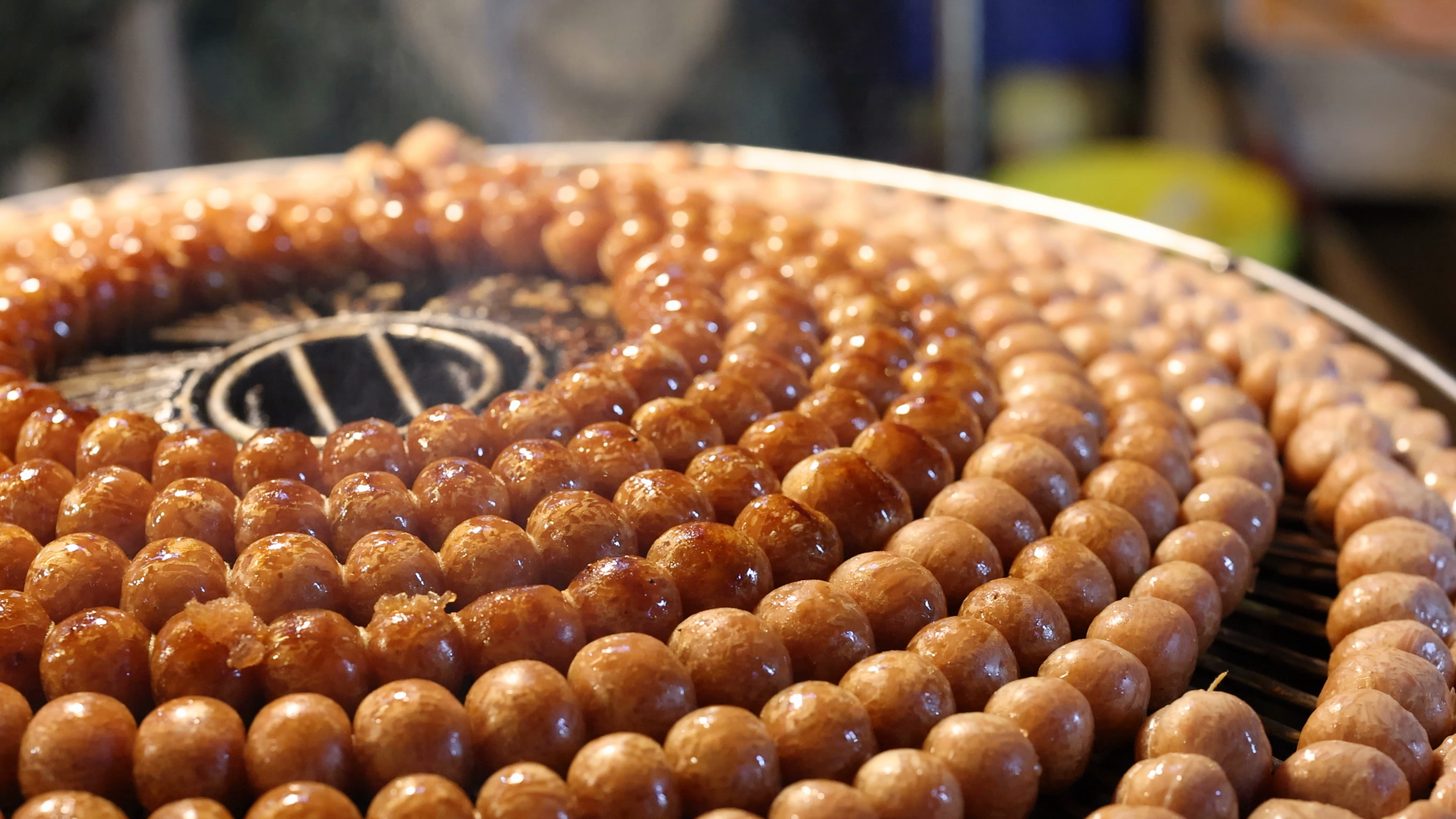
- Food held warm rather than cooked hot. Buffets, pre-plated displays and anything sitting in a tray. The risk is temperature and time, and it is as present in a hotel as on a street.
- Raw and lightly-dressed seafood. Raw shrimp salads, raw crab in som tam variants, and shellfish generally. Delicious, genuinely riskier, and the single item most worth naming in a briefing — particularly for anyone pregnant, elderly, immunocompromised or on a short trip that cannot absorb two lost days.
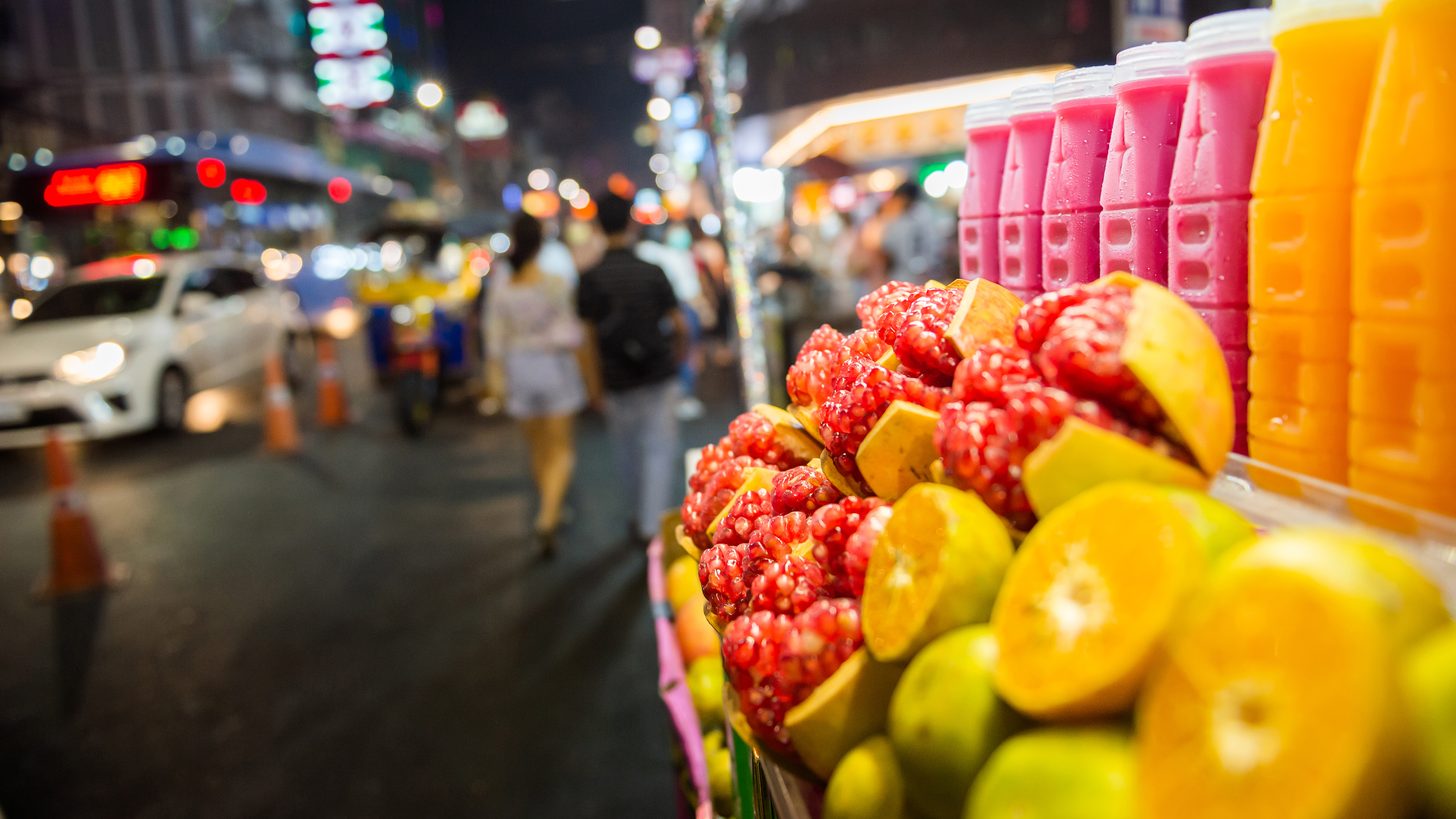
- Pre-cut fruit that has been standing. Fruit cut in front of the client is fine. Fruit that has been sitting cut in a tray in the heat is a different proposition.
- Unwashed hands, not unwashed food. The most under-rated transmission route on any trip. Hand gel in the day bag does more good than any dietary restriction.
- Dehydration. Not an infection at all, but it produces symptoms clients read as food poisoning, and it is entirely preventable. A client arriving from a temperate climate consistently under-drinks in their first two days.
- Alcohol on day one. Long-haul arrival, heat, unfamiliar food and a heavy first night is a combination that gets blamed on lunch.
The briefing that actually works
Five lines. Positive where possible, because a client who reads a list of prohibitions eats at the hotel all week and comes home disappointed:
- Drink bottled or filtered water. Ice in restaurants, bars and hotels is fine.
- Eat where it is busy and cooked in front of you. That is usually the best food anyway.
- Be careful with raw seafood and with anything that has been sitting warm.
- Carry hand gel and use it before you eat. This matters more than what you order.
- Drink far more water than feels necessary for the first two days.
Add one line for the clients who need it: anyone pregnant, elderly, immunosuppressed or on a very short trip should skip raw seafood entirely. That is a targeted instruction rather than a general scare, and targeted instructions get followed.
When it goes wrong anyway
Most cases are ordinary, self-limiting and resolve in a day or two with rehydration and rest. A Thai pharmacy is the right first stop and can assess a traveller at the counter without an appointment — our guide to pharmacies and mid-trip illness covers what they can and cannot do.
What turns an ordinary case into a serious one is dehydration, especially in heat and especially in children and older travellers. Oral rehydration salts are cheap, sold everywhere, and worth naming specifically in a briefing because clients reach for water alone and it is not enough.
Escalate rather than wait when there is blood, a high fever that will not settle, an inability to keep fluids down, or symptoms in a client who is already unwell for other reasons. Thailand's private hospitals handle this constantly and quickly, and the mistake is almost always waiting too long out of a wish not to spoil the holiday. Note also that a fever with body aches in the rainy season is not automatically something they ate — see our dengue and mosquito briefing for the signs that point elsewhere.
Groups, set menus and where an operator earns its place
For a group, food safety stops being a briefing and becomes a procurement decision. Where the group eats is chosen by somebody, and that somebody is either the operator or nobody. The things that matter on a group file:
- Restaurants used repeatedly by an operator have a track record the operator can see and a client cannot.
- Set menus for groups should be cooked to order rather than pre-plated and held, and that is a specification you can ask for.
- Long touring days need a planned meal stop rather than an improvised one at the point of hunger.
- Anyone with an allergy or a restricted diet needs the written, in-Thai communication our allergies and restricted diets guide sets out — a separate problem from hygiene, and a more dangerous one.
What the ground partner carries here
The track record. Which restaurants a group can be sent to repeatedly without incident, which street food areas are worth a guided evening and which are a coach park with a queue, which hotel actually runs its buffet properly, and where the nearest pharmacy and hospital sit relative to tonight's stop. None of that is published, and all of it is why Thailand DMC services for travel agents exist — with restaurant and banquet handling for group meals, tours and activities including the food-led evenings clients actually want, and licensed guides who can order for a table that cannot read the menu.
It also means being told plainly that the ice is fine, because a Thailand DMC that repeats a client myth back to you is not adding information. See Bangkok for the country's densest food scene and Chiang Mai for its most distinct regional one, and how we work with agents in your source market on first-time client briefings.
Frequently asked questions
Is the ice safe in Thailand?
In restaurants, bars and hotels, generally yes. Commercial ice is industrially produced from treated water under food regulation and delivered as a supplied product — the tubular cubes with a hole through the middle are the standard commercial form. A blanket ice ban is one of the least useful pieces of advice a client can be given, because it costs them comfort in real heat and addresses a risk that is mostly not there.
Can clients drink the tap water?
No — bottled or filtered water is the norm for drinking, and it is available everywhere. But the distinction worth briefing is by use: brushing teeth and showering with tap water in hotels and established accommodation is not a problem, and telling clients otherwise creates a week of unnecessary anxiety. On small islands and rural properties, treat anything consumed as bottled-only.
Is street food safe for tourists?
Street food is a category rather than a risk level. A stall with constant turnover cooking one dish to order in front of the customer is frequently safer than a lukewarm buffet. The variables that matter are how fast the food moves and whether it is cooked hot on the spot — not whether the kitchen has walls.
What should clients actually avoid?
Food held warm rather than cooked hot, raw and lightly-dressed seafood, and pre-cut fruit that has been standing in the heat. Unwashed hands cause more trouble than unwashed food, so hand gel before eating does more good than any dietary restriction. Dehydration produces symptoms clients mistake for food poisoning and is entirely preventable.
What should a client do if they get ill?
Rehydrate and rest — most cases are self-limiting. A Thai pharmacy is the right first stop and can assess a traveller at the counter with no appointment. Oral rehydration salts are worth naming specifically, because clients reach for plain water and it is not enough. Escalate to a hospital for blood, a persistent high fever, an inability to keep fluids down, or symptoms in someone already unwell.
How should a group programme handle this?
As a procurement decision rather than a briefing. Restaurants used repeatedly by an operator have a track record the client cannot see, group set menus should be specified as cooked to order rather than pre-plated and held, and long touring days need a planned meal stop. Send us your group's routing at b2b@explera.co.th and we will build the meal stops into it.
Briefing first-time clients on Thailand? Talk to our trade desk and we will give you the version that is accurate rather than the version that is merely cautious.