


Thailand's government has moved to prop up the coming high season on both sides of the demand ledger at once — and inbound agents should read it as a capacity signal, not a subsidy story. At a meeting with the Tourism Authority of Thailand's board on 27 July 2026, the Minister of Tourism and Sports announced three projects for the high season: a domestic co-pay travel scheme, a discounted domestic airfare programme with six Thai carriers, and an international airlift-support programme working with airlines on frequency and seats. The schemes still await final approval, so nothing here is bookable yet — but the direction matters now, while agents are quoting the very window the schemes target. This briefing from a Thailand DMC for travel agents explains what was announced, what is confirmed versus pending, and how it changes inbound planning.
Explera is an IATA TIDS-registered ground handler trusted by 340+ agency partners, with in-house transport, licensed guides, 24/7 support and IATA TIDS registration (96215733). Reach the trade desk at b2b@explera.co.th.
What was announced on 27 July
Three named projects. "Thai Teaw Thai Plus" is a co-payment scheme to stimulate domestic travel, aimed at supporting tourism operators and spreading income across the regions. "Fly Thai" pairs with six domestic airlines to offer discounted domestic fares for Thai citizens, softening travel costs while fuel prices stay volatile. "Thailand Air Connect" is the internationally-facing one: working with airlines and marketing partners to hold flight stability and grow frequency and seat availability into Thailand, across both charter and scheduled services. Reporting since the announcement indicates the schemes are awaiting final approval — treat every element as announced policy, not a live programme, until it is formally confirmed.
The one that matters most to inbound files: Air Connect
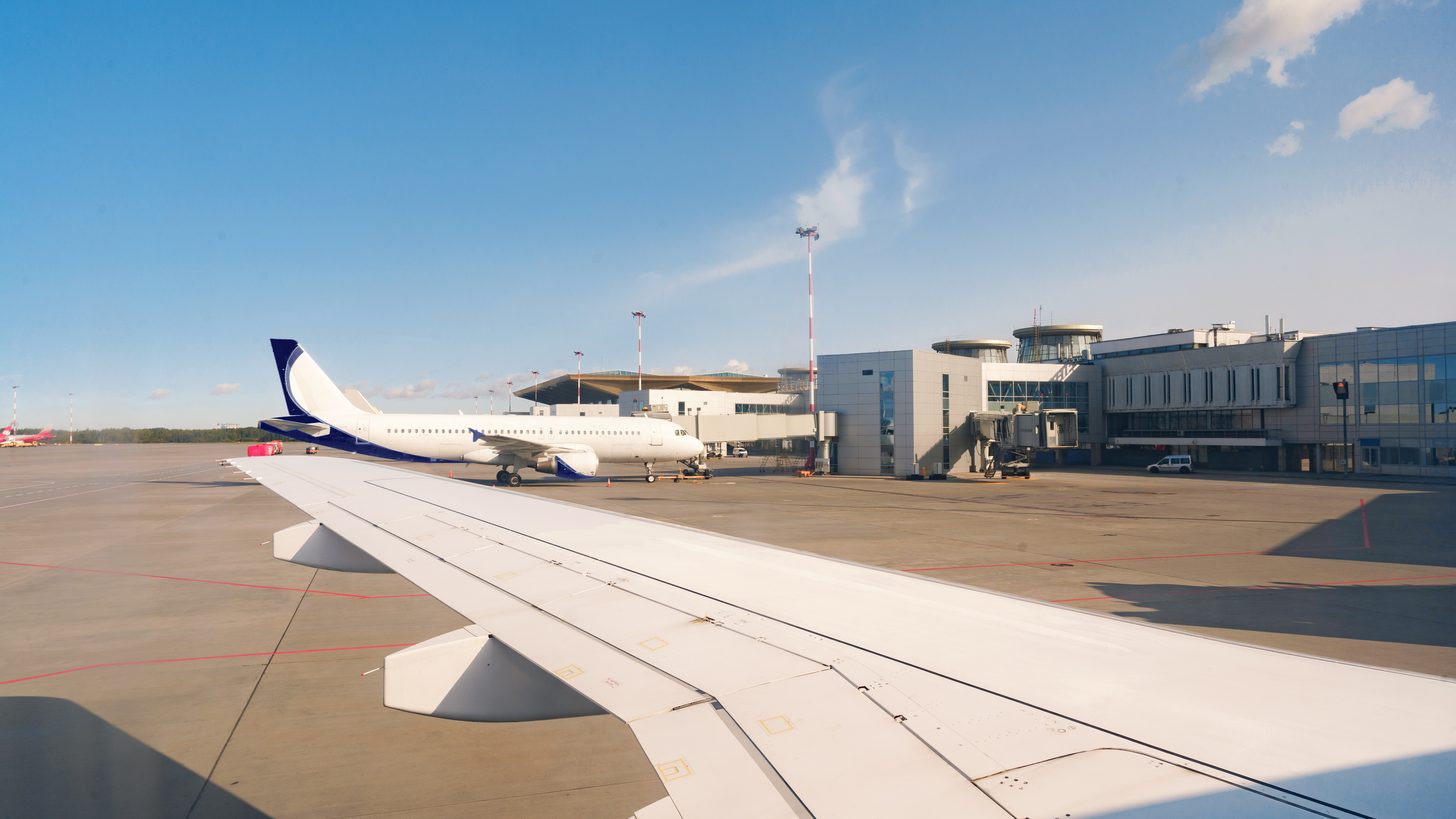
For agents outside Thailand, Air Connect is the headline. A programme explicitly designed to sustain and expand international frequency and seats — including charter support — lands squarely on the markets we covered in our Europe nonstops briefing and our emerging source markets guide: charter-driven Central and Eastern European programmes, new scheduled routes finding their feet, and winter capacity generally. If the scheme is approved, routes that might have been marginal for a carrier become likelier to run and likelier to hold their schedule — which lowers the risk of planning itineraries around newer nonstops. Watch for the approval, then re-read the airlift map.
The domestic schemes change your internal-flight maths
Thai Teaw Thai Plus and Fly Thai are aimed at Thai travellers, but their side-effects land on inbound itineraries. Subsidised domestic demand arrives in the same seats, hotels and long weekends your clients use: internal flights to Chiang Mai, Phuket and Krabi, provincial hotels in exactly the secondary cities the quality-tourism push is promoting, and holiday-weekend transport. The practical read is that internal legs and provincial rooms should be committed earlier than usual for the coming high season, because a successful domestic stimulus is, from an inbound planner's seat, extra competition booked with someone else's discount. Our lead-times playbook covers which products run out first.
How a Thailand DMC positions you for it
Policy support raises the tide; the ground still decides who sails. The winning move is unchanged but more urgent: lock the scarce pieces before the stimulus and the new airlift land in the same November–February window. That is what Thailand DMC services for travel agents are for — hotel contracting in the provincial cities domestic demand will crowd, in-house transport that does not depend on peak-week spot capacity, and tours and activities reserved ahead of the wave. We track the approval status of schemes like these so our partner agencies do not have to — the source-markets guidance and the trade desk carry the current picture.
The three schemes at a glance
| Scheme | Who it targets | What it means for inbound agents |
|---|---|---|
| Thai Teaw Thai Plus | Thai travellers, via co-payment | More domestic demand in provincial hotels and long weekends |
| Fly Thai | Thai citizens, six domestic carriers | Internal-flight seats face subsidised competition — book legs early |
| Thailand Air Connect | International airlines and charters | Newer routes likelier to run and hold schedule if approved |
| All three | The high-season window | Demand and capacity both rise into the same peak months |
| Status | Announced 27 July 2026 | Awaiting final approval — plan around it, do not promise it |
Selling notes for the trade
- Treat it as a capacity signal — the inbound story is Air Connect's support for frequency and seats, not the domestic discounts.
- Commit internal legs earlier — a successful domestic stimulus is extra competition for the same peak-season flights and rooms.
- Do not sell pending policy — the schemes await approval; quote what is confirmed and diarise the rest.
- Re-check marginal routes after approval — airlift support changes which newer nonstops are safe to plan around.
- Watch the provincial cities — stimulus plus the quality-tourism push both point demand at the second-tier destinations.
Frequently asked questions
Are the three schemes live now?
No. They were announced at the Minister's meeting with the TAT board on 27 July 2026 and reporting indicates they await final approval. Until that lands, treat them as direction rather than programme — plan around the intent, but do not build a client promise on any element of them.
Do the domestic discounts apply to foreign visitors?
As announced, no — the co-pay scheme and the discounted domestic fares are aimed at Thai citizens and the domestic market. The inbound relevance is indirect: stimulated domestic demand competes for the same internal flights, provincial hotels and holiday weekends your clients use.
What is Thailand Air Connect meant to do?
Work with airlines and marketing partners to keep international flight schedules stable and grow frequency and seat availability, across charter and scheduled services. For agents it mainly de-risks newer and thinner routes — if approved, marginal services are likelier to operate and hold their timetable through the season.
Should we change bookings we have already made?
No — nothing announced removes or reprices anything already confirmed. The sensible adjustment is forward-looking: commit internal flights and provincial accommodation earlier for the coming peak, because both the stimulus and the new airlift point more demand into the same window.
How will we know when the schemes are approved?
Approval would come through the formal government process and be reported quickly by the Thai trade press. We track it as part of ground operations — send your high-season file to the Explera trade desk at b2b@explera.co.th and we will flag anything that changes the plan.
Quoting the 2026–27 peak? Talk to our trade desk and we will come back with the ground plan and a tailored quote.