


A new air corridor between Thailand and China opened on 3 September, agreed between the Thai, Chinese and Lao authorities — and it will not put a single bookable seat on your screen. This is what route L770 actually changes, and why it is worth knowing about anyway.
Explera DMC Thailand is the ground partner behind these files for agencies worldwide — IATA 96215733, 4,500+ agency partners, and a trade desk on b2b@explera.co.th that answers with what is operating rather than what was announced.
What actually opened
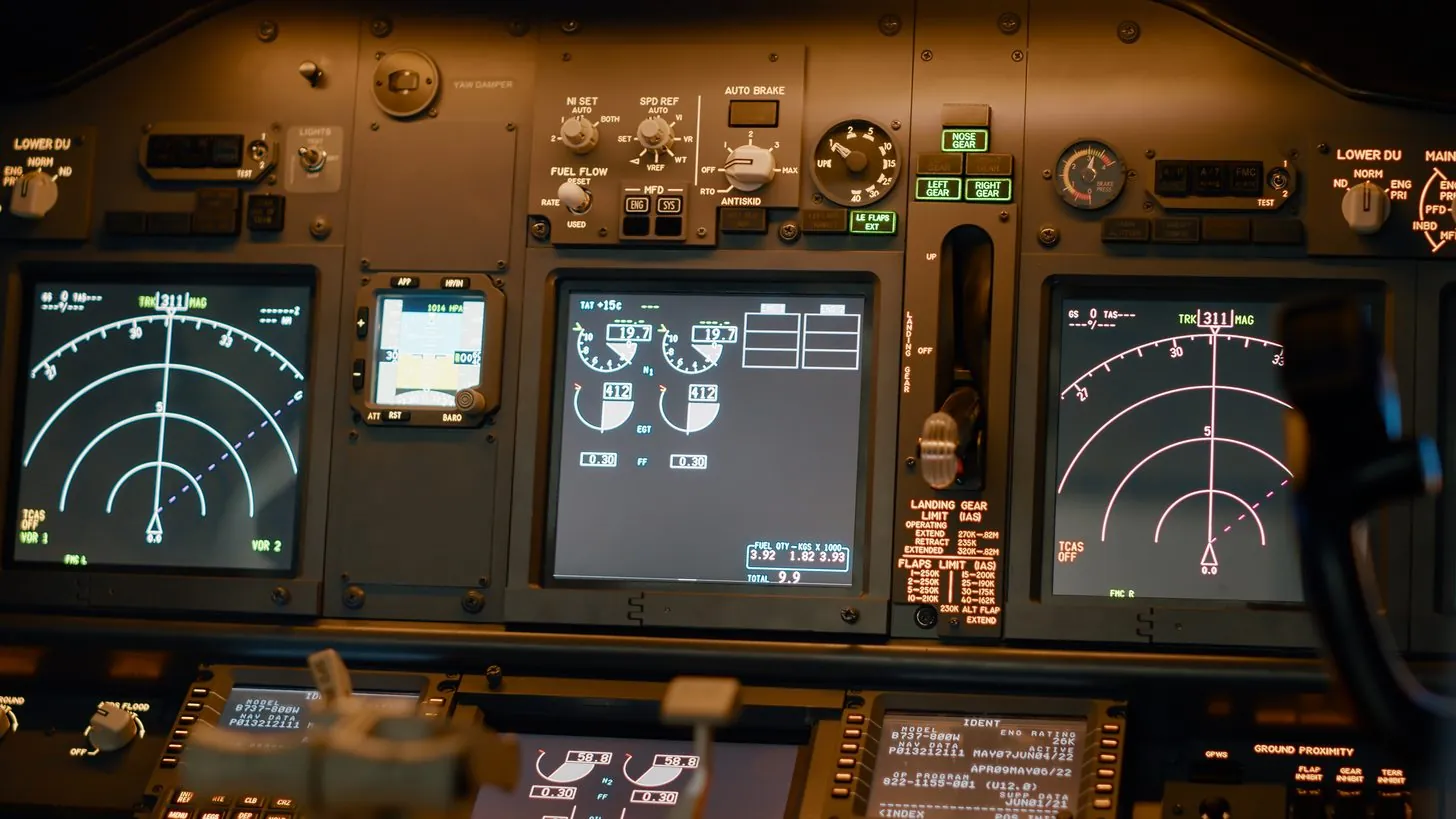
AEROTHAI, the country's air navigation service provider, brought route L770 (NAN–SAGAG) into use on 3 September 2026. It is a more direct path between Thai and Chinese airspace, made possible by cooperation between Thailand, China and Laos, and it is reported to shorten the flown distance on affected sectors by roughly 27 to 35 nautical miles.
That is an airway — a lane in the sky — not a service. Nobody sells a ticket on L770. Aircraft already flying between Thailand and China simply fly a straighter line, which the authorities expect to cut fuel burn and emissions, trim operating costs, and free up capacity in a corridor that is under real pressure: China accounts for the largest share of cumulative traffic to, from and over Thailand.
Why the headline misleads, and what to say instead
"New Thailand–China route opens 3 September" reads, to a client and to a junior consultant, like a flight. It is not, and the distinction is the same one that matters with a charter series or an airport certificate: infrastructure is an enabler with no date attached to anything sellable.
- Nothing on your current files changes. No schedule shifts today because of it, and no client can be moved onto anything new.
- Block times move by minutes, not hours. Twenty-seven to thirty-five nautical miles is a few minutes of cruise. It is real for an airline's cost base across a year of rotations; it is not something a client will notice, and it is not a reason to requote a connection.
- The capacity effect is the part that matters, and it is slow. A less congested corridor makes it easier for regulators to accommodate more frequencies later. Watch for the frequencies, not for the airway.
What it does signal
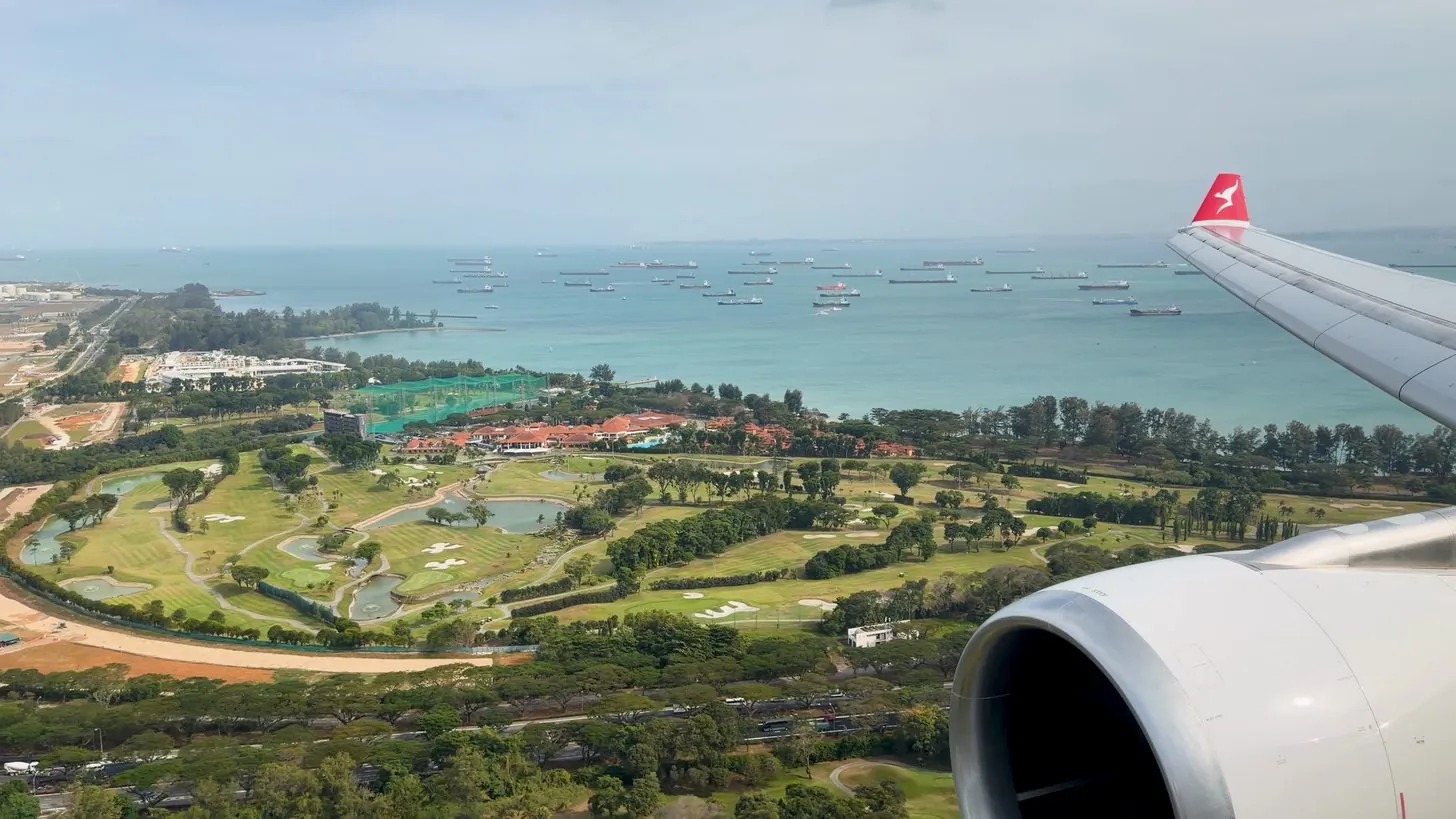
Read alongside the rest of the year, L770 is one more piece of a China-facing build-out rather than an isolated engineering note. Chinese carriers have been adding charter and scheduled capacity into Thai secondary gateways, the aviation authority has been clearing regional airports to international standard, and the tourism authority has been targeting Chinese source cities individually rather than treating the market as one block — covered in our China micro-regional strategy briefing and, on the airport side, in Udon Thani's aerodrome certificate.
For an inbound agent the practical read is about the shape of next season rather than this week. If Chinese arrivals into Thailand grow, they compete for the same hotel nights, guides and vehicles your clients need, and they concentrate on different dates — Chinese holiday periods, not European ones. That is a source-market planning question, and it is the reason to keep half an eye on plumbing stories like this one.
What to do with it
- Do not requote anything. There is nothing here to price against.
- Correct the misreading if a client raises it. If someone forwards you the headline expecting a new flight, the honest answer is that a corridor opened, not a service, and that new services would be announced separately by an airline.
- Watch for frequency filings on China–Thailand sectors this winter. Those are the announcements that change availability, and they are what this makes marginally easier.
- Plan around Chinese peak dates, not just European ones. Our short-haul routes briefing and the gateways and routing guide set out how the regional map fits together.
What the ground partner carries here
Aviation infrastructure stories are exactly the kind an agent should be able to ignore safely, and the only way to ignore something safely is to know it does not affect you. As a Thailand DMC we track what actually reaches the ground — which flights are operating, which are filed, which are still a memorandum between authorities — and we tell you which category a story sits in rather than forwarding it. That is ordinary Thailand DMC services for travel agents work, alongside the transfers and the guiding it protects; our Thailand DMC transport team quotes against the schedule that exists on your travel dates. Send the dates, pax and routing to the trade desk at b2b@explera.co.th, or reach us on WhatsApp at +66 93 656 8090, and our trade desk comes back with a client-ready answer.
Frequently asked questions
Can my client book a flight on the new route?
No. L770 is an airway — a path through controlled airspace — not a commercial service. Aircraft already operating between Thailand and China use it to fly a straighter line. Any new flight would be announced by an airline, with its own schedule, and would be a separate story.
Will flights to and from China get noticeably shorter?
Not to a passenger. The reported saving is roughly 27 to 35 nautical miles on affected sectors, which is a few minutes of cruise. It is meaningful to an airline across a year of rotations and to the fuel and emissions figures; it is not something to mention in a client brief or to build a connection around.
Does this change anything about connection times I have already quoted?
No. Quote against the published schedule for the client's own travel dates, exactly as before. If a carrier later retimes a service, that will show up as a schedule change from the airline, not as a consequence of the corridor.
Why should an agent selling Europe or the Gulf care at all?
Because capacity is shared on the ground even when it is not shared in the air. More Chinese arrivals compete for the same good hotels, the same experienced guides and the same vehicles, on dates set by Chinese holidays rather than European ones. Knowing that build-out is underway is what lets you book the scarce parts of a programme earlier.
Is there a date when this produces more flights?
No, and anyone offering one is guessing. The corridor makes additional frequencies easier to accommodate; it does not commit any airline to filing them. Treat future China capacity as something to confirm per season, not to assume.
Can Explera advise on Chinese-market pressure for my dates?
Yes — we hold the ground picture on which properties and which guides are under pressure in a given window, including from Chinese group and charter traffic. Send the dates, pax and regions to b2b@explera.co.th and we will tell you what to lock early.