

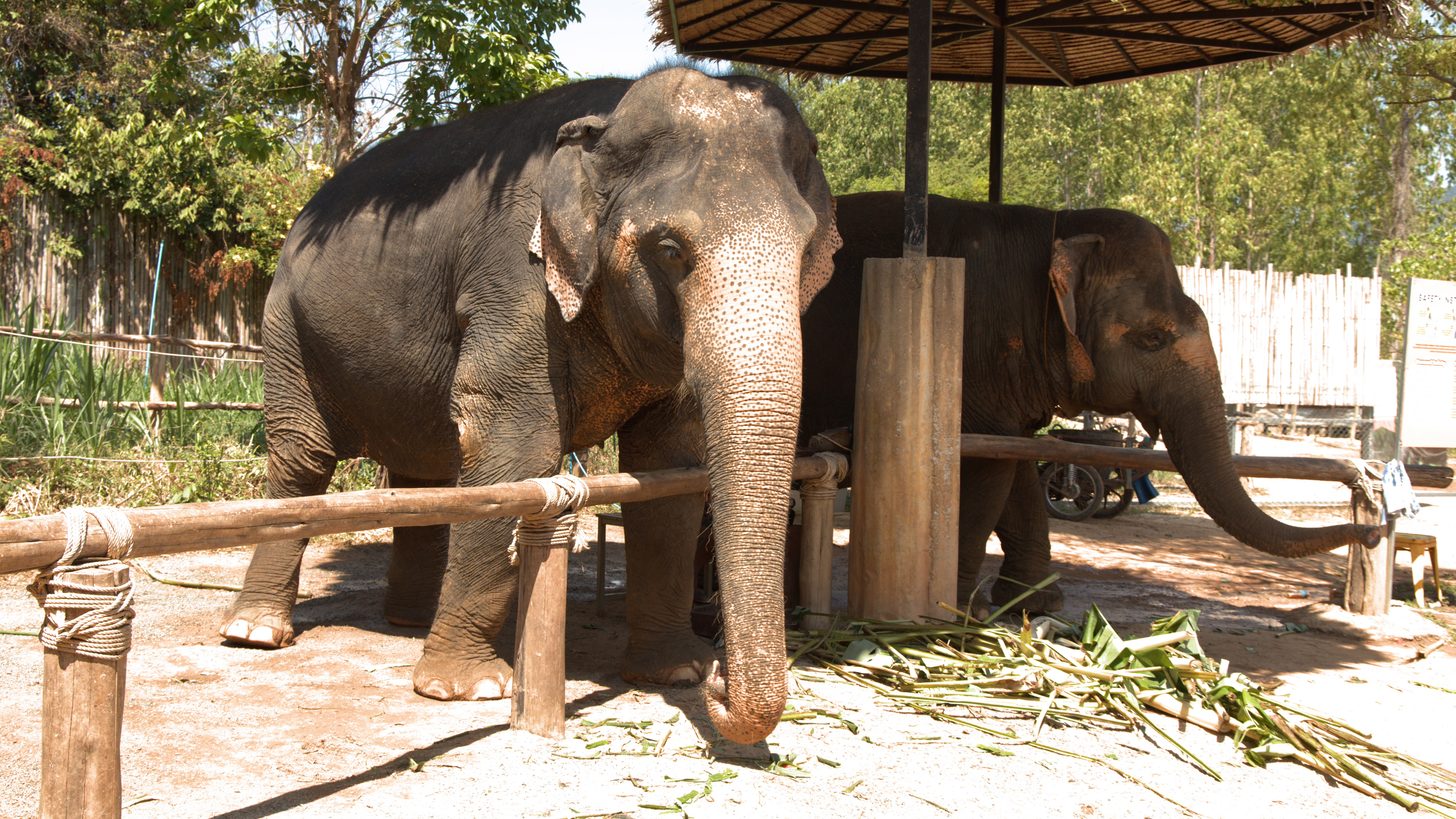
Good trips shouldn't cost Thailand anything.
How Explera operates responsibly — and how it helps you sell
Five commitments, applied to every file.
Wildlife welfare first
Observation over exploitation — strictly no-riding, sanctuary-based animal encounters, vetted before they enter the catalogue.
Local first
Local guides, drivers, kitchens and communities inside the itinerary — so the trip’s value stays in Thailand.
Lighter footprint
Less single-use plastic, smarter routing, group sizes and park rules respected on every program.
People protected
Zero tolerance on exploitation anywhere in our supply chain, fair terms for our own teams.
Agents equipped
Practical briefings and product swaps that make the responsible choice the easier sell.
Written commitments, not vibes.
Animal welfare
No riding, no performances built on suffering; wildlife venues vetted before they enter the catalogue and re-checked when programs renew.
Child protection
Zero tolerance for exploitation; staff and guides briefed to recognise and report; venues that fail the standard are removed.
Supplier code
Hotels, operators and venues we contract are expected to meet the same welfare, safety and fair-work bar we set for ourselves.
Footprint
Reduced single-use plastic on tour, refill-friendly vehicles, marine-park rules observed to the letter, group sizes that respect capacity.
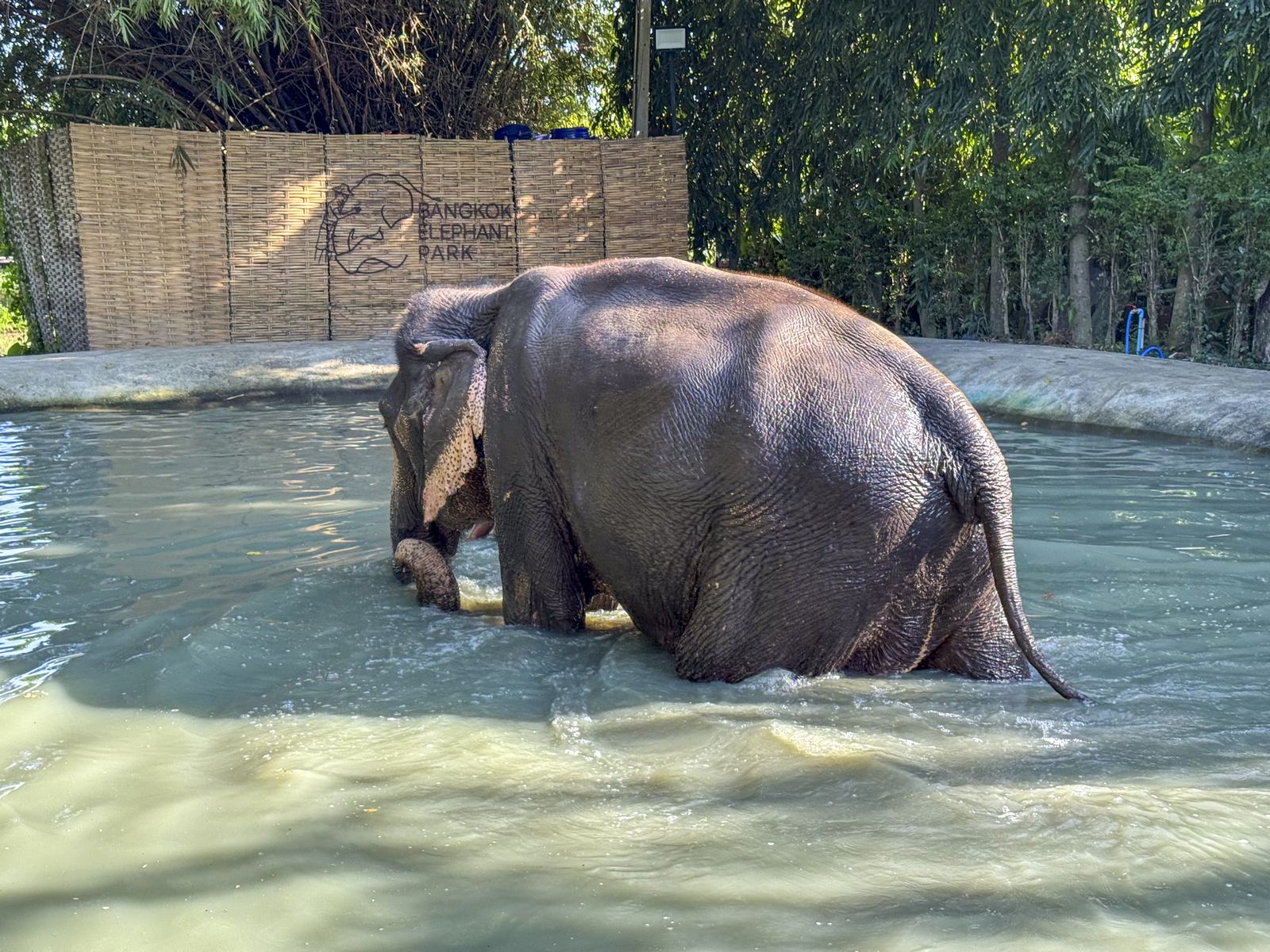
Welfare-first, no-riding — as policy, not marketing.
Our elephant product is strictly sanctuary-based and no-riding: guests observe, feed and walk with rescued animals under mahout guidance — see how we present it to agents for Chiang Mai, Krabi and Koh Samui. We do not sell shows or venues built on animal suffering, and we vet wildlife attractions before they enter the tours & activities catalogue.
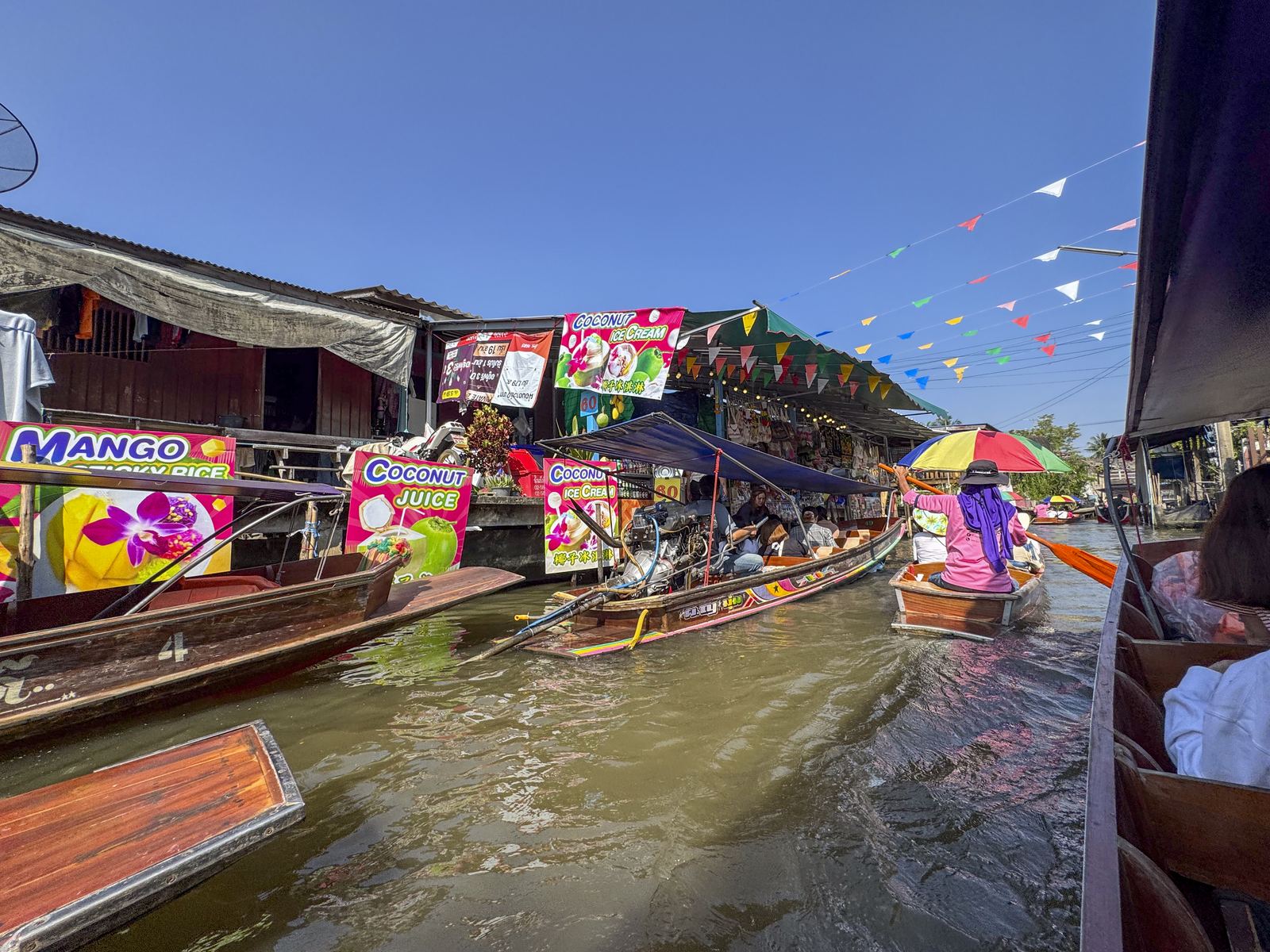
Money that stays where your clients travel.
We employ licensed local guides in nine languages, run our own Thai-crewed transfer fleet, and build programs around living local economies — weekend floating markets, market-to-table cooking classes and community-run experiences across our 70+ operating provinces.

Small rules, consistently applied.
Refill-friendly vehicles and reduced single-use plastic on tour; group sizes and routings that respect carrying capacity; and strict observance of national-park rules on marine days — from Ang Thong to the Similans, including reef-safe sunscreen guidance and no-touch snorkelling briefings on every boat program from our charter desk.
Protection is non-negotiable.
We hold a zero-tolerance position on the exploitation of children and vulnerable people anywhere near our supply chain, apply fair working terms to our own teams, and expect the same of hotels, venues and operators we contract — standards that sit alongside the safety practices on our Why Explera page and our 24/7 emergency support.
How to sell Thailand responsibly — without selling less.
Swap, don't drop
Offer the sanctuary morning instead of the riding camp — clients rate it higher anyway.
Brief the boat day
Reef-safe sunscreen and no-touch snorkelling keep marine parks open for next season's clients.
Sell the local thread
Markets, cooking classes and community experiences photograph better and review better.
Ask us
The trade desk flags the responsible option on any quote, at the same net-rate discipline.
Build responsible programs with us
Read more about Explera and why agencies choose us, or talk to the trade desk — WhatsApp +66 93 656 8090 · b2b@explera.co.th.
What agents ask before selling a responsible Thailand programme.
Do you offer elephant riding?
No. The policy is observation over exploitation: strictly no riding, and no performances built on animal suffering. Wildlife venues are vetted before they enter the catalogue and re-checked when programmes renew, rather than vetted once and assumed.
Will a responsible itinerary cost my client more?
Not inherently, and it is worth asking before assuming. Most of the difference is a product swap rather than a step up in standard, so ask the desk for the alternative on any element you are unsure about and you will usually get a like-for-like one.
How do I know these commitments are real rather than marketing?
They are written to be checkable, which is the point of publishing them: no riding, venues vetted before catalogue entry and re-checked at renewal, zero tolerance for exploitation anywhere in the supply chain, fair terms for our own teams. Ask for the vetting on any specific venue you are quoting.
What does "local first" mean on an actual file?
Local guides, drivers, kitchens and communities inside the itinerary rather than bolted onto the end of it, so the value of the trip stays in the places your clients travel to rather than leaving with the operator.
How do I sell this to a client who has not asked for it?
Do not sell it as a sacrifice. The practical route is a swap plus one line of reason: the sanctuary is the better photograph, the community kitchen is the better meal. Briefing you on those swaps, so the responsible choice is the easier sell rather than the worthier one, is part of what a Thailand DMC is for.