

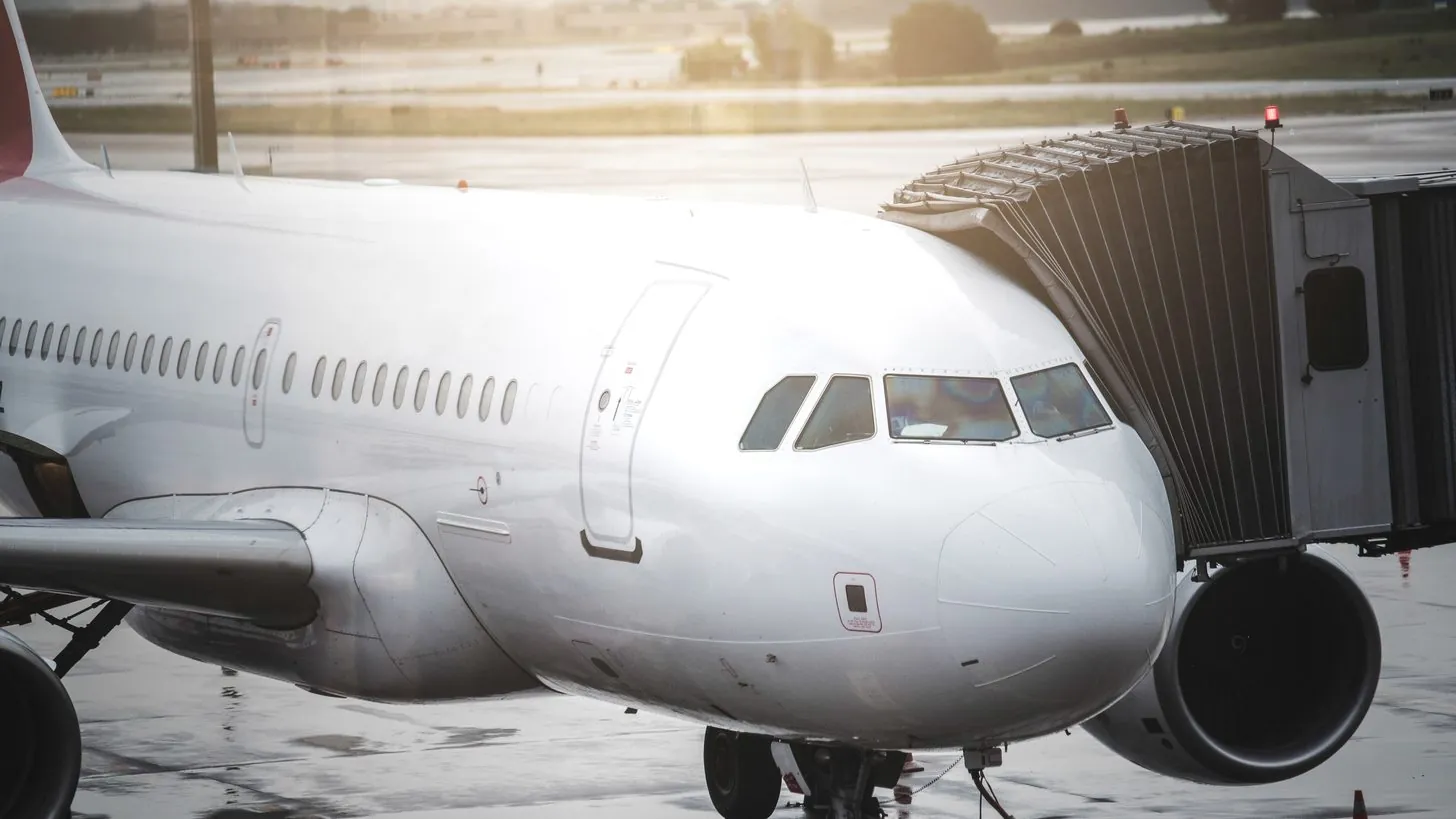
Thailand's flag carrier is taking twenty-eight aircraft this year, retiring six, and putting long-haul routes back on the map that it dropped during its restructuring — Amsterdam came back in July and Auckland is slated for the second half of the year. An airline rebuilding a network changes what an agent can offer, and it changes what an agent should be careful about. This briefing from a Thailand DMC for travel agents covers where Thai Airways actually is, which routes have returned, and why a relaunched route is not the same proposition as an established one.
Update, 6 September 2026 — the winter schedule is now published. Thai Airways has set a 66-route programme for Winter 2026/27, the season that runs 25 October 2026 to 27 March 2027: 15 routes to Europe and Australia, 43 across Asia and 8 domestic. Several key services also step up from 1 December 2026 rather than at the season start — Hong Kong moves from twenty-eight weekly flights to thirty-five, Paris from seven to fourteen, and Kuala Lumpur from fourteen to twenty-one, with New Delhi also rising. Two things follow for a file. The season boundary and the December step are different dates, so a quote for late October is not quoting the same map as a quote for December, and the frequency you were shown in one month may not be the one that operates in the next. And a published schedule is still intent rather than inventory: confirm the specific sector and date in the GDS before it goes to a client, which is the same caution the guidance below applies to relaunched routes.
Explera is a TAT-licensed ground handler (TAT licence 14/05119, IATA 96215733) trusted by 4,500+ agency partners, with in-house transport, licensed guides and 24/7 support. Reach the trade desk at b2b@explera.co.th.
Where the airline actually is
The context matters, because it explains the pace. Thai Airways went through a court-supervised business rehabilitation, exited it in 2025 and returned to the Stock Exchange of Thailand in August of that year. What has followed is a rebuild rather than an expansion from strength, and the shape of it is visible in the fleet plan.
- Twenty-eight aircraft joining in 2026 and six leaving, taking the operating fleet past the hundred mark by the end of the year.
- A narrow-body renewal built on the A321neo, aimed at regional routes — the sectors that feed the long-haul network as much as they carry traffic in their own right.
- A large wide-body order centred on the Boeing 787-9, with options on top, which is a long-haul commitment rather than a seasonal adjustment.
A sourcing note before any of this reaches a client. The fleet counts and order figures come from aviation trade analysis and secondary reporting rather than from carrier filings we could open directly, and analyst counts of "operating fleet" differ depending on what they include. The direction is consistently reported and the individual numbers should not be quoted to a client as though they were.
Which routes have come back
Two are worth an agent's attention specifically, and they matter to different markets:
- Bangkok to Amsterdam resumed as a nonstop service on 1 July 2026. For European agencies this restores a direct option on a pairing that had been running through connections, and it puts a Thai-carrier product back in front of a market that had drifted to Gulf and European alternatives.
- Bangkok to Auckland is slated to relaunch in the second half of 2026. New Zealand is a small but high-value market for Thailand, and a direct service changes the arithmetic of a two-week trip considerably.
- The A321neo is entering regional service, appearing on selected dates on Japanese sectors including Fukuoka during August and September. That is worth knowing because cabin product and baggage differ from the aircraft it replaces.
Note what this does not cover. Our guide to the Europe nonstops deals with the UK services and the Warsaw link on other carriers; the Amsterdam and Auckland services here are Thai Airways rebuilding its own network, which is a different story with different risks.
Beyond those, the reporting describes broader network work across Asia, Europe and Oceania — China, India and Hong Kong all appear — but with less specificity than a quote can safely rest on. Confirm any individual service with the airline.
Why a relaunched route needs more care than an established one
This is the part that separates a useful briefing from a press release. A route that has just come back carries risks a mature route does not:
- Frequency is usually lower at the start. A daily service and a four-times-weekly service produce completely different recovery options when a passenger misses a connection, and launch frequencies are frequently below what the route eventually settles at.
- The first season is a demand test. Airlines relaunch on the expectation of demand, and they retime, downgauge or suspend when it does not appear. A client travelling nine months out on a route three months old is exposed to a commercial decision nobody has made yet.
- Interline and codeshare arrangements take time to settle. The through-ticketing and baggage agreements that make a connection painless are not always in place from day one.
- The aircraft may change. A new-generation narrow-body on a route previously flown by something larger changes seat pitch, cabin classes and baggage allowance — all things a client notices and an agent gets blamed for.
None of that is an argument against selling these routes. It is an argument for confirming the specifics each time rather than once, which is the same discipline our gateways and routing guide applies to the wider picture.

What it means for a Thailand file
- A direct Thai-carrier option is a selling point for some clients and irrelevant to others. Clients who value a single-carrier journey, through-checked bags and one party accountable for the whole trip will pay attention. Price-led clients will not.
- Restored long-haul improves the whole itinerary, not just the flight. Removing a connection removes the most common failure point in a Thailand trip and usually returns half a day at each end.
- Regional renewal matters more than it sounds. Most Thailand itineraries include at least one domestic or regional sector, and newer narrow-bodies on those legs is a quiet upgrade to the part of the trip clients complain about most.
- Do not build the trip around a route that has not launched. Auckland is slated, not flying. Treat it as a bonus if it arrives.
See our briefing on the new ASEAN routes for what is happening on the short-haul side, where the growth this year has actually been.
What the ground partner carries here
What is genuinely operating this month rather than this quarter, how an arrival time actually lands against transfer and check-in realities, what a schedule change does to a fixed-date programme, and the recovery when a long-haul sector goes wrong at the Bangkok end. That is ordinary Thailand DMC services for travel agents, alongside transfers on our own fleet, accommodation for the night a disruption forces, and 24/7 support.
A Thailand DMC that watches the airlift as closely as the hotels is worth more on a long-haul file than one that only quotes ground. Send the routing to b2b@explera.co.th or use the trade desk. See our Bangkok coverage and how we work with agents in your source market.
Frequently asked questions
What is happening with Thai Airways in 2026?
A rebuild rather than an expansion. The airline exited court-supervised rehabilitation in 2025 and returned to the Stock Exchange of Thailand in August of that year, and through 2026 it has been taking around twenty-eight aircraft while retiring six, renewing its narrow-body fleet on the A321neo and committing to a large Boeing 787-9 order for long-haul.
Which long-haul routes have come back?
Bangkok to Amsterdam resumed as a nonstop on 1 July 2026, and Bangkok to Auckland is slated to relaunch in the second half of the year. Broader network work across Asia, Europe and Oceania is reported with less specificity, so confirm any individual service with the airline before it goes in a quote.
Why does a relaunched route need extra care?
Because launch frequency is often lower than where a route settles, the first season functions as a demand test, interline and codeshare arrangements take time to bed in, and the aircraft type can change. All four affect what a client experiences and what recovery options exist when something goes wrong.
Should we sell a route that has not started yet?
Not as a component the trip depends on. Auckland is slated, not flying. Build the itinerary on services that are operating and treat a pending relaunch as a bonus if it arrives before travel.
Does the narrow-body renewal matter to a leisure client?
More than it sounds. Most Thailand itineraries include at least one domestic or regional sector, and that leg is the part clients complain about most. Newer aircraft there is a quiet improvement — though it also changes cabin product and baggage allowance, which is worth checking rather than assuming.
Can we quote the fleet numbers to a client?
Better not to. They come from aviation trade analysis rather than carrier filings we could read directly, and analyst counts of an operating fleet differ depending on what they include. The direction is well supported; the individual figures are not something to put your name to.